Category: المستودعات والمخازن

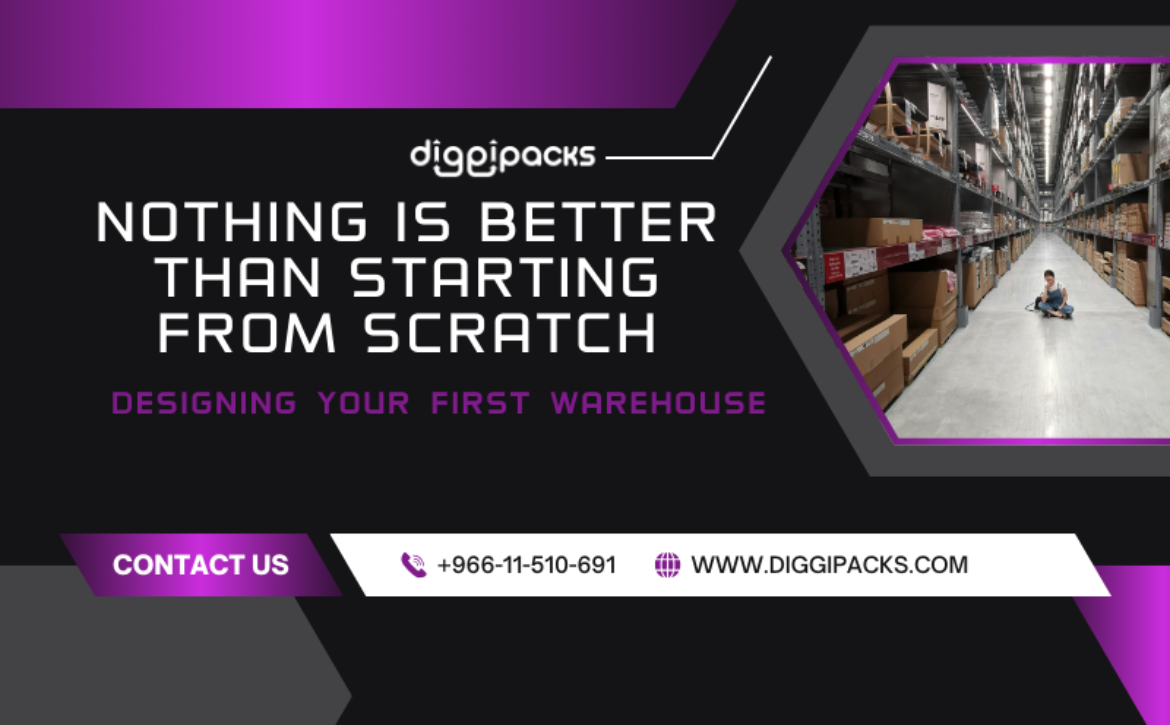
Nothing is better than starting from scratch- Designing Your First warehouse

Nothing is better than starting from scratch.

Signing a lease for your first warehouse provides an opportunity to build your fulfillment engine from the ground up.

It’s an exciting step towards business growth, but now comes the hard part.

Just like furnishing a new home, renting a warehouse takes time and planning to make the most of the space to meet your logistics operation needs.

But where do you start? In this guide, we’ll explore what it takes to design and set up your warehouse, the essential processes you need to understand during the design phase, best practices for warehouse optimization, and more.

The Importance of Warehouse Design and Setup

Setting up a warehouse is not just about stacking products on shelves. The warehouse should be designed to optimize storage and streamline fulfillment processes.

Investing in a warehouse is a significant undertaking that involves supply chain planning, budgeting, financing, and executing in-house fulfillment operations.

A large part of your warehouse’s efficiency depends on how it’s set up, so it’s crucial to design it appropriately to ensure success.

Your Warehouse Needs to Work for You

First of all, your warehouse should allow you and your team to fulfill orders efficiently and accurately. Consider your products and the customer experience as you search for and design the warehouse.

During your search for a new warehouse, look for a space that fully meets your needs, from loading docks to optimal storage space. This ensures a seamless flow of goods and maximizes warehouse efficiency.

When you design your warehouse based on your brand’s needs, you gain control over how products are stored, picked, and packed, ensuring maximum efficiency.

Unnecessary Equipment May Hinder Operations

While equipment can help improve efficiency, having more equipment than necessary can take up space and complicate processes if not used correctly. Excess equipment means wasted warehouse space (limiting space for inventory) and may overcomplicate fulfillment processes and employee training.

Additionally, having too much equipment could pose safety risks to employees if space becomes cramped, or if equipment is not properly maintained.

Warehouse and Inventory Audits Require Organization

For you and your team to complete warehouse and inventory audits, the warehouse must be organized and orderly. If SKUs are scattered randomly around the warehouse, tracking inventory will be difficult, impacting both warehouse efficiency and accuracy.

Stay organized by creating warehouse storage solutions like shelving racks, pallet racks, storing inventory in bins, and labeling products clearly and accurately.

The First Step to Designing Your Warehouse

Once you find the right warehouse, planning and designing its layout is crucial, as it will affect supply chain efficiency.

Four Key Processes to Consider When Designing Warehouse Layout

When building a proper warehouse layout, you need to focus on functionality and efficiency.

Think beyond just fitting all the inventory in the available space. Consider ways to optimize the space to reduce costs and increase productivity.

Before you begin designing the warehouse layout, here are four essential processes to keep in mind:

  1. Receiving and Storing Inventory:
    A poor receiving process can lead to inventory control issues and high operational costs. Upon receiving new inventory, your team should check each shipment thoroughly to ensure quantities match, and products are intact.
  2. Inventory Tracking:
    After receiving inventory, you need a system to track what’s available for sale. Manually tracking inventory becomes inefficient and costly as order volume increases. Use inventory management software that provides real-time insights into current stock levels to ensure you meet demand and replenish inventory accordingly.
  3. Order Picking:
    The process of picking inventory requires an effective warehouse setup and design. Consider how picking lists are generated, the walking distance for your team, and the ease of locating items.
  4. Shipping Process:
    Once orders are ready, the shipping process begins. Ensure all orders are loaded accurately and choose between domestic, international, or a mix of carriers based on the warehouse and customer locations.

Best Practices for Warehouse Layout Design

Warehouse layout design depends on the type of business, but some common best practices apply across industries:

  1. Map Out the Internal Workflow of the Warehouse
  2. Define Workstations
  3. Optimize Storage
  4. Implement a Warehouse Management System (WMS)
  5. Improve Picking and Packing Areas
  6. Gather Employee Feedback to Enhance Operations

When it comes to designing and optimizing warehouses, Diggipacks has extensive experience, having designed and implemented hundreds of warehouses across various sectors. With advanced strategies and accumulated expertise in logistics management, Diggipacks has successfully built warehouses that meet the needs of their clients and ensure the efficiency of fulfillment and shipping operations. If you’re looking for a reliable partner to help design your new warehouse and maximize its potential, Diggipacks is the perfect choice to ensure the growth of your business and the expansion of your operations.

Read More
admin يناير 13, 2026 0 Comments

The Importance of Product Packaging

[et_pb_section fb_built=”1″ _builder_version=”3.22″][et_pb_row _builder_version=”3.25″ background_size=”initial” background_position=”top_left” background_repeat=”repeat”][et_pb_column type=”4_4″ _builder_version=”3.25″ custom_padding=”|||” custom_padding__hover=”|||”][et_pb_text _builder_version=”4.9.4″ background_size=”initial” background_position=”top_left” background_repeat=”repeat” hover_enabled=”0″ header_2_text_color=”#E02B20″ header_2_font_size=”25px” header_3_text_color=”#E02B20″ header_3_font_size=”25px” header_4_text_color=”#E02B20″ header_4_font_size=”25px” sticky_enabled=”0″]

Product packaging is very important, having good packaging affects perception and even makes customers come back again and again and remember your product, choosing the right product packaging is just as important as choosing the right shipping service, and many people have always had problems with their packages as the contents of the packages arrive damaged or damaged due to misuse Packaging or inappropriate packaging for the type and content of the package, and there are several creative types of product packaging, and in this article, we will talk about what product packaging is, types of product packaging and its importance.

Product Packaging Meaning

Product packaging is simply the way a product is placed before the sale, some products may require specific types of packaging for safety such as food.

The product packaging process is also used to transfer information to the buyer, as product packaging refers to the entire design and production process.

Therefore, the focus is on the method of product packaging as a very influential marketing element that contributes to the consolidation of the product in the mind of the buyer and forcing him to try it and get to know it himself.

you may want to know: Which order picking method is best for Efficient Order Picking?

Why packaging makes a difference

The process of product packaging plays a vital role in maintaining the safety of goods, as it largely guarantees the safety of parcels and ensures that they reach their destination without any damages.

Depending on the way the product is packaged with materials that fit the nature and shape of the product, and in fact packaging makes a big difference because they influence the buying behavior.

Buyers always have an emotional side to buying something, so product packaging plays a role in making purchasing decisions for consumers, and therefore packaging is used to guide their efforts.

A large number of studies have also revealed that attractive packaging leads to more intense brain activity than regular packaging.

Attractive packaging also causes activity in areas of the brain associated with rewards, while unattractive packaging causes activity in areas of the brain associated with negative emotions.

Clearly, product packaging has a real impact on how consumers feel about products, and thus directly connects their choices about what they buy.

are you know how compute Average Inventory Formula ?

Types of product packaging

product packaging

It is worth noting that there is more than one type of product packaging, and the Goods packaging process goes through more than one stage until it reaches the final form,

Where the process begins with packaging the product using shock-absorbing and insulating materials and then packing it in the appropriate box.

And the following are the most important types of product packaging:

Bubble wrap

The most important characteristic of bubble wrap is that it is protective, flexible, light and waterproof, bubble wrap made of transparent polyethylene material is used as shockproof as it reduces vibration during shipment.

The bubble wrap also protects the materials inside the package because it stabilizes the filled material and thus mitigates the impact of shocks.

In addition, the bubble wrap does not absorb or release moisture and is lightweight, easy and quick to use.

Plastic packaging

One of the most popular types of product packaging, which is used to wrap goods up to 800 kg, has high flexibility and is easy to adapt to the shape of the package.

The plastic packaging protects the products from dirt during transportation and is highly resistant to tearing.

Shipping tube packaging

It is one of the most practical solutions for sending long products and products that can be folded like posters, photographs, graphics, etc., and it is also very resistant.

Corrugated cardboard packaging

A popular type of product packaging, corrugated board protects parcels so it is used as a protective agent between the product and the box or container in heavy parcels.

Packaging using cork pieces

Cork pieces are mainly used to fill voids in the box and protect the package from shocks that could lead to damage.

Innovative retail packaging examples

product packaging

There are many great examples of innovative retail packaging, which is one of the best ways to help you see how to package your products more innovatively.

Speaking of innovative retail packaging examples, there are two well-known brands that always succeed in the field of packaging:

  • Coca-Cola, one of the best companies that has designed a distinctive packaging style that has made its famous logo familiar for decades, and recognizable in languages ​​around the world.
  • Apple is also one of the companies that has innovated in its product packaging, with the company’s philosophy of simplicity and beautiful design represented in the boxes of computers, tablets, and phones.

And there are successful packaging stories to be found everywhere, produced by giant corporations and startups alike.

This is because successful product packaging is always the most attractive to consumers by providing a great experience with its products.

you may know  What is a Bonded Warehouse?

Designing your own product packaging

Also, designing your product packaging in an innovative and special way will help you in marketing your product and attract more buyers around your product to get to know them.

Especially since the colors of Goods packaging greatly influence purchasing decisions, as yellow evokes joy, pink evokes beauty and sensitivity, black evokes strength and so on.

Therefore, attention to the shape of the product, the design of the packaging and the colors that the company chooses in the packaging affect the consumer’s choice to buy,

But rather make the consumers remember the product with enough fondness that the consumer wants to buy it again.

Displays and promotes the product

One of the most important functions of product packaging is that it helps you promote the product effectively,

By influencing the design of the Goods packaging itself on consumer expectations and enhancing their satisfaction.

Innovative product packaging that describes the product at the same time helps the buyer better understand what he is buying and thus increases the likelihood that he will be satisfied with the product presented and then buy it later.

[/et_pb_text][/et_pb_column][/et_pb_row][/et_pb_section]

Read More
admin يناير 13, 2026 0 Comments

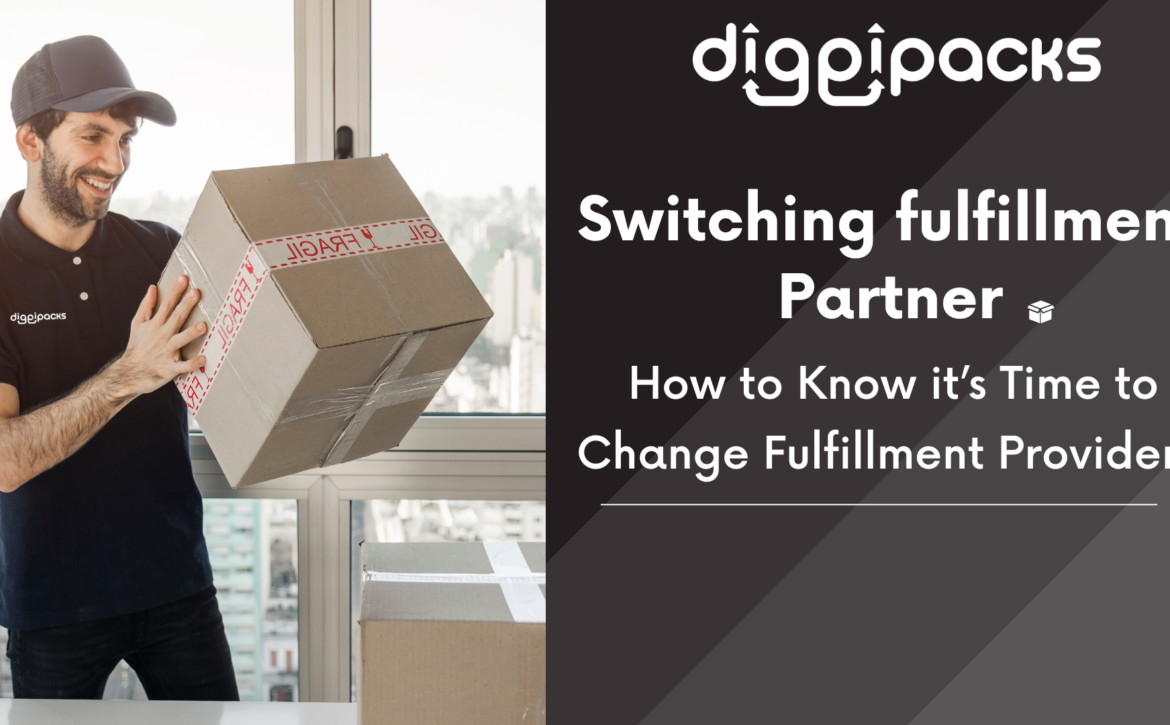
Switching 3PLs: How to Know it’s Time to Change Fulfillment Providers & What to Look for in a New 3PL

Not all 3PL providers are created equal, and working with one that doesn’t meet your business needs can lead to stunted growth or even customer loss.

Between contracts, potential risks, and logistical challenges, it may not seem like the right time to change providers. However, it’s essential to take a critical look at your current 3PL provider and retail fulfillment strategy to ensure future success for your business. In fact, transitioning to a new 3PL may not be as difficult as you think.

In this article, we will cover how to determine if your business needs to switch 3PL providers, how to choose a new eCommerce order fulfillment company, and the necessary steps to ensure a smooth transition.

A Note on Meeting Customer Expectations

Before diving into the details of when and how to switch 3PL providers, it’s important to understand the impact a 3PL can have on your business.

Today’s customers have high expectations, and the delivery experience is no exception:

  • 38% of customers say they will never shop with a retailer again after a negative delivery experience.
  • 73% of shoppers expect fast and affordable deliveries.
  • 24% of customers cancel their orders due to slow shipping.

If your 3PL provider isn’t helping you deliver a best-in-class customer experience, you could be missing out on customers and revenue. If you can’t provide the fast and affordable shipping your customers expect, they are likely to find stores that can.

Either way, for your success as an eCommerce merchant, it is vital that you partner with a 3PL provider that helps you meet rising customer expectations.

How to Know When It’s Time to Switch 3PL Providers

Outsourcing fulfillment is a step above shipping orders from home, but it’s important to make sure that your current 3PL provider is the right fit for your business. Here are some signs that your 3PL provider might not be the best choice — and lessons learned by other eCommerce brands that faced similar situations.

1. Errors in Orders

Your reputation is on the line when you outsource any part of your business. When it comes to inventory management and shipping orders securely, consistently, and on time, your 3PL provider must get it right.

Order fulfillment isn’t a perfect science, and mistakes, especially during transit, are expected. Make sure your 3PL provider is a partner that will correct errors when they happen.

2. Lack of Continuous Improvement

Ecommerce is constantly evolving, and so are customer expectations. Can your 3PL provider keep up with these changes? If your fulfillment provider hasn’t upgraded or expanded their technology, operations, or facilities since you started working with them, they might not have a vision for your customers’ future expectations.

3. Business Growth Outpacing the Provider

If your shipment volume grows significantly as your business scales, there may come a time when your current 3PL provider can no longer support you. This is especially true if you are working with a local small company that mainly focuses on small businesses.

In addition to scalability, different 3PLs have different inventory storage systems. You need to ensure that they have the expertise and infrastructure to handle your growing needs.

4. Insufficient Support

If you encounter issues with an order or need an update on inventory levels, do you know whom to reach out to? And do you receive the answers you need in a timely manner?

A good 3PL provider should offer comprehensive support beyond just answering FAQs. They should be a partner, not just a service provider.

5. Outdated or Insufficient Technology

In today’s world, a 3PL provider must offer fulfillment software with order management capabilities. Without visibility into the status of each order, it becomes impossible to address customer concerns or assess the quality of the customer experience you’re providing.

6. Not Getting Value for Money

The cheapest 3PL isn’t always the best option, but if you’re paying a premium for fulfillment services, the value should be clear.

7. Declining Customer Satisfaction

Ultimately, customers are the ones who decide if your fulfillment services meet expectations. If they don’t, customers will let you know, whether through increased support tickets, negative reviews, critical social media posts, or simply declining sales.

3 Questions to Ask a Potential 3PL Provider

Thinking about switching providers? Here are three questions to ask a potential 3PL provider to determine whether they are the right fit for your business and make an informed decision.

1. How are you different from our current 3PL provider?

When outsourcing fulfillment, it’s important to look for a scalable solution that goes beyond the traditional pick, pack, and ship model used by many smaller and legacy providers.

This means that a 3PL provider should handle all aspects of the eCommerce supply chain, rather than just isolated parts of the logistics process.

Optimizing every aspect of the supply chain can provide your customers with a better overall experience by helping you make more accurate decisions about inventory and operations.

2. How does your technology integrate with ours?

One of the most important factors when choosing a fulfillment solution is finding technology that works not just for you but with you.

Two main aspects to consider: how the 3PL’s software connects with your online store and how the technology helps you improve your business.

These elements form what’s known as a tech-enabled 3PL. A tech-enabled 3PL provider assists with everything from order and inventory management to tracking orders and managing returns — while integrating data across all platforms.

3. How many fulfillment centers do you have, and where are they located?

This two-part question is crucial for keeping shipping costs low, especially if you plan to offer one-day shipping or other expedited delivery options without breaking the bank.

If you’re shipping from only one location, you limit your business’s reach in key markets and might be paying high shipping costs.

Partnering with a 3PL provider that has fulfillment centers in major cities allows you to distribute your inventory across multiple locations. This reduces shipping costs as your products are closer to their shipping destinations.

How to Transition to a New 3PL Provider

Transitioning to a new 3PL provider can be overwhelming if you don’t have a solid plan. Many brands have successfully switched to Diggipacks for a seamless experience.

Here are the important steps to take during this transition.

Review Your Supply Chain

Switching to a new 3PL provider means having at least one new fulfillment center. If the new fulfillment center is not in the same city as the previous one, consider the new transit times for shipping inventory from your manufacturer to the new fulfillment center.

Make sure to account for this when determining the reorder schedule and quantities, especially if the new fulfillment center is further from the manufacturer than the previous one.

Additionally, ensure that you share the address of the new fulfillment center with your manufacturer so that inventory is routed to the correct location. Understand and follow the inbound receiving processes of the new 3PL provider, and communicate any changes in labeling and organization to your manufacturer.

Phase Out the Old Fulfillment Center

First and foremost, make sure it’s the right time to switch providers. You may still have time left on your old contract, but it’s never too early to start exploring new options.

It might be tempting to immediately pull all your inventory from the old fulfillment center, but it’s important to keep stock there until the transition is fully complete. Keeping inventory in the old center while transitioning to the new 3PL can help prevent stockouts and backorders.

Once the transition is complete and you have enough inventory in the new fulfillment center, consider running a sale to clear out old stock. Just ensure your backend technology is set up to route orders to the old 3PL provider.

Keep Your Customers in the Loop

No matter how smoothly the transition goes, unexpected delays can happen, and your customers may experience shipping delays. That’s why it’s essential to inform your customers that you’re switching 3PL providers to improve shipping options and the overall experience.

Use product pages, emails, social media, and banners on your website to give your customers a heads-up. Transparency in communication reassures customers and shows that you are working to improve their experience.

This is especially effective if the transition allows you to offer new shipping promotions, like international shipping or free two-day delivery. This gives your customers something to look forward to while keeping them informed.


Diggipacks has helped thousands of merchants like you

If you’re looking for a fulfillment provider that checks all the boxes covered in this article, consider switching to Diggipacks.

We understand that moving from the familiar to the unfamiliar can be uncomfortable, but Diggipacks is here to provide a well-managed, smooth transition that minimizes risks and helps set you up for long-term success.

Our comprehensive guide ensures a successful transition, answering frequently asked questions by eCommerce businesses like yours.

What You’ll Get from Diggipacks

Every business is unique. We work with you to find the best solution for your specific needs. Here are some highlights of what you’ll receive when you switch to Diggipacks to ensure a smooth transition:

Dedicated Account Manager + Shipping Audits Team

Diggipacks’ fulfillment specialists are experts in the field, making it easy for your business to get started by tailoring the process to meet your most important needs. You will have a dedicated point of contact throughout the transition (before, during, and after switching 3PLs).

Personalized Support

In addition to a dedicated account manager and audit team, multiple teams will support your business during and after the transition to Diggipacks.

Capacity and Expertise

Diggipacks has onboarded thousands of customers. We continue to adapt and improve the process to ensure a successful transition.

Read More
admin أكتوبر 12, 2024 0 Comments

Cycle Counting: Definition, Benefits, and How to Implement

Definition: Cycle counting is a crucial method in inventory management that helps businesses maintain accurate records without halting their daily operations. Unlike traditional physical inventory counts, which can be disruptive and time-consuming, cycle counting involves auditing small portions of inventory regularly.

The primary advantage of cycle counting over traditional physical counts is that it provides frequent updates on inventory accuracy. This allows businesses to identify discrepancies early and ensures that inventory records remain up-to-date, minimizing potential disruptions to business operations.

What Is Cycle Counting? Cycle counting involves counting a small subset of inventory on a specific day rather than counting all inventory at once. This process involves selecting particular items or locations for counting based on a predetermined schedule.

Unlike traditional physical inventory counts, which typically occur annually or semi-annually, cycle counting happens more frequently, focusing on smaller portions of inventory at a time.

Cycle counting offers a systematic approach to inventory management by distributing counting efforts throughout the year.

Key Characteristics of Cycle Counting:

  • Frequency: Staff conduct cycle counting at various intervals, such as daily, weekly, or monthly, based on the inventory’s value and turnover rates. Businesses can adjust the frequency to fit their operational needs.
  • Accuracy: Cycle counting enhances inventory accuracy by identifying discrepancies early. Regular checks help detect and correct errors, ensuring that inventory records remain reliable.

Cycle counting is an efficient and effective method of maintaining inventory accuracy without the need for disruptive full inventory counts.

Cycle Counting Process The cycle counting process involves a systematic approach to verifying inventory accuracy without needing a full physical count. Here are the key steps involved:

  1. Planning and Scheduling: Effective cycle counting begins with careful planning and scheduling. ABC analysis is often used to prioritize items based on their value and turnover rates:
    • A-items: High-value items are counted more frequently.
    • B-items: Moderate-value items are counted less frequently.
    • C-items: Low-value items are counted occasionally.

    This prioritization ensures that high-value items are reviewed more often, which is critical for maintaining accurate financial records.

  2. Execution: During the execution phase, staff conduct the inventory count using handheld devices or inventory management software to accurately record the data. Tools like barcode scanners or RFID technology are essential for capturing precise inventory levels.
  3. Data Analysis: After the counts are completed, the collected data is analyzed to ensure accuracy. This involves comparing the counted figures against recorded inventory levels to identify discrepancies. If any differences are found, they are investigated thoroughly to determine the root cause.
  4. Reconciliation: If discrepancies are identified, reconciliation is necessary to correct the records. This involves reviewing the discrepancies to understand their origin, and once the cause is determined, updating the inventory records accordingly.

Cycle Counting vs. Physical Inventory Count Cycle counting and physical inventory counts are two distinct methods of inventory verification:

  • Cycle Counting: Regularly audits a small subset of inventory, minimizing operational disruption while providing frequent updates on inventory data.
  • Physical Inventory Count: Conducted less frequently and involves counting all inventory at once, often requiring businesses to pause operations temporarily to complete the count.

Benefits of Cycle Counting Cycle counting offers several significant advantages for inventory management:

  • Improved Inventory Accuracy: By regularly auditing small portions of inventory, businesses can quickly identify and correct errors, ensuring that inventory records remain accurate and up-to-date.
  • Enhanced Operational Efficiency: Cycle counting allows businesses to manage stock levels more effectively, ensuring they are neither overstocked nor understocked, minimizing disruptions caused by stock imbalances.
  • Cost Savings: By reducing the need for large-scale physical inventory counts, cycle counting helps businesses save on operational costs and minimize errors in inventory records.

Challenges in Implementing Cycle Counting While cycle counting offers many benefits, there are some challenges associated with its implementation:

  • Resource Allocation: Smaller businesses may struggle to allocate the necessary staff and time for regular cycle counts.
  • System Integration: Integrating cycle counting with existing inventory management systems requires careful planning to ensure data consistency and accuracy.

A Path to Precision and Efficiency Cycle counting is a powerful tool in modern inventory management that enhances accuracy, efficiency, and cost-effectiveness. Implementing cycle counting allows businesses to maintain precise inventory records and streamline their operations, leading to better inventory control and more efficient business processes.

How Diggipacks Implements Cycle Counting with Precision At Diggipacks, we understand the importance of accurate and efficient inventory management. Through a carefully designed cycle counting process, we regularly audit small portions of inventory, ensuring that our records are always up-to-date. By leveraging advanced technology like barcode scanners and RFID systems, we maintain high levels of accuracy and efficiency, minimizing errors and discrepancies. Our team is dedicated to providing reliable inventory control that aligns with the highest industry standards, ensuring smooth and uninterrupted operations for our clients.

Read More
admin أكتوبر 1, 2024 0 Comments