Category: logistic solutions

5 Ways to Reduce Inventory Levels

[et_pb_section fb_built=”1″ _builder_version=”4.16″ global_colors_info=”{}”][et_pb_row _builder_version=”4.16″ background_size=”initial” background_position=”top_left” background_repeat=”repeat” global_colors_info=”{}”][et_pb_column type=”4_4″ _builder_version=”4.16″ custom_padding=”|||” global_colors_info=”{}” custom_padding__hover=”|||”][et_pb_text _builder_version=”4.17.4″ header_2_text_color=”#E02B20″ header_3_text_color=”#E02B20″ header_3_font_size=”27px” background_size=”initial” background_position=”top_left” background_repeat=”repeat” hover_enabled=”0″ global_colors_info=”{}” sticky_enabled=”0″]

Inventory is a necessity for businesses – too much, and you’re tying up valuable resources that could be used elsewhere; too little, and you risk running out of stock and losing sales. Fortunately, you can do several things to help reduce your inventory levels without impacting your business too much.

What Is Inventory Reduction?

Lowering inventory levels to satisfy customers’ needs is referred to as inventory level reduction. It is essential to remember that this is more than just a mat more than of shifting surplus goods.

It also involves avoiding the buildup of surplus inventory in the first place while simultaneously expanding the stock of items moving through the store more quickly.

Reduce Inventory Levels

Inventory Levels

The capacity to efficiently manage inventory levels may be the deciding factor in whether or not the manufacturing of any size, from minor to medium, achieves success or failure. According to lean manufacturing principles, inventory levels are one of the “wastes” that must be removed the most urgently. It should be considered a “non-value add” and deleted from the system if the inventory levels are not continuously cycled through the manufacturing process. An excessive inventory ties up operating capital, consumes precious storage space, poses the risk of becoming outdated, and is more susceptible to damage.

Incorporating practices that help reduce inventory levels into a firm’s culture should be considered a best practice. The OptiProERP software has created a list of six strategies to decrease inventory levels, all of which may be used by any manufacturing firm, regardless of size, to improve inventory levels performance. But first, let’s look at different inventory management and optimization approaches.

1. Better data collection

It is necessary to be aware of the whereabouts of your inventory levels at all times, whether at your premises, with your suppliers, or in transit. Without this understanding, there is a risk of holding excessive safety stock. Therefore, cycle counts or regular counting should monitor inventory levels.

2. Shorten lead times

When lead times are reduced, there is a need for fewer inventory levels. Look into different strategies to reduce the time it takes to make transactions and deliver goods.

3. Speed up production.

If you can manufacture or distribute products more rapidly, you can satisfy client demand while maintaining smaller inventory levels.

4. Avoid bulk buying.

Avert your eyes from economies of scale. The money spent on storage is usually higher than the discounts gained, often resulting in unsold inventory levels.

5. Build key supplier partnerships

There is also the possibility of using an inventory levels solution that is controlled by the vendor, in which case the expenses of keeping inventory might be split.

Get to know : what is distribution management and the difference between it and transportation?

Why is inventory reduction necessary?

Inventory levels reduction is essential for three reasons: it helps maintain low holding costs, reduces the likelihood of spoiling and shrinkage, and optimizes fill rate. The costs of holding inventory are the expenditures that are involved with retaining inventory for a more extended period than is required to sell it.

It ought to be one of any company’s primary priorities to get their stocked items into the hands of consumers as rapidly as they can. This safeguards the goods from being misplaced, stolen, spoilt, or otherwise destroyed.

You may also show that you have effective warehousing methods and that you can correctly estimate demand if you reduce inventory that is not essential. However, this results in a high fill rate, which indicates that you need an adequate amount of inventory levels for any item.

Optimizing inventory is key to an efficient supply chain

Inventory Levels

It is defined as a method of balancing the manufacturers’ capital investment constraints and goals with the defined service-level goals over a large assortment of stock-keeping units. Supply chain inventory optimization is defined as a method of achieving this balance. It covers the technique of having the appropriate inventory levels to reach your desired service levels while retaining a minimal amount of capital tied up for inventory. Having the appropriate inventory levels is an essential part of lean inventory levels management.

Warehouse and supply chain managers often regard inventory level optimization as the next level beyond essential inventory management. Because of this, firms may accomplish comprehensive Inventory Optimization by considering supply and demand swings and reducing excessive inventory levels.

Optimizing the supply chain’s inventory may readily assist manufacturers in overcoming challenges associated with warehouse management and stocking, resulting in less overall inventory levels. According to several studies, the inappropriate manner of packing, storing, or securing goods in freight containers is responsible for roughly 65 percent of the damaged inventory levels. Optimizing inventory levels may mitigate the effects of these mistakes to a significant degree. Also, in 2015, the global cost of overstocking goods was $470 billion, while the cost of understocking was more than $600 billion. Firms may use predictive analytics and data-driven insights to reduce their working capital needs and stocking challenges with precise inventory level optimization.

1. DEMAND FORECASTING

To effectively optimize supply chain inventory levels management systems, accurate demand forecasting is a critical component. Forecasting the demand and supply chain may be done in several different ways, depending on the sort of goods or services being discussed, the product life cycle, and the industry served. One strategy is using the demand data from the previous year or period and using particular request projections from the sales teams. For manufacturers to effectively estimate demand and determine where certain SKUs are located in the product lifecycle, they need complete information on the precise inventory levels quantity and the product lifecycle. In addition to this, they need to monitor seasonality patterns and new product releases, both of which have the potential to influence demand projection statistics.

2. INVENTORY STRATEGY

In addition to this, it is essential to have a solid grasp of the items that need to be supplied, as well as in what amounts and throughout what periods. The ABC analysis is a valuable tool for determining the amounts of SKUs to stock since it splits the SKUs depending on the yearly consumption value of the item. It is also helpful in understanding the calculations for safety stocks, which are used to account for abrupt swings in demand, variances in the supply, or other unexpected interruptions. Last but not least, you need to consider the number of warehouses you have to maximize the efficiency with which your inventory levels are dispersed between your locations in the appropriate quantities at the appropriate time.

3. STOCK REPLENISHMENT

It is essential to complete this stage to understand which quantities need to be reordered at when periods in time and then actually place the order for those amounts. The dependability of the suppliers is something that manufacturers need to bear in mind when it comes to this since every supplier has its own set of lead times and production cycles. It is not enough for manufacturers to monitor just the items that are now stocked at the warehouse; they must also monitor the commodities that are currently in route. Although it may seem clear, most ERP systems need to make it simple to record this information.

[/et_pb_text][/et_pb_column][/et_pb_row][/et_pb_section][et_pb_section fb_built=”1″ _builder_version=”4.17.4″ _module_preset=”default” locked=”off” global_colors_info=”{}”][et_pb_row _builder_version=”4.17.4″ _module_preset=”default” global_colors_info=”{}”][et_pb_column type=”4_4″ _builder_version=”4.17.4″ _module_preset=”default” global_colors_info=”{}”][et_pb_button button_url=”http://diggipacks.com/3pl-fulfillment/” url_new_window=”on” button_text=”3PL FULFILLMENT” button_alignment=”center” _builder_version=”4.17.4″ _module_preset=”default” custom_button=”on” button_bg_use_color_gradient=”on” button_bg_color_gradient_direction=”270deg” button_bg_color_gradient_stops=”#e02b20 0%|#000000 100%” button_border_radius=”10px” button_icon_color=”#000000″ background_layout=”dark” custom_margin=”-80px||-80px||false|false” custom_padding=”||||false|false” global_colors_info=”{}”][/et_pb_button][/et_pb_column][/et_pb_row][/et_pb_section]
Read More
admin يناير 11, 2026 0 Comments

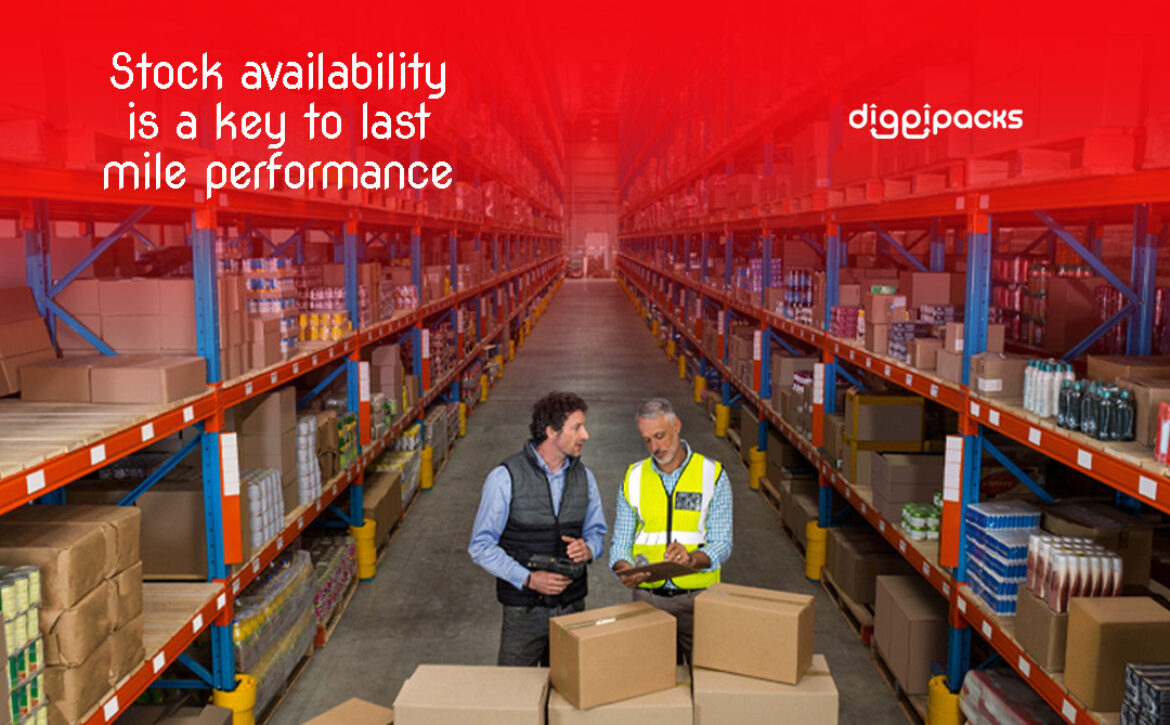
Stock Availability Is a Key to Last Mile Performance

[et_pb_section fb_built=”1″ _builder_version=”4.16″ global_colors_info=”{}”][et_pb_row _builder_version=”4.16″ background_size=”initial” background_position=”top_left” background_repeat=”repeat” global_colors_info=”{}”][et_pb_column type=”4_4″ _builder_version=”4.16″ custom_padding=”|||” global_colors_info=”{}” custom_padding__hover=”|||”][et_pb_text _builder_version=”4.17.4″ background_size=”initial” background_position=”top_left” background_repeat=”repeat” hover_enabled=”0″ global_colors_info=”{}” header_2_text_color=”#E02B20″ header_3_text_color=”#E02B20″ header_3_font_size=”27px” sticky_enabled=”0″]

The process of managing stock availability is very important at the moment, which should help in enhancing the satisfaction of customers and shoppers in online stores. Especially since if a shopper finds that an item he wants to buy from a particular store is not available, he will feel frustrated and the matter will be exacerbated if that item remains unavailable for a long time.

Hence the paramount importance of stock availability management, and with supply chain problems and the huge fluctuations in demand that the world is going through, stock availability management systems have become one of the most important systems used. In this article, we will show you all the details about stock availability and how to manage it and utilize it properly, thus contributing to enhancing customer satisfaction and growing your business.

What is stock availability?

This term refers to the extent to which a business has sufficient stock of items that satisfy the customers’ desires for the various products or items it provides to them.

Merchants need to ensure that stock availability is appropriately managed, in a way that helps them meet customer requests and make them happy and satisfied with the service provided, while maintaining stock acquisition and retention costs.

In light of the significant changes in demand in the markets, as well as the unexpected fluctuations in supply and demand, the importance of stock availability management has emerged.

A unified view of inventory to ensure stock availability

Stock Availability

Different retailers and e-store owners need to maintain stock availability appropriately, by providing a unified view of their inventory.

Intelligent diggipacks can help provide a unified view of stock to ensure stock availability through its modern inventory tracking methods.

As it relies on the latest tools and modern systems to keep track of your inventory, thus allowing the ability to meet customer demand constantly.

This is in addition to the role of these smart tools and systems in obtaining useful data that will help you in forecasting future demand, and thus making better decisions about your inventory.

Diggipacks uses a number of other tools besides the stock tracking system, which will improve your stock availability and your presence in the market.

Use inventory management tools

In order to improve stock availability you need to use inventory management tools, which will effectively help you in providing a clear view of the supply chain.

Inventory management tools also play a vital role in making supply chains more flexible, while better meeting customer demands and expectations.

All of this ultimately helps in better business development, maintaining a presence in the market and promoting a better competitive environment as well.

Inventory management tools provide you with the ability to monitor your inventory, and thus know the available quantity of it and keep track of it.

Thus, the possibility of maintaining the level of inventory better, as these tools send you alerts about the stock in the event that it is close to expiry.

These tools also alert you about overstocking, by providing real-time data, thus providing better visibility and greater decision-making power.

Diggipacks provides you with all the inventory management tools you want, which will help you automate time-consuming inventory tracking tasks.

This saves you time while greatly reducing human errors, thus improving your business as well as automating your inventory monitoring, avoiding out-of-stock situations.

How does a unified view of inventory enable greater stock availability?

Stock Availability

The unified view of inventory plays a clear role in providing greater availability of available inventory, by relying on real-time data and analytics.

This is by using modern tools and methods in stock tracking. Inventory tracking systems allow for more accurate assessment of current stock levels.

These systems also help analyze trends in historical sales, thus helping retailers and patrons predict the correct inventory levels.

All this effectively contributes to providing the detailed information to the customers accurately, so that the customers can know whether a particular item is available or not.

[/et_pb_text][/et_pb_column][/et_pb_row][/et_pb_section][et_pb_section fb_built=”1″ _builder_version=”4.17.4″ _module_preset=”default” locked=”off” global_colors_info=”{}”][et_pb_row _builder_version=”4.17.4″ _module_preset=”default” global_colors_info=”{}”][et_pb_column type=”4_4″ _builder_version=”4.17.4″ _module_preset=”default” global_colors_info=”{}”][et_pb_button button_url=”http://diggipacks.com/3pl-fulfillment/” url_new_window=”on” button_text=”3PL FULFILLMENT” button_alignment=”center” _builder_version=”4.17.4″ _module_preset=”default” custom_button=”on” button_bg_use_color_gradient=”on” button_bg_color_gradient_direction=”270deg” button_bg_color_gradient_stops=”#e02b20 0%|#000000 100%” button_border_radius=”10px” button_icon_color=”#000000″ background_layout=”dark” custom_margin=”-80px||-80px||false|false” custom_padding=”||||false|false” global_colors_info=”{}”][/et_pb_button][/et_pb_column][/et_pb_row][/et_pb_section]
Read More
admin يناير 11, 2026 0 Comments

5 Benefits of Outsourcing Transport Freight 

[et_pb_section fb_built=”1″ _builder_version=”4.16″ global_colors_info=”{}”][et_pb_row _builder_version=”4.16″ background_size=”initial” background_position=”top_left” background_repeat=”repeat” global_colors_info=”{}”][et_pb_column type=”4_4″ _builder_version=”4.16″ custom_padding=”|||” global_colors_info=”{}” custom_padding__hover=”|||”][et_pb_text _builder_version=”4.17.4″ header_2_text_color=”#E02B20″ header_3_text_color=”#E02B20″ header_3_font_size=”27px” background_size=”initial” background_position=”top_left” background_repeat=”repeat” hover_enabled=”0″ global_colors_info=”{}” sticky_enabled=”0″]

There are huge benefits that people can benefit from when using Outsourcing Transport services, which made using these services a smart move that any company can accept. The importance of using Outsourcing Transport services has emerged during the Covid-19 pandemic, which has caused business disruptions around the world, and the problem has been exacerbated by a severe drop in demand for products. As a result, supply chains are severely disrupted, so various companies are in dire need of providing more flexible supply chains.

Thus, the ability to adapt and expand quickly according to individual and geographic needs, and this is what Outsourcing Transport can provide. In today’s article, we will discuss in detail what Outsourcing Transport is, its most important benefits, and how diggipacks can help you provide the best services at great prices.

What is Outsourcing Transport Freight?

Before we talk about the benefits of Outsourcing Transport Freight we will first need to know what it is.

As it refers to the agreement made under which one company appoints another company to be responsible for the activities related to the various freight forwarding operations.

This saves her time, effort, and costs, and helps her focus on other more important tasks that help the company grow and expand.

Five Benefits of Outsourcing Transport Freight

diggitrack

There are a number of benefits that companies can gain from using Outsourcing Transport Freight, which will keep them moving in the right direction.

Especially since the well-managed the transportation services in any company or online store, the more positively this affects the performance and presence in the market.

This is what Outsourcing Transport Freight can provide, and the following are the most important benefits that can be obtained from using these services:

1. Economies of Scale

The main benefit of using Outsourcing Transport services is the provision of huge economies of scale, due to a stable customer base and therefore significant purchasing power.

All this makes pricing highly competitive, so external sources such as 3PL and 4PL companies are able to plan and negotiate better and more effectively.

As well as their ability to apply the latest technologies, which means reducing the investment costs of the company and focusing on tasks that help them expand and grow.

2. Information Management

Through the use of various Outsourcing Transport services, the company can obtain real-time information about customers’ orders.

This enhances the speed of delivery of orders and their effective management, especially since the lack of accurate data means:

  • Delayed delivery.
  • Additional costs.
  • Loss of a large percentage of customers.

But through smart systems that can be provided by third parties, companies can manage their information, and exploit it in a way that best serves customer requests.

3. Technology and Communication

By outsourcing 3PL or 4PL, the company can enjoy highly specialized transportation systems.

Through which requests will be managed and scheduled, as well as the availability of smart services such as tracking drivers and providing real-time communication, which contributes to supporting security and safety.

4. Customer Service

Another distinguishing benefit when using Outsourcing Transport services is the ability to focus on customer requests and meet their desires.

This is done in a way that achieves customer satisfaction, through accurate and fast dealing with the available information. This importance emerges in cases of pressure requests from customers.

5. Resource Flexibility

With increasing demands as well as seasonal fluctuations in demand, companies or online stores can find it difficult to manage orders.

And thus incur more high costs, but third parties can handle these matters very easily.

For example 3PLs have the necessary expertise and equipment required to provide flexibility and adapt to different fluctuations.

Key to Success in Outsourcing for Freight Logistics

Key to Success in Outsourcing Freight Logistics

Outsourcing Transport

If you want to succeed when hiring Outsourcing Freight Logistics, there are a number of basic things that you must consider, the most important of which are:

1. Key Performance Indicators (KPIs) and Performance Scorecards

Effectively keeping track of KPIs will help you demonstrate the success and effectiveness of your Outsourcing Freight Broker.

This is in addition to following up on financial reporting tools, thus knowing whether the external company you deal with is effective in managing your deliveries or not.

There are a number of KPIs that can tell you how effective your external company is, such as:

  • Is on time delivery to customers?
  • What are the percentages of delays in delivering customer orders?
  • Are the cars available on time?
  • Percentage of error free invoices.

2. Data Visibility is the Key

One of the biggest challenges to transport logistics in general is the inability to access accurate information in real time, and this is a huge challenge at the moment.

Especially since having a clear view is the cornerstone for the success of 3PL Logistics, through the effective exchange of accurate information in real time.

Accurate, real-time information can be accessed and exploited to support business, by providing and using appropriate technologies.

3. Building Relationships

One of the important things you need to be successful with Outsourcing Freight Logistics is to put the time and effort into developing your relationships with external suppliers.

So that the company you deal with suits the style of your company, and thus the ability to understand the nature of your business and provide the best solutions and services for you and your customers.

All of this will help you manage expectations and face unexpected fluctuations, as well as identify areas of future opportunity that are right for you.

Diggipacks for Outsourcing Transport Freight

Outsourcing Transport

If you are looking for the best Outsourcing Freight service provider then diggipacks is your perfect choice.

Diggipacks is one of the best companies specialized in providing logistics services, relying on the latest technologies and techniques.

Cooperating with a logistics partner can help you manage your products better, in a way that enhances your presence in the market and thus increases your sales.

Diggipacks owns an experienced and specialized team in Outsourcing Freight, which will give you the best services at the best prices and give you a comparative advantage in terms of speed and efficiency.

Digipacks can also provide you with smart storage solutions at the best prices, as it has all the spaces needed by special products, with an economical plan while ensuring the high quality of storage.

As well as full packaging services for its stored products, in addition to the ability to provide you with daily reports of your stock movement through the customer control panel.

[/et_pb_text][/et_pb_column][/et_pb_row][/et_pb_section][et_pb_section fb_built=”1″ _builder_version=”4.17.4″ _module_preset=”default” locked=”off” global_colors_info=”{}”][et_pb_row _builder_version=”4.17.4″ _module_preset=”default” global_colors_info=”{}”][et_pb_column type=”4_4″ _builder_version=”4.17.4″ _module_preset=”default” global_colors_info=”{}”][et_pb_button button_url=”http://diggipacks.com/third-party-shipping/” url_new_window=”on” button_text=”3PL shipping” button_alignment=”center” _builder_version=”4.17.4″ _module_preset=”default” custom_button=”on” button_bg_use_color_gradient=”on” button_bg_color_gradient_direction=”270deg” button_bg_color_gradient_stops=”#e02b20 0%|#000000 100%” button_border_radius=”10px” button_icon_color=”#000000″ background_layout=”dark” custom_margin=”-80px||-80px||false|false” custom_padding=”||||false|false” hover_enabled=”0″ global_colors_info=”{}” sticky_enabled=”0″][/et_pb_button][/et_pb_column][/et_pb_row][/et_pb_section]

Read More
admin يناير 11, 2026 0 Comments

Improve Your Warehouse Slotting Optimization

[et_pb_section fb_built=”1″ _builder_version=”4.16″ global_colors_info=”{}”][et_pb_row _builder_version=”4.16″ background_size=”initial” background_position=”top_left” background_repeat=”repeat” global_colors_info=”{}”][et_pb_column type=”4_4″ _builder_version=”4.16″ custom_padding=”|||” global_colors_info=”{}” custom_padding__hover=”|||”][et_pb_text _builder_version=”4.19.0″ header_2_text_color=”#E02B20″ header_2_font_size=”27px” header_3_text_color=”#E02B20″ header_3_font_size=”27px” header_4_text_color=”#E02B20″ header_4_font_size=”27px” background_size=”initial” background_position=”top_left” background_repeat=”repeat” hover_enabled=”0″ global_colors_info=”{}” sticky_enabled=”0″]

Warehouse operations are getting more complex day by day, so warehouse managers need to deal with that complexity and face those pressures. One of the technologies that helps in this is warehouse slotting, which helps to better organize operations in warehouses.

In addition to its role in reducing costs significantly, so many people are considering using warehouse slotting and taking advantage of its huge advantages. In this article, we will show you all the details about warehouse slotting and its benefits, as well as its importance.

‎What Is Warehouse Slotting?‎

It is one of the processes through which inventory is arranged in warehouses, thus speeding up the process of finding and selecting goods from different shelves.

By using warehouse slotting techniques, each item in the warehouse is assigned a specific place, making it easier to find and restore it.

What Is on Demand Warehousing?

‎Why Is Warehouse Slotting Important

Warehouse Slotting

The reason why warehouse slotting has gained great importance is its role in organizing the items in the warehouses.

Which has saved a lot of time and effort for the dealers. Here are some points that highlight the importance of warehouse slotting to include in your business:

    • Save space in your inventory, allowing you to store more items in your inventory without the need for a larger warehouse or purchasing storage space.

    • Reducing labor costs, as these technologies make it easier for workers to complete more tasks in less time.

    • Improving operational efficiency, allowing for faster order execution and thus better fulfillment of customer requests.

    • Reducing the time it takes to pick items from the warehouse, due to the organization these technologies cause in warehouses.

    • Increasing efficiency and saving more costs, which contributes positively to the company’s revenues in general.

    • Reduce the risks associated with stock loss, thanks to the organization enabled by warehouse slotting technologies.

    • Facilitate inventory tracking and turnover calculation.

are you know what is Scheduled Delivery?

‎Warehouse Slotting Optimization

Slotting warehouse optimization helps you achieve more benefits, the most important of which is saving costs associated with trying to expand warehouse space or rent additional space.

In addition to its role in reducing the time spent in selecting items and processing orders.

Which contributes to enhancing customer confidence and making them happier.

This is in addition to the role of these technologies in organizing your warehouse, thus reducing the costs associated with additional labor.

Warehouse Slotting Best Practices

There are a set of effective practices that can help you in warehouse slotting, and the following are the most prominent of these practices:

1. Organize SKUs strategically

There are a lot of ways you can improve your SKUs, but if the items in your warehouse are moved in pallets or boxes the best way to store them is to use racks.

You can use the extra shelves to store items from the pallet, which is one of the most important practices of Slotting warehouse.

2. Get feedback from pickers

You can benefit from pickers to get the best feedback, especially since they are the ones responsible for picking products on the front lines.

Thus they possess appropriate feedback on how to address deficiencies and improve the workflow of your warehouse.

3. Frequently review your slotting strategy

You need to review the warehouse slotting strategy you are using periodically, especially since Slotting warehouse needs are constantly changing.

So you always need to keep up with them, helping you to maintain more modern and organized warehouse operations.

4. Organize products by demand correlation

One of the most effective Slotting warehouse practices is to organize the products you have in order according to demand statuses.

So that the highest priority is given to those products that are constantly requested, which facilitates better access to them and quick fulfillment of orders.

3 benefits to slotting your inventory

Warehouse Slotting

There are many benefits that you can enjoy by applying warehouse slotting techniques in your business.

And the following are the top 3 benefits that these technologies can provide you with:

1. Faster picking and less picking errors

One of the main benefits of warehouse slotting is that it provides faster picking operations, while keeping errors as low as possible.

This is due to the role of these technologies in organizing warehouses and arranging the items in them correctly.

Thus reducing the level of errors and increasing the speed of picking.

All of this contributes positively to lower costs incurred by the company, as well as increasing customer happiness due to fast orders and the absence of errors.

get to know : Stock Availability Is a Key to Last Mile Performance

2. More storage capacity

Warehouse slotting helps you to increase the storage capacity of your warehouse, because of the process of organizing and arranging the items that are carried out by it.

This allows the company to use the same space to store more items, thus saving costs related to warehouse expansion or leasing additional space.

3. Reduce carrying costs

These techniques work effectively in keeping very little inventory on hand, thus reducing inventory moving costs.

This is due to improved inventory management, which helps in reducing holding time as well as saving a lot of expenses.

[/et_pb_text][/et_pb_column][/et_pb_row][/et_pb_section][et_pb_section fb_built=”1″ _builder_version=”4.19.0″ _module_preset=”default” custom_margin=”||-100px||false|false” locked=”off” global_colors_info=”{}”][et_pb_row _builder_version=”4.17.4″ _module_preset=”default” global_colors_info=”{}”][et_pb_column type=”4_4″ _builder_version=”4.17.4″ _module_preset=”default” global_colors_info=”{}”][et_pb_button button_url=”http://diggipacks.com/3pl-fulfillment/” url_new_window=”on” button_text=”3PL FULFILLMENT” button_alignment=”center” _builder_version=”4.17.4″ _module_preset=”default” custom_button=”on” button_bg_use_color_gradient=”on” button_bg_color_gradient_direction=”270deg” button_bg_color_gradient_stops=”#e02b20 0%|#000000 100%” button_border_radius=”10px” button_icon_color=”#000000″ background_layout=”dark” custom_margin=”-80px||-80px||false|false” custom_padding=”||||false|false” global_colors_info=”{}”][/et_pb_button][/et_pb_column][/et_pb_row][/et_pb_section]

Read More
admin يناير 11, 2026 0 Comments

All you need to know about mis shipments

[et_pb_section fb_built=”1″ _builder_version=”4.16″ global_colors_info=”{}”][et_pb_row _builder_version=”4.16″ background_size=”initial” background_position=”top_left” background_repeat=”repeat” global_colors_info=”{}”][et_pb_column type=”4_4″ _builder_version=”4.16″ custom_padding=”|||” global_colors_info=”{}” custom_padding__hover=”|||”][et_pb_text _builder_version=”4.19.0″ header_2_text_color=”#E02B20″ header_2_font_size=”27px” header_3_text_color=”#E02B20″ header_3_font_size=”27px” header_4_text_color=”#E02B20″ header_4_font_size=”27px” background_size=”initial” background_position=”top_left” background_repeat=”repeat” hover_enabled=”0″ global_colors_info=”{}” sticky_enabled=”0″]

Accuracy in fulfilling customer orders is very important in e-commerce, especially since mis shipments may cause many problems for e-commerce companies as well as their relationship with customers, as customers lose confidence if they receive a wrong shipment.

Therefore, special care must be given to the process of fulfilling customer requests, from placing the correct product in the correct box, to attaching it to the correct data label and delivering it.

So dealing with customers and fulfilling their requests requires extreme accuracy, and in this article, we will show you all the details about mis shipments, and its harm to companies and its impact on customers. We will also show you how to deal with cases of wrong shipments, and how Diggipacks can help you with that.

‎What are mis shipments?‎

It is the process through which a wrong product is sent to the customer, which is contrary to his request, and this process causes a lot of losses.

Where customers lose confidence in your company when they receive a wrong shipment.

You as the business owner bear the cost of losing customer satisfaction and possibly losing it forever.

In addition to the costs associated with shipping the correct product quickly to the customer.

And therefore incurring double transportation expenses due to the wrong delivery of the customer’s shipment.

get to know: Vendor Managed Inventory 

‎How do mis shipments affect customers?‎

mis shipments

One of the most prominent consequences of mis shipments is their significant negative impact on customer satisfaction in general, as when a customer receives a wrong shipment, he feels very frustrated.

Which leads him to lose confidence in the services provided by that company, and in many cases it comes to canceling the order or not dealing with the same company again.

In addition to the significant impact of mis shipments on the profitability achieved by the company, they incur additional costs related to customer service to the company.

Frequent mis-shipments result in significantly reduced customer satisfaction and loyalty, which affects the company’s reputation and market position.

‎How do mis shipments damage businesses?‎

For businesses, mis shipments greatly affect the business’s presence and survival in the market, and this is because it seriously harms the profitability of companies.

In the event that shipments are incorrectly delivered, this means additional expenses associated with having the items shipped back correctly to their owners.

In addition to additional expenses related to customer service, as noted, mis shipments affect customer satisfaction and loyalty to the company.

Therefore, accuracy in fulfilling orders in the correct manner is extremely important in e-commerce in particular, especially since customers are more sensitive when they deal with online stores.

are you know what is Scheduled Delivery?

‎How to combat and prevent mis shipments

Mis shipments occur when someone in your company’s warehouse fails to pick up products exactly as specified in the fulfillment document.

From the moment the error arises, unwanted additional costs begin to negatively affect the performance and reputation of your company.

Especially since mis shipments result in huge costs that your company may not be able to avoid or recover again.

That’s why many companies try to minimize mis shipments, while trying to fulfill orders properly. Here are a number of practices that may help you combat mis shipments:

1. Check your stock on a regular basis

Which helps in better inventory management thus avoiding mistakes while picking or picking up and avoiding the problem.

2. Use Robust Warehouse Management Software and Barcode Scanners

Which will help you update your inventory accurately, and check that the correct items are selected according to the requests of the customers.

3. Perform a quality control check

By using useful techniques to scan the request quickly after it has been selected to verify its validity.

4. Offer an easy returns system

Allowing customers to ship products back correctly and as quickly as possible, in an effort to gain their satisfaction again.

‎How Diggipacks can help your business prevent mis shipments

mis shipments

Diggipacks intelligent systems can help you reduce mis shipments, by utilizing modern technologies around inventory and returns management.

Which would help you in accurately fulfilling orders and selecting different items, as well as inventory management systems that are able to provide you with reports about your inventory and follow it up continuously.

This provides you with the ability to better meet customer requests, as well as avoid cases of wrong delivery of products and provide a system of returns and customer service at the highest level.

[/et_pb_text][/et_pb_column][/et_pb_row][/et_pb_section][et_pb_section fb_built=”1″ _builder_version=”4.19.0″ _module_preset=”default” custom_margin=”||-30px||false|false” global_colors_info=”{}”][et_pb_row _builder_version=”4.17.4″ _module_preset=”default” locked=”off” global_colors_info=”{}”][et_pb_column type=”4_4″ _builder_version=”4.17.4″ _module_preset=”default” global_colors_info=”{}”][et_pb_button button_url=”http://diggipacks.com/third-party-shipping/” url_new_window=”on” button_text=”3PL shipping” button_alignment=”center” _builder_version=”4.17.4″ _module_preset=”default” custom_button=”on” button_bg_use_color_gradient=”on” button_bg_color_gradient_direction=”270deg” button_bg_color_gradient_stops=”#e02b20 0%|#000000 100%” button_border_radius=”10px” button_icon_color=”#000000″ background_layout=”dark” custom_margin=”-80px||-80px||false|false” custom_padding=”||||false|false” global_colors_info=”{}”][/et_pb_button][/et_pb_column][/et_pb_row][/et_pb_section]

Read More
admin يناير 11, 2026 0 Comments

Inventory Carrying Cost Definition ‎

[et_pb_section fb_built=”1″ _builder_version=”4.16″ global_colors_info=”{}”][et_pb_row _builder_version=”4.16″ background_size=”initial” background_position=”top_left” background_repeat=”repeat” global_colors_info=”{}”][et_pb_column type=”4_4″ _builder_version=”4.16″ custom_padding=”|||” global_colors_info=”{}” custom_padding__hover=”|||”][et_pb_text _builder_version=”4.19.0″ background_size=”initial” background_position=”top_left” background_repeat=”repeat” hover_enabled=”0″ global_colors_info=”{}” header_text_color=”#E02B20″ header_2_text_color=”#E02B20″ header_2_font_size=”27px” header_3_text_color=”#E02B20″ header_3_font_size=”27px” header_4_text_color=”#E02B20″ header_4_font_size=”27px” sticky_enabled=”0″]

Carrying Cost is a component of total inventory costs, and those costs have a significant impact on a company’s revenue. These costs are high for companies that benefit from economies of scale, but low for companies that have a small amount of inventory. This cost is examined by management as part of its assessment of the amount of inventory to maintain, and in this article we will discuss in detail the Carrying Cost, its importance, as well as its components and methods of calculation.

‎What Are Carrying Costs?

These are the costs associated with the storage of unsold goods, which the company incurs while storing raw materials or semi-finished goods.

As well as finished goods or spare parts in the warehouse, waiting to be used in the future in order to meet expected demand, settle production needs, and protect the facility from depleting the quantity of goods.

Knowing the Carrying Cost also helps prevent costs from spiraling too high, as well as reducing instances of price hikes.

Do you know what is inventory tracking?

‎Significance of carrying cost

Carrying Cost

Knowing how much a company’s carrying cost is helps determine how long a company can hold their inventory, before they start losing money on unsaleable items.

Thus the company can know how much they need to buy and sell in order to maintain proper inventory levels. Thus, working to:

    • Recover the funds restricted in the inventory.

    • Determine the transportation costs incurred by the company.

    • Help the company to increase its profits.

The carrying cost in any company usually represents about 15% to 30% of the value of the company’s stock.

And if it exceeds that percentage, then this means that the company is in a bad financial position.

‎Components of carrying cost

As we indicated, the Carrying Cost is considered part of the total costs borne by the company.

And it consists of a number of basic elements. The following are the most important components that make up carrying costs:

    • Depreciation costs, which can be significant if the company invests large sums in automated storage and retrieval systems.

    • Insurance costs, which include costs associated with insuring the company’s inventory asset.

    • Obsolete Inventory Write-offs, which are the costs associated with writing off inventory that has been held for a long time and has not been sold. This cost can be significant, especially for companies that introduce new products on a regular basis.

    • Personnel or labor costs, including warehouse staff costs, such as benefits, salaries, taxes, etc.

    • The costs of renting a storage place, and the company must choose the place well and appropriately for the inventory, as this cost may be large if the storage system followed by the company does not guarantee the optimal use of the warehouse space.

    • Safety and security costs, including the costs of security guards, monitoring systems, etc., and usually the value of these costs increases as the value of inventory increases.

What Is on Demand Warehousing?

‎How to calculate carrying cost

As for the method of calculating the carrying cost, it is easily done through the use of a mathematical formula.

Through which the company can calculate the profit it achieves from its inventory.

The following is the mathematical formula used in calculating the carrying cost, which is always represented as a percentage of the company’s total inventory value:

    • Carrying cost = (Inventory holding sum ÷ Total value of inventory)*100.

Inventory holding sum is the total cost of transportation, which consists of four basic elements:

    • Inventory service cost.

    • Inventory risk cost.

    • Capital cost.

    • Storage cost.

Thus, the mathematical formula used in calculating the Inventory holding sum within the carrying cost accounts is as follows:

    • Inventory holding sum = Inventory service cost + Inventory risk cost + Capital cost + Storage cost.

Here are the steps you need to be able to easily calculate those costs based on the mathematical formulas we showed you:

    1. Calculate the value of each of the four components of inventory cost that we have shown.

    1. Add these four inventory cost components to get the inventory holding sum.

    1. Calculate the total value of your inventory.

    1. Divide the inventory holding sum by the total value of inventory.

    1. Multiply the division in the previous step by 100 to get the desired percentage.

get to know: Vendor Managed Inventory 

‎Reducing Inventory Carrying Costs with Inventory Management Software 

Carrying Cost

Inventory management software can help reduce carrying costs significantly, with smart tools and automation systems.

That enables you to get accurate data about your inventory and avoid situations of sudden overstocking or shortage of stock.

Which means reducing the costs associated with carrying stock for a long time. Inventory management systems also help you monitor your inventory and accurately quantify in real time.

Thus avoiding cases of inventory loss or theft and Diggipacks can provide you with the best inventory management system.

Which will help you manage your inventory efficiently as well as reduce your inventory carrying costs.

[/et_pb_text][/et_pb_column][/et_pb_row][/et_pb_section][et_pb_section fb_built=”1″ _builder_version=”4.19.0″ _module_preset=”default” custom_margin=”||-100px||false|false” locked=”off” global_colors_info=”{}”][et_pb_row _builder_version=”4.17.4″ _module_preset=”default” global_colors_info=”{}”][et_pb_column type=”4_4″ _builder_version=”4.17.4″ _module_preset=”default” global_colors_info=”{}”][et_pb_button button_url=”http://diggipacks.com/3pl-fulfillment/” url_new_window=”on” button_text=”3PL FULFILLMENT” button_alignment=”center” _builder_version=”4.17.4″ _module_preset=”default” custom_button=”on” button_bg_use_color_gradient=”on” button_bg_color_gradient_direction=”270deg” button_bg_color_gradient_stops=”#e02b20 0%|#000000 100%” button_border_radius=”10px” button_icon_color=”#000000″ background_layout=”dark” custom_margin=”-80px||-80px||false|false” custom_padding=”||||false|false” global_colors_info=”{}”][/et_pb_button][/et_pb_column][/et_pb_row][/et_pb_section]

Read More
admin يناير 11, 2026 0 Comments

Warehouse Sorting: How Diggipacks & Fastcoo Systems Tie Fulfillment Together

Sorting might not be the flashiest part of ecommerce logistics, but in reality it’s one of the most critical levers behind speed, accuracy, and stability in fulfillment.

At Diggipacks, sorting is not just people moving boxes around. It is an operational logic embedded inside our unified logistics systems powered by Fastcoo – from the moment inventory is received to the moment an order is handed off to the right carrier.

What Is Warehouse Sorting?

Warehouse sorting is the process of organizing and routing products inside a fulfillment center so that every item reaches:

  • The right location

  • At the right time

  • Via the right path

In Diggipacks, this is orchestrated by Fastcoo cloud logistics stack (WMS / OMS / Last Mile), which unifies storage, fulfillment, last-mile aggregation, and COD flows on a single platform.

Core Concepts – As Implemented in Fastcoo

Sortation

Rules inside Fastcoo that group items and orders by:

  • Destination

  • Carrier

  • Service level (standard / express / cold)

  • Product type

Routing

Fastcoo determines the optimal path:

  • From receiving

  • To storage

  • To picking zones

  • To packing stations

  • To the correct outbound dock or carrier lane

Put-away

The WMS suggests and enforces smart put-away locations based on:

  • Turnover velocity

  • Size and weight

  • Product family

This directly impacts future picking and sorting efficiency.

Picking & Packing

Picking waves and packing queues in Fastcoo are built using the same sortation logic:

  • Grouped by carrier, region, or priority

  • With on-screen instructions to reduce human decision-making and error

How Sorting (Through Fastcoo) Impacts Performance

When sortation rules are baked into the system instead of staying in people’s heads:

  • Delivery speed improves (fewer decision points, less back-and-forth).

  • Operational cost per order drops (less walking, less rework).

  • Order accuracy goes up (system-driven checks at each step).

  • Customer experience benefits from faster, more reliable final delivery.

Diggipacks leverages this by running all fulfillment flows on top of Fastcoo  unified SaaS platform.

The Main Sorting Stages in a System-Driven Operation

Inbound Sorting

As inventory is received:

  • Items are scanned into Fastcoo

  • Classified by product type and storage profile

  • Assigned to optimal storage zones via put-away rules

Bad inbound sorting shows up later as:

  • Slow picking

  • “Phantom stockouts” (stock exists but is misplaced)

Order Sorting

Once orders enter the system:

  • Fastcoo groups them into waves based on:

    • Carrier

    • Service level

    • Destination region

  • Picking tasks are generated in logical routes for operators

This reduces congestion and makes packing much more predictable.

Outbound Sorting

After packing:

  • Parcels are routed (logically, inside Fastcoo) to:

    • The right staging area

    • The right carrier manifest

    • The correct dock or handover point

Outbound sortation errors = expensive delays and re-shipments.
System-driven outbound sortation = clean handoff, clean tracking, clean reporting.

Sorting Methods – With Systems in Mind

1) Manual Sorting

Still useful for:

  • Special items

  • Low-volume SKUs

  • Edge cases

But always backed by the system as the source of truth.

2) Semi-Automated Sorting

In Diggipacks-style operations, this usually means:

  • Conveyors, racks, and structured workstations

  • Plus Fastcoo screens, scanners, and device prompts

  • Humans execute; the system decides.

3) Fully Automated Sorting (Industry Level)

Described here as an industry model, not as our current setup:

  • High-speed cross-belt / tilt-tray / robotics

  • Requires deep WMS integration and high, stable volumes

Fastcoo’s architecture is designed to integrate with such automation if and when it becomes relevant.

4) Hybrid Solutions

The realistic, scalable model:

  • Use system logic (Fastcoo) for decisions

  • Use people + light mechanics (conveyors, scanners) for execution

  • Grow automation gradually as volume justifies it

5) Specialized Sorting

Fastcoo flags SKUs and orders that need special handling:

  • Fragile

  • Temperature-controlled

  • High-value

  • Regulated

These flags drive:

  • Dedicated zones in the warehouse

  • Extra packing steps

  • Different routing rules

Best Practices – When You Have a Strong System Like Fastcoo

  1. Design your warehouse around system flows, not the other way around.

  2. Let Fastcoo drive waves, queues, and routes; don’t rely on paper.

  3. Tie sortation rules directly to KPIs (cost per order, lead time, error rate).

  4. Model peak-season scenarios inside the system before reality hits.

  5. Keep operators flexible, but keep decisions in the software.


Everything we described about warehouse sorting:

  • Isn’t theoretical.

  • It’s how a unified logistics stack like Diggipacks + Fastcoo is meant to operate:

    • One platform,

    • Multiple services (Fulfillment, Last Mile, SaaS, LaaS),

    • With sortation logic embedded at every step of the flow.

Read More
admin ديسمبر 7, 2025 0 Comments

10 Tips to Speed Up Order Delivery and Enhance Customer Experience

Delivering orders quickly and efficiently is one of the key factors in providing a positive customer experience. In this article, we present 10 tips to help achieve this using services like those offered by Diggipacks.

1. Evaluate and Improve Inventory Management Processes

Effective integration between inventory and order management ensures product availability and minimizes delays caused by stock shortages.

2. Partner with Reliable Logistics Providers

Collaborating with experienced partners in delivery, such as Diggipacks, guarantees efficiency and reliability.

3. Utilize Order Tracking Technologies

Modern technologies enable real-time order tracking, which helps build customer trust and manage their expectations.

4. Plan Ahead for Seasonal Demands

Plan inventory and resources for seasonal peaks to avoid bottlenecks and delays in order deliveries.

5. Offer Multiple Shipping Options

Provide customers with various shipping options, such as express or economy shipping, to meet diverse needs.

6. Continuously Monitor Employee and Operational Performance

Evaluating the performance of your team and improving their skills ensures high levels of efficiency and productivity.

7. Reduce Hidden Costs

Adopt smart solutions to minimize waste in resources and time that could impact the final cost.

8. Educate Customers About Logistics Processes

Clear and transparent communication with customers helps alleviate concerns and builds their confidence in your business.

9. Implement Advanced Packaging Solutions

Proper packaging ensures the product arrives in excellent condition, enhancing the customer experience.

10. Embrace Continuous Improvement and Innovation

Monitoring market trends and technology ensures you stay ahead with the latest solutions to enhance your services.

Diggipacks is more than just a logistics provider; it’s a technology-driven partner designed to transform your logistics operations into a seamless and efficient process. By leveraging cutting-edge technology, real-time tracking systems, and innovative solutions tailored to your business needs, Diggipacks ensures that you stay ahead of the competition. Whether you are a growing startup or an established enterprise, Diggipacks provides the expertise, tools, and support to help you scale your operations and deliver exceptional customer experiences every step of the way.

Read More
admin يناير 19, 2025 0 Comments

Switching 3PLs: How to Know it’s Time to Change Fulfillment Providers & What to Look for in a New 3PL

Not all 3PL providers are created equal, and working with one that doesn’t meet your business needs can lead to stunted growth or even customer loss.

Between contracts, potential risks, and logistical challenges, it may not seem like the right time to change providers. However, it’s essential to take a critical look at your current 3PL provider and retail fulfillment strategy to ensure future success for your business. In fact, transitioning to a new 3PL may not be as difficult as you think.

In this article, we will cover how to determine if your business needs to switch 3PL providers, how to choose a new eCommerce order fulfillment company, and the necessary steps to ensure a smooth transition.

A Note on Meeting Customer Expectations

Before diving into the details of when and how to switch 3PL providers, it’s important to understand the impact a 3PL can have on your business.

Today’s customers have high expectations, and the delivery experience is no exception:

  • 38% of customers say they will never shop with a retailer again after a negative delivery experience.
  • 73% of shoppers expect fast and affordable deliveries.
  • 24% of customers cancel their orders due to slow shipping.

If your 3PL provider isn’t helping you deliver a best-in-class customer experience, you could be missing out on customers and revenue. If you can’t provide the fast and affordable shipping your customers expect, they are likely to find stores that can.

Either way, for your success as an eCommerce merchant, it is vital that you partner with a 3PL provider that helps you meet rising customer expectations.

How to Know When It’s Time to Switch 3PL Providers

Outsourcing fulfillment is a step above shipping orders from home, but it’s important to make sure that your current 3PL provider is the right fit for your business. Here are some signs that your 3PL provider might not be the best choice — and lessons learned by other eCommerce brands that faced similar situations.

1. Errors in Orders

Your reputation is on the line when you outsource any part of your business. When it comes to inventory management and shipping orders securely, consistently, and on time, your 3PL provider must get it right.

Order fulfillment isn’t a perfect science, and mistakes, especially during transit, are expected. Make sure your 3PL provider is a partner that will correct errors when they happen.

2. Lack of Continuous Improvement

Ecommerce is constantly evolving, and so are customer expectations. Can your 3PL provider keep up with these changes? If your fulfillment provider hasn’t upgraded or expanded their technology, operations, or facilities since you started working with them, they might not have a vision for your customers’ future expectations.

3. Business Growth Outpacing the Provider

If your shipment volume grows significantly as your business scales, there may come a time when your current 3PL provider can no longer support you. This is especially true if you are working with a local small company that mainly focuses on small businesses.

In addition to scalability, different 3PLs have different inventory storage systems. You need to ensure that they have the expertise and infrastructure to handle your growing needs.

4. Insufficient Support

If you encounter issues with an order or need an update on inventory levels, do you know whom to reach out to? And do you receive the answers you need in a timely manner?

A good 3PL provider should offer comprehensive support beyond just answering FAQs. They should be a partner, not just a service provider.

5. Outdated or Insufficient Technology

In today’s world, a 3PL provider must offer fulfillment software with order management capabilities. Without visibility into the status of each order, it becomes impossible to address customer concerns or assess the quality of the customer experience you’re providing.

6. Not Getting Value for Money

The cheapest 3PL isn’t always the best option, but if you’re paying a premium for fulfillment services, the value should be clear.

7. Declining Customer Satisfaction

Ultimately, customers are the ones who decide if your fulfillment services meet expectations. If they don’t, customers will let you know, whether through increased support tickets, negative reviews, critical social media posts, or simply declining sales.

3 Questions to Ask a Potential 3PL Provider

Thinking about switching providers? Here are three questions to ask a potential 3PL provider to determine whether they are the right fit for your business and make an informed decision.

1. How are you different from our current 3PL provider?

When outsourcing fulfillment, it’s important to look for a scalable solution that goes beyond the traditional pick, pack, and ship model used by many smaller and legacy providers.

This means that a 3PL provider should handle all aspects of the eCommerce supply chain, rather than just isolated parts of the logistics process.

Optimizing every aspect of the supply chain can provide your customers with a better overall experience by helping you make more accurate decisions about inventory and operations.

2. How does your technology integrate with ours?

One of the most important factors when choosing a fulfillment solution is finding technology that works not just for you but with you.

Two main aspects to consider: how the 3PL’s software connects with your online store and how the technology helps you improve your business.

These elements form what’s known as a tech-enabled 3PL. A tech-enabled 3PL provider assists with everything from order and inventory management to tracking orders and managing returns — while integrating data across all platforms.

3. How many fulfillment centers do you have, and where are they located?

This two-part question is crucial for keeping shipping costs low, especially if you plan to offer one-day shipping or other expedited delivery options without breaking the bank.

If you’re shipping from only one location, you limit your business’s reach in key markets and might be paying high shipping costs.

Partnering with a 3PL provider that has fulfillment centers in major cities allows you to distribute your inventory across multiple locations. This reduces shipping costs as your products are closer to their shipping destinations.

How to Transition to a New 3PL Provider

Transitioning to a new 3PL provider can be overwhelming if you don’t have a solid plan. Many brands have successfully switched to Diggipacks for a seamless experience.

Here are the important steps to take during this transition.

Review Your Supply Chain

Switching to a new 3PL provider means having at least one new fulfillment center. If the new fulfillment center is not in the same city as the previous one, consider the new transit times for shipping inventory from your manufacturer to the new fulfillment center.

Make sure to account for this when determining the reorder schedule and quantities, especially if the new fulfillment center is further from the manufacturer than the previous one.

Additionally, ensure that you share the address of the new fulfillment center with your manufacturer so that inventory is routed to the correct location. Understand and follow the inbound receiving processes of the new 3PL provider, and communicate any changes in labeling and organization to your manufacturer.

Phase Out the Old Fulfillment Center

First and foremost, make sure it’s the right time to switch providers. You may still have time left on your old contract, but it’s never too early to start exploring new options.

It might be tempting to immediately pull all your inventory from the old fulfillment center, but it’s important to keep stock there until the transition is fully complete. Keeping inventory in the old center while transitioning to the new 3PL can help prevent stockouts and backorders.

Once the transition is complete and you have enough inventory in the new fulfillment center, consider running a sale to clear out old stock. Just ensure your backend technology is set up to route orders to the old 3PL provider.

Keep Your Customers in the Loop

No matter how smoothly the transition goes, unexpected delays can happen, and your customers may experience shipping delays. That’s why it’s essential to inform your customers that you’re switching 3PL providers to improve shipping options and the overall experience.

Use product pages, emails, social media, and banners on your website to give your customers a heads-up. Transparency in communication reassures customers and shows that you are working to improve their experience.

This is especially effective if the transition allows you to offer new shipping promotions, like international shipping or free two-day delivery. This gives your customers something to look forward to while keeping them informed.


Diggipacks has helped thousands of merchants like you

If you’re looking for a fulfillment provider that checks all the boxes covered in this article, consider switching to Diggipacks.

We understand that moving from the familiar to the unfamiliar can be uncomfortable, but Diggipacks is here to provide a well-managed, smooth transition that minimizes risks and helps set you up for long-term success.

Our comprehensive guide ensures a successful transition, answering frequently asked questions by eCommerce businesses like yours.

What You’ll Get from Diggipacks

Every business is unique. We work with you to find the best solution for your specific needs. Here are some highlights of what you’ll receive when you switch to Diggipacks to ensure a smooth transition:

Dedicated Account Manager + Shipping Audits Team

Diggipacks’ fulfillment specialists are experts in the field, making it easy for your business to get started by tailoring the process to meet your most important needs. You will have a dedicated point of contact throughout the transition (before, during, and after switching 3PLs).

Personalized Support

In addition to a dedicated account manager and audit team, multiple teams will support your business during and after the transition to Diggipacks.

Capacity and Expertise

Diggipacks has onboarded thousands of customers. We continue to adapt and improve the process to ensure a successful transition.

Read More
admin أكتوبر 12, 2024 0 Comments

Cycle Counting: Definition, Benefits, and How to Implement

Definition: Cycle counting is a crucial method in inventory management that helps businesses maintain accurate records without halting their daily operations. Unlike traditional physical inventory counts, which can be disruptive and time-consuming, cycle counting involves auditing small portions of inventory regularly.

The primary advantage of cycle counting over traditional physical counts is that it provides frequent updates on inventory accuracy. This allows businesses to identify discrepancies early and ensures that inventory records remain up-to-date, minimizing potential disruptions to business operations.

What Is Cycle Counting? Cycle counting involves counting a small subset of inventory on a specific day rather than counting all inventory at once. This process involves selecting particular items or locations for counting based on a predetermined schedule.

Unlike traditional physical inventory counts, which typically occur annually or semi-annually, cycle counting happens more frequently, focusing on smaller portions of inventory at a time.

Cycle counting offers a systematic approach to inventory management by distributing counting efforts throughout the year.

Key Characteristics of Cycle Counting:

  • Frequency: Staff conduct cycle counting at various intervals, such as daily, weekly, or monthly, based on the inventory’s value and turnover rates. Businesses can adjust the frequency to fit their operational needs.
  • Accuracy: Cycle counting enhances inventory accuracy by identifying discrepancies early. Regular checks help detect and correct errors, ensuring that inventory records remain reliable.

Cycle counting is an efficient and effective method of maintaining inventory accuracy without the need for disruptive full inventory counts.

Cycle Counting Process The cycle counting process involves a systematic approach to verifying inventory accuracy without needing a full physical count. Here are the key steps involved:

  1. Planning and Scheduling: Effective cycle counting begins with careful planning and scheduling. ABC analysis is often used to prioritize items based on their value and turnover rates:
    • A-items: High-value items are counted more frequently.
    • B-items: Moderate-value items are counted less frequently.
    • C-items: Low-value items are counted occasionally.

    This prioritization ensures that high-value items are reviewed more often, which is critical for maintaining accurate financial records.

  2. Execution: During the execution phase, staff conduct the inventory count using handheld devices or inventory management software to accurately record the data. Tools like barcode scanners or RFID technology are essential for capturing precise inventory levels.
  3. Data Analysis: After the counts are completed, the collected data is analyzed to ensure accuracy. This involves comparing the counted figures against recorded inventory levels to identify discrepancies. If any differences are found, they are investigated thoroughly to determine the root cause.
  4. Reconciliation: If discrepancies are identified, reconciliation is necessary to correct the records. This involves reviewing the discrepancies to understand their origin, and once the cause is determined, updating the inventory records accordingly.

Cycle Counting vs. Physical Inventory Count Cycle counting and physical inventory counts are two distinct methods of inventory verification:

  • Cycle Counting: Regularly audits a small subset of inventory, minimizing operational disruption while providing frequent updates on inventory data.
  • Physical Inventory Count: Conducted less frequently and involves counting all inventory at once, often requiring businesses to pause operations temporarily to complete the count.

Benefits of Cycle Counting Cycle counting offers several significant advantages for inventory management:

  • Improved Inventory Accuracy: By regularly auditing small portions of inventory, businesses can quickly identify and correct errors, ensuring that inventory records remain accurate and up-to-date.
  • Enhanced Operational Efficiency: Cycle counting allows businesses to manage stock levels more effectively, ensuring they are neither overstocked nor understocked, minimizing disruptions caused by stock imbalances.
  • Cost Savings: By reducing the need for large-scale physical inventory counts, cycle counting helps businesses save on operational costs and minimize errors in inventory records.

Challenges in Implementing Cycle Counting While cycle counting offers many benefits, there are some challenges associated with its implementation:

  • Resource Allocation: Smaller businesses may struggle to allocate the necessary staff and time for regular cycle counts.
  • System Integration: Integrating cycle counting with existing inventory management systems requires careful planning to ensure data consistency and accuracy.

A Path to Precision and Efficiency Cycle counting is a powerful tool in modern inventory management that enhances accuracy, efficiency, and cost-effectiveness. Implementing cycle counting allows businesses to maintain precise inventory records and streamline their operations, leading to better inventory control and more efficient business processes.

How Diggipacks Implements Cycle Counting with Precision At Diggipacks, we understand the importance of accurate and efficient inventory management. Through a carefully designed cycle counting process, we regularly audit small portions of inventory, ensuring that our records are always up-to-date. By leveraging advanced technology like barcode scanners and RFID systems, we maintain high levels of accuracy and efficiency, minimizing errors and discrepancies. Our team is dedicated to providing reliable inventory control that aligns with the highest industry standards, ensuring smooth and uninterrupted operations for our clients.

Read More
admin أكتوبر 1, 2024 0 Comments