Category: logistic solutions

Using Multichannel Retailing to unleash the potential of e-commerce

[et_pb_section fb_built=”1″ _builder_version=”4.16″ global_colors_info=”{}”][et_pb_row _builder_version=”4.16″ background_size=”initial” background_position=”top_left” background_repeat=”repeat” global_colors_info=”{}”][et_pb_column type=”4_4″ _builder_version=”4.16″ custom_padding=”|||” global_colors_info=”{}” custom_padding__hover=”|||”][et_pb_text _builder_version=”4.17.4″ header_2_text_color=”#E02B20″ header_2_font_size=”27px” header_3_text_color=”#E02B20″ header_3_font_size=”27px” header_4_text_color=”#E02B20″ header_4_font_size=”27px” background_size=”initial” background_position=”top_left” background_repeat=”repeat” hover_enabled=”0″ global_colors_info=”{}” sticky_enabled=”0″]

One of the most effective sales strategies is multichannel retailing, especially since sales will not work if you rely on a single channel for your retail store. So you need to diversify by finding different ways to present your product or service in front of your target audience. One of the most important of these is multichannel retailing.

Through which you will be able to increase your visibility and presence in the market and thus achieve more sales. It will also give you a comparative advantage in the market and allow you to earn more profits. In this article, we will provide you with all the details about multichannel retailing and how you can benefit from it as well as the most important types.

What is multichannel retailing? 

multichannel retailing

is an approach that gives consumers a unified shopping experience through multiple sales channels.

Apart from the e-commerce store and the physical store, you can make a sale from social media, customer support, mobile apps, and more. Also, all channels work together to make it easier for people to purchase from your store.

And since the multichannel retailing approach requires you to present your business across multiple platforms, you need to better manage your inventory.

That is, you cannot continue to rely solely on lists and schedule sheets that are handwritten by your employee.

How businesses can benefit from multichannel retailing

Companies, e-stores, and businesses in general can now benefit greatly from multichannel retailing. Especially since there are many factors and reasons that contributed to the tendency of a large number of merchants to move to multichannel retailing.

The following are the most important advantages that can accrue to your business from using multichannel retailing:

  • Increasing productivity, and thus obtaining a greater amount of net profit.
  • Increase profits and income for each worker.
  • Improving the customer’s experience with Product Diversification.
  • Increasing the quantity of the product in the market.
  • Increase the number of employment opportunities.
  • Expanding customer base.
  • Improving client expectations, thus gaining his trust and satisfaction.
  • Providing a unified identity for the product through all channels, which helps the customer to access it from anywhere.
  • Standardization of prices and promotions across all sales channels.
  • Collect customer information for use in the marketing process.
  • Strengthen the targeting of each category of customers when marketing the product they need.

diggitrack

Difficulty coordinating inventory across sales channels

Despite the tremendous advantages that multichannel retailing offers, there are a number of primary challenges that it faces.

One of the biggest challenges facing multichannel retailing today is the difficulty of inventory control across all the different sales channels.

The reason for this is that the channels are independent of each other, and therefore if the channels are not manually updated, any change in one of the channels will not be reflected in the other channels.

And the problem of the difficulty of coordinating inventory across sales channels can be solved by automating the update process.

Types of multichannel retailing

multichannel retailing

There are many types of multichannel retailing, and this is because, in fact, it is not a new strategy. But rather it is old and has been updated and developed with the huge technological development.

Also, as we mentioned earlier, the use of multichannel retailing will help you effectively in changing the expectations of consumers and increasing the opportunities available to them.

Here are the main types of multichannel retailing:

  1. Brick-and-mortar, the traditional retail commerce model, which takes place in a physical location with face-to-face contact with customers.
  2. Direct-to-consumer e-commerce, a model that allows companies to sell products online to consumers without using retailers or wholesalers.
  3. Social media channels, this modern commerce model that allows in-app purchases so consumers can easily buy without leaving the platform.
  4. Telephone orders, in which orders are made through phones, that is, when a customer calls and places an order for a product via telephone, and it is one of the important parts of modern multichannel retailing.
  5. Online marketplaces, which is one of the most popular trade routes in those days, which has proven its worth and suitability for a large segment of consumers. Therefore, it is one of the most important types of modern multichannel retailing.
[/et_pb_text][/et_pb_column][/et_pb_row][/et_pb_section]

Read More
admin يناير 11, 2026 0 Comments

5 Types and tips to reduce the Inventory Costs 

[et_pb_section fb_built=”1″ _builder_version=”4.15″ global_colors_info=”{}”][et_pb_row _builder_version=”4.15″ background_size=”initial” background_position=”top_left” background_repeat=”repeat” global_colors_info=”{}”][et_pb_column type=”4_4″ _builder_version=”4.15″ custom_padding=”|||” global_colors_info=”{}” custom_padding__hover=”|||”][et_pb_text _builder_version=”4.15.1″ background_size=”initial” background_position=”top_left” background_repeat=”repeat” hover_enabled=”0″ global_colors_info=”{}” header_2_text_color=”#E02B20″ header_2_font_size=”27px” header_3_text_color=”#E02B20″ header_3_font_size=”27px” header_4_text_color=”#F07C00″ header_4_font_size=”20px” header_5_font_size=”20px” header_5_text_color=”#E06100″ sticky_enabled=”0″]

Inventory costs are one of the most important costs incurred by any company or organization, which means the value of the inventory. There are many types of inventory costs, and each type has its own importance in arriving at the actual cost of inventory held by the company.

The importance of inventory costs lies in knowing how to take an inventory of your stores or warehouses, in addition to their importance in calculating the expenses incurred by the company for the inventory you own.

In this article, we will provide you with all the details about inventory costs and its most important types, as well as how to reduce inventory costs as much as possible in the most modern and effective way.

What is the Cost of Inventory?

Inventory costs are the costs related to holding and carrying the inventory itself, which includes costs related to the space used including rent, heat, maintenance, etc. This is in addition to the cost of funds associated with inventory, the cost of insurance, and the cost of obsolescence of inventory items.

5 Types of Inventory Costs

inventory costs

There are many types of inventory costs, and as we mentioned earlier, each type has its own importance in arriving at the effective cost incurred by the company for holding inventory.

Each type affects the company’s total profits. The five main types of inventory costs are as follows:

1. Inventory Holding Costs

These are the costs that are paid for the storage space a company uses to keep its inventory. And Inventory Holding Costs can be the rent the company pays for the space it uses in stores or logistics warehouses.

2. Ordering Costs

Arrangement costs are one of the most important types of inventory costs, which include costs for taxes, salaries, wages, and labor costs. These costs are included in a line item called overhead costs.

3. Inventory Carrying Costs

Another inventory cost is Inventory Carrying Costs, which refers to the cost to a company of keeping its inventory. It affects the profit and loss statement significantly.

4. Spoilage Costs

These are the costs incurred by the company in the event of the deterioration of its inventory. This happens if the company is late in selling the inventory it owns.

There is great importance in controlling Spoilage Costs and the companies which are engaged in food or pharmaceutical and cosmetic industries are the most affected type of companies by Spoilage Costs as compared to other inventory costs.

5. Shortage Costs

And shortage costs are important inventory costs that a company incurs if it is out of stock for various reasons. Examples of Shortage Costs are:

  • Costs to maintain customer loyalty and company reputation.
  • The costs of idle production.
  • Emergency shipment costs.

How to calculate inventory costs

There is great importance in calculating inventory costs, as it is an important consideration for any company seeking to make as much profit as possible. Especially since rising inventory costs will directly negatively affect profitability.

There are many ways to calculate inventory costs, but here is a simple and easy way to calculate inventory costs.

This method of calculating inventory costs depends on determining the beginning and ending values ​​of inventory, as well as the value of inventory purchased over a certain period of time.

Here is the step by step to calculate inventory costs:

  1. Determine the period of time you want to calculate your inventory costs.
  2. Determine the beginning inventory, the value of your inventory at the beginning of the month or the beginning of the time period for which you want inventory costs.
  3. To the beginning inventory you determined, add the cost of inventory purchases at the end of the period for which you want to calculate inventory costs.
  4. Calculate the Physical Inventory of the cost of the inventory at the end of the period for which you want to calculate the inventory costs.
  5. Use the following formula to calculate inventory costs to arrive at the final cost in terms of the given information:

  • Inventory costs = Beginning Inventory + Inventory Purchases – Ending Inventory

Tips to reduce carrying costs

inventory costs

It is of great importance to reduce carrying costs in any enterprise, because it affects its profitability significantly.

Here are some effective tips that will help you avoid and reasonably reduce a lot of carrying costs:

1. Determine the minimum stock level

It is one of the most important tips to reduce inventory costs, with which you will be able to determine when you will completely run out of inventory.

Which will affect the fulfillment center of orders and therefore if you reach a level below it, you will need to immediately look for another source to get stock.

Thus avoiding the high costs that will result from running out of your inventory. The most important of which is the loss of customers and the reputation of your company or organization in the market.

2. Determine the reorder level

They are also important for reducing inventory costs, and with them you’ll be able to tell at what level you’ll need to reorder.

Any order to supply inventory, because during the period of arrival of your inventory, you have a stock reserve that can be controlled for a customer or others, which is the minimum level that we explained in the previous paragraph.

3. Determine the highest level of stock

Which you must do after determining both the minimum level of stock and the level of re-order.

The highest level of inventory is the quantity that if you exceed it, you will enter into a state of stockpiling, which will cost you the storage value, expiry date and other huge costs.

4. Try to get rid of your dead stock

And that is by making discounts on it before its expiry date or giving it as gifts to customers, thus gaining their trust instead of losing stock. Especially since the dead stock will cost you a lot, so try to make the best use of it.

5. Decrease supplier lead time

With which you will be able to reduce inventory carrying costs, with which you will be able to reduce the amount of inventory you have due to the new lead time.

6. Use inventory management software

It is one of the best innovative ways that will help you greatly and effectively in reducing inventory carrying costs.

It saves time and effort as well as more costs by doing many tasks completely automated.

Diggipacks’ solutions provide you with the best inventory management software that will help you avoid a large part of inventory carrying costs.

[/et_pb_text][/et_pb_column][/et_pb_row][/et_pb_section]

Read More
admin يناير 11, 2026 0 Comments

5 last mile delivery challenges and how we Can Solve it?

[et_pb_section fb_built=”1″ _builder_version=”4.16″ global_colors_info=”{}”][et_pb_row _builder_version=”4.16″ background_size=”initial” background_position=”top_left” background_repeat=”repeat” global_colors_info=”{}”][et_pb_column type=”4_4″ _builder_version=”4.16″ custom_padding=”|||” global_colors_info=”{}” custom_padding__hover=”|||”][et_pb_text _builder_version=”4.17.4″ header_2_text_color=”#E02B20″ header_2_font_size=”27px” header_3_text_color=”#E02B20″ header_3_font_size=”27px” background_size=”initial” background_position=”top_left” background_repeat=”repeat” hover_enabled=”0″ global_colors_info=”{}” sticky_enabled=”0″]

The last mile delivery challenges have increased in the recent period, especially with the huge digital revolution that all sectors are witnessing. This made all companies from all countries of the earth try to modernize this digitization through creative solutions and enter into partnerships with the technology sector, which now provides solutions that double the profit and reduce the effort.

Concepts have also changed after the Corona pandemic, and the most affected of these sectors is the delivery sector. Where the delivery companies and e-commerce found themselves experiencing unprecedented prosperity, as a result of which they met a huge demand that they were unable to meet. This compounded the challenges of the last mile. In this article, we will explain to you the most important last mile delivery challenges and how to solve them in the best possible way.

What are last mile delivery challenges?

last mile delivery challenges

The last mile delivery challenges are all the issues that prevent the final products from reaching the end user.

These challenges result in the disruption of the entire supply chain strategies, in addition to wasting time and money and losing trust between the producer and the customer.

This is due to the failure of the delivery process, as the last mile delivery process plays a large role in the delivery process in general.

Which would contribute to achieving customer satisfaction, so facing these challenges is essential to keep pace with logistics technology.

Top 5 last mile delivery challenges

Last mile delivery accounts for approximately 54% of total shipping costs, and this item is the most important and efficient component of the supply chain.

With the Corona pandemic, the demand for e-commerce increased by a large percentage, which made electronic stores in need of speedy processing and meeting customer requests.

Last mile delivery helps online stores deliver customers their orders in a timely manner. But with the increase in last mile delivery challenges, companies are facing difficulty in this matter.

And the following are the most important 5 last mile delivery challenges that can hinder supply chains at the present time:

1. Difficulty meeting delivery deadlines

One of the biggest last mile delivery challenges is having trouble meeting deadlines. This is because fulfilling customer orders and delivery expectations is the most important thing they care about while shopping from online stores.

So different companies need to meet delivery deadlines and meet customer expectations as fully as possible.

This will help gain customer satisfaction as well as improve deliveries and make them more efficient.

2. Treating drivers in a fair way

Another important last mile delivery challenge is not treating drivers in a fair and human way. Perhaps those are the biggest problems as drivers must be treated humanely so that they can work hard and deliver on time.

Many dealers are only interested in making profits and quick delivery, and in return they ignore treating the drivers appropriately and put pressure on them.

In the end, this negatively affects the on time delivery and the fulfillment of customers’ requests on time.

diggitrack

3. Dealing with unpredictable factors

Many companies have trouble dealing with unexpected factors that suddenly arise in the delivery process. This problem is perhaps one of the most important last mile delivery challenges, as unexpected problems hinder last-mile delivery plans.

Especially since most of these problems are out of control, such as changes in the weather or sudden traffic factors.

4. Delivering to the correct location

Failed deliveries cost the company a lot of expenses and losses, and on average there are at least 10% of all deliveries in the other mile fail for a variety of reasons.

One of the main reasons for its failure is a problem in locating the correct customer location, as many drivers deliver orders at incorrect addresses.

Which brings the company a lot of costs, so it is one of the most important last mile delivery challenges, which would damage the company’s reputation and lose its customers.

5. Solving the single-delivery issue

One of the most prominent of the last mile delivery challenges is the single delivery issue, with customers becoming particularly focused on how quickly their individual order management can be delivered.

Most companies have a problem with individual delivery to customers, which makes customers dissatisfied with the service and threatens the reputation of the company itself.

How can you solve your biggest last mile delivery challenges?

last mile delivery challenges

As we have indicated, the last mile delivery costs represent more than 50% of the final shipping costs, so any problems or malfunctions with them will cost the company a lot of losses.

Having addressed the most important challenges, the best solution to address last mile delivery challenges is to rely on technology.

Where delivery services that rely on the latest technologies and modern technology will help in facing various challenges of last mile delivery.

As it will contribute to providing a reliable delivery network, and through Diggipacks, you can overcome the challenges of last mile delivery and provide the right delivery to customers at the required time and thus fulfill customer requests

[/et_pb_text][/et_pb_column][/et_pb_row][/et_pb_section]

Read More
admin يناير 11, 2026 0 Comments

What is dunnage, the 9 Types, and Why It’s Important?

[et_pb_section fb_built=”1″ _builder_version=”4.15″ global_colors_info=”{}”][et_pb_row _builder_version=”4.15″ background_size=”initial” background_position=”top_left” background_repeat=”repeat” global_colors_info=”{}”][et_pb_column type=”4_4″ _builder_version=”4.15″ custom_padding=”|||” global_colors_info=”{}” custom_padding__hover=”|||”][et_pb_text _builder_version=”4.15.1″ header_2_text_color=”#E02B20″ header_2_font_size=”27px” header_3_text_color=”#E02B20″ header_3_font_size=”27px” background_size=”initial” background_position=”top_left” background_repeat=”repeat” hover_enabled=”0″ global_colors_info=”{}” sticky_enabled=”0″]

The shipping process is a complex process that requires great effort and organization for its success, and dunnage is one of the most important factors for the success of the shipping method. As this substance contributes to the arrival of the shipped goods to their destination safe from any problems.

Dunnage is basically one of the essential materials for safe shipments that all successful shipping companies use to keep their goods in good condition during transportation and handling. In this article, we will provide you with all the details you need to know about dunnage, its types, and its importance.

What is dunnage?

Dunnage is an expression for inner packaging used by shipping logistics companies. In order to protect the goods and parcels from damage during the transportation process, these materials are used as padding around the parcel as stabilizing beams.

This material may be hard plastic, bubble wrap, cork granules, sawdust, and other types. In general, the more fragile the goods being shipped, the quality and quantity of this material used to protect the shipment.

Why do shippers use dunnage?

dunnage

Shippers use dunnage to keep the goods safe during the shipping process. This material helps prevent damage to charged items during loading and unloading operations.

Especially since this material is able to withstand approximately three pounds per square inch of pressure as a limit.

In addition, this material comes with built-in inflation systems and is recyclable. Therefore, it is one of the useful and environmentally friendly materials at the same time compared to other filling materials.

What makes shippers reliant on this material is its effectiveness in protecting the shipment from physical damage as well as moisture and pollution.

All of this allows improving relations between the company and its customers, as their shipments arrive without any problems.

Which enhances the company’s relationship with its customers and increases its reputation in the market and among customers themselves.

This gives it a competitive advantage and greater ability to expand.

The 9 types of dunnage

Goods protection materials are diverse in terms of their nature and composition, and the following are the most important types used:

1. Solid plastics

It is a high-strength plastic that is used to protect high-value goods from damage during the shipping process, knowing that it is one of the expensive dunnage materials.

2. Bubble wrap

This material is used to wrap and protect glass or other materials that may be subject to breakage.

Its use is also very common, as this material can be used more than once as long as the bubbles in it are intact and not damaged.

3. Wood

Wood plans are materials to create barriers between heavy and strong equipment and materials to prevent them from sliding and moving.

4. Air pillows

This method is used to fill voids inside shipping packages and prevent them from sliding and moving, thus protecting them from damage that may occur during shipping operations.

5. Kraft paper

It is a good material for wrapping and protecting goods from damage. It is also inexpensive, environmentally friendly, can be recycled and is commonly used.

6. Foam

One of the most popular materials used in packaging sensitive devices such as electronics, medical equipment and fragile artifacts.

7. Steel

This metal is used as protection for expensive packages, and steel is ideal for holding heavy packages. This is so as not to damage the lighter weight packages.

8. Corrugated paper

It consists of a corrugated layer of cardboard surrounded by two rigid layers, which provides protection for the parcels during transport and handling.

Therefore, it is a popular dunnage material that helps protect against moisture and is a sustainable and environmentally friendly packaging option.

9. Custom dunnage solutions

When none of the above materials fit a package due to its uncommon or multi-piece design, a custom dunnage is designed.

In which a mixture of materials is used that guarantees the safety of the product.

get to know : Reduce losses with the incoming inventory solutions

The importance of dunnage

dunnage

These materials are considered essential to the success of shipping operations because of their benefits in maintaining the integrity of packages and protecting them from damage.

Here are a number of points explaining the importance of dunnage materials:

1. Shock Reduction

This helps preserve cargo during the shipping process from potential vibrations and shocks during transportation, handling and unloading.

This ensures the safety of parcels and prevents shipments from being damaged.

2. Protect items from water

In the case of shipping parcels by sea, a kind of protective material is placed on the floors of the ships to keep the shipments away from the water and thus protect them from damage caused by the water.

3. Protect items from moisture

Moisture is one of the biggest factors that cause shipment damage, so shipping companies seek to wrap parcels and goods with materials that absorb moisture such as paper and cardboard and prevent damage to them.

4. Fill in the blanks

These materials help keep packages firmly in place, such as using battens or airbags. It protects cargo from movement during transportation and thus maintains its integrity.

5. Reduce costs during the shipping process

By knowing the nature of each product and the protection materials surrounding it, the work team can transport and deliver it safely to the customer.

This reduces the chances of returns or damaged goods, all of which speed up and improve shipments as well.

6. Evenly distribute the weight

This is in the case of transporting large parcels, such as home furniture. These materials help keep the elements in balance during the shipping process.

[/et_pb_text][/et_pb_column][/et_pb_row][/et_pb_section]

Read More
admin يناير 11, 2026 0 Comments

Order Management System Solve Your Fulfillment Challenges

[et_pb_section fb_built=”1″ _builder_version=”4.16″ global_colors_info=”{}”][et_pb_row _builder_version=”4.16″ background_size=”initial” background_position=”top_left” background_repeat=”repeat” global_colors_info=”{}”][et_pb_column type=”4_4″ _builder_version=”4.16″ custom_padding=”|||” global_colors_info=”{}” custom_padding__hover=”|||”][et_pb_text _builder_version=”4.17.4″ header_2_text_color=”#E02B20″ header_2_font_size=”27px” header_3_text_color=”#E02B20″ header_3_font_size=”27px” background_size=”initial” background_position=”top_left” background_repeat=”repeat” hover_enabled=”0″ global_colors_info=”{}” sticky_enabled=”0″]

An order management system is of great importance for companies, especially online stores, which can effectively help in managing inventory between different sales channels. This is in addition to its role in checking the availability of stock in real time, as well as balancing the stock and forecasting sales. This ultimately results in easier receipt of orders and more accurate inventory management. Therefore, the inventory management system performs a lot of important functions, and in this article we will talk about this system and what it is, and we will explain to you the most important benefits and functions of the order management system.

Order Management System

This system is defined as the process of taking, organizing, tracking and fulfilling purchase orders for the company’s products or services.

An order management system is a computer software system used in a number of industries to place, process and fulfill orders in general.

Functions of an Order Management System

order management system

The order management system performs a lot of important functions that will facilitate the process of receiving orders and checking the physical stock.

Which ultimately results in better processing of customer requests, and the following are the most important functions of this system:

1. Place the order

The first function of an order management system is that it places orders by the customer through your website.

Customers then enter their details and also choose the payment method they prefer.

Through the system, you will be able to manage customer orders and order volumes, as well as customer preferences regarding delivery options and payment methods.

Thus, you have a purchase record with the customer’s information and requirements.

Then the payment is processed by the system, and then the system sends the order to your warehouse after the fees paid are approved.

2. Warehouse processing

The second function of the order management system is to prepare the warehouses after the order arrives at the warehouse directly, through the work team selecting the required items from the stock.

In the event that there are not enough of those required elements, the system will send a notification to the warehouse manager that there will be a delay in the implementation.

Then the customer will also automatically receive another notification that there will be a delay in the execution of his order.

There your customer service team can step in and communicate with the customer to follow up on the order.

3. Order recording

The third function of the warehouse management system is to register the order through the accounting program if you own one, or by sending the request to the accounting department directly.

Then it is recorded in the ledger, so that the sales process is recorded and a receipt is sent to your customer.

That is, your sales ledgers are automated, facilitating audits and reconciliation of taxes and inventory at the end of the accounting period.

4. Order shipping

After the order is registered and a receipt is sent and automated in the system automatically, the next function of the order management system is to ship the order.

By filling out the order after checking it and then shipping it directly, and in that step, your customer receives a notification through the order management system telling you that your order has been shipped.

Then it also sends the customer the tracking number as well as the expected time of delivery of the shipment.

5. After sales follow up

It is one of the important functions of this system, through which the order is followed up after it is sent to the customer, in order to verify their satisfaction with the service and their request.

The system sends an e-mail asking the customer about his evaluation, as well as showing him how to communicate with customer service in case of problems.

6. Flag a special order

One of the most important functions of OMS is to monitor the status of the order by marking the order with a mark, for example a VIP order, so a free thank you gift is included with it.

The system can easily process these requests by marking them, and therefore the work team follows up on the request in particular to verify its accuracy.

Why You Should Use an Order Management System for Your Business

order management system

There are a lot of benefits that your business can benefit from when using OMS. And here are the most important things that may motivate you to use OMS in your business:

1. Effectively automate orders

OMS allows you to effectively automate customer orders and their processing process, which will help you reduce labor costs as well as save time and effort and reduce potential errors.

This will make your hand team focus on growing your business as well as trying to increase customer satisfaction.

And through the order management system you will be able to increase the security of your data as well.

2. Availability around the clock

Through OMS, you will be able to quickly track and process orders anytime and anywhere, in addition to having greater control over the data.

Which will positively affect the processing of your customers’ requests faster and more accurately, and thus enhance their confidence in your brand.

3. Boost your business growth

OMS enables automated cash payment systems as well as the possibility of all customer data and better analysis.

This enables you to improve your store and the services you provide to customers.

All of this will lead to the development of your relationships with customers, as well as improving the process of forecasting your sales ratios more accurately.

4. Accurately manage your inventory

The order management system helps to manage inventory more accurately, and check it in real time easily.

Through it, you will be able to reduce errors as well as facilitate operations and reduce cases of excessive demand or excessive selling.

5. Owning a data center

The best thing about OMS is that it provides you with order and customer data in one place, which helps you get an overview of your business and sales.

This is because OMS helps you keep track of your orders and sales as well, and through this system, your business efficiency can be improved.

6. Get real-time information

One of the most important things for business owners, OMS helps make your information real-time, allowing problems to be addressed as they arise.

Thus, you avoid any delivery delays, or shortages in your inventory, and thus be proactive in addressing problems.

[/et_pb_text][/et_pb_column][/et_pb_row][/et_pb_section]

Read More
admin يناير 11, 2026 0 Comments

5 inventory automation features are must-have 

[et_pb_section fb_built=”1″ _builder_version=”4.16″ global_colors_info=”{}”][et_pb_row _builder_version=”4.16″ background_size=”initial” background_position=”top_left” background_repeat=”repeat” global_colors_info=”{}”][et_pb_column type=”4_4″ _builder_version=”4.16″ custom_padding=”|||” global_colors_info=”{}” custom_padding__hover=”|||”][et_pb_text _builder_version=”4.17.4″ header_text_color=”#E02B20″ header_2_text_color=”#E02B20″ header_2_font_size=”27px” header_3_text_color=”#E02B20″ header_3_font_size=”27px” background_size=”initial” background_position=”top_left” background_repeat=”repeat” hover_enabled=”0″ global_colors_info=”{}” sticky_enabled=”0″]

Inventory management is the backbone of any business, especially e-commerce. Inventory automation is considered as one of the best mechanisms that helps in managing inventory effectively, through which you will be able to anticipate customers. This in addition to reducing the time taken to process orders, which boosts the sales of your business. In this article, we will provide you with all the details about inventory automation, as well as its most important features and impact on your business.

What is inventory automation? 

Inventory automation means the use of modern technologies in inventory management, which reduces human intervention in inventory management.

Thus, the ability to track items in stock, as well as monitor its levels, which helps in stock analysis, and speed in processing orders.

5 automation features are must-have

inventory automation

There are 5 basic features that an inventory automation system can offer you, which will facilitate your business better. Here are the main features:

1. Re-order notification

By inventory automation you will be able to get notifications before your inventory runs out.

Thus, avoid out of stock situations that can incur a huge loss to your customers, by giving you a reorder notice.

With it, you will be able to recognize when your inventory is nearing the end, and thus remind you to refill the inventory.

Also, this system will help you in taking an orderly approach to purchasing and storing goods in your warehouse, thus avoiding situations of overstocking.

It will also allow the automation of the inventory, in addition to its full control with the ability to determine the level of re-order of the items in your warehouse.

2. Marketplace automation

Inventory automation will help you Order Management in the best possible way, as well as process all purchase orders, sales and invoices.

All of this will help you in automating your market, being able to better deal with customers and their orders.

And if you are thinking of expanding your business and owning an online store, inventory automation will help you expand your business effectively.

This is done by automatically adding items to your inventory, and automatically updating inventory statuses.

Also, the automated system will help you update shipping rates in real time, thus the most cost-effective shipping option for your business.

3. Reporting

Inventory automation will give you access to real-time reports, thus helping you formulate your business strategy in the best possible way.

Reports help a business in charting and evaluating accurate trends in the company’s performance, and they are the basis for any business decision.

Through this system, you will be able to obtain accurate reports, thus reducing the chances of losing important information, and greatly reducing errors.

4. Barcode scanning

A barcode scanner is an electronic device that scans the code for an item, then records all its details in your inventory software.

It is a form of inventory automation with which you can improve efficiency, reduce errors, and save a lot of time.

The feature of barcode scanners is especially important for businesses with growing demands, as it will help them process items better.

5. SKU generator

The SKU generator is a tool that helps you manage the numbers and codes of the products you have in your store, which helps you place stock items as you specify.

It is an important form of inventory automation, which will help you organize your inventory effectively.

How does automation in inventory management impact your business?

inventory automation

Inventory automation can help you in your business effectively, as it will enable you to fulfill the Demand management of your customers in the best possible way.

This is in addition to the possibility of anticipating and thus meeting the various interests of customers, and providing the best management of your inventory.

Thus, it helps maintain the effectiveness of your daily operations, by improving the speed of work and accuracy in orders.

Inventory automation also helps take over a lot of tasks and thus helps your team focus on growth strategies for your business.

This will reflect positively on improving the quality of your work and products, which will lead to an increase in your profits.

[/et_pb_text][/et_pb_column][/et_pb_row][/et_pb_section]

Read More
admin يناير 11, 2026 0 Comments

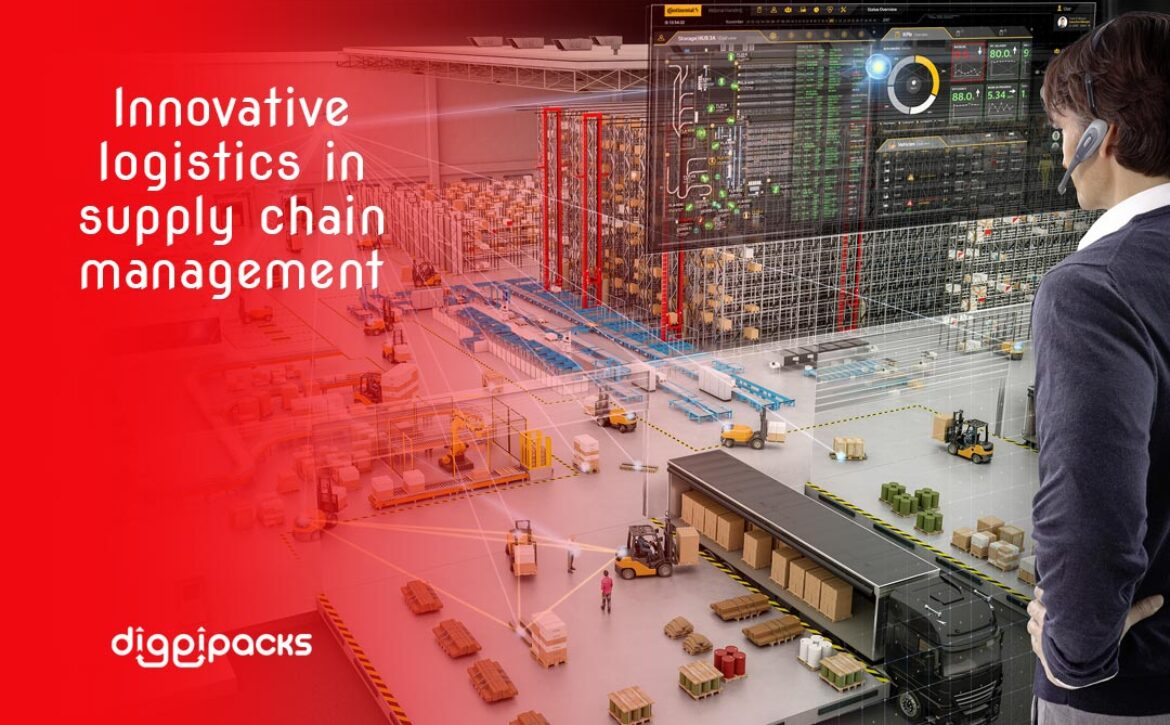
Innovative Logistics in Supply Chain Management

[et_pb_section fb_built=”1″ _builder_version=”4.16″ global_colors_info=”{}”][et_pb_row _builder_version=”4.16″ background_size=”initial” background_position=”top_left” background_repeat=”repeat” global_colors_info=”{}”][et_pb_column type=”4_4″ _builder_version=”4.16″ custom_padding=”|||” global_colors_info=”{}” custom_padding__hover=”|||”][et_pb_text _builder_version=”4.17.4″ background_size=”initial” background_position=”top_left” background_repeat=”repeat” hover_enabled=”0″ global_colors_info=”{}” header_2_text_color=”#E02B20″ header_2_font_size=”27px” header_3_text_color=”#E02B20″ header_3_font_size=”27px” sticky_enabled=”0″]

Innovative Logistics has played a major role in the growth of commerce, especially e-commerce, as it contributes effectively to helping different brands expand their businesses. So a lot of money is spent on this field, thus improving various logistics services, which positively affects business performance and growth of companies and industries. In this article, we’ll show you the most important details about Innovative Logistics, and how Diggipacks can help you bring the latest innovations to your business.

What is Innovative Logistics and transportation? 

Innovative Logistics is intended to use modern technology and innovations in logistics and fulfillment management, which helps in saving time as well as speeding up operations.

Innovative Logistics also contributes to reducing human error, which helps make warehouse and implementation processes better.

9 types of Innovative Logistics

Innovative Logistics

If you are in the trade or have a new business, you need to be up to date with the latest updates on logistics.

Which will help you speed up the delivery options as well as reduce costs. Here are the most important modern types of Innovative Logistics today:

1. Autonomous logistics and automation

Automation helps you save a lot of logistical costs, as well as significantly reduce human errors, by automating time-consuming tasks.

Autonomous logistics and automation is one of the most important Innovative Logistics, which contributes to the improvement of business and tasks significantly.

This saves time on your logistics team, so they can focus on how to improve workflow and complete other important tasks.

All of these things will help you in improving and speeding up warehouse operations and fulfillment as well, thus enhancing your business and giving you a better opportunity for growth.

2. AI and robotics in warehouses and beyond

AI and robotics have contributed greatly to the warehouse business, through the various technologies it provides, so it is one of the most important types of Innovative Logistics.

Which contributes to facilitating decision-making in warehouses using the data collected.

As well as identifying barcodes using modern devices, in addition to monitoring techniques that contribute to tracking products, their transportation process, and capturing them, moment by moment.

Warehouse robots can help in doing many important tasks such as:

  • Loading or unloading a pallet
  • Moving goods around the warehouse.
  • Make selections and picking.

3. Continuous connectivity and IoT

Constant communications as well as IoT technologies have greatly helped in the promotion of logistics and various industries.

 And for commerce, it has contributed to tracking every movement of goods within the warehouse, as well as the order and picking of items.

This makes it one of the most important Innovative Logistics, which has improved efficiency as well as speed in real-time data collection.

4. 5G and digital twins

5G-enabled digital twins play a large role in logistics, which contributes to real-time data provision and sharing.

Also 5G-enabled digital twins could enable retailers to apply sensors to all aspects of the supply chain.

5. SaaS models and digital platforms

Software as a service (SaaS) significantly impacts supply chain management by providing a suite of flexible, cloud-based software.

Which contributes to managing supply chain operations and analyzing the data in it.

So it is one of the best digital platforms and one of the most important types of Innovative Logistics.

6. Big data analytics

Any industry, regardless of its quality or objectives, needs to analyze and benefit from data, especially since data has become more massive and important than before.

With regard to supply chains, data greatly enhances the performance of supply chains, and data can also be used to enhance performance and productivity.

Big data analytics contribute to better management of SKUs, demand forecasting, and better decisions on how to improve operations.

This is one of the most important Innovative Logistics that can contribute to providing insights into SKU performance and stock days available.

It can also contribute to better allocating your inventory across different distribution centers, thus accelerating business.

7. Last-mile delivery with innovative options

Last mile delivery refers to the stage in which the carrier takes the order from the warehouse or distribution center and then transports it to the final destination directly.

Because of the high expectations of customers about the speed of delivery, the introduction of express delivery has become one of the most important things that any store owner, especially e-store owners, should consider.

The faster the delivery process, the higher the customer satisfaction with the services provided, so you need to enhance the express delivery process.

Innovative Logistics can help you improve shipping methods, using modern technologies to choose the best shipping companies.

8. Augmented reality

Which helps provide real-time and on-site visual guidance, which can help avoid errors and better optimize operations.

It is one of the most important Innovative Logistics that can be used in more than one way.

For warehouses, this innovation can be used to facilitate the identification of different items, as well as the selection of items in warehouses.

9. Blockchain and distributed supply chains

Blockchain represents one of the most important and prominent Innovative Logistics that has provided more transparency in the entire supply chain network.

It has also contributed to providing more security for brands that are expanding their distribution network.

With regard to e-commerce, it has facilitated data sharing and access, which has positively impacted and enhanced business.

How Diggipacks keeps your company up on the latest innovations

Innovative Logistics

Diggipacks can help you bring the latest in modern methods and technologies to your company and business, as well as smart automation solutions.

Which will provide you with complete control of operations continuously, as well as the possibility to easily expand your logistics operations, avoid errors and maintain the accuracy of your orders.

Especially since diggipacks is one of the companies specialized in providing smart shipping and delivery solutions, it also has warehouses through which it provides you with the best storage and distribution services.

In addition to logistical innovations, diggipacks provides you with all the space you need to store your products, using the latest technology that guarantees you the high quality of storage.

It also provides you with a smart client panel, which will enable you to follow your business and provide you with daily reports on performance and business.

[/et_pb_text][/et_pb_column][/et_pb_row][/et_pb_section]

Read More
admin يناير 11, 2026 0 Comments

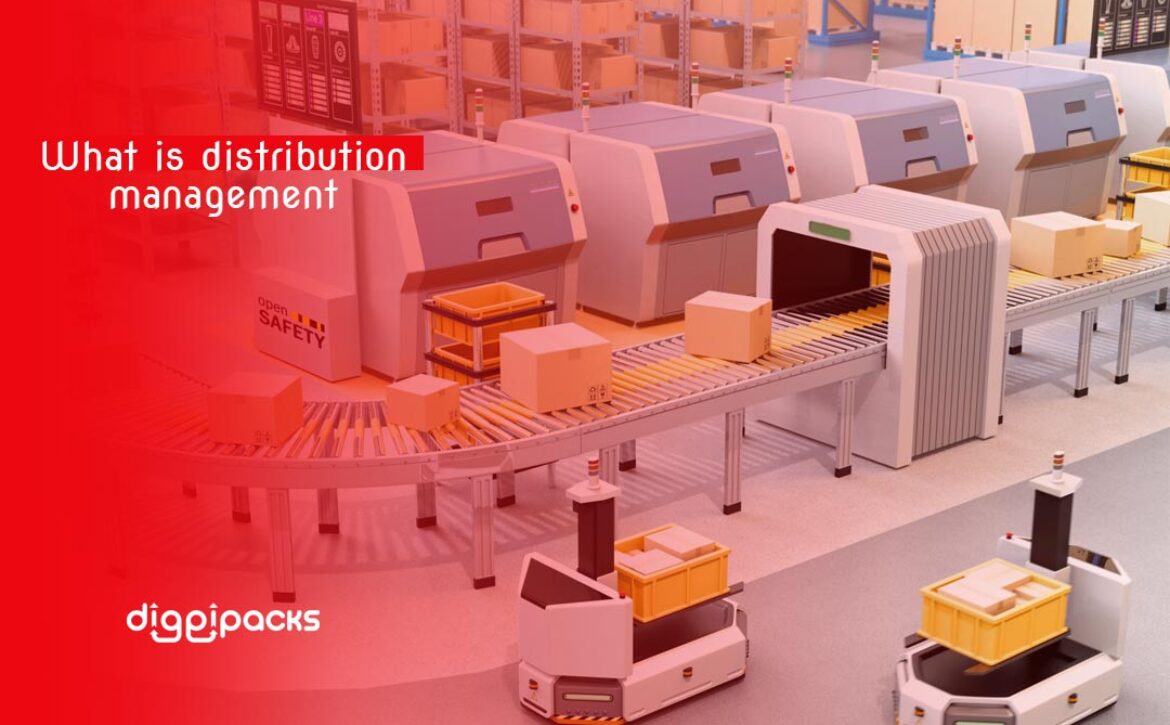
What Is Distribution Management and the difference between it and transportation?

[et_pb_section fb_built=”1″ _builder_version=”4.16″ global_colors_info=”{}”][et_pb_row _builder_version=”4.16″ background_size=”initial” background_position=”top_left” background_repeat=”repeat” global_colors_info=”{}”][et_pb_column type=”4_4″ _builder_version=”4.16″ custom_padding=”|||” global_colors_info=”{}” custom_padding__hover=”|||”][et_pb_text _builder_version=”4.17.4″ background_size=”initial” background_position=”top_left” background_repeat=”repeat” hover_enabled=”0″ global_colors_info=”{}” header_2_text_color=”#E02B20″ header_2_font_size=”27px” header_3_text_color=”#E02B20″ header_3_font_size=”27px” sticky_enabled=”0″]

Distribution management is one of the most important logistics operations, as it is one of the modern forms of management, and the interest in distribution management operations has increased due to the large size of companies. As well as the diversity of its products, the complexity of its activities, its functions and the breadth of its local and international markets.

This is in order to maximize the value of its products to customers, achieve profits and economic savings, and increase the ability to survive in large competitive markets. This contributes to achieving a high market share and thus increasing growth and giving companies a huge competitive advantage. In this article, we will show you all the details about distribution management, the difference between transportation and distribution, and the advantages of shipping logistics.

What Is Distribution Management?

It is the process concerned with managing the movement of goods from the empowering suppliers or manufacturers to the sales and distribution centers.

Or from manufacturer to wholesaler, or from wholesaler to retailer, or from retailer to end consumer through various distribution channels.

Advantages of a Distribution Management Strategy

Distribution Management

There are a lot of benefits that distribution management can bring, which makes it one of the essentials in the logistics industry.

Here are a number of points that illustrate the importance of using a distribution management strategy in business:

  • Increase the profits that the company can achieve.
  • Reduce spoilage and loss of inventory.
  • Reduce storage costs as a result of making delivery as needed.
  • Do not store products in large quantities in warehouses, only the quantity that the company needs.
  • Significantly reduce shipping charges.
  • Accelerate the delivery and delivery of products to customers.
  • Enhancing customer satisfaction as a result of the speed and accuracy of fulfilling their requests.
  • Providing a one-stop shop, thus enhancing the marketing process for buyers.

Difference between transportation and distribution

After we have learned what is meant by Distribution Management and the importance of using the appropriate strategy in Distribution Management.

We shall now turn to the distinction between transportation and distribution in general.

Many people confuse distribution and transportation, and in fact there is a big difference between the two terms.

Transportation means moving items from one place to another, and the distribution process is the system through which the different items are classified.

Then distributed in the places designated for them, so the distribution process is the most comprehensive meaning.

As it includes how the product arrives at its destination in good condition, as well as the handling of the items as required.

Moving is part of the distribution process, which involves simply moving items from one destination to another.

Also, the transportation process does not include developing any strategies for how to move products through the various distribution channels.

As the distribution process takes over this task. Thus, we differentiated between the two terms, as well as our understanding of what distribution management is.

 We can summarize the difference between transportation and distribution in the following points:

  • Transportation focuses only on taking the items from their original place and giving them to the final recipient.
  • Distribution is the systematic process of capturing and classifying items based on their destination location, including packaging, warehousing, order fulfillment, and customer interactions.

What is freight transportation?

The process of freight transportation means moving it from one destination to another for a fee, and the transportation process can be by land, air or sea.

That is, freight transportation is a paid process by which a suitable means of transportation is used to move the goods from their original place to the end user.

Advantages of Freight transportation

Distribution Management

Freight transportation offers many advantages, which can be combined with the advantages of distribution management to achieve the best business benefit.

As well as enhance customer satisfaction, The following are the main advantages of Freight transportation:

1. Reduce the risk and damage to the goods

The Freight transportation process, using appropriate means of transportation, allows you to keep the transported products, and thus reach their final destination without any risk or damage.

2. Providing door-to-door services

The Freight transportation process allows the products to be easily delivered to the end customer at his doorstep.

Which saves him time and effort in receiving them from the original location.

This feature is especially useful for those who own an online store, as it will help them send products and fulfill customer orders anytime and anywhere.

3. Reduce transportation costs

Freight transportation can help you reduce your shipping costs by working with a specialized company, such as Diggipacks.

Which will provide you with all the logistics, shipping and delivery services in the best ways, relying on experts specialized in the shipping process.

4. Provide fast delivery services

Freight transportation provides you with the ability to quickly ship customer orders, ensuring that the products or items ordered arrive without delays.

It also depends on the shipping company you will use to transport the products. Diggipacks can provide you with the fastest shipping and delivery at the lowest prices.

Diggipacks can help you provide the best in shipping and delivery with modern technology, as well as help you in Distribution Management.

Thus, making the most of the advantages of distribution management, as well as providing modern and appropriate transportation methods for the transported items at the lowest possible cost.

So if you are looking for the best logistics service providers to help you in Distribution Management, freight forwarding and delivery then Diggipacks is your perfect choice.

[/et_pb_text][/et_pb_column][/et_pb_row][/et_pb_section]

Read More
admin يناير 11, 2026 0 Comments

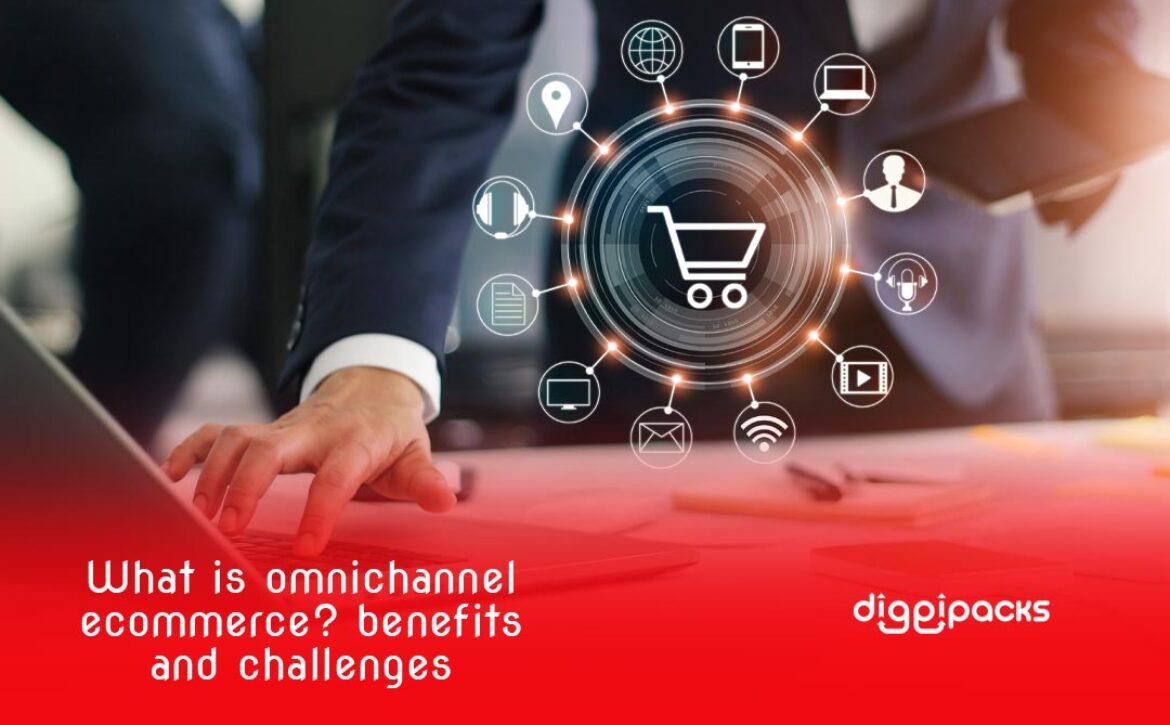
What is Omnichannel eCommerce? Benefits & challenges

[et_pb_section fb_built=”1″ _builder_version=”4.16″ global_colors_info=”{}”][et_pb_row _builder_version=”4.16″ background_size=”initial” background_position=”top_left” background_repeat=”repeat” global_colors_info=”{}”][et_pb_column type=”4_4″ _builder_version=”4.16″ custom_padding=”|||” global_colors_info=”{}” custom_padding__hover=”|||”][et_pb_text _builder_version=”4.17.4″ header_2_text_color=”#E02B20″ header_2_font_size=”27px” header_3_text_color=”#E02B20″ header_3_font_size=”27px” background_size=”initial” background_position=”top_left” background_repeat=”repeat” hover_enabled=”0″ global_colors_info=”{}” sticky_enabled=”0″]

Omnichannel eCommerce is one of the most used terms in the world of e-commerce and marketing. This is because it focuses specifically on customers, ensuring that they have a unique and seamless user experience. So it is the most appropriate way to achieve more sales by providing a pleasant and satisfying buying experience to the customer, no matter what method of shopping the customers use. Omnichannel eCommerce also enhances the customer’s ability to reach you and do whatever the customer wants through all available means, and in this article we will provide you with all the details about Omnichannel. We will also discuss its benefits and the most important challenges, and why it is so important in the world of e-commerce at the present time.

What is omnichannel eCommerce?

It is the way in which the customer is focused in particular, through a number of integrated strategies and tools.

Which will ultimately result in providing a seamless approach to customer experience on all available shopping channels.

Thus achieving more sales by providing a satisfying buying experience to customers.

And Omnichannel eCommerce is the logical evolution of multi-channel retail, which helps enhance customers’ ability to reach you.

This is done through the various means that Omnichannel eCommerce can make available to customers, thus providing a more seamless and integrated user experience.

get to know : Innovative Logistics in Supply Chain Management

Why is omnichannel eCommerce important?

Omnichannel eCommerce

The inclusion of omnichannel eCommerce into mechanics and strategies is very important today, as it is a customer-centric approach that improves their shopping experience.

So there is a huge role for omnichannel eCommerce today, especially with the increasing number of online shopping and customer demands and expectations.

It will also help you in increasing the productivity of your store by doubling the sales and thus increasing the total revenue margin.

Improving customer experience by providing them with a satisfactory user experience, as well as expanding customers significantly as a result of the unique experience that you will provide while shopping.

Also, omnichannel eCommerce will effectively help you to increase your market share among other competitors.

get to know: What Is Distribution Management and the difference between it and transportation?

The benefits of omnichannel eCommerce

Now that we’ve learned the importance of omnichannel eCommerce, we’ll now go over the benefits it offers, and in fact, this approach offers a lot of benefits for your business. Here are the main benefits of omnichannel that you can reap:

1. Increase the efficiency of your store

This is because omnichannel will provide you with an integrated system that integrates all your existing platforms. Thus providing you with databases related to customers, products and prices.

This will inevitably achieve higher efficiency in all matters related to your e-commerce.

And at the same time will make the customer’s purchasing experience harmonious on all platforms.

2. Collect more information about your customers

When you provide a presence on all possible platforms for a customer, you will have the ability to listen to your customer more and thus learn more about them and what they expect from you.

The more you know your customer, the more you will succeed in providing him with the service he needs.

And allocating offers and discounts to him to a greater degree will achieve better results for you in the volume of sales.

Thus, omnichannel eCommerce greatly affects customer satisfaction with your store and the services you provide.

diggitrack

3. Provide a unique user experience to your customers

Each client prefers a different means of communication, and therefore the different means of communication are harmonious and achieve what any client wants easily and without any problems, this is definitely an excellent thing.

This is what omnichannel eCommerce provides to you, which will make your customers satisfied with the level of service provided.

It will also give them the feeling that you are a professional merchant who knows how to run your business, and this in the end makes him happy to deal with you, and make sure that your online store is distinguished from many competitors.

4. Increase your store visits and sales

Although the omnichannel eCommerce system takes a lot of time and effort, it will eventually come to you with a clear financial return.

As you will notice its effective fruits in increasing your store visits and sales, compared to the amount of investment in it.

The challenges of omnichannel eCommerce

Omnichannel eCommerce

Despite the huge benefits that omnichannel eCommerce provides, and its great role in improving customer expectations, there are many challenges standing in its way.

Here are a number of points that illustrate the main challenges facing omnichannel:

  • Difficulty in tracking inventory and its status, especially during holidays and seasons, and this can be faced through the use of an accurate warehouse management system (WMS).
  • The existence of fragmented supply chain processes, which can affect customer satisfaction for large companies. To counter this, large companies need to use different tactics to ensure their supply chain runs smoothly.
  • There are shipping delays due to unreliable order fulfillments, and to meet this challenge appropriate technology must be used to help predict future delays in shipments.
  • Finding the most effective and efficient transportation solution that ensures that customers remain happy without increasing the costs of the products purchased, this can be countered by the appropriate shipping method for the customer’s case.
  • Problems with returns and reverse logistics, and this challenge can be addressed by implementing a sound reverse logistics infrastructure.

[/et_pb_text][/et_pb_column][/et_pb_row][/et_pb_section]

Read More
admin يناير 11, 2026 0 Comments

What Is Inventory Tracking? Methods, Benefits and All you need to know

[et_pb_section fb_built=”1″ _builder_version=”4.16″ global_colors_info=”{}”][et_pb_row _builder_version=”4.16″ background_size=”initial” background_position=”top_left” background_repeat=”repeat” global_colors_info=”{}”][et_pb_column type=”4_4″ _builder_version=”4.16″ custom_padding=”|||” global_colors_info=”{}” custom_padding__hover=”|||”][et_pb_text _builder_version=”4.17.4″ background_size=”initial” background_position=”top_left” background_repeat=”repeat” hover_enabled=”0″ global_colors_info=”{}” sticky_enabled=”0″ header_2_text_color=”#E02B20″ header_2_font_size=”27px” header_3_text_color=”#E02B20″ header_3_font_size=”27px” header_4_text_color=”#E02B20″ header_4_font_size=”27px”]

Inventory tracking is a form of inventory management that is considered one of the most important things that can affect the efficiency of the operation of any business. Especially since inventory is one of the most important assets owned by the facility, and therefore attention must be paid to keeping track of inventory well, through the various methods and tools available. With the development of technology and the massive digital age nowadays, there are many ways in which inventory can be monitored. In this article, we will show you what inventory tracking is, its role in the process of managing inventory types, and its critical importance in saving the time and effort that other traditional methods take.

What is inventory tracking?

Inventory tracking is a form of inventory management through which inventory in warehouses is monitored, as well as shortages and increases in the number of products.

Thus, ensuring the proper preservation of storage quantities and maintaining the quality of products until they reach the consumer.

Also, in stock tracking, all processes related to the receipt and delivery of goods, and storage levels are tracked according to the type of stock.

In addition to tracking and controlling incoming and outgoing according to documents and invoices.

And all of these things facilitate the process of managing inventory in general, as well as facilitating the tracking of all daily procedures.

As well as its role in the possibility of reviewing the operations that took place on the stock from selling, supplying or receiving new quantities in the past.

diggipacks fulfillment company offers you stock tracking service

What is the importance of tracking inventory?

Inventory Tracking

It is of great importance to keep track of inventory in warehouses, which ensures that the various items and products in them are of a consistent level with the production plans and customer needs that have been predicted.

Which helps to make the policy of requesting goods as close as possible to effectiveness, as well as reducing the frozen capital in the stored goods to the lowest possible level.

Effective inventory tracking also helps in ensuring the availability of goods and merchandise in the required quantities and at the correct place and time.

Which reduces the financial risks resulting from the increase in inventory, especially in the case of financial fluctuations, global crises and successive technological developments in modern products.

Therefore, inventory tracking operations through various techniques aim to keep the inventory volume at a planned level that allows achieving the highest economic benefit for the organization.

What is the best way to keep track of inventory?

The best way in Inventory Tracking and keeping track of inventory is using modern inventory management systems and tools, which help in getting real-time alerts about your inventory.

It will also help you in automating boring inventory processes, through many smart tools such as the use of barcodes and QR codes.

Inventory management systems provide all the information you need to keep track of your inventory, eliminating any paperwork.

As well as helping you store data related to your inventory in one place, which facilitates the process of inventory management and saves time and effort.

And diggipacks can provide you with the best inventory management systems at the best prices and modern technologies that help you keep track of your inventory and better manage your business.

get to know : What Is Distribution Management and the difference between it and transportation?

How do you automate inventory tracking?

You can easily automate your inventory tracking through the use of digital tools and inventory management systems, which will help you take care of the process of keeping track of your inventory in the best way.

And you can count on the third-way logistics company to provide you with the best systems that help you automate and better track your inventory.

Especially since these companies will also assist you in handling inventory orders, packing and shipping to customers, and will give you detailed inventory reports in real time.

This helps you maintain accurate stock levels, as well as avoid shortages or overstocks.

get to know : What is Omnichannel eCommerce? Benefits & challenges
nventory

There are a lot of effective practices that you can rely on in keeping track of your inventory, which will positively impact your business and your revenue. The following are the most important of those practices:

1. Classify your products correctly

The first thing that will help you greatly in keeping track of your inventory is to properly classify your products, so that the product is placed in the appropriate shelf.

Thus, appropriate labeling on each product, which will help you better connect your products together and manage inventory effectively.

2. Organize your inventory on demand

Inventory Tracking

After you have collected the complete information about your inventory, you will now need to organize it properly, making it easier for you to keep track of the inventory.

The best practice you can use in the organizing process is to organize your inventory based on demand, for example:

  • Put the most demanded products on the front shelves of the warehouse.

Which helps you to improve efficiency in organizing your products in the warehouse, according to the amount of demand for them or their season. This is reflected positively on Inventory Tracking.

3. Automate the inventory tracking process

Manual processes in warehouses can be time consuming in handling inventory, and human errors will be at their highest.

But one of the best practices is to automate your inventory tracking process, which will allow you to perform accurate inventories and thus provide better visibility into your products.

4. Use of inventory management technology

Incorporating inventory management technology into your operations will make your work much easier as well as provide better overall inventory tracking and management.

So invest in using these technologies as appropriate for your business, and be sure to choose systems that can benefit your business and make it run more smoothly.

If the technology you are using is not compatible with the nature of your business, you will incur a lot of expenses, and you will also have an unreliable system for tracking inventory.

[/et_pb_text][/et_pb_column][/et_pb_row][/et_pb_section]

Read More
admin يناير 11, 2026 0 Comments