ديجيباكس تغيّرت… وأصبحت Fastcoo Network by Diggipacks — اكتشف النموذج الجديد 🚀 التفاصيل ←

Category: Uncategorized

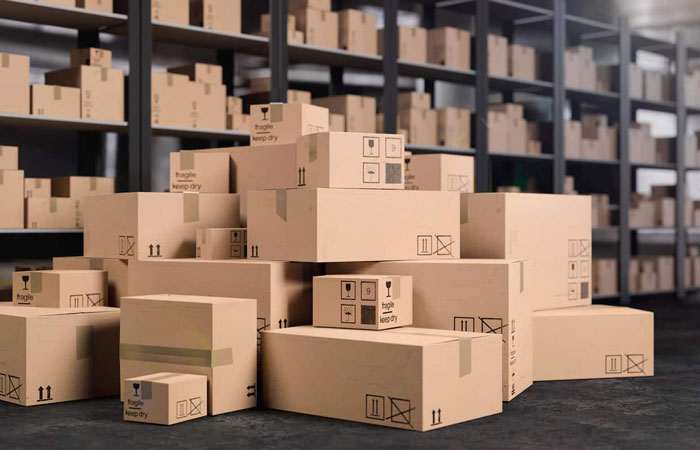
What is dunnage, the 9 Types, and Why It’s Important?

This material may be hard plastic, bubble wrap, cork granules, sawdust, and other types. In general, the more fragile the goods being shipped, the quality and quantity of this material used to protect the shipment.

Why do shippers use dunnage?

Shippers use dunnage to keep the goods safe during the shipping process. This material helps prevent damage to charged items during loading and unloading operations.

Especially since this material is able to withstand approximately three pounds per square inch of pressure as a limit.

In addition, this material comes with built-in inflation systems and is recyclable. Therefore, it is one of the useful and environmentally friendly materials at the same time compared to other filling materials.

What makes shippers reliant on this material is its effectiveness in protecting the shipment from physical damage as well as moisture and pollution.

All of this allows improving relations between the company and its customers, as their shipments arrive without any problems.

Which enhances the company’s relationship with its customers and increases its reputation in the market and among customers themselves.

This gives it a competitive advantage and greater ability to expand.

The 9 types of dunnage

Goods protection materials are diverse in terms of their nature and composition, and the following are the most important types used:

1. Solid plastics

It is a high-strength plastic that is used to protect high-value goods from damage during the shipping process, knowing that it is one of the expensive dunnage materials.

2. Bubble wrap

This material is used to wrap and protect glass or other materials that may be subject to breakage.

Its use is also very common, as this material can be used more than once as long as the bubbles in it are intact and not damaged.

3. Wood

Wood plans are materials to create barriers between heavy and strong equipment and materials to prevent them from sliding and moving.

4. Air pillows

This method is used to fill voids inside shipping packages and prevent them from sliding and moving, thus protecting them from damage that may occur during shipping operations.

5. Kraft paper

It is a good material for wrapping and protecting goods from damage. It is also inexpensive, environmentally friendly, can be recycled and is commonly used.

6. Foam

One of the most popular materials used in packaging sensitive devices such as electronics, medical equipment and fragile artifacts.

7. Steel

This metal is used as protection for expensive packages, and steel is ideal for holding heavy packages. This is so as not to damage the lighter weight packages.

8. Corrugated paper

It consists of a corrugated layer of cardboard surrounded by two rigid layers, which provides protection for the parcels during transport and handling.

Therefore, it is a popular dunnage material that helps protect against moisture and is a sustainable and environmentally friendly packaging option.

9. Custom dunnage solutions

When none of the above materials fit a package due to its uncommon or multi-piece design, a custom dunnage is designed.

In which a mixture of materials is used that guarantees the safety of the product.

The importance of dunnage

These materials are considered essential to the success of shipping operations because of their benefits in maintaining the integrity of packages and protecting them from damage.

Here are a number of points explaining the importance of dunnage materials:

1. Shock Reduction

This helps preserve cargo during the shipping process from potential vibrations and shocks during transportation, handling and unloading.

This ensures the safety of parcels and prevents shipments from being damaged.

2. Protect items from water

In the case of shipping parcels by sea, a kind of protective material is placed on the floors of the ships to keep the shipments away from the water and thus protect them from damage caused by the water.

3. Protect items from moisture

Moisture is one of the biggest factors that cause shipment damage, so shipping companies seek to wrap parcels and goods with materials that absorb moisture such as paper and cardboard and prevent damage to them.

4. Fill in the blanks

These materials help keep packages firmly in place, such as using battens or airbags. It protects cargo from movement during transportation and thus maintains its integrity.

5. Reduce costs during the shipping process

By knowing the nature of each product and the protection materials surrounding it, the work team can transport and deliver it safely to the customer.

This reduces the chances of returns or damaged goods, all of which speed up and improve shipments as well.

6. Evenly distribute the weight

This is in the case of transporting large parcels, such as home furniture. These materials help keep the elements in balance during the shipping process.
Read More
admin January 11, 2026 0 Comments

How to Manage Ecommerce Inventory Backlog and How Diggipacks Contributes to the Solutions

How to Manage Ecommerce Inventory Backlog and How Diggipacks Contributes to the Solutions

In the fast-paced world of ecommerce, managing inventory backlog can present significant challenges for companies. An inventory backlog can lead to increased costs, reduced operational efficiency, and negatively impact customer experience. Therefore, implementing effective strategies to manage inventory and ensure a smooth flow of products is crucial. In this article, we will explore the best practices for managing ecommerce inventory backlog and how Diggipacks offers innovative solutions to help businesses overcome these challenges.


First: Understanding the Causes of Inventory Backlog

Before implementing strategies to address inventory backlog, it’s essential to understand the causes behind it, including:

  1. Inaccurate Demand Forecasting: Failing to predict future demand accurately can lead to over-purchasing of products.
  2. Inefficient Inventory Management: Lack of appropriate systems and technologies to manage and track inventory accurately.
  3. Supply Chain Issues: Delays or disruptions in the supply chain can lead to product accumulation.
  4. Over-Variety of Products: Offering an overly broad range of products without carefully analyzing each product’s performance.
  5. Insufficient Marketing: Lack of effective marketing strategies to quickly move products.

Second: Effective Strategies for Managing Inventory Backlog

1. Improve Demand Forecast Accuracy
  • Analyze Historical Data: Use past sales data to predict future trends.
  • Consider Seasonal Factors: Adjust demand forecasts based on seasons and special events.
  • Leverage AI Technologies: Apply machine learning algorithms to improve forecast accuracy.
2. Implement Advanced Inventory Management Systems
  • Real-Time Tracking: Use systems that allow continuous monitoring and automatic updates of inventory levels.
  • Inventory Alerts: Set up alerts to notify you when inventory reaches critical levels, whether too high or too low.
  • Platform Integration: Ensure the inventory management system integrates with sales and marketing platforms to ensure seamless information flow.
3. Execute Effective Promotional Strategies
  • Discounts and Offers: Provide discounts to attract customers and move excess inventory.
  • Targeted Marketing Campaigns: Use digital marketing to reach the right audience and boost sales.
  • Enhance Customer Experience: Ensure a superior shopping experience to encourage repeat purchases.
4. Optimize Supply Chain Efficiency
  • Close Collaboration with Suppliers: Build strong relationships with suppliers to ensure flexibility and quick responses to demand changes.
  • Diversify Suppliers: Avoid relying on a single supplier to reduce disruption risks.
  • Improve Storage and Transport Operations: Apply best practices to ensure a smooth and efficient flow of products.
5. Review and Diversify Product Portfolio
  • Analyze Product Performance: Evaluate the sales and profitability of each product to make informed decisions about whether to keep or eliminate it.
  • Focus on Best-Selling Products: Allocate resources and efforts to products that generate the most sales.
  • Carefully Test New Products: Test new products in small quantities before expanding.

Third: How Diggipacks Provides Integrated Inventory Management Solutions

Diggipacks offers a range of innovative solutions and technologies that help ecommerce businesses efficiently manage their inventory and reduce the risk of backlog, including:

1. Advanced Inventory Management Systems
  • Real-Time Inventory Tracking: Diggipacks enables customers to monitor inventory levels in real-time, helping in making quick and accurate decisions.
  • Comprehensive Reports and Analytics: Diggipacks platforms provide detailed reports on inventory movement, helping in better demand forecasting and future planning.
  • Smart Alerts: An alert system that notifies you of critical inventory levels, whether they need restocking or quick clearance.
2. Flexible and Efficient Storage Solutions
  • Warehouses Equipped with the Latest Technologies: Diggipacks manages modern storage centers equipped to store various types of products safely and systematically.
  • On-Demand Storage Services: Offers flexible storage options that allow companies to adapt their storage spaces according to their changing needs.
  • Efficient Space Management: Utilizing modern technologies to ensure optimal use of storage spaces and minimize waste.
3. Seamless Integration with Ecommerce Platforms
  • Direct Integration with Sales Platforms: Diggipacks allows integration with platforms like Shopify and WooCommerce, ensuring automatic updates of inventory and sales data.
  • Unified Operations: Integration helps unify order and delivery operations, reducing errors and increasing efficiency.
4. Fast and Reliable Delivery Services
  • Extensive Delivery Network: Diggipacks has a delivery network covering wide areas, ensuring fast delivery to customers.
  • Shipment Tracking: Ability to track shipments at every stage, enhancing customer trust and improving their experience.
  • Customized Services: Offering a variety of delivery options to meet different customer needs.
5. Specialized Consulting and Support Services
  • Experts in Logistics Management: Diggipacks provides a team of experts to offer customized consulting and solutions for each client based on their specific needs.
  • Continuous Technical Support: Providing technical support around the clock to ensure smooth operations and quickly resolve any issues that may arise.

Conclusion

Managing inventory backlog in ecommerce is essential to ensure business success and continuity. By adopting the right strategies and leveraging advanced technical solutions offered by companies like Diggipacks, businesses can improve operational efficiency, reduce costs, and enhance customer satisfaction. Investing in effective inventory management systems and strategic partnerships with reliable logistics providers will significantly contribute to growth and sustainability in the competitive ecommerce market.

Read More
admin January 11, 2026 0 Comments

How to Manage Ecommerce Inventory Backlog and How Diggipacks Contributes to the Solutions

In the fast-paced world of ecommerce, managing inventory backlog can present significant challenges for companies. An inventory backlog can lead to increased costs, reduced operational efficiency, and negatively impact customer experience. Therefore, implementing effective strategies to manage inventory and ensure a smooth flow of products is crucial. In this article, we will explore the best practices for managing ecommerce inventory backlog and how Diggipacks offers innovative solutions to help businesses overcome these challenges.


First: Understanding the Causes of Inventory Backlog

Before implementing strategies to address inventory backlog, it’s essential to understand the causes behind it, including:

  1. Inaccurate Demand Forecasting: Failing to predict future demand accurately can lead to over-purchasing of products.
  2. Inefficient Inventory Management: Lack of appropriate systems and technologies to manage and track inventory accurately.
  3. Supply Chain Issues: Delays or disruptions in the supply chain can lead to product accumulation.
  4. Over-Variety of Products: Offering an overly broad range of products without carefully analyzing each product’s performance.
  5. Insufficient Marketing: Lack of effective marketing strategies to quickly move products.

Second: Effective Strategies for Managing Inventory Backlog

1. Improve Demand Forecast Accuracy
  • Analyze Historical Data: Use past sales data to predict future trends.
  • Consider Seasonal Factors: Adjust demand forecasts based on seasons and special events.
  • Leverage AI Technologies: Apply machine learning algorithms to improve forecast accuracy.
2. Implement Advanced Inventory Management Systems
  • Real-Time Tracking: Use systems that allow continuous monitoring and automatic updates of inventory levels.
  • Inventory Alerts: Set up alerts to notify you when inventory reaches critical levels, whether too high or too low.
  • Platform Integration: Ensure the inventory management system integrates with sales and marketing platforms to ensure seamless information flow.
3. Execute Effective Promotional Strategies
  • Discounts and Offers: Provide discounts to attract customers and move excess inventory.
  • Targeted Marketing Campaigns: Use digital marketing to reach the right audience and boost sales.
  • Enhance Customer Experience: Ensure a superior shopping experience to encourage repeat purchases.
4. Optimize Supply Chain Efficiency
  • Close Collaboration with Suppliers: Build strong relationships with suppliers to ensure flexibility and quick responses to demand changes.
  • Diversify Suppliers: Avoid relying on a single supplier to reduce disruption risks.
  • Improve Storage and Transport Operations: Apply best practices to ensure a smooth and efficient flow of products.
5. Review and Diversify Product Portfolio
  • Analyze Product Performance: Evaluate the sales and profitability of each product to make informed decisions about whether to keep or eliminate it.
  • Focus on Best-Selling Products: Allocate resources and efforts to products that generate the most sales.
  • Carefully Test New Products: Test new products in small quantities before expanding.

Third: How Diggipacks Provides Integrated Inventory Management Solutions

Diggipacks offers a range of innovative solutions and technologies that help ecommerce businesses efficiently manage their inventory and reduce the risk of backlog, including:

1. Advanced Inventory Management Systems
  • Real-Time Inventory Tracking: Diggipacks enables customers to monitor inventory levels in real-time, helping in making quick and accurate decisions.
  • Comprehensive Reports and Analytics: Diggipacks platforms provide detailed reports on inventory movement, helping in better demand forecasting and future planning.
  • Smart Alerts: An alert system that notifies you of critical inventory levels, whether they need restocking or quick clearance.
2. Flexible and Efficient Storage Solutions
  • Warehouses Equipped with the Latest Technologies: Diggipacks manages modern storage centers equipped to store various types of products safely and systematically.
  • On-Demand Storage Services: Offers flexible storage options that allow companies to adapt their storage spaces according to their changing needs.
  • Efficient Space Management: Utilizing modern technologies to ensure optimal use of storage spaces and minimize waste.
3. Seamless Integration with Ecommerce Platforms
  • Direct Integration with Sales Platforms: Diggipacks allows integration with platforms like Shopify and WooCommerce, ensuring automatic updates of inventory and sales data.
  • Unified Operations: Integration helps unify order and delivery operations, reducing errors and increasing efficiency.
4. Fast and Reliable Delivery Services
  • Extensive Delivery Network: Diggipacks has a delivery network covering wide areas, ensuring fast delivery to customers.
  • Shipment Tracking: Ability to track shipments at every stage, enhancing customer trust and improving their experience.
  • Customized Services: Offering a variety of delivery options to meet different customer needs.
5. Specialized Consulting and Support Services
  • Experts in Logistics Management: Diggipacks provides a team of experts to offer customized consulting and solutions for each client based on their specific needs.
  • Continuous Technical Support: Providing technical support around the clock to ensure smooth operations and quickly resolve any issues that may arise.

Managing inventory backlog in ecommerce is essential to ensure business success and continuity. By adopting the right strategies and leveraging advanced technical solutions offered by companies like Diggipacks, businesses can improve operational efficiency, reduce costs, and enhance customer satisfaction. Investing in effective inventory management systems and strategic partnerships with reliable logistics providers will significantly contribute to growth and sustainability in the competitive ecommerce market.

Read More
admin September 2, 2024 0 Comments

How does digitalization in logistics impact the industry?

The logistics sector is one of the industries in which the digital revolution is intense, as digitalization in logistics is happening faster than expected, and many companies are seeking to introduce digitalization in logistics, which will help in business success more effectively and enhance competitiveness and stay in the market. In this article, we will discuss the impact of digitalization in logistics and how digitalization enhances supply chains and the provision of logistics services, and we will also learn about what digitalization in logistics is.

What is digitalization in logistics?

Thanks to the rapid and massive technological development that has been increased by the Covid-19 pandemic during the past year, logistics services are closer than ever to benefiting from the benefits of digital transformation

Digitalization in logistics is the process in which new technologies are applied in logistics operations in order to improve the company’s efficiency.

Thus, the integration of digital capabilities in the areas of storage and preparation of orders, as well as transportation and other logistics services.

Technology enabling digitalization in the warehouse


Technology has effectively enabled digitization in warehouses, which has helped improve warehouse operations and workflows.

One form of technology that effectively contributes to enabling digitization in warehouses is the Internet of Things, automation systems and robotics.

Companies can shift towards digital warehouses simply by outsourcing 3PL which provides the best digital logistics services and most importantly digital warehousing.

4 Steps to Digitizing Your Logistics Execution

Logistics service providers are adopting digitalization in the provision of their services, due to the effect of technology in global supply chains.

And there are a number of steps that will help you in implementing digitization in logistics.

The following are the most important steps that your company needs to be able to carry out digitalization in logistics:

1. Understand and accurately identify the challenges facing your company’s operations

Identifying and understanding the challenges in your operations will help you easily enter digitalization in logistics, which will contribute to reducing waste and increasing efficiency.

This is in addition to increasing the speed of work and reducing costs, as recent experiences have proven that companies that integrate digitization in their operations contribute to improving their service levels and reducing their costs.

2. Determine precisely where you want to go with digital transformation

That is, think about your future and what you want to achieve with digitalization in logistics, which will help you determine your ideal future situation.

This enables you to view the latest ideas about digital transformation, as well as learn the most important principles you need in applying digitalization in logistics.

3. Create a list of features you need as part of your digital transformation of operations

After you get to know the problems you encounter while performing digitalization in logistics, you will then need to look for appropriate solutions to those problems.

You can do this by reviewing your strategy as well as the type of technology you need to implement digitalization in logistics.

And do not forget to keep in mind the advantages that the use of modern technologies in your work can bring to you,

Which will provide you with a lot of predictive analytics that will enhance your business in the future.

4. Choose Logistics Execution Technology Vendors who can meet your need

You will need to look for the best Logistics Execution Technology Vendors who can provide you with complete Logistics Execution solutions, and partner with them.

So that their technology integrates with other hardware and software in the least time as well as an appropriate cost for your business and its size, which reflects positively on your business.

Digital transformation in transportation and logistics


Companies are using digital transformation in transportation and other logistics services, due to its great benefits and its positive impact on various operations.

The digital transformation of transportation and other logistics services has helped companies improve their operations and increase their productivity significantly.

This is in addition to its great role in meeting customer expectations and better decision-making, by relying on modern applications and technology that facilitated a lot of business.

How Digitization is Transforming Logistics Services

Digitization is working remarkably and effectively in transforming logistics services and making them more efficient, as digitization, with its modern technologies, contributes to reducing costs and increasing product availability.

It also enhances logistics services, which leads to an increase in available markets and trade opportunities.

Whereas, the introduction of digitalization in logistics makes supply chain management completely different,

As advanced robotics and artificial intelligence (AI) have greatly advanced the provision of logistics services.

As a result, supply chains have become more sophisticated, fluid and profitable, and digitization has also helped to automate monotonous warehousing and manufacturing tasks.

Therefore, the impact of digitalization in logistics is significant and contributes to enhancing the flexibility of supply chains as well as allowing quick access to data and information.

Read More
admin April 20, 2023 0 Comments

What is Inventory Replenishment and Why Does it ‎Matter? ‎

The most important thing that sellers strive for is to meet customers’ demands in the best possible way, and this is possible through having an appropriate amount of inventory and managing it well. The inventory replenishment process affects ensuring that the right amount of inventory is available at the right time, which helps maintain a company’s cash flow.

It also contributes to reducing costs and maintaining customer satisfaction. In addition, inventory replenishment can clearly affect the profits and revenues that the company achieves, with the possibility of doubling them. In this article, we will talk in detail about inventory replenishment and its importance.

What is inventory replenishment?

Inventory replenishment is one thing that helps companies reorder different items of inventory in such a way that customer demands are met.

This is without stock build-up while ensuring that the right amount of stock is available at the time, thus reducing costs related to stock mismanagement.

Why is inventory replenishment so important?


The reason inventory replenishment is so important is that it helps businesses have the right amounts of inventory on hand.

Thus ensuring that customer demands are met while reducing expenses associated with stock build-up or out-of-stock, thus increasing the company’s profitability. Here are the most important points that illustrate the importance of inventory replenishment:

1. Avoid out of stock

Using an appropriate inventory replenishment strategy helps to avoid sudden stock-outs and delays in fulfilling customer orders.

2. Reduce shipping costs

This is because these strategies contribute significantly to controlling shipping costs, by ensuring that orders reach customers in a timely manner.

Thus, avoiding delays in orders caused by the lack of appropriate quantities of stock, which saves on additional expenses for shipping.

3. Avoid overstocking

As these strategies contribute to helping companies avoid maintaining large quantities of inventory.

But rather providing the appropriate quantities of it according to the volume of customer orders.

This helps reduce additional expenses related to inventory deterioration, as well as savings on space holding costs and capital restrictions.

4. Improve customer satisfaction

Inventory replenishment greatly improves customer satisfaction, because companies are able to meet customer orders faster.

Thus avoiding customer frustration due to late orders, which helps in maximizing profits and saving costs significantly.

Inventory replenishment methods and strategies

Inventory replenishment methods and strategies

There are several inventory replenishment methods and strategies that companies can choose from.

Which help them determine the best time to reorder inventory items and check for the right quantity.

Here are some of the most important methods and strategies available:

1. Top-off method

It is one of the most popular strategies among distributors and retailers, especially those with fast-moving inventory items.

This method replenishes shelf selection during slowdowns, helping to provide adequate inventory of fast-selling items.

2. On-demand method

Another common inventory replenishment method and strategy is the way in which items are ordered that meet current demands.

With the provision of appropriate safety stocks, it ensures that stocks are avoided as a result of fluctuations in demand.

3. Periodic stock replenishment method

It is one of the ways in which inventory levels are reviewed at specified intervals, and then determined if certain items need to be replenished.

4. Reorder point method

One of the most important methods and strategies used in inventory replenishment is the reorder point.

Through which a new quantity of stock is requested before it falls below the level of safety stock, thus helping the company to avoid out-of-stock situations.

There is a mathematical formula that can be used to find the appropriate reorder point, and the following is that formula:

  • Reorder point = [lead time * average daily usage] + safety stock

Choosing the right inventory replenishment strategy


You need to choose the right inventory replenishment strategy that helps you always have the right amount of stock in stock.

Thus avoiding stock buildup or sudden stock outs, so it is not possible to determine the best strategy or method to rely on.

But it depends on the nature of your activity and work itself. LOGSTIAT can help you determine the right amount of inventory you need and provide the best inventory tracking and control systems.

So if you encounter a problem in managing inventory or meeting customer orders in a timely manner, never hesitate to contact the LOGSTIAT team to provide the best smart solutions suitable for your business.

Read More
admin April 20, 2023 0 Comments

Cobots in Warehousing: What They Are and Their Impact on Ecommerce Fulfillment

Cobots in Warehousing are very important in the supply chain, as they can help handle many logistics operations at the same time. This contributes to enhancing the efficiency of the supply chain, as well as significantly reducing human errors. This is because Cobots generally help them handle warehousing operations faster and more efficiently, which clearly improves warehouse operations. In this article, we will show you all the details about Cobots in Warehousing, as well as tell you about their most important advantages and benefits in warehouses.

What are cobots? What’s their role in the warehouse?

Cobots in general is an acronym for collaborative robots, which are made to do many of the repetitive tasks that humans do at work. Thanks to machine learning and artificial intelligence techniques, Cobots in Warehousing has been implemented.

These collaborative robots become the place for humans and warehouse workers, so that they can carry out repetitive or more complex and dangerous tasks for humans.

This gives workers an opportunity to focus on the most important tasks that add value to logistics, such as analyzing data, making influencing strategic decisions, and so on..


Advantages of Cobots in Warehousing


Cobots in Warehousing help automate many processes and tasks in warehouses, which mainly contributes to enhancing supply chain efficiency.

It also improves warehouse operations, which benefits the company’s profits and revenues. Here are the most prominent Advantages of Cobots in Warehousing:

  • Reducing errors resulting from manual work and thus ensuring greater accuracy in the completion of warehouse work and improving logistic operations.
  • Reducing risks and accidents resulting from direct workers dealing with complex or dangerous tasks, which contributes to improving safety and security in warehouses.
  • increasing productivity in warehouses, due to the continuous non-stop work of collaborative robots.
  • Reducing operational costs as a result of improving warehouse operations and reducing human errors and thus making good use of the company’s resources.


Benefits of Inviting Cobots in Warehouse Operations

The use of Cobots in Warehousing brings many benefits, which reflect positively on the company’s revenues and profits. Here are the main benefits of integrating Cobots in Warehousing:

1. Improve worker productivity

Cobots improve worker productivity by helping to speed up their processes, as these bots take on complex, repetitive tasks and do them faster and more accurately.

Thus fulfilling orders in warehouses faster and more accurately, while reducing the time and effort on workers and focusing their efforts on other more important tasks.

2. Reduce human errors in Warehouse Operations

Human errors cost warehouses huge costs, which greatly affect the fulfillment of customer orders and can cause the loss of customers altogether.

But by using Cobots in Warehousing, human errors are greatly reduced, as these bots take on complex, repetitive tasks for humans.

3. Enhance workflow efficiency


By using Cobots in Warehousing the workflow efficiency will be greatly enhanced, because these robots take on the difficult and repetitive tasks.

Thus giving workers enough time and energy to focus on complex processes that may involve critical thinking, which positively affects workflow efficiency.

4. Improve safety and security in warehouses

One of the main benefits of using Cobots in Warehousing tasks is the reduction of risk to workers.

This is because these robots handle difficult and repetitive tasks in warehouses, reducing the possibility of workers getting injured while performing arduous tasks.

Thus, it saves the company the costs that it will incur for the injury of workers during work, as well as the costs of disruption of work during that period.

5. Reduce operational costs in warehouses

And this is through the role of Cobots in Warehousing in improving worker efficiency and increasing productivity, and thus improving the process of fulfilling orders.

With the reduction of errors resulting from human actions as well as the costs of safety and security risks, which is reflected positively in reducing operational costs.


Does Your Warehouse Management Systems (WMS) Support Cobot Integrations?

Absolutely yes, as each of the warehouse management systems can work with Cobots in Warehousing effectively in raising productivity and operational efficiency and clearly improving logistics operations.

As both warehouse management with cobots ensure that safety and security standards are maintained in the warehouses as well as ensuring that quality standards are applied in the work.

Read More
admin April 19, 2023 0 Comments

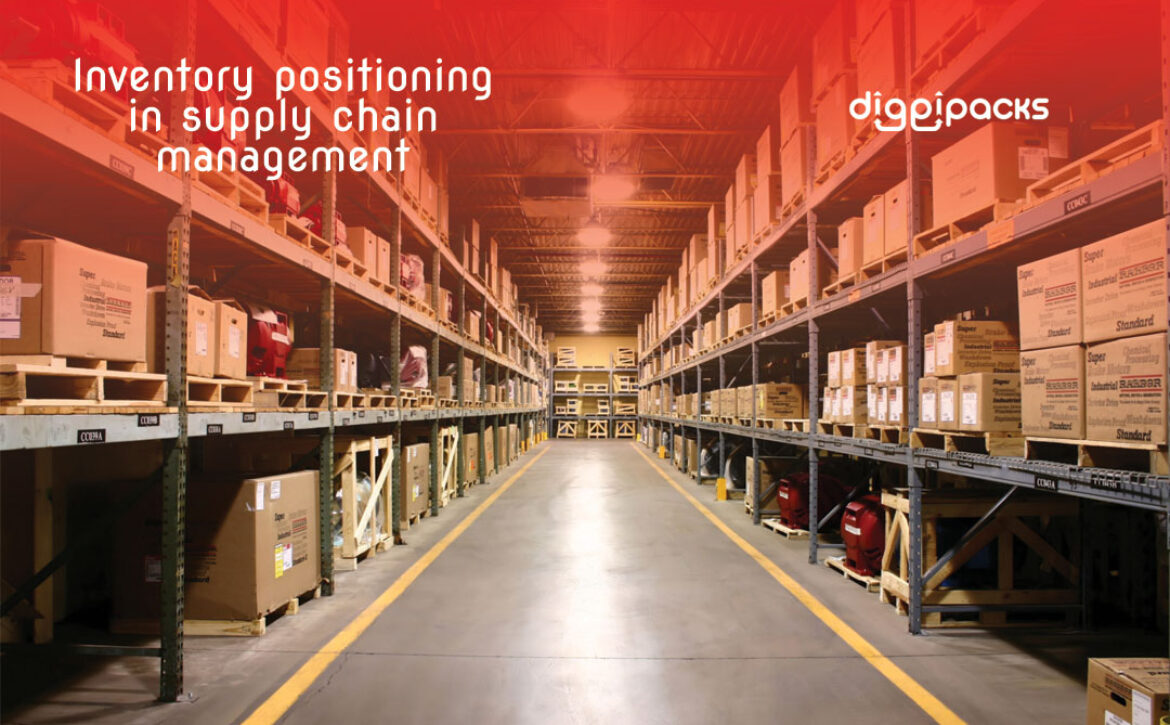
Inventory Positioning in Supply Chain Management

[et_pb_section fb_built=”1″ _builder_version=”4.16″ global_colors_info=”{}”][et_pb_row _builder_version=”4.16″ background_size=”initial” background_position=”top_left” background_repeat=”repeat” global_colors_info=”{}”][et_pb_column type=”4_4″ _builder_version=”4.16″ custom_padding=”|||” global_colors_info=”{}” custom_padding__hover=”|||”][et_pb_text _builder_version=”4.20.0″ background_size=”initial” background_position=”top_left” background_repeat=”repeat” hover_enabled=”0″ global_colors_info=”{}” header_2_text_color=”#E02B20″ header_2_font_size=”27px” header_3_text_color=”#E02B20″ header_3_font_size=”27px” header_4_text_color=”#E02B20″ header_4_font_size=”27px” sticky_enabled=”0″]

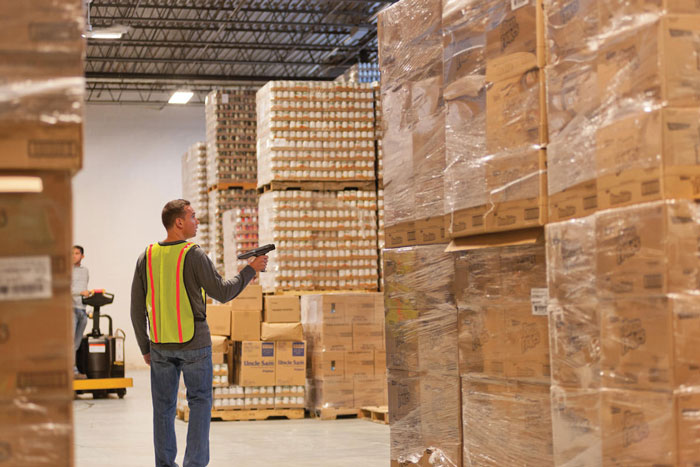
Inventory positioning plays a major role in managing inventory both within the supply chain and at the location where it is physically held. This is why companies are keen to control and define inventory positioning accurately, which contributes to improving the speed and quality of work. And through inventory positioning, you will be able to access any inventory when it is needed at any time, and by following the appropriate strategy for it, e-commerce companies will be able to know where to store their inventory and follow up on orders properly. In this article, we will show you all the details about inventory positioning, and how it can help you to fulfill orders appropriately.

What Is Inventory Positioning?

Inventory positioning is the process in which the selective location of various items in warehouses within production lines is determined.

Through which the items in their shelves are accurately allocated, which enhances the improvement of delivery speed and order picking.

It also contributes to evaluating safety stocks and minimizing supply and demand swings that can occur unexpectedly.

get to know : Warehouse Expansion Decision-Making and Tips for Success

Inventory Positioning Explained

inventory positioning

For a better understanding of the meaning of inventory positioning, It involves an accurate explanation of the inventory position in the supply chain through its various stages.

Which ensures that inventory flows through the supply chain as efficiently as possible.

It also contributes to clarifying the location or geographical location of the items in the warehouses, which facilitates the transportation process and meeting customer requests accurately and in the shortest possible time.

get to know : Cutting Down on Last Mile Delivery Cost

How to Execute Inventory Positioning

As for how to implement inventory positioning this needs to be the use of appropriate inventory positioning strategy.

Through which the congruence between business economics and customer needs and expectations is achieved, and this can be done through the use of any of the following methods:

1. The push supply chain method

The push supply chain method is appropriate in part because of how well the company itself can predict demand, and in this method it will need to keep inventory close to customers.

2. The pull supply chain method

As for the pull supply chain method, it will be more related to managing customer and supplier relationships, in which the company will need to provide the appropriate quantities of materials and production inputs.

3. push-pull supply chain

A push-pull supply chain would be the best way to streamline operations, but it would also need the company itself to be able to forecast demand and determine geographic locations.

And through those methods that we have explained, the company will choose the appropriate method for it according to the nature of its work, and then implement the appropriate inventory positioning for it.

This is after determining the optimal geographical location for it in order to maintain its stock, and it must also provide the best transportation methods that facilitate shipping and delivery operations.

get to know : Key warehouse order picking tips for SMEs

Manage Inventory Positioning With Software

inventory positioning

Modern software can help you to carry out and manage inventory positioning effectively and efficiently through appropriate use and analysis of data.

Through which you will be able to better follow and control inventory position as well as improve its operations and order planning in real time.

This is in a way that guarantees you accurate inventory locations, enabling you to meet orders and pick quickly and ideally.

diggipacks can assist you in providing all the software that facilitates and supports your work, and helps you to improve order fulfillment.

[/et_pb_text][/et_pb_column][/et_pb_row][/et_pb_section][et_pb_section fb_built=”1″ _builder_version=”4.19.0″ _module_preset=”default” custom_margin=”||-100px||false|false” locked=”off” global_colors_info=”{}”][et_pb_row _builder_version=”4.17.4″ _module_preset=”default” global_colors_info=”{}”][et_pb_column type=”4_4″ _builder_version=”4.17.4″ _module_preset=”default” global_colors_info=”{}”][et_pb_button button_url=”http://diggipacks.com/3pl-fulfillment/” url_new_window=”on” button_text=”Get a 3PL fulfillment ” button_alignment=”center” _builder_version=”4.20.0″ _module_preset=”default” custom_button=”on” button_bg_use_color_gradient=”on” button_bg_color_gradient_direction=”270deg” button_bg_color_gradient_stops=”#e02b20 0%|#000000 100%” button_border_radius=”10px” button_icon_color=”#000000″ background_layout=”dark” custom_margin=”-80px||-80px||false|false” custom_padding=”||||false|false” hover_enabled=”0″ global_colors_info=”{}” sticky_enabled=”0″][/et_pb_button][/et_pb_column][/et_pb_row][/et_pb_section]

Read More
admin March 1, 2023 0 Comments

What Is An On Demand Delivery And How It Benefits

[et_pb_section fb_built=”1″ _builder_version=”4.16″ global_colors_info=”{}”][et_pb_row _builder_version=”4.16″ background_size=”initial” background_position=”top_left” background_repeat=”repeat” global_colors_info=”{}”][et_pb_column type=”4_4″ _builder_version=”4.16″ custom_padding=”|||” global_colors_info=”{}” custom_padding__hover=”|||”][et_pb_text _builder_version=”4.19.0″ header_2_text_color=”#E02B20″ header_2_font_size=”27px” header_3_text_color=”#E02B20″ header_3_font_size=”27px” header_4_text_color=”#E02B20″ header_4_font_size=”27px” background_size=”initial” background_position=”top_left” background_repeat=”repeat” hover_enabled=”0″ global_colors_info=”{}” sticky_enabled=”0″]

On demand delivery is one of the forms of delivery that has been used in the recent period, which contributes to greatly enhancing customer satisfaction. Especially in light of the age of speed in which we live, and the need for customers to receive their orders as quickly as possible. On demand delivery has become one of the methods used by some shipping companies to effectively meet customer demands, especially since through this method of delivery, products will reach customers at the time and place they specify. All this contributes to enhancing customer satisfaction with the services provided, and in this article we will show you all the details about on demand delivery, as well as its benefits and advantages.

What is on demand delivery?

demand delivery

On-demand delivery is the process of delivering goods and services to customers when and where they want them, usually used to deliver perishable goods such as food and groceries.

Through this method, the customer chooses the place and time in which he will receive his order, and this method also allows them to track their shipments and plan their schedules.

This service helps in delivering products to customers quickly, which enhances their satisfaction with the service provided and better fulfills their desires.

What is on demand delivery tracking?

tracking is an option that allows customers to track the delivery of their orders when using the on-demand delivery option.

This allows customers to track their shipment in real-time, from its departure from its warehouse until it reaches its final destination and receives it.

And now many customers prefer to use the option to track their orders, which makes them more reassured and aware of what the shipment goes through until it reaches them.

How fast is on demand delivery?

The on demand delivery method is considered one of the fastest shipping methods available, which many customers rely on to order their shipments.

Through this shipping method, the shipment can reach the customer within a few hours of requesting his shipment.

This is the reason why many customers tend to use this shipping method, so shipping companies are keen to provide an option on demand delivery within the delivery options.

Benefits of on demand delivery

There are a lot of benefits that can be achieved in exchange for using the on demand delivery method.

And this is perhaps among the most important reasons why shipping companies provide it to them.

The following are the most important benefits resulting from the use of the on demand delivery method:

1. Quickly respond to customer requests

This method ensures that customers’ ordered products will arrive within a few hours of completing their purchase order.

Therefore, companies need to provide the necessary resources and the required technology in order to be able to provide this option in delivering orders to customers to meet their desires.

2. Possibility of expansion to more markets

Among the advantages of this method of delivery is that companies have the opportunity to reach more markets and increase the number of customers they deal with.

This is because most customers want to get their products in the shortest possible time, so they prefer to deal with companies that provide the option of on demand delivery.

3. Enhance customer satisfaction and loyalty

demand delivery

Among the advantages of on demand delivery is its great role in visiting customer satisfaction and loyalty with the services provided.

The reason for this is that this shipping option provides more flexibility to consumers and customers, as it allows them to choose the time and place to receive their package.

How does the on demand delivery work?

In order for shipping companies to provide options on demand delivery, they resort to using technological solutions to meet demand.

Whereas, in this type of order delivery, the customer expects to receive his order within a few hours or even minutes from the moment of purchase.

So when the customer requests this option to deliver his order, the company chooses the warehouse closest to the customer.

And ships the product to him using an appropriate express shipping method through the nearest fulfillment center or warehouse to him

[/et_pb_text][/et_pb_column][/et_pb_row][/et_pb_section][et_pb_section fb_built=”1″ _builder_version=”4.19.0″ _module_preset=”default” custom_margin=”||-30px||false|false” global_colors_info=”{}” locked=”off”][et_pb_row _builder_version=”4.17.4″ _module_preset=”default” locked=”off” global_colors_info=”{}”][et_pb_column type=”4_4″ _builder_version=”4.17.4″ _module_preset=”default” global_colors_info=”{}”][et_pb_button button_url=”http://diggipacks.com/third-party-shipping/” url_new_window=”on” button_text=”3PL shipping” button_alignment=”center” _builder_version=”4.17.4″ _module_preset=”default” custom_button=”on” button_bg_use_color_gradient=”on” button_bg_color_gradient_direction=”270deg” button_bg_color_gradient_stops=”#e02b20 0%|#000000 100%” button_border_radius=”10px” button_icon_color=”#000000″ background_layout=”dark” custom_margin=”-80px||-80px||false|false” custom_padding=”||||false|false” global_colors_info=”{}”][/et_pb_button][/et_pb_column][/et_pb_row][/et_pb_section]

Read More
admin February 20, 2023 0 Comments

Strategies for reduce shipping costs and Faster Shipping 

[et_pb_section fb_built=”1″ _builder_version=”4.16″ hover_enabled=”0″ global_colors_info=”{}” sticky_enabled=”0″][et_pb_row _builder_version=”4.16″ background_size=”initial” background_position=”top_left” background_repeat=”repeat” global_colors_info=”{}”][et_pb_column type=”4_4″ _builder_version=”4.16″ custom_padding=”|||” global_colors_info=”{}” custom_padding__hover=”|||”][et_pb_text _builder_version=”4.19.0″ header_2_text_color=”#E02B20″ header_2_font_size=”27px” header_3_text_color=”#E02B20″ header_3_font_size=”27px” background_size=”initial” background_position=”top_left” background_repeat=”repeat” hover_enabled=”0″ global_colors_info=”{}” sticky_enabled=”0″]

The cost of shipping greatly affects the profitability of your company, so we find that most companies seek to reduce shipping costs. In general, every company needs to follow methods that help it reduce shipping costs, and this is in order to increase its profit percentage, save other expenses, and direct it in other more important works that benefit it. And the process of reducing costs is based on a number of criteria. In this article we will show you everything you need to know about how to effectively reduce shipping costs.

What Are the Main Categories Associated with Shipping Costs?

reduce shipping costs

There is a set of basic fees associated with shipping costs, which will have the effect of reducing shipping costs.

These categories are extra costs in the form of fees associated with your shipment, some of which are unavoidable and some that can.

Here are the most important which are the main categories associated with shipping costs:

1. Shipment insurance

A fee that is one of the main categories associated with shipping costs, and is charged to protect your products throughout the shipping journey.

The higher the value of your shipment, the higher it will require insurance than other shipments.

This means that the higher the value of your shipment, the higher the costs of insuring it and therefore the higher the shipping costs in general.

2. Track the shipment

One of the additional fees associated with shipping costs is those related to tracking the shipment and confirming its receipt, which would not reduce shipping costs.

3. Shipping fees and taxes

Customs fees and taxes may add to the shipping cost of shipped items, depending on the destination or country that the shipment is destined for.

In general, shipping fees and taxes differ from one country to another, so it must be borne in mind that customs fees are not equal in all shipping cases.

What Factors Impact Your Shipping Costs and Times?

With the multiplicity of shipping and transportation methods around the world, many people are looking for ways to help them reduce shipping costs.

There are a group of basic factors that affect shipping costs and times, and the following are the most important factors that can affect reduce shipping costs:

1. Fast shipment delivery

Shipping costs vary based on how quickly the shipment is delivered, as there is an inverse relationship between shipping cost and delivery time.

Therefore, we find that shipments that require speed in delivery have a higher shipping cost, but in return it helps to deliver the shipment faster.

2. Where the shipment is located and where it is going

A large part of shipping costs is determined on the basis of where the shipment is transported to its shipping method, whether the airport, port, or land transport.

As the farther the distance, the greater the cost of transporting the shipment, and the same applies to the place of delivery of the shipment.

The closer the place of delivery to the place of arrival of the shipment, the lower the shipping costs, so it is one of the factors that affect reduce shipping costs.

3. Weight of the package shipped

One of the basic criteria on which the shipping cost is determined is the weight of the shipment.

As the greater the weight and size of the shipment, this leads to an increase in the cost of packaging and thus an increase in shipping costs.

4. Dimensions of the shipment

Shipment dimensions affect shipping costs and delivery times as well, as product dimensions are another starting point in determining shipping costs.

Since the larger the dimensions of the shipment, this leads to an increase in the cost of the shipment, and the more you can reduce the size, this helps to reduce shipping costs.

Ways to Reduce Shipping Costs While Maintaining Shipping Speed

reduce shipping costs

There are a number of ways that can help you reduce shipping costs, and the following are the most important of them:

1. Using a third-party logistics partner (3PL)

One of the most important ways to reduce shipping costs while maintaining speed is to use a third-party logistics partner (3PL).

Which will facilitate a lot of the tasks that you do, as 3PL handles a number of tasks for you, which will enable you to focus effort on other important activities.

3PL also handles matters related to logistics services such as warehousing, warehouse management, shipping and receiving, as well as picking and packing.

As well as taking care of reverse logistics, as well as processing and customizing your shipment.

Diggipacks is one of the best overseas logistics service providers that you can deal with, which has a team of experts.

2. Choose the appropriate shipping method

If you want to reduce shipping costs, you must select the appropriate shipping method to avoid expensive means.

For example, if the place of shipment and the destination of the shipment are well connected through roads, then you must use the road freight method via trucks.

Which will save you more expenses, on the contrary, if you choose air freight, you will incur double expenses.

3. Using the hybrid transportation method

Hybrid transportation helps reduce shipping costs as well as shipment delivery time.

Through which they combine shipping methods that achieve the lowest cost and the highest speed of delivery.

4. Off-peak shipping

Shipping during peak times will cost you a lot of expenses, so you should know about off-peak times in your area in order to make the best use of these times to ship your products and reduce shipping costs.

[/et_pb_text][/et_pb_column][/et_pb_row][/et_pb_section][et_pb_section fb_built=”1″ _builder_version=”4.19.0″ _module_preset=”default” custom_margin=”||-30px||false|false” global_colors_info=”{}” locked=”off”][et_pb_row _builder_version=”4.17.4″ _module_preset=”default” locked=”off” global_colors_info=”{}”][et_pb_column type=”4_4″ _builder_version=”4.17.4″ _module_preset=”default” global_colors_info=”{}”][et_pb_button button_url=”http://diggipacks.com/third-party-shipping/” url_new_window=”on” button_text=”3PL shipping” button_alignment=”center” _builder_version=”4.17.4″ _module_preset=”default” custom_button=”on” button_bg_use_color_gradient=”on” button_bg_color_gradient_direction=”270deg” button_bg_color_gradient_stops=”#e02b20 0%|#000000 100%” button_border_radius=”10px” button_icon_color=”#000000″ background_layout=”dark” custom_margin=”-80px||-80px||false|false” custom_padding=”||||false|false” global_colors_info=”{}”][/et_pb_button][/et_pb_column][/et_pb_row][/et_pb_section]

Read More
admin January 18, 2023 0 Comments