ديجيباكس تغيّرت… وأصبحت Fastcoo Network by Diggipacks — اكتشف النموذج الجديد 🚀 التفاصيل ←

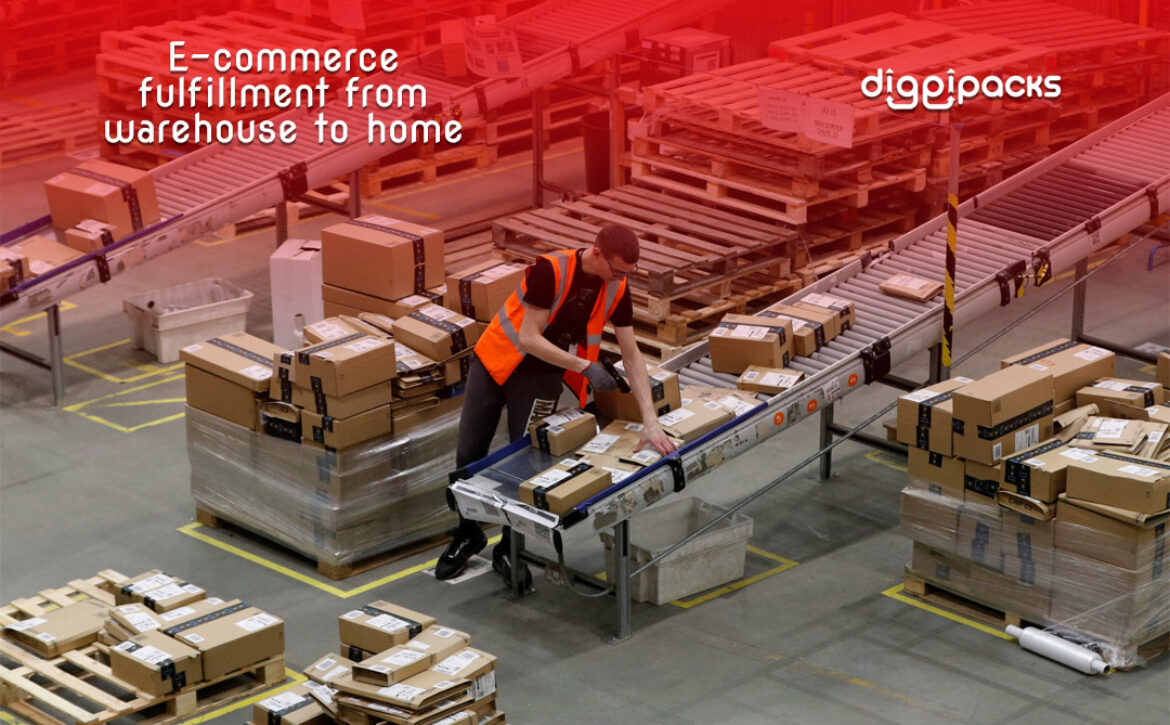
E-commerce fulfillment from warehouse to home

[et_pb_section fb_built=”1″ _builder_version=”4.16″ global_colors_info=”{}”][et_pb_row _builder_version=”4.16″ background_size=”initial” background_position=”top_left” background_repeat=”repeat” global_colors_info=”{}”][et_pb_column type=”4_4″ _builder_version=”4.16″ custom_padding=”|||” global_colors_info=”{}” custom_padding__hover=”|||”][et_pb_text _builder_version=”4.19.0″ header_2_text_color=”#E02B20″ header_3_text_color=”#E02B20″ header_3_font_size=”27px” background_size=”initial” background_position=”top_left” background_repeat=”repeat” hover_enabled=”0″ global_colors_info=”{}” sticky_enabled=”0″]

E-commerce has highlighted the importance of fulfilling consumer requests and changing their shopping method in light of the technology world, so the importance of e-commerce fulfillment has emerged. Especially with the huge growth in the e-commerce industry, which has coincided with the increased access to the Internet. In this article, we will discuss in detail what is meant by e-commerce fulfillment, as well as its importance and steps.

What is e-commerce fulfillment?

E-commerce fulfillment is the process of receiving orders online, packing and shipping them to the end customer.

This is done through many systematic steps, which ensure that orders reach customers in a timely manner and accurately.

Do you know what is inventory tracking?

Why is e-commerce fulfillment the most important thing?

e-commerce fulfillment

The e-commerce fulfillment process is the last stage of the e-commerce supply chain, through which products are stored in the e-commerce fulfillment center, packaging orders are selected, and orders are shipped to the end customer.

Hence the importance of e-commerce fulfillment, as these steps can cause you to incur a lot of costs if not managed well.

So you need to have an appropriate e-commerce fulfillment strategy, especially since customers’ expectations of quick receipt without delay are constantly increasing.

Therefore, there is great importance to dealing with a partner who helps you in the e-commerce fulfillment process, which will bring you many benefits and advantages. This is what diggipacks can provide for you. Here are the most important benefits that you can enjoy:

  • Benefit from their expertise in the warehousing and packing process, which makes the fulfillment process smoother.
  • Increase your presence in the market and reach customers around the world, by providing an international network that enables you to receive orders from all over the world.
  • Freeing up and organizing your space gives you more time to focus on other, more important tasks.
  • Improve your customer service and thus facilitate better customer retention.
  • Improve your scalability by managing order fulfillment by a team of specialists.
  • Reduce your shipping costs by taking advantage of the shipping discounts that outsourcing a partner can provide you.
  • Reduce operating costs through outsourcing that enables you to reduce those costs with their smart solutions.
  • Benefit from their technology, which will provide you with many benefits such as inventory control and shipment tracking using modern tools.

are you know what is Scheduled Delivery?

What are a few steps of e-commerce fulfillment?

e-commerce fulfillment

There is a set of basic methodological steps followed in e-commerce fulfillment, through which requests for customers are processed more accurately. Here are those steps in detail:

1. Receiving

This step includes the process of receiving and executing the order through the distribution center, and this step includes the process of processing orders and monitoring their quality.

2. Inventory storage

One of the steps of e-commerce fulfillment in which goods are distributed as soon as they reach the shipping center, and sometimes they are sent to long-term storage.

During this step, it is necessary to index the shipped items efficiently, in a way that ensures that the shipping process takes place smoothly and without delays.

get to know: Vendor Managed Inventory 

3. Order processing

In the third step of the e-commerce fulfillment steps, the items are picked and then transferred to the packing center, after which they are transferred to the shipping station after verifying the integrity of the product and that it is free from damage.

4. Handling returns

It is the step for dealing with returns, as well as supporting the handling of complaints, returns, and product exchange.

Attention must be taken during this step so that the return process is accepted unless the product suffers any damage, and this product is either re-stored or recycled again.

[/et_pb_text][/et_pb_column][/et_pb_row][/et_pb_section][et_pb_section fb_built=”1″ _builder_version=”4.19.0″ _module_preset=”default” custom_margin=”|0px|-100px||false|false” custom_padding=”|||0px|false|false” locked=”off” global_colors_info=”{}”][et_pb_row _builder_version=”4.17.4″ _module_preset=”default” global_colors_info=”{}”][et_pb_column type=”4_4″ _builder_version=”4.17.4″ _module_preset=”default” global_colors_info=”{}”][et_pb_button button_url=”http://diggipacks.com/3pl-fulfillment/” url_new_window=”on” button_text=”3PL FULFILLMENT” button_alignment=”center” _builder_version=”4.17.4″ _module_preset=”default” custom_button=”on” button_bg_use_color_gradient=”on” button_bg_color_gradient_direction=”270deg” button_bg_color_gradient_stops=”#e02b20 0%|#000000 100%” button_border_radius=”10px” button_icon_color=”#000000″ background_layout=”dark” custom_margin=”-80px||-80px||false|false” custom_padding=”||||false|false” global_colors_info=”{}”][/et_pb_button][/et_pb_column][/et_pb_row][/et_pb_section]

Read More
admin January 11, 2026 0 Comments

Why is supply chain analytics important? ‎

[et_pb_section fb_built=”1″ _builder_version=”4.16″ global_colors_info=”{}”][et_pb_row _builder_version=”4.16″ background_size=”initial” background_position=”top_left” background_repeat=”repeat” global_colors_info=”{}”][et_pb_column type=”4_4″ _builder_version=”4.16″ custom_padding=”|||” global_colors_info=”{}” custom_padding__hover=”|||”][et_pb_text _builder_version=”4.19.0″ header_2_text_color=”#E02B20″ header_3_text_color=”#E02B20″ header_3_font_size=”27px” header_4_text_color=”#E02B20″ header_4_font_size=”27px” background_size=”initial” background_position=”top_left” background_repeat=”repeat” hover_enabled=”0″ global_colors_info=”{}” sticky_enabled=”0″]

Supply chain analytics is an essential component of supply chain management (SCM), as it contributes directly to improving business forecasting and efficiency. Thus, it helps companies to be more responsive to customer needs, by providing predictive analytics that contribute to anticipating consumer demand.

Which helps business owners to make informed decisions based on realistic data, as supply chain analytics works in understanding the various data generated by supply chains. In this article, we will talk in detail about these analytics and its importance, as well as its advantages and its most important characteristics.

What Is Supply Chain Analytics?

What is meant by supply chain analytics is the set of operations carried out by a number of software and used by companies in processing data related to the purchase of various commodities.

This analytics also works on knowing the value of data, data related to the purchase and distribution of goods, especially since that data is actually very large.

Thus improving forecasting and efficiency in companies so that they are more responsive to customer requests and faster in processing them, thus speeding up the delivery process and reducing costs associated with delays in delivery.

‎What Is the Role of This analytics?‎

supply chain analytics

Such analytics plays a major role in giving companies the ability to collect and process data generated by their supply chains. Then use that data to make long-term strategic changes that will give those companies a competitive edge.

Through the various activities carried out by these analyzes, different companies can increase the overall efficiency of business operations, which contributes to a significant reduction in costs.

As well as planning more accurately, helping companies continue to deliver a great customer experience, while keeping costs down.


Do you know what is inventory tracking?

‎What Are the Types of Supply Chain Analytics?‎

There are many types of this analytics, and each type has its own capabilities and uses. The following are the most important of these types in some detail:

1. Descriptive supply chain analytics

It is a type of this analytics that relies on the use of reports and dashboards to interpret events, based on a variety of statistical methods.

Through which he searches for information related to supply chain operations, as well as summarizes and organizes it accurately.

2. Predictive supply chain analytics

It is the third type of this analytics , which is based on prediction, as it helps to know what might happen in the future by analyzing current data.

3. Diagnostic supply chain analytics

This type is used to find out why something is not working. For example, if there is a delay in shipments, this method can help identify the reasons for that delay.

4. Prescriptive supply chain analytics

This type of analysis of supply chain operations helps to describe the best course of action, based on embedded decision logic.

Which effectively contributes to improving decision-making related to launching a new product, and clarifying whether it is appropriate to launch it or not.

What Is on Demand Warehousing?

‎Why Is Supply Chain Analytics So Important?

The reason why these analyzes have gained great importance in the recent period is their great role in helping companies make smarter and more effective decisions, so many companies have become dependent on them mainly in their business.

As it helps reduce costs and improve profit margins in companies, through the analyzes that you perform with different tools than the data available in real time.

This enhances companies’ ability to better understand risks and prepare for the future, as well as enhance the ability to plan in companies, which contributes to better forecasting of actual demand.

Benefits of Supply Chain Analytics

There are many benefits that these analyzes can provide to companies, and this is perhaps one of the most important reasons that drive most companies to rely on them. Here are the main benefits of this analytics:

1. Improve profit margins and reduce costs

One of the most important benefits of this analytics is its significant role in reducing costs as well as improving profit margins in companies.

This is because of its ability to provide comprehensive data for an integrated planning approach, enabling real-time visibility.

Thereby significantly increasing operational efficiency, providing useful and actionable insights.

2. Enhancing the ability to understand risks

This type of analysis enables companies to better understand risk, because of its role in identifying known risks and helping to predict future risks.

This is done through the analyzes it performs and examining the current data, while trying to discover the different trends and patterns expected in the supply chains.

3. Increase planning accuracy

These analyzes significantly increase the accuracy of planning by better analyzing customer data and thus predicting future demand.

4. Better warehouse control

Supply chain analytics helps in better monitoring of warehouses, in addition to analyzing customer needs, which contributes to better and more accurate decision-making.

5. Prepare for the future

The use of this analytics can provide advanced analytics to supply chain management, helping in better data processing and assisting companies in making optimal decisions.

Thus, companies become more prepared for the future and more facing any risks or threats, by obtaining alerts based on real-time data analysis.

are you know what is Scheduled Delivery?

‎Challenges of Supply Chain Analytics

supply chain analytics

There are many challenges to this type of analytics, the main one being a relatively high barrier to entry. Especially for companies that lack modern systems, buying technology can be an important investment for their business.

Another significant challenge facing supply chain analytics is that businesses do not have robust processes in place to collect the necessary data, as these analytics need documented integrations.

Through which it allows data to flow seamlessly, enabling companies to understand the current state of their business, as well as improve the future forecasts of their supply chains.

Among the important challenges is the lack of skilled labor, which works to build and interpret some of the analyzes in addition to the software that analyzes that data automatically.

So companies need to try to train employees to analyze as well as take advantage of the available technologies, thus providing better insights into their supply chains.

‎Features of Supply Chain Analytics

Supply chain analytics is constantly evolving, which means more and more independent supply chains that are able to manage and respond to changes.

Especially with continued improvements in IoT, which should help extract insights more quickly from a broader set of data sources.

And all of this in the last place will help improve the business of different companies, and that’s just as different AI technologies have improved.

Which will play a prominent role in improving people’s ability to generate more accurate, as well as more useful, predictive insights and include them in their business for better results.

[/et_pb_text][/et_pb_column][/et_pb_row][/et_pb_section][et_pb_section fb_built=”1″ _builder_version=”4.19.0″ _module_preset=”default” custom_margin=”|0px|-100px||false|false” custom_padding=”|||0px|false|false” locked=”off” global_colors_info=”{}”][et_pb_row _builder_version=”4.17.4″ _module_preset=”default” global_colors_info=”{}”][et_pb_column type=”4_4″ _builder_version=”4.17.4″ _module_preset=”default” global_colors_info=”{}”][et_pb_button button_url=”http://diggipacks.com/3pl-fulfillment/” url_new_window=”on” button_text=”3PL FULFILLMENT” button_alignment=”center” _builder_version=”4.17.4″ _module_preset=”default” custom_button=”on” button_bg_use_color_gradient=”on” button_bg_color_gradient_direction=”270deg” button_bg_color_gradient_stops=”#e02b20 0%|#000000 100%” button_border_radius=”10px” button_icon_color=”#000000″ background_layout=”dark” custom_margin=”-80px||-80px||false|false” custom_padding=”||||false|false” global_colors_info=”{}”][/et_pb_button][/et_pb_column][/et_pb_row][/et_pb_section]
Read More
admin January 11, 2026 0 Comments

Multichannel inventory management in ‎‎2023‎

[et_pb_section fb_built=”1″ _builder_version=”4.16″ global_colors_info=”{}”][et_pb_row _builder_version=”4.16″ background_size=”initial” background_position=”top_left” background_repeat=”repeat” global_colors_info=”{}”][et_pb_column type=”4_4″ _builder_version=”4.16″ custom_padding=”|||” global_colors_info=”{}” custom_padding__hover=”|||”][et_pb_text _builder_version=”4.19.0″ header_2_text_color=”#E02B20″ header_3_text_color=”#E02B20″ header_3_font_size=”27px” header_4_text_color=”#E02B20″ header_4_font_size=”27px” background_size=”initial” background_position=”top_left” background_repeat=”repeat” hover_enabled=”0″ global_colors_info=”{}” sticky_enabled=”0″]

Inventory for any company is its heart, so poor inventory management can cost the company a lot. Recently, the importance of multichannel inventory management has emerged, through which purchase order operations, warehouse management and shipping management have become easier. It clearly contributed to the timely execution of customer orders, which made it a comprehensive inventory management solution. In this article, we will talk in detail about multichannel inventory management, its importance, as well as its benefits.

What is multichannel inventory management? ‎

multichannel inventory management

Multichannel inventory management is the process by which companies rely on a set of smart tools to manage and track orders from different sales sources on inventory held in multiple locations.

What Is on Demand Warehousing?

Why is a multichannel inventory system important? 

Multichannel inventory management effectively helps in avoiding over-selling and also improves the management of your orders.

In addition to its significant role in improving warehouse management, which takes into account inventory levels in multiple sales channels.

This gives business owners an opportunity to place purchase orders according to the level of stock available to them, thus helping to avoid out-of-stock situations.

Common multichannel inventory management challenges

Despite the huge advantages offered by multichannel inventory management, there are a number of challenges that stand in the way of the huge advantages.

The following are the main challenges facing management of multichannel inventory:

1. Inaccurate stock levels during promotions

One of the major challenges that negatively affects companies and businesses in multichannel inventory management is the inaccuracy of inventory levels in the various sales channels, especially during promotional offers.

You need to be very aware of the available stock levels, especially during promotions, and outsourcing your logistics can help you solve that dilemma.

2. The lack of reverse flow logistics

It is one of the main challenges of multichannel inventory management, which can negatively affect the customer experience.

Especially since it has a significant impact on the accuracy of the inventory available in the various sales channels. So you need to manage returns and canceled orders appropriately.

get to know : Stock Availability Is a Key to Last Mile Performance

3. Underselling and overselling

One of the most important challenges for management of multichannel inventory is selling the same product to two different operations if the inventory is not updated in all sales channels in real time.

Consequently, there are many cancellations and delays in the delivery of orders, due to the lack of sufficient stock. This leads to a significant loss of your revenues, thus negatively affecting your investments.

4. Lack of full visibility of inventory

Not seeing your inventory in sales channels can complicate sales, especially if you track inventory manually.

Therefore, the inventory must be tracked automatically through all the sales channels that you own.

Thus avoiding manual errors and dealing with the inventory appropriately, so it’s one of the most important challenges of multichannel inventory management.

What are the benefits of multichannel inventory management?

multichannel inventory management

There are a lot of amazing benefits that multichannel inventory management provides, if managed properly.

Which would positively affect customer experience and keep track of inventory levels, thus clearly improving corporate revenues.

The following are the most prominent benefits of multichannel inventory management:

1. Track order data more accurately

This is one of the most important benefits which would help business owners to better understand customer demand.

Thus giving them the ability to make the best decisions, by keeping track of what is the best and least sold in the different sales channels.

All of this basically helps companies place purchase orders correctly, thus better satisfying customer needs which improves the customer experience itself.

2. Improve warehouse management

Multichannel inventory management systems help to manage warehouses more accurately and orderly, because they take into account inventory levels.

This helps business owners place purchase orders according to their available stock levels, thus avoiding out-of-stock situations and managing warehouses better.

are you know what is Scheduled Delivery?

3. Avoid cases of overselling

Which is considered as one of the most prominent problems facing manual inventory management processes across multiple channels.

That misleads business owners and makes them believe that they have already delivered the required product.

This, in turn, leads to poor order management and delayed order fulfillment, thus giving customers a bad experience.

But the management of multichannel inventory helps avoid overselling and improves your order management. ‎

[/et_pb_text][/et_pb_column][/et_pb_row][/et_pb_section][et_pb_section fb_built=”1″ _builder_version=”4.19.0″ _module_preset=”default” custom_margin=”||-100px||false|false” locked=”off” global_colors_info=”{}”][et_pb_row _builder_version=”4.17.4″ _module_preset=”default” global_colors_info=”{}”][et_pb_column type=”4_4″ _builder_version=”4.17.4″ _module_preset=”default” global_colors_info=”{}”][et_pb_button button_url=”http://diggipacks.com/3pl-fulfillment/” url_new_window=”on” button_text=”3PL FULFILLMENT” button_alignment=”center” _builder_version=”4.17.4″ _module_preset=”default” custom_button=”on” button_bg_use_color_gradient=”on” button_bg_color_gradient_direction=”270deg” button_bg_color_gradient_stops=”#e02b20 0%|#000000 100%” button_border_radius=”10px” button_icon_color=”#000000″ background_layout=”dark” custom_margin=”-80px||-80px||false|false” custom_padding=”||||false|false” global_colors_info=”{}”][/et_pb_button][/et_pb_column][/et_pb_row][/et_pb_section]

Read More
admin January 11, 2026 0 Comments

Improve Your Warehouse Slotting Optimization

[et_pb_section fb_built=”1″ _builder_version=”4.16″ global_colors_info=”{}”][et_pb_row _builder_version=”4.16″ background_size=”initial” background_position=”top_left” background_repeat=”repeat” global_colors_info=”{}”][et_pb_column type=”4_4″ _builder_version=”4.16″ custom_padding=”|||” global_colors_info=”{}” custom_padding__hover=”|||”][et_pb_text _builder_version=”4.19.0″ header_2_text_color=”#E02B20″ header_2_font_size=”27px” header_3_text_color=”#E02B20″ header_3_font_size=”27px” header_4_text_color=”#E02B20″ header_4_font_size=”27px” background_size=”initial” background_position=”top_left” background_repeat=”repeat” hover_enabled=”0″ global_colors_info=”{}” sticky_enabled=”0″]

Warehouse operations are getting more complex day by day, so warehouse managers need to deal with that complexity and face those pressures. One of the technologies that helps in this is warehouse slotting, which helps to better organize operations in warehouses.

In addition to its role in reducing costs significantly, so many people are considering using warehouse slotting and taking advantage of its huge advantages. In this article, we will show you all the details about warehouse slotting and its benefits, as well as its importance.

‎What Is Warehouse Slotting?‎

It is one of the processes through which inventory is arranged in warehouses, thus speeding up the process of finding and selecting goods from different shelves.

By using warehouse slotting techniques, each item in the warehouse is assigned a specific place, making it easier to find and restore it.

What Is on Demand Warehousing?

‎Why Is Warehouse Slotting Important

Warehouse Slotting

The reason why warehouse slotting has gained great importance is its role in organizing the items in the warehouses.

Which has saved a lot of time and effort for the dealers. Here are some points that highlight the importance of warehouse slotting to include in your business:

    • Save space in your inventory, allowing you to store more items in your inventory without the need for a larger warehouse or purchasing storage space.

    • Reducing labor costs, as these technologies make it easier for workers to complete more tasks in less time.

    • Improving operational efficiency, allowing for faster order execution and thus better fulfillment of customer requests.

    • Reducing the time it takes to pick items from the warehouse, due to the organization these technologies cause in warehouses.

    • Increasing efficiency and saving more costs, which contributes positively to the company’s revenues in general.

    • Reduce the risks associated with stock loss, thanks to the organization enabled by warehouse slotting technologies.

    • Facilitate inventory tracking and turnover calculation.

are you know what is Scheduled Delivery?

‎Warehouse Slotting Optimization

Slotting warehouse optimization helps you achieve more benefits, the most important of which is saving costs associated with trying to expand warehouse space or rent additional space.

In addition to its role in reducing the time spent in selecting items and processing orders.

Which contributes to enhancing customer confidence and making them happier.

This is in addition to the role of these technologies in organizing your warehouse, thus reducing the costs associated with additional labor.

Warehouse Slotting Best Practices

There are a set of effective practices that can help you in warehouse slotting, and the following are the most prominent of these practices:

1. Organize SKUs strategically

There are a lot of ways you can improve your SKUs, but if the items in your warehouse are moved in pallets or boxes the best way to store them is to use racks.

You can use the extra shelves to store items from the pallet, which is one of the most important practices of Slotting warehouse.

2. Get feedback from pickers

You can benefit from pickers to get the best feedback, especially since they are the ones responsible for picking products on the front lines.

Thus they possess appropriate feedback on how to address deficiencies and improve the workflow of your warehouse.

3. Frequently review your slotting strategy

You need to review the warehouse slotting strategy you are using periodically, especially since Slotting warehouse needs are constantly changing.

So you always need to keep up with them, helping you to maintain more modern and organized warehouse operations.

4. Organize products by demand correlation

One of the most effective Slotting warehouse practices is to organize the products you have in order according to demand statuses.

So that the highest priority is given to those products that are constantly requested, which facilitates better access to them and quick fulfillment of orders.

3 benefits to slotting your inventory

Warehouse Slotting

There are many benefits that you can enjoy by applying warehouse slotting techniques in your business.

And the following are the top 3 benefits that these technologies can provide you with:

1. Faster picking and less picking errors

One of the main benefits of warehouse slotting is that it provides faster picking operations, while keeping errors as low as possible.

This is due to the role of these technologies in organizing warehouses and arranging the items in them correctly.

Thus reducing the level of errors and increasing the speed of picking.

All of this contributes positively to lower costs incurred by the company, as well as increasing customer happiness due to fast orders and the absence of errors.

get to know : Stock Availability Is a Key to Last Mile Performance

2. More storage capacity

Warehouse slotting helps you to increase the storage capacity of your warehouse, because of the process of organizing and arranging the items that are carried out by it.

This allows the company to use the same space to store more items, thus saving costs related to warehouse expansion or leasing additional space.

3. Reduce carrying costs

These techniques work effectively in keeping very little inventory on hand, thus reducing inventory moving costs.

This is due to improved inventory management, which helps in reducing holding time as well as saving a lot of expenses.

[/et_pb_text][/et_pb_column][/et_pb_row][/et_pb_section][et_pb_section fb_built=”1″ _builder_version=”4.19.0″ _module_preset=”default” custom_margin=”||-100px||false|false” locked=”off” global_colors_info=”{}”][et_pb_row _builder_version=”4.17.4″ _module_preset=”default” global_colors_info=”{}”][et_pb_column type=”4_4″ _builder_version=”4.17.4″ _module_preset=”default” global_colors_info=”{}”][et_pb_button button_url=”http://diggipacks.com/3pl-fulfillment/” url_new_window=”on” button_text=”3PL FULFILLMENT” button_alignment=”center” _builder_version=”4.17.4″ _module_preset=”default” custom_button=”on” button_bg_use_color_gradient=”on” button_bg_color_gradient_direction=”270deg” button_bg_color_gradient_stops=”#e02b20 0%|#000000 100%” button_border_radius=”10px” button_icon_color=”#000000″ background_layout=”dark” custom_margin=”-80px||-80px||false|false” custom_padding=”||||false|false” global_colors_info=”{}”][/et_pb_button][/et_pb_column][/et_pb_row][/et_pb_section]

Read More
admin January 11, 2026 0 Comments

All you need to know about mis shipments

[et_pb_section fb_built=”1″ _builder_version=”4.16″ global_colors_info=”{}”][et_pb_row _builder_version=”4.16″ background_size=”initial” background_position=”top_left” background_repeat=”repeat” global_colors_info=”{}”][et_pb_column type=”4_4″ _builder_version=”4.16″ custom_padding=”|||” global_colors_info=”{}” custom_padding__hover=”|||”][et_pb_text _builder_version=”4.19.0″ header_2_text_color=”#E02B20″ header_2_font_size=”27px” header_3_text_color=”#E02B20″ header_3_font_size=”27px” header_4_text_color=”#E02B20″ header_4_font_size=”27px” background_size=”initial” background_position=”top_left” background_repeat=”repeat” hover_enabled=”0″ global_colors_info=”{}” sticky_enabled=”0″]

Accuracy in fulfilling customer orders is very important in e-commerce, especially since mis shipments may cause many problems for e-commerce companies as well as their relationship with customers, as customers lose confidence if they receive a wrong shipment.

Therefore, special care must be given to the process of fulfilling customer requests, from placing the correct product in the correct box, to attaching it to the correct data label and delivering it.

So dealing with customers and fulfilling their requests requires extreme accuracy, and in this article, we will show you all the details about mis shipments, and its harm to companies and its impact on customers. We will also show you how to deal with cases of wrong shipments, and how Diggipacks can help you with that.

‎What are mis shipments?‎

It is the process through which a wrong product is sent to the customer, which is contrary to his request, and this process causes a lot of losses.

Where customers lose confidence in your company when they receive a wrong shipment.

You as the business owner bear the cost of losing customer satisfaction and possibly losing it forever.

In addition to the costs associated with shipping the correct product quickly to the customer.

And therefore incurring double transportation expenses due to the wrong delivery of the customer’s shipment.

get to know: Vendor Managed Inventory 

‎How do mis shipments affect customers?‎

mis shipments

One of the most prominent consequences of mis shipments is their significant negative impact on customer satisfaction in general, as when a customer receives a wrong shipment, he feels very frustrated.

Which leads him to lose confidence in the services provided by that company, and in many cases it comes to canceling the order or not dealing with the same company again.

In addition to the significant impact of mis shipments on the profitability achieved by the company, they incur additional costs related to customer service to the company.

Frequent mis-shipments result in significantly reduced customer satisfaction and loyalty, which affects the company’s reputation and market position.

‎How do mis shipments damage businesses?‎

For businesses, mis shipments greatly affect the business’s presence and survival in the market, and this is because it seriously harms the profitability of companies.

In the event that shipments are incorrectly delivered, this means additional expenses associated with having the items shipped back correctly to their owners.

In addition to additional expenses related to customer service, as noted, mis shipments affect customer satisfaction and loyalty to the company.

Therefore, accuracy in fulfilling orders in the correct manner is extremely important in e-commerce in particular, especially since customers are more sensitive when they deal with online stores.

are you know what is Scheduled Delivery?

‎How to combat and prevent mis shipments

Mis shipments occur when someone in your company’s warehouse fails to pick up products exactly as specified in the fulfillment document.

From the moment the error arises, unwanted additional costs begin to negatively affect the performance and reputation of your company.

Especially since mis shipments result in huge costs that your company may not be able to avoid or recover again.

That’s why many companies try to minimize mis shipments, while trying to fulfill orders properly. Here are a number of practices that may help you combat mis shipments:

1. Check your stock on a regular basis

Which helps in better inventory management thus avoiding mistakes while picking or picking up and avoiding the problem.

2. Use Robust Warehouse Management Software and Barcode Scanners

Which will help you update your inventory accurately, and check that the correct items are selected according to the requests of the customers.

3. Perform a quality control check

By using useful techniques to scan the request quickly after it has been selected to verify its validity.

4. Offer an easy returns system

Allowing customers to ship products back correctly and as quickly as possible, in an effort to gain their satisfaction again.

‎How Diggipacks can help your business prevent mis shipments

mis shipments

Diggipacks intelligent systems can help you reduce mis shipments, by utilizing modern technologies around inventory and returns management.

Which would help you in accurately fulfilling orders and selecting different items, as well as inventory management systems that are able to provide you with reports about your inventory and follow it up continuously.

This provides you with the ability to better meet customer requests, as well as avoid cases of wrong delivery of products and provide a system of returns and customer service at the highest level.

[/et_pb_text][/et_pb_column][/et_pb_row][/et_pb_section][et_pb_section fb_built=”1″ _builder_version=”4.19.0″ _module_preset=”default” custom_margin=”||-30px||false|false” global_colors_info=”{}”][et_pb_row _builder_version=”4.17.4″ _module_preset=”default” locked=”off” global_colors_info=”{}”][et_pb_column type=”4_4″ _builder_version=”4.17.4″ _module_preset=”default” global_colors_info=”{}”][et_pb_button button_url=”http://diggipacks.com/third-party-shipping/” url_new_window=”on” button_text=”3PL shipping” button_alignment=”center” _builder_version=”4.17.4″ _module_preset=”default” custom_button=”on” button_bg_use_color_gradient=”on” button_bg_color_gradient_direction=”270deg” button_bg_color_gradient_stops=”#e02b20 0%|#000000 100%” button_border_radius=”10px” button_icon_color=”#000000″ background_layout=”dark” custom_margin=”-80px||-80px||false|false” custom_padding=”||||false|false” global_colors_info=”{}”][/et_pb_button][/et_pb_column][/et_pb_row][/et_pb_section]

Read More
admin January 11, 2026 0 Comments

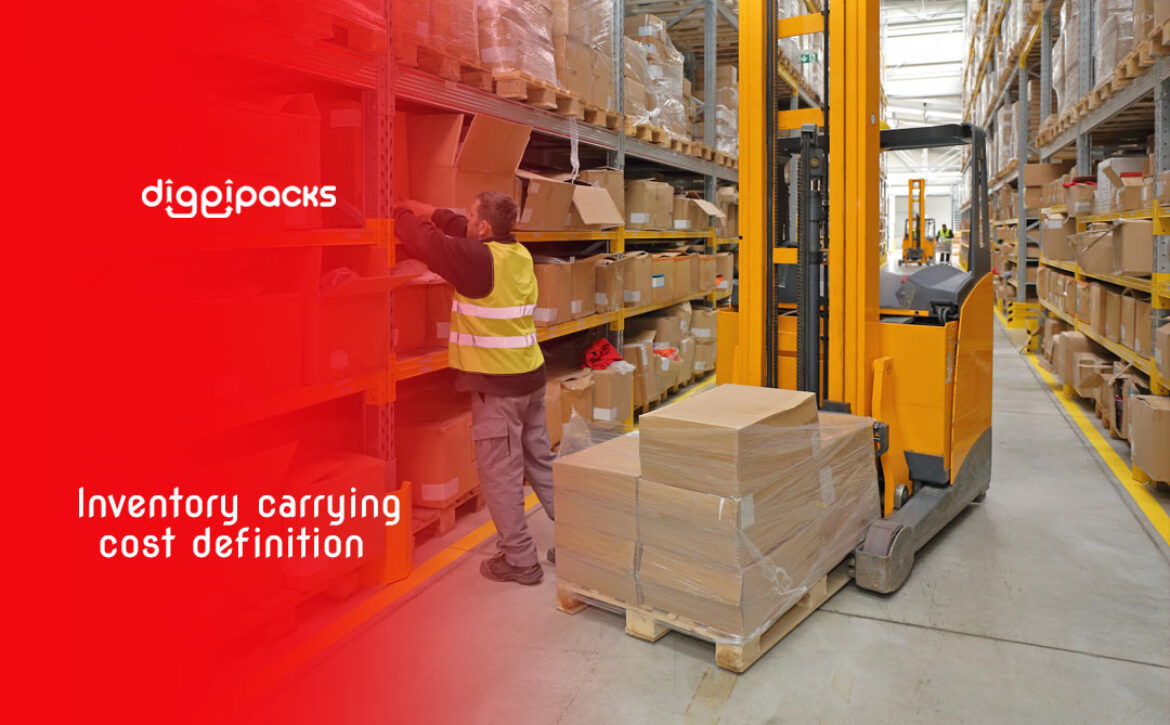
Inventory Carrying Cost Definition ‎

[et_pb_section fb_built=”1″ _builder_version=”4.16″ global_colors_info=”{}”][et_pb_row _builder_version=”4.16″ background_size=”initial” background_position=”top_left” background_repeat=”repeat” global_colors_info=”{}”][et_pb_column type=”4_4″ _builder_version=”4.16″ custom_padding=”|||” global_colors_info=”{}” custom_padding__hover=”|||”][et_pb_text _builder_version=”4.19.0″ background_size=”initial” background_position=”top_left” background_repeat=”repeat” hover_enabled=”0″ global_colors_info=”{}” header_text_color=”#E02B20″ header_2_text_color=”#E02B20″ header_2_font_size=”27px” header_3_text_color=”#E02B20″ header_3_font_size=”27px” header_4_text_color=”#E02B20″ header_4_font_size=”27px” sticky_enabled=”0″]

Carrying Cost is a component of total inventory costs, and those costs have a significant impact on a company’s revenue. These costs are high for companies that benefit from economies of scale, but low for companies that have a small amount of inventory. This cost is examined by management as part of its assessment of the amount of inventory to maintain, and in this article we will discuss in detail the Carrying Cost, its importance, as well as its components and methods of calculation.

‎What Are Carrying Costs?

These are the costs associated with the storage of unsold goods, which the company incurs while storing raw materials or semi-finished goods.

As well as finished goods or spare parts in the warehouse, waiting to be used in the future in order to meet expected demand, settle production needs, and protect the facility from depleting the quantity of goods.

Knowing the Carrying Cost also helps prevent costs from spiraling too high, as well as reducing instances of price hikes.

Do you know what is inventory tracking?

‎Significance of carrying cost

Carrying Cost

Knowing how much a company’s carrying cost is helps determine how long a company can hold their inventory, before they start losing money on unsaleable items.

Thus the company can know how much they need to buy and sell in order to maintain proper inventory levels. Thus, working to:

    • Recover the funds restricted in the inventory.

    • Determine the transportation costs incurred by the company.

    • Help the company to increase its profits.

The carrying cost in any company usually represents about 15% to 30% of the value of the company’s stock.

And if it exceeds that percentage, then this means that the company is in a bad financial position.

‎Components of carrying cost

As we indicated, the Carrying Cost is considered part of the total costs borne by the company.

And it consists of a number of basic elements. The following are the most important components that make up carrying costs:

    • Depreciation costs, which can be significant if the company invests large sums in automated storage and retrieval systems.

    • Insurance costs, which include costs associated with insuring the company’s inventory asset.

    • Obsolete Inventory Write-offs, which are the costs associated with writing off inventory that has been held for a long time and has not been sold. This cost can be significant, especially for companies that introduce new products on a regular basis.

    • Personnel or labor costs, including warehouse staff costs, such as benefits, salaries, taxes, etc.

    • The costs of renting a storage place, and the company must choose the place well and appropriately for the inventory, as this cost may be large if the storage system followed by the company does not guarantee the optimal use of the warehouse space.

    • Safety and security costs, including the costs of security guards, monitoring systems, etc., and usually the value of these costs increases as the value of inventory increases.

What Is on Demand Warehousing?

‎How to calculate carrying cost

As for the method of calculating the carrying cost, it is easily done through the use of a mathematical formula.

Through which the company can calculate the profit it achieves from its inventory.

The following is the mathematical formula used in calculating the carrying cost, which is always represented as a percentage of the company’s total inventory value:

    • Carrying cost = (Inventory holding sum ÷ Total value of inventory)*100.

Inventory holding sum is the total cost of transportation, which consists of four basic elements:

    • Inventory service cost.

    • Inventory risk cost.

    • Capital cost.

    • Storage cost.

Thus, the mathematical formula used in calculating the Inventory holding sum within the carrying cost accounts is as follows:

    • Inventory holding sum = Inventory service cost + Inventory risk cost + Capital cost + Storage cost.

Here are the steps you need to be able to easily calculate those costs based on the mathematical formulas we showed you:

    1. Calculate the value of each of the four components of inventory cost that we have shown.

    1. Add these four inventory cost components to get the inventory holding sum.

    1. Calculate the total value of your inventory.

    1. Divide the inventory holding sum by the total value of inventory.

    1. Multiply the division in the previous step by 100 to get the desired percentage.

get to know: Vendor Managed Inventory 

‎Reducing Inventory Carrying Costs with Inventory Management Software 

Carrying Cost

Inventory management software can help reduce carrying costs significantly, with smart tools and automation systems.

That enables you to get accurate data about your inventory and avoid situations of sudden overstocking or shortage of stock.

Which means reducing the costs associated with carrying stock for a long time. Inventory management systems also help you monitor your inventory and accurately quantify in real time.

Thus avoiding cases of inventory loss or theft and Diggipacks can provide you with the best inventory management system.

Which will help you manage your inventory efficiently as well as reduce your inventory carrying costs.

[/et_pb_text][/et_pb_column][/et_pb_row][/et_pb_section][et_pb_section fb_built=”1″ _builder_version=”4.19.0″ _module_preset=”default” custom_margin=”||-100px||false|false” locked=”off” global_colors_info=”{}”][et_pb_row _builder_version=”4.17.4″ _module_preset=”default” global_colors_info=”{}”][et_pb_column type=”4_4″ _builder_version=”4.17.4″ _module_preset=”default” global_colors_info=”{}”][et_pb_button button_url=”http://diggipacks.com/3pl-fulfillment/” url_new_window=”on” button_text=”3PL FULFILLMENT” button_alignment=”center” _builder_version=”4.17.4″ _module_preset=”default” custom_button=”on” button_bg_use_color_gradient=”on” button_bg_color_gradient_direction=”270deg” button_bg_color_gradient_stops=”#e02b20 0%|#000000 100%” button_border_radius=”10px” button_icon_color=”#000000″ background_layout=”dark” custom_margin=”-80px||-80px||false|false” custom_padding=”||||false|false” global_colors_info=”{}”][/et_pb_button][/et_pb_column][/et_pb_row][/et_pb_section]

Read More
admin January 11, 2026 0 Comments

5 Reasons to Use a Freight Broker for Sending Freight


There are many reasons that push you to use a freight broker to send the goods, as freight forwarders will always be ready to find the best shipping solutions, in addition to the ability to deal with all the details of sending goods from one place to another, which ultimately contributes to saving the total costs. And achieving customer satisfaction, in addition to saving your time to focus on the rest of your business, and below we will show you the top 5 reasons why you should use a freight broker to send goods

What is a freight broker?
It is an intermediary between shippers and carriers and facilitates communication between the shipper and the carrier, as well as arranging and managing the shipment of goods from the shipper to the recipient, and he is responsible for ensuring that the delivery takes place smoothly between the carriers and the shippers.
They also ensure that shipped goods will arrive safely on time, and they also use a network of carriers that can move the shipper’s product around the world using various forms of transportation including ships, trucks, and airplanes.

5 reasons to use a freight forwarder to send goods
Shipping brokers have many options related to supply chain management who will greatly assist you in facilitating the shipping process and safely delivering your goods, and here are the top 5 reasons for you to use a freight broker to send goods:

The first reason | Efficiency of freight brokers
Freight brokers are more efficient at sending goods, they are professional in shipping operations. Instead of being distracted and preoccupied with complicated freight forwarding operations, you can use freight brokers to complete this task efficiently.
Especially since freight brokers are better equipped to deal with shipping needs, making you free to complete and manage other tasks that you are more experienced with, thus saving time and effort as well as money and reducing errors that may appear.

The second reason | Experience of freight brokers
The most prominent thing that freight brokers excel at is the smooth completion of shipping operations. They are experts in shipping services and sending goods.
They possess the necessary resources and technology to provide you with visibility and reporting capabilities. Hiring them will provide you with the ability to focus on growing your business and keeping your customers happy.

The third reason | Continuously scalable
Freight brokers are very flexible, due to their superior ability to deal with the constant changes that may occur to your business.
Freight brokers are always ready to work with you regardless of your shipping patterns, and so with freight brokers, you cannot worry about the process of shipping your goods.

The fourth reason | Freight brokers have a wide network of contacts
Perhaps one of the main reasons why you use freight brokers when sending your goods is that freight forwarders have a wide communication network, and this is very important when transporting and shipping goods.
This will help you access foreign markets easily, as well as reduce shipping costs. If you deal with shipping brokers, you are thus guaranteed to have huge relationships that increase your purchasing power.

The fifth reason | Achieve the partnership
The most important reason for using freight brokers when sending goods is to achieve partnership, as freight intermediaries act as partners with you, which makes you both benefit well.
A freight broker will work on your behalf, so achieving your success is a great benefit to him, so you need to use freight brokers, especially when expanding your business.

How Freight Brokers Agents Can Help Small Businesses
Shipping agents can help small companies tremendously, as freight brokers, as mentioned in the previous part, possess the experience and skill that makes them take the responsibility of shipping goods effectively, helping you to reach global markets and at the same time ensuring the safety of the goods transported and saving a lot of time and money as well.

If small companies are able to benefit from the skills and practices of freight brokers and apply this in the small business market properly, that would impart professionalism in the small business environment and make it grow significantly and quickly. Small companies dealing with freight brokers will help reduce the total cost of shipping along with Achieve efficiency and a higher level of customer satisfaction.

Read More
admin January 11, 2026 0 Comments

What is dunnage, the 9 Types, and Why It’s Important?

This material may be hard plastic, bubble wrap, cork granules, sawdust, and other types. In general, the more fragile the goods being shipped, the quality and quantity of this material used to protect the shipment.

Why do shippers use dunnage?

Shippers use dunnage to keep the goods safe during the shipping process. This material helps prevent damage to charged items during loading and unloading operations.

Especially since this material is able to withstand approximately three pounds per square inch of pressure as a limit.

In addition, this material comes with built-in inflation systems and is recyclable. Therefore, it is one of the useful and environmentally friendly materials at the same time compared to other filling materials.

What makes shippers reliant on this material is its effectiveness in protecting the shipment from physical damage as well as moisture and pollution.

All of this allows improving relations between the company and its customers, as their shipments arrive without any problems.

Which enhances the company’s relationship with its customers and increases its reputation in the market and among customers themselves.

This gives it a competitive advantage and greater ability to expand.

The 9 types of dunnage

Goods protection materials are diverse in terms of their nature and composition, and the following are the most important types used:

1. Solid plastics

It is a high-strength plastic that is used to protect high-value goods from damage during the shipping process, knowing that it is one of the expensive dunnage materials.

2. Bubble wrap

This material is used to wrap and protect glass or other materials that may be subject to breakage.

Its use is also very common, as this material can be used more than once as long as the bubbles in it are intact and not damaged.

3. Wood

Wood plans are materials to create barriers between heavy and strong equipment and materials to prevent them from sliding and moving.

4. Air pillows

This method is used to fill voids inside shipping packages and prevent them from sliding and moving, thus protecting them from damage that may occur during shipping operations.

5. Kraft paper

It is a good material for wrapping and protecting goods from damage. It is also inexpensive, environmentally friendly, can be recycled and is commonly used.

6. Foam

One of the most popular materials used in packaging sensitive devices such as electronics, medical equipment and fragile artifacts.

7. Steel

This metal is used as protection for expensive packages, and steel is ideal for holding heavy packages. This is so as not to damage the lighter weight packages.

8. Corrugated paper

It consists of a corrugated layer of cardboard surrounded by two rigid layers, which provides protection for the parcels during transport and handling.

Therefore, it is a popular dunnage material that helps protect against moisture and is a sustainable and environmentally friendly packaging option.

9. Custom dunnage solutions

When none of the above materials fit a package due to its uncommon or multi-piece design, a custom dunnage is designed.

In which a mixture of materials is used that guarantees the safety of the product.

The importance of dunnage

These materials are considered essential to the success of shipping operations because of their benefits in maintaining the integrity of packages and protecting them from damage.

Here are a number of points explaining the importance of dunnage materials:

1. Shock Reduction

This helps preserve cargo during the shipping process from potential vibrations and shocks during transportation, handling and unloading.

This ensures the safety of parcels and prevents shipments from being damaged.

2. Protect items from water

In the case of shipping parcels by sea, a kind of protective material is placed on the floors of the ships to keep the shipments away from the water and thus protect them from damage caused by the water.

3. Protect items from moisture

Moisture is one of the biggest factors that cause shipment damage, so shipping companies seek to wrap parcels and goods with materials that absorb moisture such as paper and cardboard and prevent damage to them.

4. Fill in the blanks

These materials help keep packages firmly in place, such as using battens or airbags. It protects cargo from movement during transportation and thus maintains its integrity.

5. Reduce costs during the shipping process

By knowing the nature of each product and the protection materials surrounding it, the work team can transport and deliver it safely to the customer.

This reduces the chances of returns or damaged goods, all of which speed up and improve shipments as well.

6. Evenly distribute the weight

This is in the case of transporting large parcels, such as home furniture. These materials help keep the elements in balance during the shipping process.

Read More
admin January 11, 2026 0 Comments

How to Manage Ecommerce Inventory Backlog and How Diggipacks Contributes to the Solutions

How to Manage Ecommerce Inventory Backlog and How Diggipacks Contributes to the Solutions

In the fast-paced world of ecommerce, managing inventory backlog can present significant challenges for companies. An inventory backlog can lead to increased costs, reduced operational efficiency, and negatively impact customer experience. Therefore, implementing effective strategies to manage inventory and ensure a smooth flow of products is crucial. In this article, we will explore the best practices for managing ecommerce inventory backlog and how Diggipacks offers innovative solutions to help businesses overcome these challenges.


First: Understanding the Causes of Inventory Backlog

Before implementing strategies to address inventory backlog, it’s essential to understand the causes behind it, including:

  1. Inaccurate Demand Forecasting: Failing to predict future demand accurately can lead to over-purchasing of products.
  2. Inefficient Inventory Management: Lack of appropriate systems and technologies to manage and track inventory accurately.
  3. Supply Chain Issues: Delays or disruptions in the supply chain can lead to product accumulation.
  4. Over-Variety of Products: Offering an overly broad range of products without carefully analyzing each product’s performance.
  5. Insufficient Marketing: Lack of effective marketing strategies to quickly move products.

Second: Effective Strategies for Managing Inventory Backlog

1. Improve Demand Forecast Accuracy
  • Analyze Historical Data: Use past sales data to predict future trends.
  • Consider Seasonal Factors: Adjust demand forecasts based on seasons and special events.
  • Leverage AI Technologies: Apply machine learning algorithms to improve forecast accuracy.
2. Implement Advanced Inventory Management Systems
  • Real-Time Tracking: Use systems that allow continuous monitoring and automatic updates of inventory levels.
  • Inventory Alerts: Set up alerts to notify you when inventory reaches critical levels, whether too high or too low.
  • Platform Integration: Ensure the inventory management system integrates with sales and marketing platforms to ensure seamless information flow.
3. Execute Effective Promotional Strategies
  • Discounts and Offers: Provide discounts to attract customers and move excess inventory.
  • Targeted Marketing Campaigns: Use digital marketing to reach the right audience and boost sales.
  • Enhance Customer Experience: Ensure a superior shopping experience to encourage repeat purchases.
4. Optimize Supply Chain Efficiency
  • Close Collaboration with Suppliers: Build strong relationships with suppliers to ensure flexibility and quick responses to demand changes.
  • Diversify Suppliers: Avoid relying on a single supplier to reduce disruption risks.
  • Improve Storage and Transport Operations: Apply best practices to ensure a smooth and efficient flow of products.
5. Review and Diversify Product Portfolio
  • Analyze Product Performance: Evaluate the sales and profitability of each product to make informed decisions about whether to keep or eliminate it.
  • Focus on Best-Selling Products: Allocate resources and efforts to products that generate the most sales.
  • Carefully Test New Products: Test new products in small quantities before expanding.

Third: How Diggipacks Provides Integrated Inventory Management Solutions

Diggipacks offers a range of innovative solutions and technologies that help ecommerce businesses efficiently manage their inventory and reduce the risk of backlog, including:

1. Advanced Inventory Management Systems
  • Real-Time Inventory Tracking: Diggipacks enables customers to monitor inventory levels in real-time, helping in making quick and accurate decisions.
  • Comprehensive Reports and Analytics: Diggipacks platforms provide detailed reports on inventory movement, helping in better demand forecasting and future planning.
  • Smart Alerts: An alert system that notifies you of critical inventory levels, whether they need restocking or quick clearance.
2. Flexible and Efficient Storage Solutions
  • Warehouses Equipped with the Latest Technologies: Diggipacks manages modern storage centers equipped to store various types of products safely and systematically.
  • On-Demand Storage Services: Offers flexible storage options that allow companies to adapt their storage spaces according to their changing needs.
  • Efficient Space Management: Utilizing modern technologies to ensure optimal use of storage spaces and minimize waste.
3. Seamless Integration with Ecommerce Platforms
  • Direct Integration with Sales Platforms: Diggipacks allows integration with platforms like Shopify and WooCommerce, ensuring automatic updates of inventory and sales data.
  • Unified Operations: Integration helps unify order and delivery operations, reducing errors and increasing efficiency.
4. Fast and Reliable Delivery Services
  • Extensive Delivery Network: Diggipacks has a delivery network covering wide areas, ensuring fast delivery to customers.
  • Shipment Tracking: Ability to track shipments at every stage, enhancing customer trust and improving their experience.
  • Customized Services: Offering a variety of delivery options to meet different customer needs.
5. Specialized Consulting and Support Services
  • Experts in Logistics Management: Diggipacks provides a team of experts to offer customized consulting and solutions for each client based on their specific needs.
  • Continuous Technical Support: Providing technical support around the clock to ensure smooth operations and quickly resolve any issues that may arise.

Conclusion

Managing inventory backlog in ecommerce is essential to ensure business success and continuity. By adopting the right strategies and leveraging advanced technical solutions offered by companies like Diggipacks, businesses can improve operational efficiency, reduce costs, and enhance customer satisfaction. Investing in effective inventory management systems and strategic partnerships with reliable logistics providers will significantly contribute to growth and sustainability in the competitive ecommerce market.

Read More
admin January 11, 2026 0 Comments