ديجيباكس تغيّرت… وأصبحت Fastcoo Network by Diggipacks — اكتشف النموذج الجديد 🚀 التفاصيل ←

Category: الحلول التقنية

أطلق شركتك اللوجستية بدون أصول ثقيلة او تكلفة

الدخول إلى السوق اللوجستي لم يعد قرارًا بسيطًا.

المنافسة اليوم أقوى، الأسعار أكثر حساسية، العملاء أكثر وعيًا، والتكاليف التشغيلية أصبحت أعلى من أي وقت مضى. لم يعد يكفي أن تملك مستودعًا، أو فريق تشغيل، أو اتفاقية مع شركة شحن. العميل اليوم يريد خدمة متكاملة: تخزين، تنفيذ طلبات، شحن، تتبع، تقارير، إدارة مرتجعات، وضوح في الأداء، وسرعة في التوسع.


وهنا يأتي نموذج White Label Logistics من Fastcoo Network by Diggipacks.

هذا النموذج لا يبيع لك نظامًا فقط.
ولا يقدّم لك خدمة خلفية محدودة.
ولا يجعلك تبدأ من الصفر.

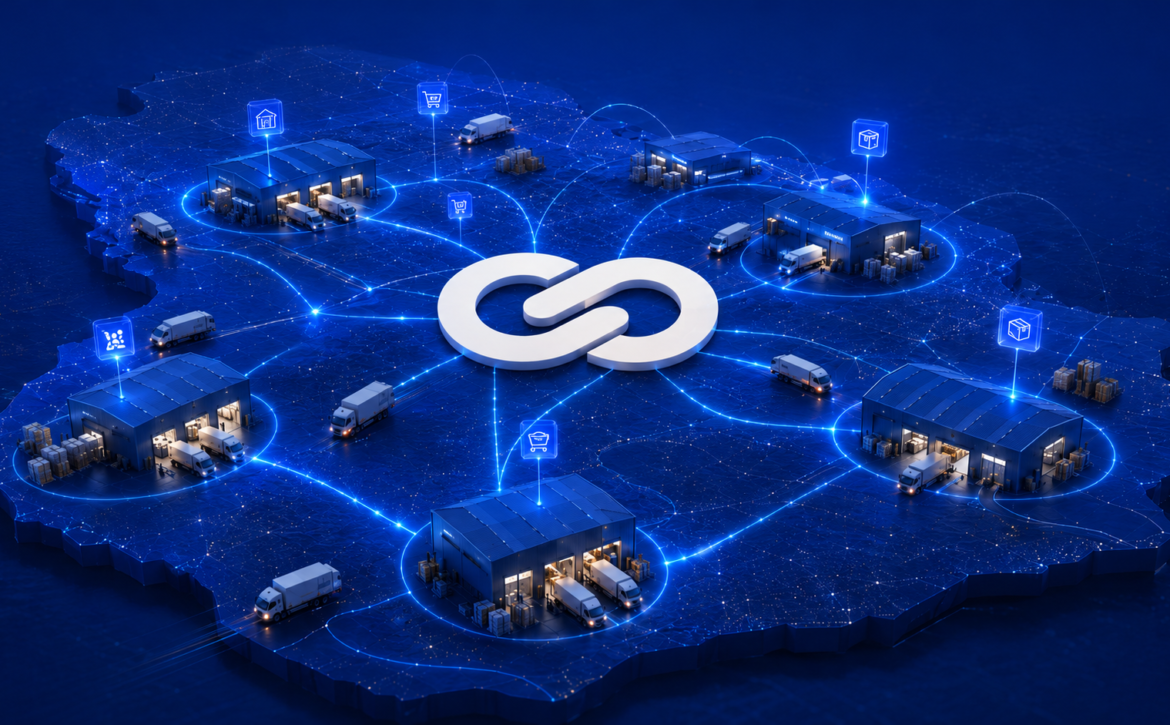
بل يمكّنك من تقديم خدمات لوجستية متكاملة تحت اسم شركتك، بينما تتولى فاستكو تشغيل البنية التقنية والتشغيلية خلف الكواليس.

أنت تجيب العملاء.
أنت تبيع الخدمة.
أنت تسعّر بهامشك.
أنت تبني علامتك التجارية.
وفاستكو توفر لك التقنية، التشغيل، التخزين، تنفيذ الطلبات، الشحن، التتبع، التقارير، والدعم التشغيلي من خلال شبكة جاهزة قابلة للتوسع.


ما المقصود بـ White Label Logistics؟


يمكنك زيارة صفحة الخدمات من هنا “الحلول اللوجستية بهوية شركتك”

المقصود أن تستطيع إطلاق أو توسيع خدماتك اللوجستية تحت هوية شركتك، دون أن تضطر إلى بناء مستودعات، أو تطوير أنظمة، أو توظيف فرق تشغيل كبيرة، أو تأسيس شبكة شحن وربط وتقارير من الصفر.

الخدمة تظهر أمام عميلك باسمك.
لكن البنية التي تدير التشغيل في الخلفية تكون مدعومة من فاستكو وديجيباكس.

هذا يعني أنك تستطيع تقديم خدمات مثل:

  • التخزين.
  • تنفيذ الطلبات.
  • الفلفلمنت.
  • الشحن.
  • التتبع.
  • إدارة المخزون.
  • التقارير.
  • المرتجعات.
  • خدمات B2B.
  • خدمات B2C.
  • التوزيع.
  • الربط مع شركات الشحن.
  • إدارة العمليات اليومية.

كل ذلك دون بناء المنظومة داخليًا من البداية.


لماذا هذا النموذج مهم الآن؟

يمكنك زيارة صفحة الخدمات من هنا “الحلول اللوجستية بهوية شركتك”

لأن السوق تغيّر.

اليوم، الدخول إلى مجال التخزين أو الفلفلمنت أو الشحن يحتاج إلى أكثر من وجود رغبة أو فرصة. يحتاج إلى رأس مال، نظام، تشغيل، علاقات شحن، فريق دعم، إدارة جودة، تقارير، وفهم عميق لتوقعات العملاء.

وفي المقابل، المنافسة في السعودية أصبحت شرسة.

هناك شركات فلفلمنت، مستودعات سحابية، شركات شحن، مزودو Last Mile، شركات 3PL، منصات تقنية، ومزودون يقدمون أسعارًا منخفضة لجذب العملاء. هذا خلق ضغطًا مباشرًا على أي لاعب جديد أو حتى لاعب قائم يريد التوسع.

المنافسة لم تعد فقط على “من يقدم الخدمة”.
المنافسة أصبحت على:

  • السعر.
  • سرعة التشغيل.
  • جودة التجهيز.
  • مرونة التخزين.
  • قوة التتبع.
  • وضوح التقارير.
  • سرعة الربط.
  • القدرة على التوسع.
  • مستوى خدمة العملاء.
  • إدارة المرتجعات.
  • تقليل الأخطاء.
  • القدرة على خدمة أكثر من مدينة.

وهذا يجعل بناء كل شيء داخليًا قرارًا مكلفًا وثقيلًا.


الدخول التقليدي أصبح عالي المخاطر

يمكنك زيارة صفحة الخدمات من هنا “الحلول اللوجستية بهوية شركتك”

لو أردت دخول السوق بالطريقة التقليدية، ستحتاج غالبًا إلى:

  • استئجار مستودع.
  • تجهيز الموقع.
  • شراء أنظمة أو تطويرها.
  • توظيف فريق تشغيل.
  • توظيف مشرفين وعمال.
  • ربط شركات شحن.
  • بناء خدمة عملاء.
  • تجهيز تقارير وفوترة.
  • تحمل تكلفة أخطاء تشغيلية.
  • إدارة مرتجعات.
  • إدارة مواد تغليف.
  • دفع مصاريف ثابتة قبل وجود حجم طلبات كافٍ.

وهنا تبدأ المشكلة.

قبل أن تثبت حجم الطلب، تكون قد دخلت في التزامات مالية وتشغيلية كبيرة.
وإذا ضغطت الأسعار، يتآكل هامشك.
وإذا تأخر اكتساب العملاء، تبدأ المصاريف الثابتة بالضغط عليك.
وإذا توسعت، تحتاج إلى مستودعات وفِرق وربط إضافي.
وإذا دخلت مدينة جديدة، تبدأ دورة التأسيس من جديد.

هذا النموذج لم يعد مناسبًا لكثير من الشركات التي تريد دخول السوق أو التوسع بذكاء.


White Label ليس مرحلة مؤقتة… بل نموذج تشغيل مستدام

يمكنك زيارة صفحة الخدمات من هنا “الحلول اللوجستية بهوية شركتك”

الأهم هنا أن White Label Logistics ليس مجرد مرحلة مؤقتة حتى تكبر ثم تبني كل شيء بنفسك.

هذا فهم خاطئ.

حتى لو كان لديك عملاء ثابتون.
حتى لو كان لديك دخل مستقر.
حتى لو كان لديك طلبات متكررة.
حتى لو كنت تعرف السوق وتملك قدرة بيعية قوية.

ما زلت تحتاج إلى هذا النموذج لأنه يجعلك تعمل بطريقة أخف، أسرع، وأقل التزامًا ماليًا.

بدل أن تتحول إلى شركة مثقلة بالأصول، الإيجارات، الرواتب، الالتزامات، وتكاليف التشغيل الثابتة، تستطيع بناء شركة لوجستية أخف تعتمد على المبيعات، العملاء، التقنية، والعلاقة التجارية، بينما تستفيد من بنية فاستكو نيتورك في التشغيل.

هذا هو الفرق بين شركة لوجستية ثقيلة الأصول، وشركة لوجستية ذكية قابلة للتوسع.

لماذا النموذج Asset-Light أقوى؟


يمكنك زيارة صفحة الخدمات من هنا “الحلول اللوجستية بهوية شركتك”


النموذج الخفيف الأصول يمنحك مرونة أعلى.

أنت لا تبدأ بتجميع الالتزامات.
لا تحمل مستودعات على ظهرك.
لا تتحمل رواتب ضخمة قبل وجود حجم تشغيل كافٍ.
لا تشتري نظامًا وتدخل في تطوير طويل.
لا تضطر إلى بناء شبكة شحن من الصفر.
ولا تصبح محاصرًا بتكاليف ثابتة في مدينة واحدة.

بدل ذلك، تبدأ من بنية جاهزة.

تبيع.
تجلب العملاء.
تبني علامتك.
تختبر الخدمات.
توسع حسب الطلب.
وتدخل مدنًا جديدة من خلال Fastcoo Network بدل أن تبدأ كل مدينة من الصفر.

هذا النموذج يمنحك حرية أكبر في النمو.


التوسع لأي مدينة أو دولة يصبح أسهل


يمكنك زيارة صفحة الخدمات من هنا “الحلول اللوجستية بهوية شركتك”


أحد أكبر تحديات الشركات اللوجستية هو التوسع الجغرافي.

قد تنجح في مدينة، لكن عند دخول مدينة جديدة تبدأ المشاكل:

  • مستودع جديد.
  • فريق جديد.
  • مشرفون جدد.
  • عقود جديدة.
  • شركات شحن جديدة.
  • اختلافات تشغيلية.
  • تدريب جديد.
  • جودة غير مستقرة.
  • مصاريف تأسيس جديدة.
  • وقت طويل قبل الوصول إلى الاستقرار.

من خلال Fastcoo Network، التوسع يصبح أسهل لأنك لا تعتمد فقط على أصولك الخاصة.
أنت تستفيد من شبكة جاهزة، وشركاء، وأنظمة، وتشغيل، وربط، ومعايير يمكن تطبيقها حسب المدينة أو السوق.

هذا يعني أنك تستطيع التوسع من مدينة إلى أخرى، أو لاحقًا من دولة إلى أخرى، بدون أن تعيد بناء البنية التشغيلية كاملة في كل مرة.

وهذه نقطة قوية جدًا لأي شركة تريد النمو بسرعة وبدون تضخم في المصاريف.


لماذا هذا مهم لصاحب المستودع؟


يمكنك زيارة صفحة الخدمات من هنا “الحلول اللوجستية بهوية شركتك”


صاحب المستودع قد يملك مساحة، لكنه لا يملك بالضرورة منظومة لوجستية قابلة للبيع.

المستودع وحده لا يكفي.
المساحة وحدها لا تكفي.
وجود رفوف وطبليات لا يعني أنك أصبحت مقدم خدمة فلفلمنت أو 3PL جاهز للمنافسة.

لكي تنافس، تحتاج إلى:

  • نظام إدارة مخزون.
  • نظام طلبات.
  • تقارير.
  • ربط مع العملاء.
  • ربط مع شركات الشحن.
  • آلية استلام وتسليم.
  • خدمة عملاء.
  • تسعير واضح.
  • فواتير.
  • إدارة أخطاء.
  • إدارة مرتجعات.
  • مؤشرات أداء.
  • SLA.
  • SOP.

وهذا كله يحتاج وقتًا وخبرة وتكلفة.

نموذج White Label يساعد صاحب المستودع على تحويل المساحة إلى خدمة قابلة للبيع، دون أن يبني كل هذه الطبقات وحده.

بدل أن يبقى المستودع مجرد مساحة تنتظر التأجير، يمكن أن يتحول إلى جزء من خدمة لوجستية متكاملة تحت هوية الشريك، مدعومة بتقنية فاستكو وخبرة ديجيباكس التشغيلية.


لماذا هذا مهم للفلفلمنت سنتر؟


يمكنك زيارة صفحة الخدمات من هنا “الحلول اللوجستية بهوية شركتك”


الفلفلمنت سنتر قد يكون لديه تشغيل حالي، لكنه غالبًا يواجه تحديات واضحة:

  • ضغط الأسعار.
  • ارتفاع تكلفة العمالة.
  • ضعف الربط التقني.
  • صعوبة إدارة عدة عملاء.
  • مشاكل في التقارير.
  • مشاكل في الشحن.
  • تفاوت جودة الخدمة.
  • صعوبة التوسع لمدن أخرى.
  • ضعف المبيعات.
  • الاعتماد على عدد محدود من العملاء.
  • صعوبة تقديم خدمات إضافية مثل B2B أو التوزيع.

من خلال White Label، يستطيع الفلفلمنت سنتر أو مزود الخدمة أن يرفع قدرته التنافسية لأنه لا يعتمد فقط على إمكانياته الحالية. يستطيع الاستفادة من شبكة فاستكو، وربطها، وتقنيتها، ومعاييرها، وتوسيع الخدمات التي يقدمها لعملائه.

الأهم أنه يستطيع النمو بدون أن يدخل مباشرة في مصاريف تأسيس جديدة في كل مرحلة.


لماذا هذا النموذج أسهل في جذب الاستثمار؟


يمكنك زيارة صفحة الخدمات من هنا “الحلول اللوجستية بهوية شركتك”


النموذج التقليدي في اللوجستيات غالبًا يحتاج إلى أصول ثقيلة: مستودعات، مركبات، فرق تشغيل، تجهيزات، عقود طويلة، والتزامات ثابتة.

هذا النوع من النماذج قد يكون قويًا تشغيليًا، لكنه صعب على المستثمرين إذا لم يكن النمو واضحًا والهامش مضبوطًا.

أما نموذج White Label المدعوم من Fastcoo Network فيمنح الشريك تموضعًا أخف وأقرب إلى نموذج قابل للتوسع.

الشركة لا تحتاج إلى امتلاك كل الأصول.
لا تحتاج إلى بناء كل التقنية.
لا تحتاج إلى تشغيل كل شيء داخليًا.
بل تعتمد على بنية جاهزة وتقنية تم تزويدها بها، وتبني قيمتها حول العملاء، المبيعات، العلامة التجارية، العلاقات، ونمو الإيرادات.

هذا يجعل القصة الاستثمارية أسهل في الشرح:

  • التزامات أقل.
  • أصول ثابتة أقل.
  • توسع أسرع.
  • رأس مال مطلوب أقل.
  • مرونة أعلى.
  • قابلية دخول أسواق جديدة.
  • نموذج يعتمد على العملاء والإيرادات بدل التوسع المكلف في الأصول.
  • قدرة على اختبار السوق قبل الالتزام بتكاليف كبيرة.
  • إمكانية النمو عبر شبكة جاهزة بدل بناء شبكة من الصفر.

وهذا لا يعني أن الاستثمار مضمون، لكنه يجعل النموذج أكثر قابلية للفهم بالنسبة للمستثمرين، خصوصًا إذا كانت الشركة قادرة على إثبات الطلب، الاحتفاظ بالعملاء، وتحقيق هامش جيد.


المنافسة السعرية تفرض نموذجًا أخف


في السعودية، الأسعار في التخزين والشحن والفلفلمنت أصبحت حساسة جدًا.

العميل يقارن بين عدة مزودين.
يسأل عن سعر التخزين.
سعر البيك والباك.
سعر التغليف.
سعر الشحن.
رسوم المرتجعات.
رسوم COD.
التقارير.
زمن التسوية.
وخدمة العملاء.

أي تكلفة تشغيلية غير محسوبة ستظهر فورًا في السعر النهائي.

لو كانت تكاليفك الثابتة عالية، ستحتاج إلى رفع السعر.
ولو رفعت السعر، قد تخسر أمام المنافسين.
ولو خفضت السعر، قد تخسر هامشك.
ولو حاولت المنافسة بدون نظام وتشغيل قوي، ستخسر جودة الخدمة.

لذلك، الحل ليس دائمًا أن تبني أكثر.
الحل أن تبني أخف.

White Label يعطيك القدرة على المنافسة بهيكل تكلفة أفضل، لأنك لا تبدأ بحمل أصول والتزامات كبيرة، بل تستخدم بنية جاهزة وتدفع حسب الاستخدام والنموذج المتفق عليه.


ماذا توفر فاستكو في الخلفية؟


فاستكو توفر البنية التي تحتاجها لتشغيل الخدمة، وتشمل:

  • النظام التشغيلي.
  • إدارة الطلبات.
  • إدارة المخزون.
  • الربط مع شركات الشحن.
  • الداشبورد.
  • التتبع.
  • التقارير.
  • الفوترة التشغيلية.
  • التخزين.
  • تنفيذ الطلبات.
  • التجهيز والتغليف.
  • إدارة المرتجعات.
  • الدعم التشغيلي.
  • الدعم التقني.
  • خدمة العملاء حسب الاتفاق.
  • قابلية التوسع عبر الشبكة.

العميل يرى علامتك.
وأنت تدير العلاقة التجارية.
وفاستكو تدير الخلفية التشغيلية.


ماذا يبيع الشريك؟


الشريك يستطيع بيع خدمات لوجستية كاملة تحت اسمه، مثل:

  • التخزين للمتاجر.
  • الفلفلمنت.
  • الشحن.
  • إدارة الطلبات.
  • تجهيز الطلبات.
  • التغليف.
  • إدارة المخزون.
  • التتبع.
  • المرتجعات.
  • التوزيع.
  • خدمات B2B.
  • خدمات B2C.
  • حلول للمتاجر الإلكترونية.
  • حلول للشركات والموزعين.
  • حلول تشغيلية مخصصة حسب حاجة العميل.

يمكن للشريك أن يبدأ بخدمة واحدة، أو يقدم باقة كاملة.
الأهم أنه لا يحتاج إلى بناء كل طبقة بنفسه.


لمن يناسب هذا النموذج؟

يمكنك زيارة صفحة الخدمات من هنا “الحلول اللوجستية بهوية شركتك”


هذا النموذج مناسب لأي جهة تملك عملاء أو قدرة على جلب عملاء، وتريد تقديم خدمات لوجستية دون بناء البنية من الصفر.

يناسب:

  • أصحاب المستودعات.
  • مراكز الفلفلمنت.
  • شركات الشحن.
  • مزودي الخدمات اللوجستية.
  • وكالات التجارة الإلكترونية.
  • شركات إدارة المتاجر.
  • منصات التقنية.
  • شركات B2B.
  • المستثمرين ورواد الأعمال.
  • الشركات التي تريد إطلاق ذراع لوجستي باسمها.
  • الشركات التي تريد التوسع خارج مدينتها الحالية.
  • الشركات التي تريد دخول السوق بأقل التزام مالي.


لماذا الآن تحديدًا؟


يمكنك زيارة صفحة الخدمات من هنا “الحلول اللوجستية بهوية شركتك”


لأن الانتظار قد يكون مكلفًا.

السوق يتغير بسرعة.
المنافسون يتحركون.
الأسعار تضغط.
العملاء يرفعون توقعاتهم.
والدخول المتأخر يجعل تكلفة اكتساب العملاء أعلى.

إذا انتظرت حتى تبني كل شيء بنفسك، قد تدخل متأخرًا.
وإذا دخلت بتكلفة عالية، قد لا تستطيع المنافسة.
وإذا دخلت بدون تقنية، ستظهر الفجوات سريعًا.
وإذا دخلت بدون شبكة، ستبقى محدودًا بمدينة أو خدمة واحدة.

White Label يمنحك فرصة الدخول الآن، بدون ثقل الأصول، وبدون انتظار بناء كامل المنظومة.

أخيراً


White Label Logistics من Fastcoo Network by Diggipacks ليس مجرد خدمة تظهر باسم شركتك.

هو نموذج تشغيل كامل يسمح لك بإطلاق أو توسيع خدماتك اللوجستية تحت علامتك التجارية، دون بناء مستودعات أو أنظمة أو فرق تشغيل من الصفر.

حتى لو كان لديك عملاء ثابتون ودخل مستقر، يظل هذا النموذج مهمًا لأنه يحافظ على شركتك خفيفة، مرنة، وقابلة للتوسع دون أصول ثقيلة أو التزامات مالية مرهقة.

أنت تركز على العملاء، المبيعات، التسعير، والعلاقة التجارية.
وفاستكو توفر التقنية، التشغيل، الشبكة، التقارير، والتوسع.
وديجيباكس تضيف الخبرة التشغيلية والمعايير التي تجعل الخدمة قابلة للتنفيذ باحترافية.

في سوق مزدحم ومنافس، الفوز ليس لمن يبني كل شيء بنفسه.
الفوز لمن يدخل أسرع، يتوسع أذكى، ويحافظ على نموذج خفيف قادر على النمو.

Fastcoo White Label Logistics
خدمات لوجستية باسم شركتك، ببنية تشغيلية جاهزة، وتوسع أسهل عبر Fastcoo Network.

Read More
admin مايو 30, 2026 0 Comments

Fastcoo Network by Diggipacks: من ديجيباكس إلى بنية تحتية لوجستية موحدة لنمو الأعمال والشركاء

لم يعد القطاع اللوجستي يحتاج إلى حلول منفصلة تعمل كل واحدة منها بمعزل عن الأخرى. الشركات اليوم لا تبحث فقط عن مستودع، أو شركة شحن، أو نظام تقني، أو مزود تنفيذ طلبات. ما تحتاجه فعليًا هو بنية تحتية جاهزة تستطيع أن تخدم أعمالها من أول طلب إلى آخر نقطة في سلسلة الإمداد، مهما كان حجم النشاط، أو نوع البضاعة، أو مستوى التعقيد التشغيلي.

من هذا التحول جاءت Fastcoo Network by Diggipacks.

هذا التحول لا يمثل تغيير اسم فقط، ولا إعادة ترتيب للهوية التجارية. بل هو انتقال حقيقي من نموذج خدمات لوجستية منفصلة إلى نموذج بنية تحتية موحدة تجمع التقنية، التخزين، تنفيذ الطلبات، النقل، الميل الأخير، التتبع، المدفوعات، الشركاء، والمعايير التشغيلية تحت منظومة واحدة.

اليوم، أصبحت ديجيباكس جزءًا من شبكة فاستكو، ليس فقط لتقديم خدمات لوجستية للعملاء، بل لبناء شبكة شركاء لوجستيين مؤهلين يتم دعمهم بالنظام، التشغيل، والمعيار، والأهم: بالأعمال والفرص التجارية.

لماذا هذا التحول؟


خلال السنوات الماضية، ارتبط اسم ديجيباكس بخدمات التخزين، تنفيذ الطلبات، تجهيز الشحنات، إدارة المرتجعات، وخدمة المتاجر الإلكترونية والشركات. وفي المقابل، كانت فاستكو تمثل الذراع التقني الذي يدير الطلبات، المخزون، شركات الشحن، التتبع، المدفوعات، والربط بين أطراف التشغيل.

لكن السوق تغيّر.

العميل لم يعد يريد التعامل مع عدة أطراف منفصلة: مستودع، شركة نقل، شركة شحن، نظام إدارة طلبات، فريق متابعة، تقارير، ومدفوعات. هذا النموذج يرفع التكلفة، يزيد الأخطاء، ويضعف السيطرة التشغيلية.

وفي نفس الوقت، الشركاء اللوجستيون لم يعودوا بحاجة إلى نظام فقط. كثير من شركات التخزين، شركات الشحن، ومزودي الخدمات اللوجستية لديهم طاقة تشغيلية، مستودعات، فرق، أو تغطية، لكنهم يحتاجون إلى تدفق أعمال منظم، ومعايير تشغيل واضحة، وتقنية تساعدهم على النمو بدل العمل بشكل منفصل.

لذلك جاء التحول إلى Fastcoo Network by Diggipacks.

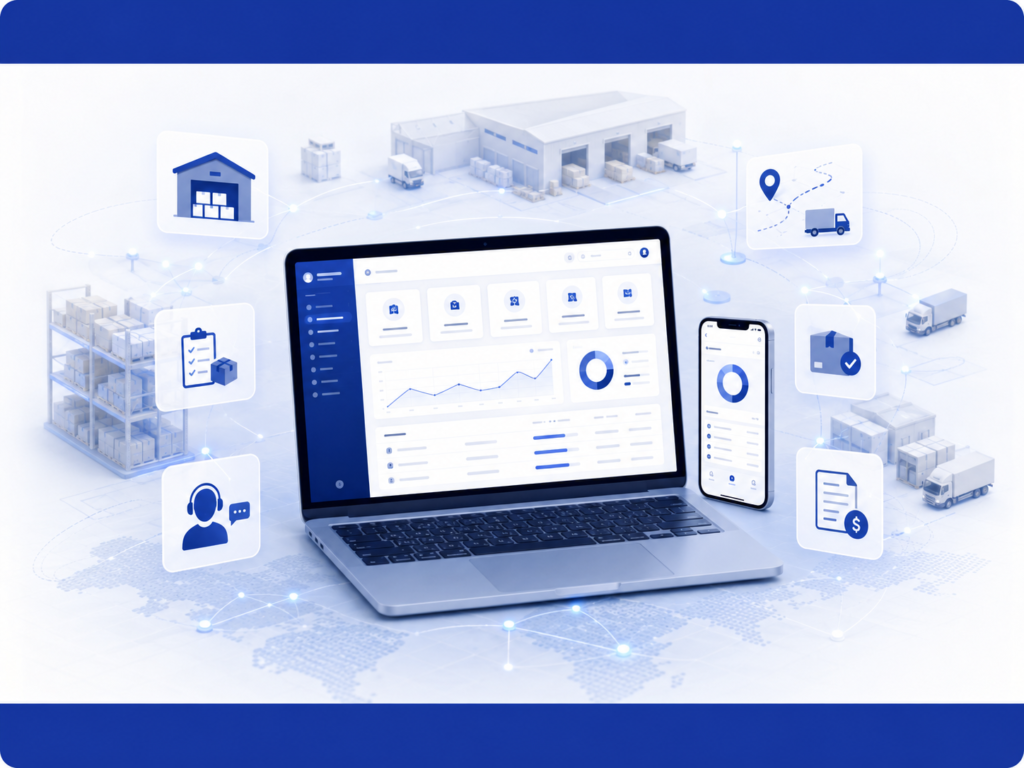
Blue Modern Technology Company Desktop Prototype 1


ما هي Fastcoo Network by Diggipacks؟


Fastcoo Network by Diggipacks هي شبكة لوجستية موحدة مدعومة بالتقنية، تربط بين العملاء، الشركاء، مزودي الخدمات اللوجستية، مراكز التخزين، شركات النقل، وشركات التوصيل من خلال نظام واحد، وداشبورد واحد، ومعايير تشغيل موحدة.

هي ليست مجرد منصة تقنية.
وليست مجرد فلفلمنت.
وليست مجرد شبكة توصيل.
وليست مجرد مستودعات.

هي بنية تشغيلية متكاملة تُمكّن أي شركة من الوصول إلى التخزين، النقل، التوزيع، الفلفلمنت، الميل الأخير، التتبع، المدفوعات، المرتجعات، والربط التقني من خلال منظومة واحدة قابلة للتوسع.

بمعنى أوضح:
أي شركة، بأي حجم، وبأي احتياج لوجستي، تستطيع استخدام شبكة فاستكو المدعومة من ديجيباكس للوصول إلى بنية جاهزة بدل بناء كل شيء من الصفر.


ديجيباكس لم تنتهِ… بل تحولت إلى معيار داخل الشبكة


التحول لا يعني أن ديجيباكس اختفت.
العكس تمامًا.

ديجيباكس أصبحت جزءًا أساسيًا من بنية فاستكو نيتورك، لأنها تحمل الخبرة التشغيلية والمعايير التي تم بناؤها منذ البداية في التخزين، تجهيز الطلبات، الفلفلمنت، إدارة المرتجعات، وخدمة العملاء.

ما تغيّر هو أن هذه الخبرة لم تعد محصورة داخل تشغيل ديجيباكس فقط، بل أصبحت معيارًا يتم تطبيقه على الشركاء المؤهلين داخل الشبكة.

أي شريك يدخل إلى Fastcoo Network by Diggipacks لا يدخل فقط لأنه يملك مستودعًا أو سيارات أو تغطية. الدخول إلى الشبكة يتطلب مطابقة معايير تشغيل واضحة، والالتزام بمستوى خدمة محدد، والعمل وفق SLA وSOP ينسجم مع المعايير الصارمة التي عملت عليها ديجيباكس منذ البداية.


شركاء فاستكو: ليس نظامًا فقط، بل نمو أعمال


النقطة الأهم في التحول أن فاستكو لم تعد تقدم للشركاء نظامًا تقنيًا فقط.

في النموذج السابق، كثير من الشركات التقنية تبيع النظام وتترك الشريك يبحث عن العملاء والتشغيل والنمو بنفسه. أما في Fastcoo Network by Diggipacks، فالشريك المؤهل لا يحصل فقط على نظام، بل يدخل ضمن شبكة أعمال.

هذا يعني أن فاستكو أصبحت تلعب دورًا مباشرًا في تنمية شركائها من خلال:

  • ربطهم بفرص تشغيلية حقيقية.
  • تحويل الطلبات المناسبة لهم حسب المدينة، التغطية، القدرة، ونوع الخدمة.
  • تعبئة المساحات التشغيلية غير المستغلة لدى الشركاء.
  • ربطهم بالعملاء الذين يحتاجون إلى تخزين، فلفلمنت، نقل، توزيع، أو ميل أخير.
  • دعمهم بالتقنية، التقارير، التشغيل، ومتابعة الأداء.
  • رفع مستوى الشريك تدريجيًا ليكون قادرًا على خدمة عملاء أكبر.
  • خلق شبكة نمو مشتركة بين فاستكو، ديجيباكس، العملاء، والشركاء.

بمعنى مباشر:
فاستكو لا تقول للشريك “استخدم النظام فقط”.
بل تقول له: “إذا التزمت بالمعايير، سنساعدك على النمو داخل الشبكة”.


ليس أي شريك يدخل الشبكة


Fastcoo Network by Diggipacks ليست شبكة مفتوحة لأي مزود خدمة.

هذا مهم جدًا.

لأن قوة الشبكة لا تأتي من كثرة الشركاء فقط، بل من جودة الشركاء. لذلك، الدخول إلى الشبكة يجب أن يكون مبنيًا على قدرة الشريك على الالتزام بالمعايير التشغيلية المطلوبة.

الشريك يجب أن يكون قادرًا على مطابقة:

  • مستوى الخدمة المطلوب SLA.
  • إجراءات التشغيل القياسية SOP.
  • معايير التخزين والمناولة.
  • سرعة التنفيذ والاستجابة.
  • دقة التقارير والتحديثات.
  • الالتزام بمتطلبات العميل.
  • جودة التجهيز والتسليم.
  • سلامة البضائع.
  • الربط التقني مع أنظمة فاستكو.
  • قابلية القياس والمتابعة عبر الداشبورد.

هذا ما يجعل Fastcoo Network by Diggipacks مختلفة عن مجرد “قائمة مزودين”.
هي شبكة تشغيل مؤهلة، وليست دليل شركات.


SLA و SOP موحدان عبر الشبكة


من أكبر مشاكل التعامل مع عدة مزودين لوجستيين أن كل مزود يعمل بطريقته الخاصة.
كل مستودع له أسلوب.
كل شركة شحن لها آلية.
كل فريق تشغيل لديه مستوى مختلف.
وكل عميل يعاني من تفاوت الخدمة بين مدينة وأخرى.

Fastcoo Network by Diggipacks تعالج هذه المشكلة من خلال توحيد المعايير التشغيلية قدر الإمكان عبر الشبكة.

وجود SLA وSOP موحدين يساعد على:

  • تقليل التفاوت بين الشركاء.
  • رفع جودة الخدمة.
  • وضوح المسؤوليات.
  • تسهيل مراقبة الأداء.
  • تقليل الأخطاء التشغيلية.
  • تحسين تجربة العميل.
  • تسريع التوسع في أكثر من مدينة.
  • جعل الشركاء يعملون تحت معيار موحد بدل التشغيل العشوائي.

العميل لا يريد أن يعرف من هو الشريك في الخلفية إذا كانت التجربة مختلفة في كل مرة. العميل يريد خدمة مستقرة، واضحة، قابلة للقياس، ومدعومة بتقنية واحدة.

وهذا هو دور فاستكو نيتورك.


new image fastcoo network


داشبورد واحد وتقنية واحدة


القيمة الأساسية في Fastcoo Network by Diggipacks أن الشبكة لا تعمل بشكل منفصل أو يدوي. جميع الخدمات يتم ربطها تقنيًا ضمن منظومة فاستكو.

من خلال الداشبورد، يستطيع العميل أو الشريك متابعة العمليات حسب طبيعة الخدمة:

  • المخزون.
  • الطلبات.
  • مواقع التخزين.
  • الشحنات.
  • النقل.
  • حالة التجهيز.
  • شركات التوصيل.
  • التتبع.
  • المرتجعات.
  • الفواتير.
  • المدفوعات.
  • تقارير الأداء.
  • مؤشرات الخدمة.
  • الالتزام بالـ SLA.
  • تنفيذ إجراءات الـ SOP.

هذا يمنح العميل رؤية تشغيلية موحدة، ويمنح الشريك أداة تشغيل واضحة، ويمنح فاستكو القدرة على مراقبة الجودة وتنمية الشبكة بشكل منظم.


الدخول في خدمات B2B: مرحلة أكبر من الفلفلمنت


واحدة من أهم مراحل التحول هي توسع Fastcoo Network by Diggipacks في خدمات B2B Logistics.

لم يعد النموذج مقتصرًا على تجهيز طلبات المتاجر الإلكترونية أو شحن الطرود الصغيرة. اليوم أصبحت المنظومة تخدم احتياجات الشركات الكبرى، المصانع، المستوردين، الموزعين، تجار الجملة، وشركات التجزئة من خلال حلول تخزين، نقل، توزيع، وتشغيل أوسع.

هذا يعني أن فاستكو نيتورك أصبحت قادرة على خدمة الأعمال التي تحتاج إلى:

  • تخزين كبير.
  • طبليات.
  • شحنات ثقيلة.
  • نقل بين المدن.
  • توزيع B2B.
  • مستودعات مرخصة.
  • تخزين جاف.
  • تخزين غير مبرد.
  • تخزين عالي الخطورة.
  • تشغيل بمعايير خاصة.
  • مساحات مرنة حسب الطلب.

مساحات تتجاوز 500,000 متر مربع عبر الشركاء


من خلال شبكة الشركاء، أصبحت Fastcoo Network by Diggipacks قادرة على الوصول إلى مساحات تخزينية تتجاوز 500,000 متر مربع.

الأهم أن هذه المساحات لا يتم تقديمها كمساحات عشوائية أو منفصلة، بل ضمن منظومة تشغيلية موحدة، بحيث يستطيع العميل الحصول على المساحة التي يحتاجها، في المدينة التي يحتاجها، وبالمعيار التشغيلي المطلوب.

العميل قد يحتاج إلى 20 طبليه فقط.
وقد يحتاج إلى 500 متر مربع.
وقد يحتاج إلى 10,000 متر مربع.
وقد يحتاج إلى مساحة موزعة في أكثر من مدينة.
وقد يحتاج إلى مستودع جاف، مرخص، أو عالي الخطورة.

في النموذج التقليدي، كل حالة من هذه الحالات تحتاج إلى بحث، تفاوض، عقود، تشغيل، متابعة، ونظام مستقل.

أما في Fastcoo Network by Diggipacks، فالهدف هو أن تكون هذه الاحتياجات قابلة للإدارة من خلال منظومة واحدة.


التخزين الثقيل والتخزين المتخصص


Fastcoo Network by Diggipacks أصبحت قادرة على خدمة التخزين الثقيل بأنواعه، وليس فقط التخزين الخفيف أو فلفلمنت المتاجر.

وتشمل الخدمات:

1. التخزين الثقيل


خدمة مخصصة للشركات التي لديها طبليات، بضائع كبيرة، كراتين ضخمة، أو مخزون يحتاج إلى مساحة واسعة ومناولة مناسبة.

2. التخزين الجاف

حلول تخزين للبضائع التي لا تحتاج إلى تبريد، لكنها تحتاج إلى تنظيم، رقابة، إدارة مخزون، وتتبع.

3. التخزين غير المبرد / المبرد


للشركات التي تحتاج إلى تخزين تجاري أو صناعي أو توزيعي دون اشتراطات تبريد، مع إمكانية إدارة الحركة والتوزيع من خلال النظام.

4. التخزين المرخص / SFDA


لبعض الأنشطة التي تحتاج إلى اشتراطات تشغيلية أو تنظيمية خاصة حسب طبيعة المنتج، يتم توجيه العميل إلى الشريك المناسب داخل الشبكة.

5. التخزين عالي الخطورة


بعض البضائع تحتاج إلى مستوى أعلى من الانضباط في المناولة، العزل، الحركة، التوثيق، والسلامة. وجود شركاء مؤهلين يسمح بخدمة هذه الفئة ضمن معايير أكثر وضوحًا.

هذه النقطة مهمة لأنها تخرج فاستكو نيتورك من نطاق “فلفلمنت المتاجر” فقط، وتضعها كبنية تحتية قادرة على خدمة قطاعات أكبر وأكثر تعقيدًا.


النقل الثقيل بكل أنواعه


التحول لم يتوقف عند التخزين.
Fastcoo Network by Diggipacks توسعت أيضًا في خدمات النقل الثقيل لخدمة الشركات التي تحتاج إلى نقل بضائع كبيرة، طبليات، شحنات مجمعة، أو توزيع بين المدن والمستودعات.

تشمل خدمات النقل الثقيل:

  • نقل الطبليات.
  • النقل بين المستودعات.
  • النقل بين المدن.
  • النقل الجاف.
  • النقل غير المبرد.
  • النقل المبرد
  • نقل البضائع كبيرة الحجم.
  • نقل الشحنات التجارية B2B.
  • دعم عمليات التوزيع للشركات والمصانع والموردين.

هذا يعني أن العميل لا يحتاج إلى البحث عن ناقل مختلف لكل عملية. الشبكة تساعده على الوصول إلى مزود النقل المناسب ضمن نفس المنظومة، مع متابعة تشغيلية وتقنية أوضح.


White Label Logistics: أطلق خدماتك اللوجستية باسم شركتك وفاستكو تتولى التشغيل


من أهم النماذج التي أصبحت جزءًا من Fastcoo Network by Diggipacks هو نموذج White Label Logistics، أو بشكل أوضح: الحلول اللوجستية بهوية شركتك.

هذا النموذج لا يعني فقط وضع شعار الشريك على النظام أو تشغيل الخدمة تحت اسمه.
المعنى الحقيقي أوسع بكثير.

الفكرة أن الشركة أو الشريك يستطيع تقديم خدمات لوجستية متكاملة لعملائه تحت علامته التجارية، بينما تتولى فاستكو تشغيل البنية الكاملة خلف الكواليس.

الشريك لا يحتاج أن يبني مستودعات.
ولا يحتاج أن يطوّر نظامًا.
ولا يحتاج أن يربط شركات شحن.
ولا يحتاج أن يؤسس فريق تشغيل كامل.
ولا يحتاج أن يدير خدمة العملاء والتقارير والعمليات اليومية من الصفر.

دوره الأساسي هو التركيز على العملاء، البيع، التسعير، وبناء العلاقة التجارية.
أما فاستكو، المدعومة بخبرة ديجيباكس التشغيلية، فتتولى التقنية، التخزين، تنفيذ الطلبات، الشحن، التتبع، التقارير، وخدمة العمليات حسب النموذج المتفق عليه.

بمعنى مباشر:
الشريك يجيب العملاء، وفاستكو تشغّل الخدمة بالكامل.


كيف يعمل النموذج؟


من خلال White Label، يستطيع الشريك إطلاق خدمة لوجستية باسمه دون الدخول في تعقيدات التشغيل اليومي.

فاستكو توفر له البنية الجاهزة، وتشمل:

  • نظام إدارة الطلبات.
  • نظام إدارة المخزون.
  • مستودعات ومساحات تشغيلية جاهزة.
  • تنفيذ الطلبات والتجهيز والتغليف.
  • الربط مع شركات الشحن.
  • التتبع اللحظي للشحنات.
  • إدارة المرتجعات حسب نوع الخدمة.
  • التقارير التشغيلية.
  • الفوترة حسب الاستخدام.
  • متابعة الأداء.
  • الدعم التقني والتشغيلي.
  • خدمة العملاء حسب الاتفاق.
  • قابلية التوسع مع نمو حجم العملاء.

كل هذه الخدمات تعمل في الخلفية من خلال فاستكو، بينما تظهر التجربة أمام العميل النهائي تحت هوية الشريك.


الشريك يبيع… وفاستكو تنفذ


القيمة الأساسية في هذا النموذج أن الشريك لا يتحمل عبء بناء شركة لوجستية من الصفر.

بدل أن يستثمر في المستودعات، الأنظمة، التوظيف، التشغيل، الربط، والدعم، يستطيع البدء مباشرة من خلال منظومة جاهزة.

الشريك يحدد باقاته وأسعاره لعملائه، ويبني هامشه التجاري، بينما تقوم فاستكو بتشغيل الخدمة فعليًا بناءً على الاستخدام والخدمات المطلوبة.

هذا يجعل النموذج مناسبًا لأي شركة تملك قاعدة عملاء أو قدرة بيعية، وتريد إضافة خدمات لوجستية إلى أعمالها دون تحمل تكلفة تأسيس وتشغيل كبيرة.


لمن يناسب هذا النموذج؟


هذا النموذج مناسب للشركات التي تريد دخول القطاع اللوجستي أو توسيع خدماتها بسرعة، خصوصًا إذا كانت تملك العملاء ولا تملك البنية التشغيلية.

ومن أمثلتها:

  • شركات الشحن.
  • مزودو الخدمات اللوجستية.
  • وكالات التجارة الإلكترونية.
  • شركات إدارة المتاجر.
  • شركات التقنية التي تخدم التجار.
  • منصات البيع.
  • المستثمرون ورواد الأعمال.
  • الشركات التي تريد إطلاق ذراع لوجستي خاص بها.
  • الشركات التي تريد تقديم التخزين والشحن لعملائها تحت علامتها.

في كل هذه الحالات، لا يحتاج الشريك أن يبدأ من الصفر.
فاستكو توفر له المحرك التشغيلي الكامل، وهو يركز على السوق والعملاء.


ماذا يستفيد الشريك؟


الشريك يحصل على قدرة فورية لتقديم خدمات لوجستية متكاملة دون بناء البنية من البداية.

يستفيد من:

  • تقليل تكلفة التأسيس.
  • تقليل المخاطر التشغيلية.
  • سرعة دخول السوق.
  • تشغيل الخدمة تحت علامته التجارية.
  • عدم الحاجة لفريق تقني وتشغيلي كبير.
  • الاستفادة من شبكة فاستكو اللوجستية.
  • الاستفادة من خبرة ديجيباكس في التشغيل والمعايير.
  • التوسع حسب الطلب بدل الالتزام بتكاليف ثابتة عالية.
  • القدرة على تقديم خدمات التخزين، الفلفلمنت، الشحن، والتقارير لعملائه مباشرة.

هذا يحوّل الشريك من مجرد وسيط أو مزود محدود إلى شركة قادرة على تقديم خدمة لوجستية كاملة باسمها.


دور فاستكو وديجيباكس في النموذج


فاستكو توفر التقنية، الأنظمة، الربط، الداشبورد، التتبع، التقارير، وإدارة الشبكة.

ديجيباكس تضيف الخبرة التشغيلية، معايير التنفيذ، إدارة الفلفلمنت، وفهم تفاصيل التخزين، تجهيز الطلبات، المرتجعات، وخدمة العمليات.

الشريك يضيف السوق والعملاء والعلاقة التجارية.

بهذا الشكل، يصبح النموذج واضحًا:

الشريك يبيع وينمّي عملاءه.
فاستكو تشغّل وتدير البنية.
ديجيباكس تضمن الخبرة والمعيار التشغيلي.


ليس مجرد نظام… بل بنية تشغيل كاملة


الفرق الجوهري أن White Label داخل Fastcoo Network by Diggipacks ليس بيع نظام فقط.

لو كان مجرد نظام، سيظل الشريك بحاجة إلى مستودعات، موظفين، ربط شحن، متابعة، خدمة عملاء، وتقارير.

لكن النموذج هنا مختلف.
فاستكو لا تعطي الشريك برنامجًا فقط، بل تعطيه بنية تشغيلية جاهزة يستطيع من خلالها تقديم الخدمة لعملائه مباشرة.

هذا هو الفرق بين “استخدم نظامنا” و “شغّل خدمتك اللوجستية باسمك ونحن ندير لك الخلفية كاملة”.


الالتزام بالمعايير


رغم أن النموذج يسهّل دخول الشركاء للسوق، إلا أنه لا يعني أن التشغيل يتم بدون معايير.

أي خدمة تعمل من خلال Fastcoo Network by Diggipacks يجب أن تلتزم بمستوى تشغيل واضح، لأن جودة الخدمة في النهاية تنعكس على العميل النهائي، وعلى الشريك، وعلى الشبكة بالكامل.

لذلك يتم تشغيل الخدمات وفق معايير واضحة تشمل:

  • مستوى الخدمة SLA.
  • إجراءات التشغيل SOP.
  • دقة التحديثات.
  • جودة التخزين والتجهيز.
  • سرعة الاستجابة.
  • وضوح التقارير.
  • الالتزام بالتتبع.
  • جودة تجربة العميل النهائي.

فاستكو لا تبني نموذجًا قائمًا على كثرة الشركاء فقط، بل على تشغيل قابل للقياس والتحسين.


اهمية النموذج للشركات اللوجستية


White Label Logistics داخل Fastcoo Network by Diggipacks هو نموذج يمكّن الشركات من إطلاق خدمات لوجستية متكاملة تحت علامتها التجارية، دون بناء مستودعات أو أنظمة أو فرق تشغيل من الصفر.

الشريك يجيب العملاء، يبيع الخدمة، ويسعّر بهامشه.
وفاستكو تتولى التقنية، التشغيل، التخزين، الشحن، التتبع، التقارير، والدعم التشغيلي.
وديجيباكس تضيف الخبرة والمعايير التي تجعل الخدمة قابلة للتشغيل باحترافية.

هذا النموذج لا يبيع برنامجًا فقط.
بل يفتح للشركاء باب الدخول إلى السوق اللوجستي ببنية جاهزة، مخاطرة أقل، وسرعة أعلى في النمو.


الفرق بين النموذج القديم والجديد


في النموذج القديم، العميل يبحث عن مزودين منفصلين.
والشريك يبحث عن عملاء منفصلين.
والتقنية تعمل في جهة.
والتشغيل في جهة.
والتقارير في جهة.

النتيجة: تكلفة أعلى، أخطاء أكثر، رؤية أضعف، وتجربة غير مستقرة.

في النموذج الجديد، فاستكو نيتورك تجمع الأطراف داخل منظومة واحدة:

  • العميل يحصل على حلول لوجستية جاهزة.
  • الشريك يحصل على نظام وأعمال وفرص نمو.
  • فاستكو تراقب الجودة وتدير الربط.
  • ديجيباكس تضيف الخبرة التشغيلية والمعايير.
  • العمليات تعمل تحت داشبورد واحد.
  • الأداء يُقاس من خلال SLA وSOP موحدين.

هذا هو الفرق بين منصة تقنية فقط، وبين بنية تحتية لوجستية متكاملة.


بنية تحتية جاهزة لأي نوع من الأعمال


الرسالة الأساسية لهذا التحول هي أن Fastcoo Network by Diggipacks أصبحت بنية تحتية جاهزة لأي نوع من الأعمال.

ليست موجهة فقط للمتاجر الصغيرة.
وليست موجهة فقط للفلفلمنت.
وليست موجهة فقط لشركات الشحن.
وليست موجهة فقط للـ B2C.

بل تخدم:

  • المتاجر الإلكترونية.
  • الشركات التجارية.
  • المصانع.
  • الموزعين.
  • شركات التجزئة.
  • شركات الشحن.
  • مزودي الخدمات اللوجستية.
  • الجهات التي تحتاج White Label.
  • الشركات التي تحتاج تخزينًا ثقيلًا.
  • الشركات التي تحتاج نقلًا ثقيلًا.
  • الشركات التي تحتاج مساحات كبيرة.
  • الشركات التي تحتاج توسعًا في أكثر من مدينة.

كل ذلك من خلال شبكة شركاء، تقنية واحدة، داشبورد واحد، ومعايير تشغيل موحدة.


لماذا هذا التحول مهم للسوق السعودي والخليجي؟


السوق السعودي والخليجي يشهد نموًا كبيرًا في التجارة الإلكترونية، التوزيع، الخدمات اللوجستية، وسلاسل الإمداد. لكن النمو وحده لا يكفي إذا لم تكن هناك بنية تشغيلية قادرة على دعمه.

الشركات تحتاج إلى مرونة.
تحتاج إلى تقليل التكاليف الثابتة.
تحتاج إلى سرعة في التوسع.
تحتاج إلى شركاء موثوقين.
تحتاج إلى تقنية تربط كل شيء.
وتحتاج إلى رؤية واضحة على عملياتها.

وفي المقابل، الشركاء يحتاجون إلى ما هو أكثر من النظام. يحتاجون إلى نمو، تدفق أعمال، معايير، ربط، ومتابعة تساعدهم على التحول من مزود خدمة منفصل إلى جزء من شبكة تشغيل أكبر.

Fastcoo Network by Diggipacks تأتي لتغطي هذه الفجوة من الطرفين:
تخدم العملاء ببنية لوجستية جاهزة، وتخدم الشركاء بمنظومة نمو مشروطة بالجودة والالتزام.


أخيراً


تحول ديجيباكس إلى Fastcoo Network by Diggipacks هو خطوة استراتيجية لبناء نموذج لوجستي أوسع من التخزين والفلفلمنت والشحن التقليدي.

اليوم، أصبحت المنظومة قادرة على خدمة B2C وB2B، التخزين الخفيف والثقيل، النقل الثقيل، التوزيع، White Label، الميل الأخير، التتبع، المدفوعات، والربط التقني، من خلال شبكة شركاء واسعة ومساحات تتجاوز 500,000 متر مربع.

لكن الأهم من حجم الشبكة هو طريقة إدارتها.

فاستكو نيتورك لا تجمع الشركاء فقط، بل تؤهلهم، تربطهم، تدعمهم بالتقنية، وتساعد على تنمية أعمالهم بشرط الالتزام بمعايير التشغيل المطلوبة.

ديجيباكس أضافت الخبرة التشغيلية والمعيار.
فاستكو أضافت التقنية والشبكة.
والنتيجة هي بنية تحتية لوجستية موحدة قادرة على خدمة أي نوع من الأعمال، بأي حجم، وتحت مستوى خدمة واضح.

Fastcoo Network by Diggipacks
تقنية واحدة. شبكة واحدة. شركاء مؤهلون. تشغيل موحد. وبنية جاهزة لنمو الأعمال.

Read More
admin مايو 30, 2026 0 Comments

All you need to know about smart lockers

[et_pb_section fb_built=”1″ _builder_version=”3.22″][et_pb_row _builder_version=”3.25″ background_size=”initial” background_position=”top_left” background_repeat=”repeat”][et_pb_column type=”4_4″ _builder_version=”3.25″ custom_padding=”|||” custom_padding__hover=”|||”][et_pb_text _builder_version=”4.9.3″ background_size=”initial” background_position=”top_left” background_repeat=”repeat” hover_enabled=”0″ text_text_color=”#474747″ text_font_size=”18px” header_text_color=”#000000″ header_2_text_color=”#E02B20″ header_2_font_size=”24px” header_3_text_color=”#E02B20″ header_3_font_size=”24px” header_4_text_color=”#E02B20″ header_4_font_size=”24px” sticky_enabled=”0″]

Smart lockers are one of the most important modern innovations, especially as they work greatly to reduce the cost of delivery options, and with the spread of e-commerce since the late 1990s and with the tremendous and continuous technological development witnessed by all aspects of life, smart lockers have appeared, which go beyond just a larger and more mailbox. Smart for parcels, it has become to perform many other tasks, and in this article we will learn together about smart lockers in some detail.

What are smart lockers?

Smart Lockers are a set of flexible tools that secure equipment and manage workflow, and smart lockers are the cornerstone of retail and e-commerce companies.

Due to consumers’ preference for convenience and ease when making orders on the Internet, smart lockers will transform the way people can shop, making it more accessible.

How do smart locker systems work? 

Basically, smart locker systems are highly automated storage and distribution systems, and they assist in controlling available assets for checkout, marking assets that need development, and alerts you if any irregularities occur upon checkout. The flexibility of smart locker systems makes it the ideal solution to face all updates of storage and distribution for any industry, as it is a sensor system capable of monitoring itself, integrated that can analyze a huge set of data and change performance for the better automatically.

Benefits of smart lockers

Smart lockers add many benefits, prompting a large number of retailers to integrate the smart locker system into store pick-up services, and the following are the benefits of smart locker systems:

1. Reducing labor costs

As smart locker systems, of course, work to automate tasks, especially those that take medical time, in addition to assisting in making transactions, logging in and out, as well as preparing reports, which saves more labor and thus reflects on the costs, leading to reduced labor costs.

2. Reducing possible losses

With the use of automatic recording of transactions, the incidence of human errors will be reduced. Through smart locker systems, workers will be able to abuse the person who accessed the treasury at the specified time, and thus effective monitoring, which will result in reducing possible losses in assets.

3. Process improvement

Smart Lockers are not just safe devices, but they also create completely new workflows. They help improve all processes by providing technicians with an automatic email-like system that alerts them to a problem and provides them with a report on it.

4. Permanently working systems

The smart locker systems are designed in a way to make them work permanently, as the smart lockers have battery backups, which make all the smart features work even without power.

Thus, even in cases of network failure or problems, the smart storage systems will continue to work, and as soon as the network returns again, it will send all the data stored during the outage to the management program, thus staying in constant contact.

Smart lockers for packages

Smart Locker systems provide a secure solution for storing packages, thanks to the integrated technologies available in these systems, which essentially automate the process of package receipt, notification and distribution.

Once you deposit your packages in one of the smart locker systems, you will be able to get alerts that the recipient will automatically receive on his mobile phone as a text message or in an email, which informs him that his package is ready for receipt.

Smart Package Locker systems offer a modular approach and future and responsible proof of your packages, which will ultimately result in creating easier and effective package delivery process.

You can use Diggipacks, as the Diggipacks technology has been designed with the highest standards and to serve our customers better. We have created special applications for each client as well as a customer control panel so that our customers can follow the latest updates and reports at any place or time.

[/et_pb_text][/et_pb_column][/et_pb_row][/et_pb_section]

Read More
admin يناير 11, 2026 0 Comments

Which shipping method is best for your Online Store?

Whether your online business is small or has a large daily sales flow, you will know that increasing your knowledge about e-commerce shipping is a very important topic for the smoothness of your e-commerce, we will show you the best shipping method for your online store.

Read More
admin يناير 11, 2026 0 Comments

shipping logistics Tips & Solutions | 11 Shipping and Logistics Trends for 2021

[et_pb_section][et_pb_row][et_pb_column type=”4_4″][et_pb_text]

Attention to the quality of shipping services is extremely necessary, as it is one of the important factors that motivate customers to repeat the experience again, and any errors in cargo shipping logistics operations will greatly affect your business and may cause a bad reputation, as cargo shipping operations are not limited to just sending a box To the customer, but it is a way by which you can increase your customers and your sales, so ensuring the quality of shipping services is indispensable, and given that ensuring the quality of shipping services is complicated and sometimes very expensive, we offer you today a number of tips that will facilitate this process completely.

What are shipping logistics operations?

Shipping is the actual transportation of a commodity from one point to another, such as moving goods from a warehouse to a customer. The shipping process follows the manufacturing and packaging of the goods and will be controlled by a freight or logistics company.

The most prominent shipping methods

There are many possible ways to ship goods locally and internationally, and in general, there are 3 forms of shipping goods:

  • Shipping by air
  • Shipping by sea
  • Shipping by land

The comparison between them is based on the cost, the size of the goods themselves, the extent of their importance, and their characteristics. Valuable goods are often shipped by air freight. As for the cost, the least expensive shipping method is sea freight, of course. As for local packing, land routes are the most appropriate and economical solution.

see more: 

http://diggipacks.com/shipping-method/

The best shipping logistics Tips & Solutions

Many individuals are looking for the best shipping tips and solutions, not only the owners of shipping companies but also individuals who ship goods want to know what are the best ways in which they can ship goods appropriately, and here are a number of effective shipping tips and solutions:

1. Choose the appropriate package size
The first thing that you should take care of when shipping your goods is the packaging process, especially since it basically works to contrast your brand in front of others.
Therefore, packaging and determining the size of the goods is the first thing that should occupy your mind when shipping any item, especially since the wrong packaging and inappropriate for the size of the products themselves may expose you to damage the product itself and thus incur more costs.

2. Be prepared for changes
Shipping prices and policies are constantly changing, so I was well prepared for any changes in them, as most shipping companies sometimes reduce prices, and at other times these companies vary in their prices.

3. Keep track of your shipping supplies
Following up on shipping supplies is very important, as it is necessary to send your customers’ orders, for this reason, if you do not pay attention to the number of boxes you have and the packing requirements you will run into great problems and incur additional costs, so to avoid these problems, especially delaying customer orders, you will have to track your shipping supplies.

4. Check your shipments
Auditing your shipments will relieve you from the problem of delay in delivery, the problems of delivering shipments to the wrong addresses, and at the same time checking your shipments manually or by yourself will take a long time, so you need to seek the help of a logistics provider and automate the checks of shipments.

5. Automate your shipment
Most of the processes now work in the form of automation, due to their great role in saving time, effort, and money as well, while ensuring high quality.

shipping logistics

Automate your Shipment

Therefore, if you have a lot of product inventory and customer requests, and you are facing the problem of following all those works, you can use the full automation of those processes, especially since the automation makes shipping operations work more smoothly and accurately for you and your customers.

How an external logistics company can help you optimize your shipping operations

When it comes to shipping products, you must be careful, so there is no room for mistakes in that matter so that your products and your business will not collapse.
And outside logistics companies can help you effectively in improving your shipping operations, especially since most of these companies have services that can help you meet all the expectations of your customers.
It will also allow you to track your inventory and forecast various changes that may occur so that you are ready for them in time.
Diggipacks is one of the best shipping logistics companies that can help you in facilitating and simplifying shipping operations, especially as it mainly seeks to meet customer needs by providing various services and technologies for shipping and delivery.

Top 11 Shipping Logistics Trends for 2021

There are a number of recent trends affecting the future of Shipping Logistics services during 2021, and here are the top 11 shipping and logistics trends for 2021:

  1. Automation, which has effectively helped in providing many technological solutions and reducing a lot of costs.
  2. Smart warehousing, which has brought about a breakthrough in storage operations. Smart warehouses are facilities in which most operations are carried out by machines or robots operating with software and supported by artificial intelligence.
  3. The last mile priority, with which alternative shipping methods have been promoted, such as the use of bicycles as delivery vehicles as well.
  4. Green logistics, in an effort to make the supply chain as sustainable as possible, through the use of programs to map the carbon footprint and calculate the loads so that we can know the harmful effects on the environment, especially the air.
  5. Big data and business intelligence, through which better customer services are provided and better business and logistical decisions are made.
  6. Artificial Intelligence and the Internet of Things (IoT), which have improved communication between all parties involved in the supply chain, thus reducing costs, and improving route scheduling.
  7. Warehouse robots, which assisted employees with tasks such as warehousing, sourcing, and loading and unloading goods.
  8. Unmanned cargo aircraft, which can transport packages up to 6.6 pounds.
  9. Virtual reality and augmented reality, which made it possible to use 3D images and videos to simulate experiences in our facilities or introduce products.
  10. Blockchain, which is one of the tools to counter this cyber threat, which allows stevedores to receive orders directly from shipping companies without the need for intermediaries.
  11. Safety protocols, which helped promote the hygiene and sterilization of products and employees, with the aim of reducing the possibility of infection.

[/et_pb_text][/et_pb_column][/et_pb_row][/et_pb_section]

Read More
admin يناير 11, 2026 0 Comments

3 Reasons your business should consider using a 4PL

in addition to improving the performance of the supply chain. For logistics services to help improve the performance of companies, and in this article on diggipacks we will show you 3 reasons your business should consider using a 4PL.

Read More
admin يناير 11, 2026 0 Comments

5 Reasons to use a Freight Broker for Sending Freight

[et_pb_section fb_built=”1″ admin_label=”section” _builder_version=”3.22″][et_pb_row admin_label=”row” _builder_version=”3.25″ background_size=”initial” background_position=”top_left” background_repeat=”repeat”][et_pb_column type=”4_4″ _builder_version=”3.25″ custom_padding=”|||” custom_padding__hover=”|||”][et_pb_text admin_label=”Text” _builder_version=”4.9.2″ background_size=”initial” background_position=”top_left” background_repeat=”repeat” hover_enabled=”0″ text_text_color=”#474747″ text_font_size=”16px” header_2_text_color=”#E02B20″ header_2_font_size=”24px” header_3_text_color=”#E02B20″ header_3_font_size=”24px” header_4_text_color=”#E02B20″ header_4_font_size=”24px” sticky_enabled=”0″]

There are many reasons that push you to use a freight broker to send the goods, as freight forwarders will always be ready to find the best shipping method solutions, in addition to the ability to deal with all the details of sending goods from one place to another, which ultimately contributes to saving the total costs. And achieving customer satisfaction, in addition to saving your time to focus on the rest of your business, and below we will show you the top 5 reasons why you should use a freight broker to send goods

What is a freight broker?

It is an intermediary between shippers and carriers, and facilitates communication between the shipper and the carrier, as well as arranging and managing the shipment of goods from the shipper to the recipient, and he is responsible for ensuring that the delivery takes place smoothly between the carriers and the shippers.

see more: 

Move ever closer to your customers by offering a choice of delivery options and responding to their individual wishes

They also ensure that shipped goods will arrive safely on time, and they also use a network of carriers that can move the shipper’s product around the world using various forms of transportation including ships, trucks, and airplanes.

5 reasons to use a freight forwarder to send goods

Shipping brokers have many options related to supply chain management who will greatly assist you in facilitating the shipping process and safely delivering your goods, and here are the top 5 reasons for you to use a freight broker to send goods:

The first reason | Efficiency of freight brokers

Freight brokers are more efficient at sending goods, they are professional in shipping operations. Instead of being distracted and preoccupied with complicated freight forwarding operations, you can use freight brokers to complete this task efficiently.

see more: 

shipping logistics Tips & Solutions | 11 Shipping and Logistics Trends for 2021

Especially since freight brokers are better equipped to deal with shipping needs, making you free to complete and manage other tasks that you are more experienced with, thus saving time and effort as well as money and reducing errors that may appear.

The second reason | Experience of freight brokers

The most prominent thing that freight brokers excel at is the smooth completion of shipping operations. They are experts in shipping services and sending goods.

They possess the necessary resources and technology to provide you with visibility and reporting capabilities. Hiring them will provide you with the ability to focus on growing your business and keeping your customers happy.

The third reason | Continuously scalable

Freight brokers are very flexible, due to their superior ability to deal with the constant changes that may occur to your business.

Freight brokers are always ready to work with you regardless of your shipping patterns, and so with freight brokers you cannot worry about the process of shipping your goods.

The fourth reason | Freight brokers have a wide network of contactsfreight forwarder

Perhaps one of the main reasons why you use freight brokers  when sending your goods is that freight forwarders have a wide communication network, and this is very important when transporting and shipping goods.

This will help you access foreign markets easily, as well as reduce shipping costs. If you deal with shipping brokers, you are thus guaranteed to have huge relationships that increase your purchasing power.

The fifth reason | Achieve the partnership

The most important reason for using freight brokers when sending goods is to achieve partnership, as freight intermediaries act as partners with you, which makes you both benefit well.

A freight broker will work on your behalf, so achieving your success is a great benefit to him, so you need to use freight brokers, especially when expanding your business.

How Freight Brokers Agents Can Help Small Businesses

Shipping agents can help small companies tremendously, as freight brokers, as mentioned in the previous part, possess the experience and skill that makes them take the responsibility of shipping goods effectively, helping you to reach global markets and at the same time ensuring the safety of the goods transported and saving a lot of time and money as well.

If small companies are able to benefit from the skills and practices of freight brokers, and apply this in the small business market properly, that would impart professionalism in the small business environment and make it grow significantly and quickly. Small companies dealing with freight brokers will help reduce the total cost of shipping along with Achieve efficiency and a higher level of customer satisfaction.

[/et_pb_text][/et_pb_column][/et_pb_row][/et_pb_section]

Read More
admin يناير 11, 2026 0 Comments

How Manufacturing Warehouse Management Simplifies Today’s Complex Supply Chain

[et_pb_section fb_built=”1″ _builder_version=”3.22″][et_pb_row _builder_version=”3.25″ background_size=”initial” background_position=”top_left” background_repeat=”repeat”][et_pb_column type=”4_4″ _builder_version=”3.25″ custom_padding=”|||” custom_padding__hover=”|||”][et_pb_text _builder_version=”4.9.3″ text_text_color=”#474747″ text_font_size=”18px” header_2_text_color=”#000000″ header_2_font_size=”24px” header_3_text_color=”#000000″ header_3_font_size=”24px” background_size=”initial” background_position=”top_left” background_repeat=”repeat” hover_enabled=”0″ sticky_enabled=”0″]

There is an increase in the Importance of warehousing in supply chain from where planning and management, and by working as a team, supply chain planners and managers and all members at the first, middle and end of the chain have the ability to increase revenue and also control cost, in addition to better use of assets and finally to achieve customer satisfaction, Importance of warehousing in supply chain warehouse management can be of great help. In simplifying today’s complex supply chain operations.

What is Warehouse Management System (WMS)?

A warehouse management system (WMS) is a software solution hat provides visibility into the entire commercial inventory and manages supply chain implementations from the distribution center to the store shelves.

The importance of warehouse management system

The warehouse management system is of great importance, as these systems help in managing workers’ tasks, shipping method, as well as tracking them, and below we show you the importance of the warehouse management system:

1. Inventory control and management

The warehouse management system works to improve inventory management, by trying to reduce stock levels until they are appropriate, in addition to improving the process of order execution.

Warehouse management systems allow you to do this by controlling all activities of your warehouse, as each unit and all available details are tracked until orders are executed optimally.

2. Customer service and tracking

The better your warehouse is, the better the buying experience for your customers will be, as warehouse management systems help you check the availability of required products and items within your inventory.

As the accuracy of order delivery to customers has a big factor in repeating the experience again and increasing the satisfaction of your customers, and this is the task of warehouse management systems, which improve the accuracy of selection so that orders are delivered correctly the first time.

3. Enhancing company productivity

The warehouse is one of the primary factors that indicates how well your company is achieving its production goals, and inventory management systems can help you achieve this, as those systems give you efficiency, consistency and quality control, along with moving items as quickly as possible, thus improving each stage of implementation.

4. Increase your return on investment

Proper warehouse management systems allow you to improve your sales and thus increase your profits significantly, as a result of helping you to sell faster and more accurately to customers, thus reducing time, effort and errors as well, which increases customer satisfaction with the service provided to them.

you may like:

shipping logistics Tips & Solutions | 11 Shipping and Logistics Trends for 2021

what is Importance of warehousing in supply chain?

The warehouse and its systems are of great importance in supply chains, especially as supply chains have developed tremendously during the last 10 years, which resulted in significantly increasing freight and transportation costs.

Importance of warehousing in supply chain One of the most prominent ways that helped keep pace with this development in supply chains is robust warehouse management systems. Modern warehouse management systems have provided all the necessary controls to organize labor, inventory, as well as transportation operations. so Importance of warehousing in supply chain is a linked and indispensable process

What are the four functions of warehousing?

There are and 4 basic functions of warehouse:

1. Storage and protection of goods

It is the basic function of warehouses, as the company’s goods are stored from the time they are produced or purchased until the time they are delivered to customers, and the warehouse also helps protect the goods from loss or damage.

Especially since warehouses are equipped to suit the nature of the goods in them and thus protect them, which reduces the possibility of losses or wastage of resources.

2. Take risks

One of the most important functions of warehouses is that it also bears the accidental risks of storing goods, as the goods are delivered first to the warehouse keeper, who is responsible for any problems that may occur, and who takes all precautions against any possible errors.

3. Goods handling

Most of the goods are not consumed in the same form of their production. There are a number of goods that require little processing in order to become usable, and warehouses can perform this function.

4. Classification and packing

One of the basic functions of warehouses is also classification and packing, as warehouses provide all the facilities for packing, preparing and classifying goods, and goods can also be packed in a specific way at the request of their owner.

WMS benefits numerous aspects of the supply chain

Warehousing is a very important part of the logistics management system as well as supply chains, as warehouses assist in storing and packing goods and also shipping orders through it.so Importance of warehousing in supply chain is a linked and indispensable process

It also allows warehouses for companies to maintain their inventory, and helps to analyze all available data, which increases the speed of delivery of orders, and thus reduces the risk of delaying shipments, and the warehouse management system allows the possibility of tracking delivery times easier. so Importance of warehousing in supply chain is a linked and indispensable process

[/et_pb_text][/et_pb_column][/et_pb_row][/et_pb_section]

Read More
admin يناير 11, 2026 0 Comments

What are Cross-Docking, Types, Advantages and Disadvantages

[et_pb_section fb_built=”1″ _builder_version=”3.22″][et_pb_row _builder_version=”3.25″ background_size=”initial” background_position=”top_left” background_repeat=”repeat”][et_pb_column type=”4_4″ _builder_version=”3.25″ custom_padding=”|||” custom_padding__hover=”|||”][et_pb_text _builder_version=”4.9.4″ background_size=”initial” background_position=”top_left” background_repeat=”repeat” hover_enabled=”0″ text_font_size=”18px” header_2_text_color=”#E02B20″ header_2_font_size=”24px” header_3_font_size=”24px” header_3_text_color=”#E02B20″ header_4_text_color=”#E02B20″ header_4_font_size=”24px” sticky_enabled=”0″]

Cross-Docking is one of the most important factors that help you keep less inventory in your warehouse or experience faster transfers in inventory, and Cross-Docking can also be used to save on expenses associated with controlling inventory, and in this article we will talk about everything you need to know about Cross-Docking , Types, Advantages and Disadvantages.

What is Cross-Docking?

Cross-docking is a process in which products are supplied directly to customers without the need to process content between production plants, and this effectively reduces material handling as well as the purchase of goods in the warehouse.

Also, cross-docking efficiently speeds up the shipping process, thus customers get their orders directly, and in fact that is the primary goal of an integrated supply chain, but that does not preclude some actual risks in cross-docking solutions.

Types of Cross – Docking

There are a number of forms of cross-docking, and each one is related to the type of product the person himself sends, and here are the most prominent types of cross-docking:

1. Opportunistic cross-docking

This form is in which the products are transported directly from the receiving dock to the overseas delivery options dock, and it is used for the purpose of fulfilling the marketing order that the customer wants.

2. Cross-dock production

Through it, the products that have been sold as well as the incoming products that will be manufactured are received, and the warehouse can receive the goods and then arrange the sub-assemblies of the manufacturing orders.

3. Transport Cross-Docking

In this figure, freight from different carriers in the LTL segments is combined with the smaller package segments, in order to benefit from economies of scale.

you may like:

5 Reasons to use a Freight Broker for Sending Freight

4. Retail Cross-Docking

It is the form by which products from different manufacturers are found, or sorted to many retail outlets on outbound vehicles, and this method reduces costs a lot.

5. Supplier Cross-Docking

In this form, the goods received from different vendors are combined and then shipped to the customer as soon as the initial element is received, where the distributor of auto components, for example, can locate components from different vendors or combine them in the same shipment for the customer.

How does Cross-docking work?

Now you may be wondering about the way cross-docking works, and it is simply that the goods are transported by truck, plane or other suitable means of transport, and most often the products are allocated to a manufacturer.

And upon implementation of the cross-docking process, the products are taken from the first stage in shipping logistics, and then they are repacked and loaded again in another way to be shipped to the merchant, with the aim of transporting the products with the least possible amount of handling.

Advantages of Cross – Docking

There are a number of advantages that cross-docking gives user, the most prominent of which are:

1. Efficiency

As the cross-docking process helps in loading and converting products faster and in a short time, which positively affects customers, and thus creates a competitive advantage for companies, especially since the cross-docking process helps them meet customer requirements faster and more reliably.

2. Reducing costs

Cross-docking significantly reduces costs, especially since it actually reduces the need for large areas for a long time, which results in reduced packaging and inspection costs.

3. Reducing inventory management time

One of the most prominent advantages of cross – docking is reducing the time spent on managing inventory, by spending fewer hours dealing with inventory, and thus saving time on other, more important tasks, which will positively affect productivity.

Disadvantages of Cross – Docking

Although the cross – docking process gives its users great advantages, there are a number of disadvantages that it is also involved in sometimes, which we will refer to in the next part:

1. The need for a lot of time to plan

One of the main disadvantages of cross – docking is that it requires a long time to be properly planned and executed. Despite its speed and effectiveness in quickly transporting incoming goods to an outgoing vehicle, the process of preparing it requires a rather long time.

2. The high costs of using it

Although cross – docking reduces costs, the costs to install and use for the first time are rather high, as defining effective cross – docking procedures requires a large initial investment, but let’s agree that in the long term you will lower a lot of your costs.

3. Deflation risks

When the correct procedures for cross – docking are not in place, so-called shrinkage risks may arise.

you may like:

Which shipping method is best for your Online Store?

Is Cross-Docking my business solution?

Now you may be wondering, is cross – docking a workable solution? It has many benefits but it will be costly to implement it for the first time, so you need to determine whether cross – docking is a good fit for your business.

But in general, cross – docking is a practical solution, and even major companies, especially auto suppliers, are one of the industries that use cross – docking the most for long periods of time.

In addition to the food service industry, it also relies on cross – docking, especially since consumer restaurants provide a continuous supply of ingredients, so determining the effectiveness of cross – docking depends mainly on the nature of your business.

[/et_pb_text][/et_pb_column][/et_pb_row][/et_pb_section]

Read More
admin يناير 11, 2026 0 Comments

What are the 7 R’s of logistics?

[et_pb_section fb_built=”1″ _builder_version=”3.22″][et_pb_row _builder_version=”3.25″ background_size=”initial” background_position=”top_left” background_repeat=”repeat”][et_pb_column type=”4_4″ _builder_version=”3.25″ custom_padding=”|||” custom_padding__hover=”|||”][et_pb_text _builder_version=”4.9.3″ text_text_color=”#494949″ text_font_size=”18px” header_2_text_color=”#E02B20″ header_2_font_size=”24px” header_3_text_color=”#E02B20″ header_3_font_size=”24px” background_size=”initial” background_position=”top_left” background_repeat=”repeat” hover_enabled=”0″ sticky_enabled=”0″]

The concept of 7 r’s of logistics is one of the most important and famous concepts used in logistics management, which is very briefly laying the foundations by which to achieve the smooth operation of all operations, from shipping logistics to purchasing goods for customers, and in general the logistics management requires the best planning in order to be able to Facing the complexities of shipping effectively, as well as trying to reduce costs as much as possible, below we will show you everything you need to know about 7 R’s of Logistics.

What are 7 R’s of logistics?

Now you may be wondering what is meant by  7 R’s of logistics ? In fact and as we indicated in the introduction, it is one of the most important concepts in logistics management, which means getting the right product, in the right quantity, in the right condition, in the right place, at the right time, for the right customer, at the right price.

What does 7 R’s 7 r’s of logistics do?

7 R’s of logistics significance lies in the fact that it explains the function of logistics services, and the manner in which items can be moved simultaneously that meets specific criteria, such as time, quantity, price, and others.

This in the end will help in controlling the flow of products, as well as effective planning and efficient management in storing goods and information, which leads to meeting customer needs, reducing costs and increasing profits as well.

7 R’s for better logistics management

After we got to know 7 R’s concept of Logistics, let’s explain it in some detail and explain how it can improve the logistics management process:

1. Right product

Any company that provides a service must clearly specify the type of products that it will deal with and which it is ready to transfer, and knowing the product you want to deal in will help you save a lot of time and resources, and even manage it with proper guidance.

2. Right customer

One of the most important steps is to determine the segment of customers you deal with, and thus direct the appropriate service to the right customer, and this will require you to first determine the target market to provide attractive service to customers, which must actually meet their needs.

You can rely on modern marketing methods as well as digital marketing, which will help you expand the segment of your customers and get the largest possible number of suitable customers. Digital marketing methods have proven their effectiveness compared to traditional marketing methods. Right quantity

3. Right condition

In order to be able to maintain the condition of your products or your items well, you need effective storage, as each product is stored with reference to its specifications and placed on the appropriate facilities to maintain its condition and quality, and thus deliver them in a right condition.

4. Right place

Service providers will need to have drivers who are fully familiar with delivery options, along with the importance of providing tracking systems, which must be provided to the service owner and the customer himself, and thus provide the ability to track the location and thus ensure that all products are delivered in their correct place.

5. Right time

When talking about logistical services, we find that time is one of the most important elements, especially since all customers pay great attention to the delivery time, and the presence of any delay or defect in it may cost you the loss of customers.

These calls for service providers to know what are the appropriate times to provide products in an efficient and timely manner as well. Delivery control systems can be used to verify their arrival at the agreed time.

6. Right cost

The process of pricing services is a very important thing, as each service must have an appropriate price that covers costs while achieving a profit margin, even if it is simple, and good storage systems and continuous updating of prices will help you gradually increase your profit margins.

7. Right quantity

Determining and knowing the correct quantity is one of the most important things in logistics services, as most service providers are a third party.

Consequently, all companies that deal with them must verify that the appropriate quantities of products to be delivered are sent.

With the tremendous technological development, there are modern systems that enable you to manage all quantities of goods suitable for shipping and delivery.

[/et_pb_text][/et_pb_column][/et_pb_row][/et_pb_section]

Read More
admin يناير 11, 2026 0 Comments