ديجيباكس تغيّرت… وأصبحت Fastcoo Network by Diggipacks — اكتشف النموذج الجديد 🚀 التفاصيل ←

Category: logistic solutions

Terms and conditions of sales, delivery, and payment

[et_pb_section fb_built=”1″ _builder_version=”4.16″ global_colors_info=”{}”][et_pb_row _builder_version=”4.16″ background_size=”initial” background_position=”top_left” background_repeat=”repeat” global_colors_info=”{}”][et_pb_column type=”4_4″ _builder_version=”4.16″ custom_padding=”|||” global_colors_info=”{}” custom_padding__hover=”|||”][et_pb_text _builder_version=”4.17.4″ header_2_text_color=”#E02B20″ header_2_font_size=”24px” header_3_text_color=”#E02B20″ header_3_font_size=”24px” header_4_text_color=”#E02B20″ header_4_font_size=”24px” background_size=”initial” background_position=”top_left” background_repeat=”repeat” hover_enabled=”0″ global_colors_info=”{}” sticky_enabled=”0″]

There are many Shipping Terms of delivery and payment, and there are Shipping Terms and conditions for sale. When the product is shipped or transferred from the country of origin to the country of the importer, but from the source’s store to the place of the importer, so you must be aware of all kinds of conditions, and this is not enough either, but you must know what your responsibilities are As an exporter in each of these Shipping Terms, so that you can negotiate properly and include the payments that you will pay in the quote submitted to the importer so that you do not discover that you paid the profit in shipping the product and you have nothing left, and in this article we will show you the Shipping Terms and conditions of sale, delivery and payment .

Shipping Terms Explained

Shipping Terms are a set of provisions recognized around the world, which outline the things to expect from each party in the sales process and contract negotiations.

In general, and in all international transactions, the costs of shipping can be paid from the shipper or the consignee

There are also many of those conditions that govern international trade, which we will learn about in some detail in the next section.

International Commercial Terms

Shipping Terms

Incoterms are a set of trade rules established by the International Chamber of Commerce used in international sales contracts. You can try e-commerce services at Diggipacks

International trade Shipping Terms are divided into four main categories: E – F – C – D, and the following are those categories, which we will discuss in detail later:

Class E – This contains only one trade term which is EXW

Class F (main carriage unpaid) – which contains three commercial terms for Shipping Terms :

  • FCA
  • FAS
  • FOB

Class C – This contains four commercial terms:

  • CPT
  • CIP
  • CFR
  • CIF

Class D (Access) – which contains three commercial terms:

  • DAP
  • DPU
  • DDP

The above four categories can be classified according to the mode of transport:

  • Incoterms for any means of transport: EXW, FCA, CPT, CIP, DPU, DAP and DDP;
  • Incoterms only for shipping and inland waterways: FAS, FOB, CFR and CIF.

Incoterms – what each term means 

Incoterms are the abbreviations that represent shipping terms during international trade, which were created by the International Chamber of Commerce for overseas sales and export operations.

And the following is the interpretation of those abbreviations:

EXW:

In this condition, the exporter commits to the contract, by delivering the goods to a point within the agreed-upon place, according to the type of goods ordered and the place of delivery,

Under this condition, the buyer shall bear the responsibility of the carriers sent by him to his warehouse or factory. In this method of delivery, the importer bears the duties, licenses, taxes, all damages and all expenses associated with receiving the goods from the source location.

 FAS:

In this condition, the exporter is bound by the concluded contract when he delivers the goods according to the Shipping Terms of the contract to the berth of the sea loading port next to the ship or the Shipping Terms line named in the contract, with customs clearance to be the goods ready for export.

Thus, the exporter bears the licensing fees and taxes in his country, and also bears the fees and risks of the loading process from his factory to the beginning of the intended journey in the contract.

The responsibilities of the importer begin from loading the goods on the ship until it reaches the desired destination, and he bears all costs, losses, defects and risks of damage.

diggitrack

FOB:

During this condition, the exporter’s responsibility for the risk of loss or damage to the goods ends when the goods pass the ship’s edge at the port of loading, and the exporter pays the fees for loading the goods until they enter the ship’s land.

From this point, the importer is responsible for the goods and all costs, losses and damages that may occur during the transportation process.

CFR:

It is a condition that indicates the exporter’s obligation to be responsible for the risk of loss until the ship passes the edge of the ship at the port of loading as in the FOB condition and the exporter pays the Freight Shipping charges Pre Carriage & Main Carriage until the ship reaches the port of discharge agreed upon in the contract of sale.

The exporter is not responsible for unloading the goods from the ship, and the responsibility for customs duties is borne by the exporter in this way, the CFR clause is used for sea carriage only.

FCA:

In this condition, the exporter fulfills the obligation agreed upon in the contract by delivering the goods to the carrier (to be determined by the buyer) at the place or point specified in the contract, and the goods are ready for export.

This clause is used by all modes of transport, such as air transport, rail transport, road transport and various modes of transport.

CPT:

The exporter bears the costs of the cargo to the port point mentioned in the contract, but the risks are transferred to the buyer once the goods are delivered to the first carrier, which is chosen by the exporter.

Carrier refers to any person who undertakes to carry goods by rail, land, sea, air, inland waters or various modes of transport within the framework of a contract of carriage.

CIP:

In this condition, the goods are delivered to the transport company chosen by the exporter, and the exporter must also pay the transportation costs to the specified point or destination, and therefore the importer bears the risks and other costs that may arise after the goods are delivered at the specified destination.

In this condition, the exporter must also provide insurance against the risk of loss, shortage and damage to the goods during the importer’s journey after receiving the goods.

DAF:

In this condition, the seller delivers the goods to the importer through the means of transport agreed upon within the contract, to the designated point or place before the customs area, the borders of the country of destination, without unloading them from the means of transport, where the goods are clear for export but not for import.

DEQ:

This condition means that the exporter satisfies the delivery in accordance with the contract, when he places the goods at the disposal of the importer, unfavorable for import, on the quay at the appointed port of destination.

The exporter must bear all fees and expenses resulting from the delivery of the goods to the port concerned in the contract, and also from unloading the goods to the berth.

DDU:

This condition means that the exporter must deliver the goods to the importer unpurified for importation and unloaded from the means of transport arriving at the appointed place of destination.

The seller shall bear the expenses and risks arising from the delivery of the goods to the appointed place, with the exception of the fees for delivering the goods to the country of destination.

DDP:

In this condition, the exporter delivers the goods to the buyer, cleared for import, without unloading from the means of transport arriving at the specified destination or point.

The exporter must bear all expenses and risks resulting from the delivery of goods to the mentioned place.

Rules for any mode of transport

There are a number of rules for any means of transport, which are the same as the rules of international trade, where:

  • In EXW the seller fulfills his obligations by providing the goods to the buyer for pick-up at his premises or other specified place
  • In FCA, the exported goods are delivered to the carrier specified by the buyer or another party authorized to receive the goods at the seller’s premises or at another specified location.
  • At CPT, the seller will clear the goods for falsification and then deliver them to the carrier or other person specified by the seller, and the seller is responsible for the transportation costs associated with delivering the goods to the specified destination but is not responsible for purchasing insurance
  • In the case of DAT, the seller clears the goods for export and bears all risks and costs associated with the delivery and unloading of the goods at the terminal at the specified port or place of destination, while the remaining costs will be borne by the buyer.
  • At DAP, the seller clears all the goods for export to the place of destination, but does not bear the responsibility and costs of unloading, and the buyer undertakes the rest of the other tasks.

you may like:

5 Reasons to use a Freight Broker for Sending Freight

Incoterms – what you need to know

Shipping Terms

We explained and clarified all incoterms for Shipping Terms in the previous part, but there are a number of things that you also need to know about incoterms for Shipping Terms other than their own terms, as:

The rules for incoterms for Shipping Terms are renewed every decade and were first developed in 1936 by the International Chamber of Commerce.

These rules are the solution to all international trade problems, which lay the foundations for transport agreements in more than one way.

Therefore incoterms for Shipping Terms are used as the basis for agreeing all contractual obligations of trade, including export, import and transit of goods.

We can say that incoterms for Shipping Terms allocate the cost by defining who will bear the costs, it also divides the obligations between the parties, as well as clarifying which party will cover the potential risks.

[/et_pb_text][/et_pb_column][/et_pb_row][/et_pb_section]
Read More
admin January 11, 2026 0 Comments

What is a Bonded Warehouse? Our Guide in logistics

[et_pb_section fb_built=”1″ _builder_version=”3.22″][et_pb_row _builder_version=”3.25″ background_size=”initial” background_position=”top_left” background_repeat=”repeat”][et_pb_column type=”4_4″ _builder_version=”3.25″ custom_padding=”|||” custom_padding__hover=”|||”][et_pb_text _builder_version=”4.9.4″ background_size=”initial” background_position=”top_left” background_repeat=”repeat” hover_enabled=”0″ header_2_text_color=”#E02B20″ header_2_font_size=”24px” header_3_text_color=”#E02B20″ header_3_font_size=”24px” header_4_text_color=”#E02B20″ header_4_font_size=”24px” sticky_enabled=”0″]

Bonded Warehouse is one of the types of warehouses, in which imported goods that have not yet been processed by taxes are stored, that is, the taxes and customs duties are still on them, and there is a customs authority that controls this type of warehouse, and there are many advantages provided by Bonded Warehouse, the most prominent of which is the possibility of postponing Paying due taxes or any other fees until those imported goods are distributed for sale, and in this article we will learn together in some detail what is a Bonded Warehouse and what are its advantages and most important disadvantages, and we will also show you what is meant by a private bonded warehouse.

Bonded warehouse

It is a building or secured area used to hold imported goods awaiting customs clearance, and in most cases they are close to commercial ports.

These warehouses are licensed by the country’s government to hold goods until customs duties are paid and a clearance document is issued to them.

When the goods enter the Bonded Warehouse, the importer and the warehouse manager bear the responsibility of the goods under a document signed between the two parties, and this responsibility is canceled in the following cases:

  • When the goods are exported or considered to be exported;
  • When the goods are to be withdrawn for the purpose of transporting them to a cargo ship or aircraft; You can track shipments through the tracking service provided by diggipacks.
  • When the goods are destroyed by a decision of the Customs;
  • Upon obtaining the clearance document and withdrawing the goods.

Diggipacks offers you the service of warehouse rental and managing a warehouse, and diggipacks owns many warehouses throughout the Kingdom of Saudi Arabia.

Importance of Bonded Warehouse

Bonded Warehouse

It is of great importance, and here are a number of points that illustrate this importance :

  • Goods kept in the warehouse are safe, so the importer gets time to pay customs duties;
  • It is possible for the importer to keep the goods in the customs warehouse if the goods are not required immediately and does not wish to pay storage costs, by delaying the payment of clearance fees;
  • Importers are allowed to sort, divide and reclassify the goods within the bonded warehouse, making them ready for sale after clearance is obtained;
  • If the importer does not own a private warehouse, he can transfer the ownership of the goods to another person while the goods are still in the warehouse.The advantages of a bonded warehouse

The advantages of a bonded warehouse

there are a number of benefits to users, and the following are the advantages :

1. Postponing the payment of duties and taxes

One of the most prominent benefits is the possibility of postponing the payment of taxes and duties on imported goods.

This is until these goods are taken out of the warehouse for sale, which allows importers to engage in other activities before selling them.

There are also some countries that impose savings and deductions in tax costs of up to 30% when importers use bonded warehouses.

2. Possibility to store for a long time

Bonded warehouses allow the possibility of storing imported goods for a long period, so this type of warehouse is called long-term storage warehouses.

If the imported goods do not meet some requirements, they can be stored in a bonded warehouse until all requirements are met.

3. Provide a better customer experience

Bonded warehouses allow imported goods to be stored ready to order, which will provide customers with better service and thus provide a better customer experience.

4. Maintain the quality of the stored goods

Bonded warehouses are equipped to the highest level, so that they can store any type of goods. They are equipped with facilities that can control their temperature, in addition to the presence of dry and refrigerated containers.

5. Maintain the security and safety of the goods

shall be equipped with all security and safety devices to provide security and safety for all goods stored therein. are also subject to many regular reviews by the competent authorities.

6. Proximity to ports

Most bonded warehouses are located near the nearest ports and airports, thus allowing companies to store their goods at the port of entry and ready for distribution.

Thus, saving a lot of costs, as well as reducing the time taken, and reducing the possibility of any damages, in addition to reducing transportation costs.

7. Provide additional logistics services

Most bonded warehouses can provide additional fast logistics services, as a large number are associated with distinguished Freight Broker who can provide end-to-end logistics solutions to users.

This contributes to maintaining the movement of corporate puns, as well as saving time and effort in searching and dealing with suppliers.

The disadvantages of a bonded warehouse

Despite the many advantages, there are a number of disadvantages that occur in bonded warehouses, and the following are the most important of those disadvantages:

1. Goods must be paid and removed from the warehouse within two years at most

On the figure that bonded warehouses are a place for long-term storage, but the period is not infinite, so this type of warehouse requires importers to pay the goods and remove them from the warehouse in two years at most.

This will cause a problem for importers with goods that need a long time to find the right market, which makes the importer have to sell at a loss, so this type of warehouse is not the best place to store goods.

2. The length of time in the clearing process

Bonded warehouses do not allow the exit of any goods from them except after following all the procedures for clearing those goods, and sometimes that process takes a great deal of time and is very cumbersome.

3. The need for a license to establish bonded warehouses

Bonded warehouses can only be operated or established with the approval of the competent customs authorities in that area, and therefore are not always readily available.

What is a private bonded warehouse?

Bonded Warehouse

is divided into two types, the private and the public, and the following is what is meant:

It is the place or building in which goods are deposited for the account of the owner of the private warehouse under the supervision of the competent customs department in a suspended situation for taxes and customs duties in accordance with the provisions of the customs system and law.

Type of person or business uses a bonded warehouse

is used by individuals or companies, and is frequently used by companies or importers who move goods in bulk.

This type of warehouse provides many benefits to companies and importers, in terms of inventory efficiency and cash flow.

Bonded warehouses take one of the following forms:

  • Public bonded warehouses, which are owned by a party and used by individuals in return for payment of a certain fee.
  • Private bonded warehouses, which are owned by their employees under the supervision of the customs authority.

[/et_pb_text][/et_pb_column][/et_pb_row][/et_pb_section]

Read More
admin January 11, 2026 0 Comments

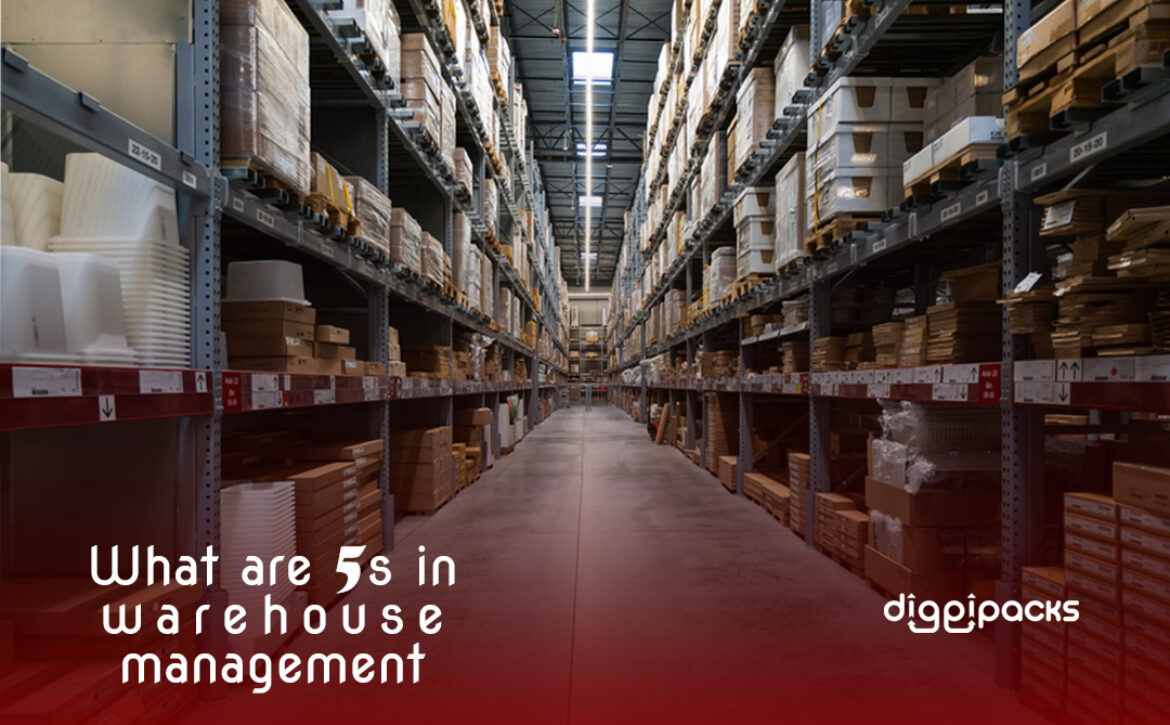
What are 5s in warehouse Management

[et_pb_section fb_built=”1″ _builder_version=”3.22″][et_pb_row _builder_version=”3.25″ background_size=”initial” background_position=”top_left” background_repeat=”repeat”][et_pb_column type=”4_4″ _builder_version=”3.25″ custom_padding=”|||” custom_padding__hover=”|||”][et_pb_text _builder_version=”4.9.4″ background_size=”initial” background_position=”top_left” background_repeat=”repeat” hover_enabled=”0″ header_2_text_color=”#E02B20″ header_2_font_size=”27px” header_3_text_color=”#E02B20″ header_3_font_size=”27px” header_4_text_color=”#E02B20″ header_4_font_size=”27px” sticky_enabled=”0″]

There is more than one way through which you can upgrade and improve the performance of your warehouse, and one of the most important of these methods is 5s in warehouse, which is one of the most common practices in a large number of Japanese companies, and Alts helps effectively and clearly in achieving the main objectives in any warehouse, which provides an organized warehouse with more efficient storage operations, 5s in warehouse also helps to quickly identify problems in warehouses and work to address the root causes to solve those problems in the short term as well as prevent their recurrence, and in this article we will show you in detail all the information about 5s in warehouse and the most important benefits behind its application in your company.

What is 5s in warehouse?

5s in warehouse is a Japanese system for factories, warehouses, and the like, based on the application of five basic principles in any factory.

The goal of 5s in warehouse is to use the places in a proper manner, organize the places and production lines, and take advantage of the narrow spaces in a proper manner.

All users have found that 5s in warehouse leads to an increase in productivity and a noticeable reduction in waste and breakdowns.

5s in warehouse Explained in Detail

5s in warehouse

5s in warehouse is considered one of the successful Japanese systems that contributed to increasing the productivity of factories and warehouses, as well as reducing the waste of resources clearly.

Toyota has applied 5s in warehouse and then spread globally, and in the recent period it has achieved tangible and impressive results.

Perhaps the most prominent characteristic of 5s in warehouse is that it creates the ideal work environment in any factory, which is the beginning of success and vice versa.

No successful factory can be based on a wrong working environment, or have chaos or technical disorganization, and that’s what 5s provides to its users.

So we can define 5S as one of the organized ways in which a suitable and organized work environment can be created according to five criteria.

General Benefit by implementing 5s in warehouse

As we mentioned in the previous paragraphs, 5S is one of the organizational methods through which an organized work environment can be created according to five criteria.

There are a number of benefits that 5S in warehouse can provide when it is properly implemented, and the following are the most important of those benefits:

  • It makes your warehouse organized and neat.
  • It significantly and clearly enhances warehouse productivity.
  • Improving the quality of work in warehouses.
  • Reduce your warehouse operating costs.
  • Enhance the delivery options by improving its performance.
  • Not wasting resources and optimizing them.
  • Raising the morale of employees in warehouses.

WHY 5s in warehouse?

Since the application of 5S began in the seventies of the last century, this method is reaping a lot of success, which has helped a large number of companies achieve efficiency in their warehouses.

This makes 5S so important, especially as it also enhances warehouse operations in the least possible time and through the least wasted resources.

5S also reduces potential wasted time searching for resources in warehouses and enhances the company’s overall bottom line, by improving the products and fast logistics services offered.

5S also helps free up space that can be used more efficiently, by eliminating unnecessary items from production facilities.

Therefore, 5S standards make production environments more flexible and efficient, so they are used by those who want to improve their productivity.

WAREHOUSE SAFETY & STRATEGY WITH THE 5S STANDARD

5s in warehouse

5S Standards can help you with the safety stock and strategy of your warehouse, and create a better and more productive work environment.

Here are the most important 5S Standards that you can benefit from in your warehouse:

1. Sorting

Which aims to reduce materials that do not belong in the workplace, and is an excellent way to free up space consumed by unnecessary materials.

2. Set in order

It works efficiently in reducing the time needed to search for things, by determining the appropriate storage places, as well as defining a logical storage strategy,which is based on the principle of “a place for everything and everything in its place”.

3. Shining

That is, the continuous inspection for the purpose of arranging and cleaning the materials in the warehouses,

through daily follow-up for a clean working environment that makes workers feel proud to work in it.

This criterion also helps to ensure that all the tools used are the tools required for work, in order to get rid of unused tools that hinder the workflow.

4. Standardizing

This standard works to standardize all workplaces in order to make the essential work steps and abnormal processes clear, and helps in applying best practices in the workplace.

5. Sustaining

 In this criterion, the focus is on applying the laws and integrating them into the company’s work so that they become habits,

and we can say that this step is considered the most difficult to implement and reach its desired result.

As human nature resists change, but this criterion focuses on defining the new work environment, standardizing processes and establishing new rules.

[/et_pb_text][/et_pb_column][/et_pb_row][/et_pb_section]
Read More
admin January 11, 2026 0 Comments

Using Multichannel Retailing to unleash the potential of e-commerce

[et_pb_section fb_built=”1″ _builder_version=”4.16″ global_colors_info=”{}”][et_pb_row _builder_version=”4.16″ background_size=”initial” background_position=”top_left” background_repeat=”repeat” global_colors_info=”{}”][et_pb_column type=”4_4″ _builder_version=”4.16″ custom_padding=”|||” global_colors_info=”{}” custom_padding__hover=”|||”][et_pb_text _builder_version=”4.17.4″ header_2_text_color=”#E02B20″ header_2_font_size=”27px” header_3_text_color=”#E02B20″ header_3_font_size=”27px” header_4_text_color=”#E02B20″ header_4_font_size=”27px” background_size=”initial” background_position=”top_left” background_repeat=”repeat” hover_enabled=”0″ global_colors_info=”{}” sticky_enabled=”0″]

One of the most effective sales strategies is multichannel retailing, especially since sales will not work if you rely on a single channel for your retail store. So you need to diversify by finding different ways to present your product or service in front of your target audience. One of the most important of these is multichannel retailing.

Through which you will be able to increase your visibility and presence in the market and thus achieve more sales. It will also give you a comparative advantage in the market and allow you to earn more profits. In this article, we will provide you with all the details about multichannel retailing and how you can benefit from it as well as the most important types.

What is multichannel retailing? 

multichannel retailing

is an approach that gives consumers a unified shopping experience through multiple sales channels.

Apart from the e-commerce store and the physical store, you can make a sale from social media, customer support, mobile apps, and more. Also, all channels work together to make it easier for people to purchase from your store.

And since the multichannel retailing approach requires you to present your business across multiple platforms, you need to better manage your inventory.

That is, you cannot continue to rely solely on lists and schedule sheets that are handwritten by your employee.

How businesses can benefit from multichannel retailing

Companies, e-stores, and businesses in general can now benefit greatly from multichannel retailing. Especially since there are many factors and reasons that contributed to the tendency of a large number of merchants to move to multichannel retailing.

The following are the most important advantages that can accrue to your business from using multichannel retailing:

  • Increasing productivity, and thus obtaining a greater amount of net profit.
  • Increase profits and income for each worker.
  • Improving the customer’s experience with Product Diversification.
  • Increasing the quantity of the product in the market.
  • Increase the number of employment opportunities.
  • Expanding customer base.
  • Improving client expectations, thus gaining his trust and satisfaction.
  • Providing a unified identity for the product through all channels, which helps the customer to access it from anywhere.
  • Standardization of prices and promotions across all sales channels.
  • Collect customer information for use in the marketing process.
  • Strengthen the targeting of each category of customers when marketing the product they need.

diggitrack

Difficulty coordinating inventory across sales channels

Despite the tremendous advantages that multichannel retailing offers, there are a number of primary challenges that it faces.

One of the biggest challenges facing multichannel retailing today is the difficulty of inventory control across all the different sales channels.

The reason for this is that the channels are independent of each other, and therefore if the channels are not manually updated, any change in one of the channels will not be reflected in the other channels.

And the problem of the difficulty of coordinating inventory across sales channels can be solved by automating the update process.

Types of multichannel retailing

multichannel retailing

There are many types of multichannel retailing, and this is because, in fact, it is not a new strategy. But rather it is old and has been updated and developed with the huge technological development.

Also, as we mentioned earlier, the use of multichannel retailing will help you effectively in changing the expectations of consumers and increasing the opportunities available to them.

Here are the main types of multichannel retailing:

  1. Brick-and-mortar, the traditional retail commerce model, which takes place in a physical location with face-to-face contact with customers.
  2. Direct-to-consumer e-commerce, a model that allows companies to sell products online to consumers without using retailers or wholesalers.
  3. Social media channels, this modern commerce model that allows in-app purchases so consumers can easily buy without leaving the platform.
  4. Telephone orders, in which orders are made through phones, that is, when a customer calls and places an order for a product via telephone, and it is one of the important parts of modern multichannel retailing.
  5. Online marketplaces, which is one of the most popular trade routes in those days, which has proven its worth and suitability for a large segment of consumers. Therefore, it is one of the most important types of modern multichannel retailing.

[/et_pb_text][/et_pb_column][/et_pb_row][/et_pb_section]

Read More
admin January 11, 2026 0 Comments

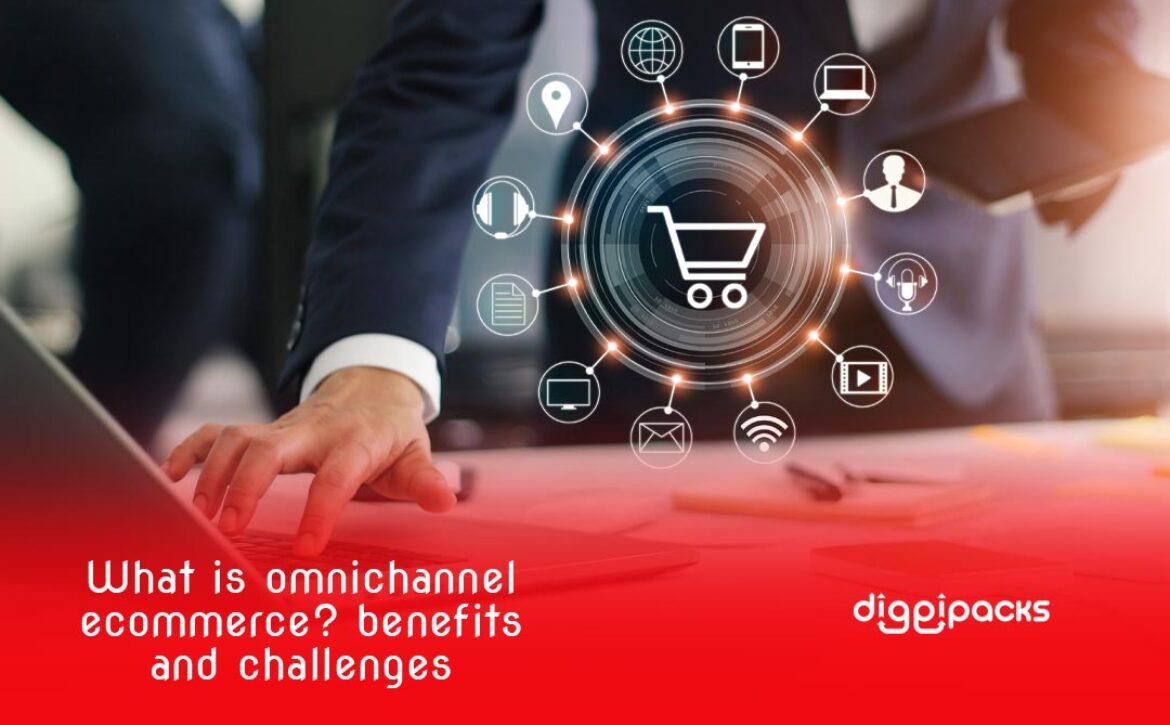
What is Omnichannel eCommerce? Benefits & challenges

[et_pb_section fb_built=”1″ _builder_version=”4.16″ global_colors_info=”{}”][et_pb_row _builder_version=”4.16″ background_size=”initial” background_position=”top_left” background_repeat=”repeat” global_colors_info=”{}”][et_pb_column type=”4_4″ _builder_version=”4.16″ custom_padding=”|||” global_colors_info=”{}” custom_padding__hover=”|||”][et_pb_text _builder_version=”4.17.4″ header_2_text_color=”#E02B20″ header_2_font_size=”27px” header_3_text_color=”#E02B20″ header_3_font_size=”27px” background_size=”initial” background_position=”top_left” background_repeat=”repeat” hover_enabled=”0″ global_colors_info=”{}” sticky_enabled=”0″]

Omnichannel eCommerce is one of the most used terms in the world of e-commerce and marketing. This is because it focuses specifically on customers, ensuring that they have a unique and seamless user experience. So it is the most appropriate way to achieve more sales by providing a pleasant and satisfying buying experience to the customer, no matter what method of shopping the customers use. Omnichannel eCommerce also enhances the customer’s ability to reach you and do whatever the customer wants through all available means, and in this article we will provide you with all the details about Omnichannel. We will also discuss its benefits and the most important challenges, and why it is so important in the world of e-commerce at the present time.

What is omnichannel eCommerce?

It is the way in which the customer is focused in particular, through a number of integrated strategies and tools.

Which will ultimately result in providing a seamless approach to customer experience on all available shopping channels.

Thus achieving more sales by providing a satisfying buying experience to customers.

And Omnichannel eCommerce is the logical evolution of multi-channel retail, which helps enhance customers’ ability to reach you.

This is done through the various means that Omnichannel eCommerce can make available to customers, thus providing a more seamless and integrated user experience.

get to know : Innovative Logistics in Supply Chain Management

Why is omnichannel eCommerce important?

Omnichannel eCommerce

The inclusion of omnichannel eCommerce into mechanics and strategies is very important today, as it is a customer-centric approach that improves their shopping experience.

So there is a huge role for omnichannel eCommerce today, especially with the increasing number of online shopping and customer demands and expectations.

It will also help you in increasing the productivity of your store by doubling the sales and thus increasing the total revenue margin.

Improving customer experience by providing them with a satisfactory user experience, as well as expanding customers significantly as a result of the unique experience that you will provide while shopping.

Also, omnichannel eCommerce will effectively help you to increase your market share among other competitors.

get to know: What Is Distribution Management and the difference between it and transportation?

The benefits of omnichannel eCommerce

Now that we’ve learned the importance of omnichannel eCommerce, we’ll now go over the benefits it offers, and in fact, this approach offers a lot of benefits for your business. Here are the main benefits of omnichannel that you can reap:

1. Increase the efficiency of your store

This is because omnichannel will provide you with an integrated system that integrates all your existing platforms. Thus providing you with databases related to customers, products and prices.

This will inevitably achieve higher efficiency in all matters related to your e-commerce.

And at the same time will make the customer’s purchasing experience harmonious on all platforms.

2. Collect more information about your customers

When you provide a presence on all possible platforms for a customer, you will have the ability to listen to your customer more and thus learn more about them and what they expect from you.

The more you know your customer, the more you will succeed in providing him with the service he needs.

And allocating offers and discounts to him to a greater degree will achieve better results for you in the volume of sales.

Thus, omnichannel eCommerce greatly affects customer satisfaction with your store and the services you provide.

diggitrack

3. Provide a unique user experience to your customers

Each client prefers a different means of communication, and therefore the different means of communication are harmonious and achieve what any client wants easily and without any problems, this is definitely an excellent thing.

This is what omnichannel eCommerce provides to you, which will make your customers satisfied with the level of service provided.

It will also give them the feeling that you are a professional merchant who knows how to run your business, and this in the end makes him happy to deal with you, and make sure that your online store is distinguished from many competitors.

4. Increase your store visits and sales

Although the omnichannel eCommerce system takes a lot of time and effort, it will eventually come to you with a clear financial return.

As you will notice its effective fruits in increasing your store visits and sales, compared to the amount of investment in it.

The challenges of omnichannel eCommerce

Omnichannel eCommerce

Despite the huge benefits that omnichannel eCommerce provides, and its great role in improving customer expectations, there are many challenges standing in its way.

Here are a number of points that illustrate the main challenges facing omnichannel:

  • Difficulty in tracking inventory and its status, especially during holidays and seasons, and this can be faced through the use of an accurate warehouse management system (WMS).
  • The existence of fragmented supply chain processes, which can affect customer satisfaction for large companies. To counter this, large companies need to use different tactics to ensure their supply chain runs smoothly.
  • There are shipping delays due to unreliable order fulfillments, and to meet this challenge appropriate technology must be used to help predict future delays in shipments.
  • Finding the most effective and efficient transportation solution that ensures that customers remain happy without increasing the costs of the products purchased, this can be countered by the appropriate shipping method for the customer’s case.
  • Problems with returns and reverse logistics, and this challenge can be addressed by implementing a sound reverse logistics infrastructure.

[/et_pb_text][/et_pb_column][/et_pb_row][/et_pb_section]

Read More
admin January 11, 2026 0 Comments

Scheduled Delivery definition and why is it Important? 

[et_pb_section fb_built=”1″ _builder_version=”4.16″ global_colors_info=”{}”][et_pb_row _builder_version=”4.16″ background_size=”initial” background_position=”top_left” background_repeat=”repeat” global_colors_info=”{}”][et_pb_column type=”4_4″ _builder_version=”4.16″ custom_padding=”|||” global_colors_info=”{}” custom_padding__hover=”|||”][et_pb_text _builder_version=”4.17.4″ header_2_text_color=”#E02B20″ header_2_font_size=”27px” header_3_text_color=”#E02B20″ header_3_font_size=”27px” header_4_text_color=”#E02B20″ header_4_font_size=”27px” background_size=”initial” background_position=”top_left” background_repeat=”repeat” hover_enabled=”0″ global_colors_info=”{}” sticky_enabled=”0″]

No matter what type of business you’re running, on-time parcel delivery is essential, so a scheduled delivery is important. Through which the shipment plan is organized precisely and specifically, thus managing the logistics operations better. This ensures that orders are on time delivery, thus gaining customer satisfaction with the service provided.

Especially since customers are very annoyed when delivery dates are delayed, scheduled deliveries greatly affect customer satisfaction. That’s why the logistics operations manager needs to develop a plan for scheduled delivery while fulfilling orders, and in this article we will show you all the details about this and how it affects the improvement of delivery efficiency and fulfillment of orders.

What is scheduled delivery?

A scheduled delivery is a method of order fulfillment, which is an agreement between the parties involved with a specific date and time in the delivery process.

As well as specifying the time, path and place in which the exchange of products will take place.

Which greatly helps in avoiding delays, as well as making both parties aware of the course of the delivery process.

In general, this method of fulfilling orders helps to avoid the process of losing customer satisfaction or losing products during the delivery process.

How scheduled delivery works

scheduled delivery

As for the mechanism of scheduled delivery, it is as follows, the customer orders his own product, and then sets the date he wants to receive his order.

For example, if the intended online store provides shipping within 3 days from the date of the order, the scheduled delivery option will allow the customer to choose the time at which he prefers to receive his order.

That is, determining the time period in which the customer can receive his order upon the date of receipt scheduled in the online store, and in the event of any problems, the customer is informed of that.

In many cases, something outside the shipping company may occur, such as changes in the weather or sudden decisions from the state, preventing the shipping process at the time specified by the customer.

In that case, the customer is contacted and informed of the matter, and then a new appointment is reached with him that suits him and does not conflict with the available circumstances at the same time.

Why scheduled delivery is still popular

Scheduled deliveries are still very popular today for their role in giving the customer the option to choose the right time to receive their order.

Thus, meeting the requirements of customers better and providing them with convenience.

Which made many electronic stores integrate this option within the options of delivering orders to customers.

diggitrack

Challenges of scheduled delivery

There are a number of challenges standing in the way of scheduled delivery which makes many businesses, especially e-stores, facing difficulty in implementing scheduled delivery in their business.

The following are the most important of those challenges:

1. Need to use many digital tools

The biggest challenge facing the scheduled delivery process is allowing customers to control the date and time of delivery.

Which will require you to do a lot of adjustments in your online store and use a number of smart tools that allow you to process orders on time by customers.

But you can solve that problem and meet this challenge easily by using API integration and connecting it to your online store platform.

2. Delay in delivery leads to loss of customer satisfaction

One of the most important issues facing this method is that if the order is late for the specified date, this will lead to the loss of customer satisfaction and their trust in you.

Especially since this method depends mainly on the speed of delivery, so you always need to allocate additional time during the delivery process to avoid any unexpected changes that affect the delivery date of the order.

3. Last-Minute Cancellations

Many customers, if they do not receive their orders on the time they specified, immediately cancel their order.

Which will cost you the same shipping expenses as well as the customer will lose you and will not deal with you again, so you need to fulfill orders on time as possible.

4. No other delivery options

Relying on scheduled delivery alone as a delivery option is not the best thing, because customers always love choice.

Do not provide this option only and ignore the rest of the other options in delivery, so provide more than one shipping method and at the same time do not exaggerate so that customers do not feel confused and leave your store.

How to improve delivery efficiency

scheduled delivery

Scheduled deliveries will help you to enhance the fulfillment of your orders, thus reducing work disruptions and increasing customer satisfaction with the services provided.

It will also allow your team to focus on other more important tasks, which will positively impact your business.

Using the latest methods and tools, Diggipacks can help you boost your business and make shipping and delivery operations more efficient.

[/et_pb_text][/et_pb_column][/et_pb_row][/et_pb_section]

Read More
admin January 11, 2026 0 Comments

What are Dark Stores & How do they work? 

[et_pb_section fb_built=”1″ _builder_version=”4.16″ global_colors_info=”{}”][et_pb_row _builder_version=”4.16″ background_size=”initial” background_position=”top_left” background_repeat=”repeat” global_colors_info=”{}”][et_pb_column type=”4_4″ _builder_version=”4.16″ custom_padding=”|||” global_colors_info=”{}” custom_padding__hover=”|||”][et_pb_text _builder_version=”4.17.4″ header_2_text_color=”#E02B20″ header_2_font_size=”27px” header_3_text_color=”#E02B20″ header_3_font_size=”27px” header_4_text_color=”#E02B20″ header_4_font_size=”27px” background_size=”initial” background_position=”top_left” background_repeat=”repeat” hover_enabled=”0″ global_colors_info=”{}” sticky_enabled=”0″]

The concept of dark stores is not new, as some chains of shops in the United Kingdom have been operating in it since 2013. But the concept of dark stores in the Arabian Gulf was only recently realized, especially in light of the atmosphere of social separation and the ban imposed by the Corona pandemic at the time.

This form of stores has helped expand the scope of work for many e-commerce companies, and other great advantages that we will learn about together. In this article, we will show you all the details about dark stores and how they work, as well as how to verify that this dark store is profitable and actually feasible.

Dark stores meaning

It is a retail space but not open for in-store shopping, and was developed to fulfill online orders.

That is, this type of store is similar to actual stores, but without marketers, and contains corridors and shelves carrying goods, and so on..

The main purpose of the idea of this type of store is to provide small warehouses close to customer sites.

That’s will facilitate and make deliveries faster, while keeping operating costs low at the same time.

There are two types of such stores; Where a special dark store is created for a well-known brand, and this type depends on delivery options, and enabling the customer to receive the orders himself.

As for the second type, it is the one that is done by creating a dark-type store with a specific area, to be divided and rented to several brands, and depends on delivery only.

How do dark stores work?

dark stores

These stores, especially at the present time, are very popular among electronic stores, which many e-store owners have become dependent on.

As for how these stores work, they are just like regular stores, but the difference is that the first ones do not have payments, accountants, or other features found in regular stores.

This is because these types of stores are primarily intended to support the digital shopping service, so that it becomes faster, easier and more effective for online shoppers.

Automated systems play a large role in the work mechanism of the injustice type stores, as orders are collected and transported to the dispatch areas through programmed mechanical machines to the delivery workers.

Instead of relying on the use of human workers to carry out tasks related to the collection and transportation of orders, and so on..

How to ensure a dark store is profitable?

The dark store can provide its users with a lot of amazing benefits and advantages, if they can use it properly.

For example, you use it to provide many storage units in low quantities with rapid stock rotations.

This will help you to bring your entire inventory close to your customers, and also if your store enables you to sell products with a short life easier.

As if your store is able to hold a large stock and handle orders better as well as provide customers with various options for delivery.

Why are dark stores on the rise?

Recently, there has been a significant increase in the use and adoption of this type of store, the main reason behind this is the retail disruptions that occurred during the CoronaVirus (Covid-19) pandemic.

The need for this type of stores has also increased due to the rapid digital transformation in the current era, as well as the aspirations of consumers who are looking for speed in the first place.

With the rise in the rate of remote work and electronic shopping, as well as the frequent use of social networking sites, it was necessary to provide suitable and convenient alternatives for consumers.

Therefore, there has become a necessity to use and adopt these dark stores, especially with the high rise in e-commerce in the Arab world and the world as a whole.

diggitrack

Why use a dark store?

Whether you have a well-established e-commerce business or have switched from traditional sales to online sales, delivery to customers is likely to be present in your sales and service offerings.

You must be wondering why you are adopting and using these dark stores, but in fact if you are one of those who own an e-commerce business or want to switch to online sales then you really need to adopt this type of store.

This is because of the huge advantages that it will provide to you, it will be those stores that operate close to your customers, as opposed to outsourcing that may put your goods in a regional distribution center farther compared to dark stores.

So they will help you keep better in-house inventory management at lower cost, with only outsourcing of deliveries.

Also among the advantages of these stores is the ability to send deliveries of purchases quickly, and this is due to the short distance from the store to your customers, that is, delivery is carried out within hours of ordering directly.

4 dark store case studies

dark stores

There are many successful case studies that have proven the effectiveness and merit of the dark shop system, and here are 4 of the most important ones in the world:

Bolt Company and Delivery Services

One of the effective case studies on darkrooms was brought to us by Bolt, a company that specializes in providing urban transportation services.

Recently, she joined the food delivery market in Europe, with the adoption and use of dark stores in her business, which helped her greatly in growing her business and competing in the market.

Gorillas: Provide orders within 10 minutes

Gorillas is one of the modern delivery companies in Germany that ships and delivers orders to customers in just 10 minutes.

It was able to do this by relying on dark stores, which helped it own more than 35 fulfillment centers and thus provide services and delivery effectively to become one of the fastest delivery companies in the world.

Tesco supermarket chain in the UK

The term dark stores first appeared in the UK with the Tesco supermarket chain, which was empty of customers and was sending orders weekly to customers through more than 3,500 retail stores.

And the Tesco supermarket chain found that these types of stores are the most effective at handling online sales.

Nordstrom: Expanding towards online ordering

Nordstrom is a company that has a number of affiliated stores that offer many different products, such as clothing, jewelry and household items.

With the Corona pandemic, it closed a large number of its stores and decided to rely on this type of store and convert its business to become electronic.

It began collecting online orders and delivering them to customers directly, after deciding to close a group of its stores completely and relying on online sales.

[/et_pb_text][/et_pb_column][/et_pb_row][/et_pb_section]

Read More
admin January 11, 2026 0 Comments

5 Ways to Reduce Inventory Levels

[et_pb_section fb_built=”1″ _builder_version=”4.16″ global_colors_info=”{}”][et_pb_row _builder_version=”4.16″ background_size=”initial” background_position=”top_left” background_repeat=”repeat” global_colors_info=”{}”][et_pb_column type=”4_4″ _builder_version=”4.16″ custom_padding=”|||” global_colors_info=”{}” custom_padding__hover=”|||”][et_pb_text _builder_version=”4.17.4″ header_2_text_color=”#E02B20″ header_3_text_color=”#E02B20″ header_3_font_size=”27px” background_size=”initial” background_position=”top_left” background_repeat=”repeat” hover_enabled=”0″ global_colors_info=”{}” sticky_enabled=”0″]

Inventory is a necessity for businesses – too much, and you’re tying up valuable resources that could be used elsewhere; too little, and you risk running out of stock and losing sales. Fortunately, you can do several things to help reduce your inventory levels without impacting your business too much.

What Is Inventory Reduction?

Lowering inventory levels to satisfy customers’ needs is referred to as inventory level reduction. It is essential to remember that this is more than just a mat more than of shifting surplus goods.

It also involves avoiding the buildup of surplus inventory in the first place while simultaneously expanding the stock of items moving through the store more quickly.

Reduce Inventory Levels

Inventory Levels

The capacity to efficiently manage inventory levels may be the deciding factor in whether or not the manufacturing of any size, from minor to medium, achieves success or failure. According to lean manufacturing principles, inventory levels are one of the “wastes” that must be removed the most urgently. It should be considered a “non-value add” and deleted from the system if the inventory levels are not continuously cycled through the manufacturing process. An excessive inventory ties up operating capital, consumes precious storage space, poses the risk of becoming outdated, and is more susceptible to damage.

Incorporating practices that help reduce inventory levels into a firm’s culture should be considered a best practice. The OptiProERP software has created a list of six strategies to decrease inventory levels, all of which may be used by any manufacturing firm, regardless of size, to improve inventory levels performance. But first, let’s look at different inventory management and optimization approaches.

1. Better data collection

It is necessary to be aware of the whereabouts of your inventory levels at all times, whether at your premises, with your suppliers, or in transit. Without this understanding, there is a risk of holding excessive safety stock. Therefore, cycle counts or regular counting should monitor inventory levels.

2. Shorten lead times

When lead times are reduced, there is a need for fewer inventory levels. Look into different strategies to reduce the time it takes to make transactions and deliver goods.

3. Speed up production.

If you can manufacture or distribute products more rapidly, you can satisfy client demand while maintaining smaller inventory levels.

4. Avoid bulk buying.

Avert your eyes from economies of scale. The money spent on storage is usually higher than the discounts gained, often resulting in unsold inventory levels.

5. Build key supplier partnerships

There is also the possibility of using an inventory levels solution that is controlled by the vendor, in which case the expenses of keeping inventory might be split.

Get to know : what is distribution management and the difference between it and transportation?

Why is inventory reduction necessary?

Inventory levels reduction is essential for three reasons: it helps maintain low holding costs, reduces the likelihood of spoiling and shrinkage, and optimizes fill rate. The costs of holding inventory are the expenditures that are involved with retaining inventory for a more extended period than is required to sell it.

It ought to be one of any company’s primary priorities to get their stocked items into the hands of consumers as rapidly as they can. This safeguards the goods from being misplaced, stolen, spoilt, or otherwise destroyed.

You may also show that you have effective warehousing methods and that you can correctly estimate demand if you reduce inventory that is not essential. However, this results in a high fill rate, which indicates that you need an adequate amount of inventory levels for any item.

Optimizing inventory is key to an efficient supply chain

Inventory Levels

It is defined as a method of balancing the manufacturers’ capital investment constraints and goals with the defined service-level goals over a large assortment of stock-keeping units. Supply chain inventory optimization is defined as a method of achieving this balance. It covers the technique of having the appropriate inventory levels to reach your desired service levels while retaining a minimal amount of capital tied up for inventory. Having the appropriate inventory levels is an essential part of lean inventory levels management.

Warehouse and supply chain managers often regard inventory level optimization as the next level beyond essential inventory management. Because of this, firms may accomplish comprehensive Inventory Optimization by considering supply and demand swings and reducing excessive inventory levels.

Optimizing the supply chain’s inventory may readily assist manufacturers in overcoming challenges associated with warehouse management and stocking, resulting in less overall inventory levels. According to several studies, the inappropriate manner of packing, storing, or securing goods in freight containers is responsible for roughly 65 percent of the damaged inventory levels. Optimizing inventory levels may mitigate the effects of these mistakes to a significant degree. Also, in 2015, the global cost of overstocking goods was $470 billion, while the cost of understocking was more than $600 billion. Firms may use predictive analytics and data-driven insights to reduce their working capital needs and stocking challenges with precise inventory level optimization.

1. DEMAND FORECASTING

To effectively optimize supply chain inventory levels management systems, accurate demand forecasting is a critical component. Forecasting the demand and supply chain may be done in several different ways, depending on the sort of goods or services being discussed, the product life cycle, and the industry served. One strategy is using the demand data from the previous year or period and using particular request projections from the sales teams. For manufacturers to effectively estimate demand and determine where certain SKUs are located in the product lifecycle, they need complete information on the precise inventory levels quantity and the product lifecycle. In addition to this, they need to monitor seasonality patterns and new product releases, both of which have the potential to influence demand projection statistics.

2. INVENTORY STRATEGY

In addition to this, it is essential to have a solid grasp of the items that need to be supplied, as well as in what amounts and throughout what periods. The ABC analysis is a valuable tool for determining the amounts of SKUs to stock since it splits the SKUs depending on the yearly consumption value of the item. It is also helpful in understanding the calculations for safety stocks, which are used to account for abrupt swings in demand, variances in the supply, or other unexpected interruptions. Last but not least, you need to consider the number of warehouses you have to maximize the efficiency with which your inventory levels are dispersed between your locations in the appropriate quantities at the appropriate time.

3. STOCK REPLENISHMENT

It is essential to complete this stage to understand which quantities need to be reordered at when periods in time and then actually place the order for those amounts. The dependability of the suppliers is something that manufacturers need to bear in mind when it comes to this since every supplier has its own set of lead times and production cycles. It is not enough for manufacturers to monitor just the items that are now stocked at the warehouse; they must also monitor the commodities that are currently in route. Although it may seem clear, most ERP systems need to make it simple to record this information.

[/et_pb_text][/et_pb_column][/et_pb_row][/et_pb_section][et_pb_section fb_built=”1″ _builder_version=”4.17.4″ _module_preset=”default” locked=”off” global_colors_info=”{}”][et_pb_row _builder_version=”4.17.4″ _module_preset=”default” global_colors_info=”{}”][et_pb_column type=”4_4″ _builder_version=”4.17.4″ _module_preset=”default” global_colors_info=”{}”][et_pb_button button_url=”http://diggipacks.com/3pl-fulfillment/” url_new_window=”on” button_text=”3PL FULFILLMENT” button_alignment=”center” _builder_version=”4.17.4″ _module_preset=”default” custom_button=”on” button_bg_use_color_gradient=”on” button_bg_color_gradient_direction=”270deg” button_bg_color_gradient_stops=”#e02b20 0%|#000000 100%” button_border_radius=”10px” button_icon_color=”#000000″ background_layout=”dark” custom_margin=”-80px||-80px||false|false” custom_padding=”||||false|false” global_colors_info=”{}”][/et_pb_button][/et_pb_column][/et_pb_row][/et_pb_section]
Read More
admin January 11, 2026 0 Comments

Inventory Forecasting the Best for eCommerce Businesses

[et_pb_section fb_built=”1″ _builder_version=”4.16″ global_colors_info=”{}”][et_pb_row _builder_version=”4.16″ background_size=”initial” background_position=”top_left” background_repeat=”repeat” global_colors_info=”{}”][et_pb_column type=”4_4″ _builder_version=”4.16″ custom_padding=”|||” global_colors_info=”{}” custom_padding__hover=”|||”][et_pb_text _builder_version=”4.19.0″ header_2_text_color=”#E02B20″ header_3_text_color=”#E02B20″ header_3_font_size=”27px” header_4_text_color=”#E02B20″ header_4_font_size=”27px” background_size=”initial” background_position=”top_left” background_repeat=”repeat” hover_enabled=”0″ global_colors_info=”{}” sticky_enabled=”0″]

Inventory forecasting practices play an important role in the prosperity of e-business, due to its great role in improving inventory planning, as well as promoting the development of the online store. In the digital age we live in, there are many tools that help you accurately inventory forecasting, thus taking decisive steps in developing your online store and increasing your presence in the market. These forecasts are based on data and trends of market forces, and in this article we will show you all the details about inventory forecasting. We will also talk about its benefits as well as how Diggipacks systems can help you provide the best tools for the best prediction of your inventory level.

What is inventory forecasting?

Inventory forecasting is the process of forecasting the inventory levels that you will need over a specific period of time, which may be a month, a quarter, a full year, and so on.

And that is by relying on historical data, seasonal trends and market forces, in order to determine expectations of future demand, and accordingly determine the quantity of inventory required.

Owners of online stores can take advantage of inventory forecasting practices to know the expected demand quantity and, accordingly, determine the expected inventory.

Thus, it avoids the problem of low inventory or its sudden depletion, while also avoiding the problem of excess inventory, and all this is reflected in its sales well.

Benefits of accurate inventory forecasts

Benefits of accurate inventory forecasts

inventory forecasting

There are many benefits associated with inventory forecasts, which mainly contribute to enhancing your online store and market presence.

Here are some of the most important benefits of inventory forecasts that your online store can benefit greatly:

1. Anticipating and fulfilling customer demands

One of the most important and important benefits of inventory forecasts is to provide the products that customers want, by forecasting and then fulfilling their demand.

Which helps you in making customers happy and satisfied with the service you provide to them, thus preparing for customer requests and not losing them.

This means continuous sales without losses and maintaining your position against your competitors, and this is because you are fulfilling customer demands and not making them behind.

Do you know what is inventory tracking?

2. Improve cash flow through inventory management

Inventory forecasts help you manage inventory effectively, avoiding over or under stock situations.

 As you can get accurate forecasts and build your inventory management accordingly, which helps in maintaining stock levels.

As well as maintaining an ideal inventory turnover rate, which helps you in improving your business cash flow visibly.

3. Strengthening supply chain management

Inventory forecasts about customer demand help you provide better management of your supply chain, thus avoiding fees and overheads and improving your relationships with suppliers.

Inventory forecasting methods

There is more than one way to forecast inventory, and the following are the top 5 primary methods that can be used in the process of Inventory forecasting:

1. Trend forecasting

It is one of the most important Inventory forecasting methods in which your sales data and trends in a product category are used to draw a picture about changes in demand.

All of this contributes to anticipating future demand for different products, as well as consumer behavior by relying on historical sales data.

Taking into account changes in the velocity of sales, over long periods of time and not just following seasonal shifts.

2. Quantitative forecasting

It is one of the methods used in Inventory forecasting, by using the sales history of your online store.

If you have many years of historical data about your sales history, you can get a more accurate forecast of your inventory.

are you know what is Scheduled Delivery?

3.Seasonal forecasting

This method relies on using seasonal sales data, as well as information about future events, in order to anticipate future demand.

The factors and dates of the major seasons influence the forecasting process made with this method, and historical data from the same season for as many years as possible is used in the forecasting process.

4. Graphical forecasting

Among the forecasting methods used to forecast stock in the future is the use of graphical forecasting, which is a separate method different from the previous methods.

Through it, historical sales data are obtained and possible scenarios are drawn for customer or consumer demand in the future.

5. Qualitative forecasting

This method relies on the use of external data points such as economic trends in forecasting consumer demands.

This method also uses political issues affecting the market in forecasting stock volume.

Inventory forecasting best practices in eCommerce

If you want to achieve the best inventory forecasting in your business, there are a set of effective and proven practices that can help you make a difference.

The following are a number of the most important suggested practices that will help you in forecasting future demand, and thus enhancing inventory forecasting in your e-commerce:

1. Make accurate inventories

So that you can have a more accurate forecasting process, you need to make accurate inventories, which will help you to enhance the forecasting process even more.

Thus, obtaining a high level of inventory forecast accuracy, and you can hire a logistics partner to help you with this.

Smart Diggipacks can effectively help you provide more accurate inventories, by utilizing the best methods and modern technology.

What Is on Demand Warehousing?

2. Regularly adjusting the inventory forecast model

You will also need to adjust your inventory forecasting model periodically, to see how well those demand forecasts align with customer demand.

This is to avoid any errors or disruptions affecting your sales, as you will find that sometimes you need to adjust inventory forecasting methods or data inputs.

This is so you can get more accurate data, so always compare your order forecast with the actual results you achieved.

If you find that there is any defect or inconsistency, you must make immediate adjustments to your order forecasting model to achieve better results.

3. Establish a period for stock forecast

An effective practice in inventory forecasting is to specify a specific period to start the forecast itself. Standard periods for inventory forecasting are one of the following options:

  • 30 days.
  • 60 days.
  • Quarter of a year.
  • Annually.

Determining the forecast period will help you get more up-to-date and accurate data by collecting recent sales data and market trends during that period.

How Diggipacks helps eCommerce businesses achieve inventory accuracy

inventory forecasting

Diggipacks is one of the best companies specialized in providing logistics services, relying on the latest technologies and technological methods.

Collaborating with Diggipacks as a logistics partner can help you achieve greater accuracy of your inventory, using the latest smart tools in forecasting and inventory management.

Diggipacks has an expert team that specializes in order accuracy and inventory, which will give you the best services at the best prices and give you a comparative advantage in terms of speed and efficiency.

So Diggipacks is your perfect choice if you are looking for a professional logistics partner that will help you manage your products and keep your inventory accurate.

As well as its ability to provide the best shipping and delivery solutions in addition to providing smart storage solutions at the best prices.

Where it owns all the spaces needed by special products, with an economic plan while ensuring the high quality of storage.

As well as full packaging services for its stored products, in addition to the ability to provide you with daily reports of your stock movement through the customer control panel.

[/et_pb_text][/et_pb_column][/et_pb_row][/et_pb_section][et_pb_section fb_built=”1″ _builder_version=”4.17.4″ _module_preset=”default” locked=”off” global_colors_info=”{}”][et_pb_row _builder_version=”4.17.4″ _module_preset=”default” global_colors_info=”{}”][et_pb_column type=”4_4″ _builder_version=”4.17.4″ _module_preset=”default” global_colors_info=”{}”][et_pb_button button_url=”http://diggipacks.com/3pl-fulfillment/” url_new_window=”on” button_text=”3PL FULFILLMENT” button_alignment=”center” _builder_version=”4.17.4″ _module_preset=”default” custom_button=”on” button_bg_use_color_gradient=”on” button_bg_color_gradient_direction=”270deg” button_bg_color_gradient_stops=”#e02b20 0%|#000000 100%” button_border_radius=”10px” button_icon_color=”#000000″ background_layout=”dark” custom_margin=”-80px||-80px||false|false” custom_padding=”||||false|false” global_colors_info=”{}”][/et_pb_button][/et_pb_column][/et_pb_row][/et_pb_section]

Read More
admin January 11, 2026 0 Comments

Multichannel inventory management in ‎‎2023‎

[et_pb_section fb_built=”1″ _builder_version=”4.16″ global_colors_info=”{}”][et_pb_row _builder_version=”4.16″ background_size=”initial” background_position=”top_left” background_repeat=”repeat” global_colors_info=”{}”][et_pb_column type=”4_4″ _builder_version=”4.16″ custom_padding=”|||” global_colors_info=”{}” custom_padding__hover=”|||”][et_pb_text _builder_version=”4.19.0″ header_2_text_color=”#E02B20″ header_3_text_color=”#E02B20″ header_3_font_size=”27px” header_4_text_color=”#E02B20″ header_4_font_size=”27px” background_size=”initial” background_position=”top_left” background_repeat=”repeat” hover_enabled=”0″ global_colors_info=”{}” sticky_enabled=”0″]

Inventory for any company is its heart, so poor inventory management can cost the company a lot. Recently, the importance of multichannel inventory management has emerged, through which purchase order operations, warehouse management and shipping management have become easier. It clearly contributed to the timely execution of customer orders, which made it a comprehensive inventory management solution. In this article, we will talk in detail about multichannel inventory management, its importance, as well as its benefits.

What is multichannel inventory management? ‎

multichannel inventory management

Multichannel inventory management is the process by which companies rely on a set of smart tools to manage and track orders from different sales sources on inventory held in multiple locations.

What Is on Demand Warehousing?

Why is a multichannel inventory system important? 

Multichannel inventory management effectively helps in avoiding over-selling and also improves the management of your orders.

In addition to its significant role in improving warehouse management, which takes into account inventory levels in multiple sales channels.

This gives business owners an opportunity to place purchase orders according to the level of stock available to them, thus helping to avoid out-of-stock situations.

Common multichannel inventory management challenges

Despite the huge advantages offered by multichannel inventory management, there are a number of challenges that stand in the way of the huge advantages.

The following are the main challenges facing management of multichannel inventory:

1. Inaccurate stock levels during promotions

One of the major challenges that negatively affects companies and businesses in multichannel inventory management is the inaccuracy of inventory levels in the various sales channels, especially during promotional offers.

You need to be very aware of the available stock levels, especially during promotions, and outsourcing your logistics can help you solve that dilemma.

2. The lack of reverse flow logistics

It is one of the main challenges of multichannel inventory management, which can negatively affect the customer experience.

Especially since it has a significant impact on the accuracy of the inventory available in the various sales channels. So you need to manage returns and canceled orders appropriately.

get to know : Stock Availability Is a Key to Last Mile Performance

3. Underselling and overselling

One of the most important challenges for management of multichannel inventory is selling the same product to two different operations if the inventory is not updated in all sales channels in real time.

Consequently, there are many cancellations and delays in the delivery of orders, due to the lack of sufficient stock. This leads to a significant loss of your revenues, thus negatively affecting your investments.

4. Lack of full visibility of inventory

Not seeing your inventory in sales channels can complicate sales, especially if you track inventory manually.

Therefore, the inventory must be tracked automatically through all the sales channels that you own.

Thus avoiding manual errors and dealing with the inventory appropriately, so it’s one of the most important challenges of multichannel inventory management.

What are the benefits of multichannel inventory management?

multichannel inventory management

There are a lot of amazing benefits that multichannel inventory management provides, if managed properly.

Which would positively affect customer experience and keep track of inventory levels, thus clearly improving corporate revenues.

The following are the most prominent benefits of multichannel inventory management:

1. Track order data more accurately

This is one of the most important benefits which would help business owners to better understand customer demand.

Thus giving them the ability to make the best decisions, by keeping track of what is the best and least sold in the different sales channels.

All of this basically helps companies place purchase orders correctly, thus better satisfying customer needs which improves the customer experience itself.

2. Improve warehouse management

Multichannel inventory management systems help to manage warehouses more accurately and orderly, because they take into account inventory levels.

This helps business owners place purchase orders according to their available stock levels, thus avoiding out-of-stock situations and managing warehouses better.

are you know what is Scheduled Delivery?

3. Avoid cases of overselling

Which is considered as one of the most prominent problems facing manual inventory management processes across multiple channels.

That misleads business owners and makes them believe that they have already delivered the required product.

This, in turn, leads to poor order management and delayed order fulfillment, thus giving customers a bad experience.

But the management of multichannel inventory helps avoid overselling and improves your order management. ‎

[/et_pb_text][/et_pb_column][/et_pb_row][/et_pb_section][et_pb_section fb_built=”1″ _builder_version=”4.19.0″ _module_preset=”default” custom_margin=”||-100px||false|false” locked=”off” global_colors_info=”{}”][et_pb_row _builder_version=”4.17.4″ _module_preset=”default” global_colors_info=”{}”][et_pb_column type=”4_4″ _builder_version=”4.17.4″ _module_preset=”default” global_colors_info=”{}”][et_pb_button button_url=”http://diggipacks.com/3pl-fulfillment/” url_new_window=”on” button_text=”3PL FULFILLMENT” button_alignment=”center” _builder_version=”4.17.4″ _module_preset=”default” custom_button=”on” button_bg_use_color_gradient=”on” button_bg_color_gradient_direction=”270deg” button_bg_color_gradient_stops=”#e02b20 0%|#000000 100%” button_border_radius=”10px” button_icon_color=”#000000″ background_layout=”dark” custom_margin=”-80px||-80px||false|false” custom_padding=”||||false|false” global_colors_info=”{}”][/et_pb_button][/et_pb_column][/et_pb_row][/et_pb_section]

Read More
admin January 11, 2026 0 Comments