Demand management as a critical success factor in your E-commerce

[et_pb_section fb_built=”1″ _builder_version=”4.16″ global_colors_info=”{}”][et_pb_row _builder_version=”4.16″ background_size=”initial” background_position=”top_left” background_repeat=”repeat” global_colors_info=”{}”][et_pb_column type=”4_4″ _builder_version=”4.16″ custom_padding=”|||” global_colors_info=”{}” custom_padding__hover=”|||”][et_pb_text _builder_version=”4.17.4″ header_2_text_color=”#E02B20″ header_2_font_size=”24px” header_3_text_color=”#E02B20″ header_3_font_size=”24px” header_4_text_color=”#E02B20″ header_4_font_size=”24px” background_size=”initial” background_position=”top_left” background_repeat=”repeat” hover_enabled=”0″ global_colors_info=”{}” sticky_enabled=”0″]

Demand management is an essential component of any business plan, it helps in adequate planning of future events, including investment analysis of any business operation, accurate forecasting of the demands of the products it offers, and thus the ability of any organization to deal with customers effectively, as well as using its assets more efficiently, demand management is essential that enables the organization to use its resources properly, as well as plan the demand for products well, and in this article we will show you demand management and its role in the success of your e-commerce

What Does Demand Management Mean?

Demand management is the process within the organization through which the organization designs its own ability to meet demands and its differences, as well as manage its levels based on strategies for supply chains or marketing management.

How we help with Demand Management

Demand management

Diggipacks services can help you effectively manage the demands of your organization, as it gives you all the technology needed to succeed, whatever the size of your business.

All necessary tools and technology and all shipping method are available for electronic stores to prepare your products and deliver them in a timely manner.

It also has a highly experienced team to manage all tasks; they are able to process more than 150,000 orders per month as a minimum.

It can also manage your order effectively, as within less than 48 hours of receiving your stock and in Diggipacks warehouses updates will be displayed in the customer control panel,

The storage and the customer will be informed online of the storage status, increase or decrease with the feature of printing the SKU for each product in case you do not have it.

diggitrack

Value of Demand Management

The process of demand management is of great importance and value, especially in light of the highly competitive market and the tremendous technological progress witnessed by the current era,

As most companies compete to apply the best modern technologies that make their supply chains the most efficient.

inventory control Helps your organization reduce inventory, improve customer satisfaction as well as increase profitability, all of which will be achieved with an effective order management currency.

Here is the value behind demand management:

  • Helping organizations gather useful insights while improving their ability to plan and forecast customer demands.
  • Improve stock levels as well as enhance customer service.
  • Enhance inventory planning and improve ecommerce Revenue planning and promotion.
  • Proper forecasting of demand, thus reducing supply chain costs and increasing profit margins.

Basic components of demand management

Demand management

There are 4 basic components in the demand management process, and they are:

1. Forecasting

Forecasting is based on the current trend and expected sales of the customer’s behavior, as well as analytical data, which helps in preparing for any unexpected event.

2. Supply planning

Supply planning helps in planning supply operations more efficiently and effectively.

3. Demand analysis

Demand analysis mainly helps in managing demand effectively by relying on the analysis of sales data.

4. Sales and Operations Planning

Sales and Operations Planning helps in knowing the roles of stakeholders in the supply chain system,

And preparing reports that help in the effective planning of sales and operations and thus more efficient demand management.

HOW TO PROPERLY MANAGE DEMAND MANAGEMENT

Demand management

There are a number of tips that will help you manage the application correctly and more efficiently:

1. Create a database to manage your order

This is done by identifying the data available to you and creating a system specialized in collecting information and storing it in a database.

Note that this data should include shipping dates, current orders, and what previous demand forecasts were.

2. Get the data from the sales department

Collecting data from the sales department is important in properly managing demand, as their data is different from most supply chain data, and this step helps in reviewing and entering their demand forecast.

3. Data analysis and processing

After you collect the data and put it in the right place, you should start analyzing and processing that information by reviewing the changes that occurred over the different time periods.

Dedicated order management software that generates reports through real-time data analytics can be used.

4. Continuous evaluation and improvement

Effective demand management always needs a good system for evaluation and improvement, and this is what can be done by order management programs where reports and alerts are prepared automatically and periodically.

[/et_pb_text][/et_pb_column][/et_pb_row][/et_pb_section]
Read More
admin January 11, 2026 0 Comments

Terms and conditions of sales, delivery, and payment

[et_pb_section fb_built=”1″ _builder_version=”4.16″ global_colors_info=”{}”][et_pb_row _builder_version=”4.16″ background_size=”initial” background_position=”top_left” background_repeat=”repeat” global_colors_info=”{}”][et_pb_column type=”4_4″ _builder_version=”4.16″ custom_padding=”|||” global_colors_info=”{}” custom_padding__hover=”|||”][et_pb_text _builder_version=”4.17.4″ header_2_text_color=”#E02B20″ header_2_font_size=”24px” header_3_text_color=”#E02B20″ header_3_font_size=”24px” header_4_text_color=”#E02B20″ header_4_font_size=”24px” background_size=”initial” background_position=”top_left” background_repeat=”repeat” hover_enabled=”0″ global_colors_info=”{}” sticky_enabled=”0″]

There are many Shipping Terms of delivery and payment, and there are Shipping Terms and conditions for sale. When the product is shipped or transferred from the country of origin to the country of the importer, but from the source’s store to the place of the importer, so you must be aware of all kinds of conditions, and this is not enough either, but you must know what your responsibilities are As an exporter in each of these Shipping Terms, so that you can negotiate properly and include the payments that you will pay in the quote submitted to the importer so that you do not discover that you paid the profit in shipping the product and you have nothing left, and in this article we will show you the Shipping Terms and conditions of sale, delivery and payment .

Shipping Terms Explained

Shipping Terms are a set of provisions recognized around the world, which outline the things to expect from each party in the sales process and contract negotiations.

In general, and in all international transactions, the costs of shipping can be paid from the shipper or the consignee

There are also many of those conditions that govern international trade, which we will learn about in some detail in the next section.

International Commercial Terms

Shipping Terms

Incoterms are a set of trade rules established by the International Chamber of Commerce used in international sales contracts. You can try e-commerce services at Diggipacks

International trade Shipping Terms are divided into four main categories: E – F – C – D, and the following are those categories, which we will discuss in detail later:

Class E – This contains only one trade term which is EXW

Class F (main carriage unpaid) – which contains three commercial terms for Shipping Terms :

  • FCA
  • FAS
  • FOB

Class C – This contains four commercial terms:

  • CPT
  • CIP
  • CFR
  • CIF

Class D (Access) – which contains three commercial terms:

  • DAP
  • DPU
  • DDP

The above four categories can be classified according to the mode of transport:

  • Incoterms for any means of transport: EXW, FCA, CPT, CIP, DPU, DAP and DDP;
  • Incoterms only for shipping and inland waterways: FAS, FOB, CFR and CIF.

Incoterms – what each term means 

Incoterms are the abbreviations that represent shipping terms during international trade, which were created by the International Chamber of Commerce for overseas sales and export operations.

And the following is the interpretation of those abbreviations:

EXW:

In this condition, the exporter commits to the contract, by delivering the goods to a point within the agreed-upon place, according to the type of goods ordered and the place of delivery,

Under this condition, the buyer shall bear the responsibility of the carriers sent by him to his warehouse or factory. In this method of delivery, the importer bears the duties, licenses, taxes, all damages and all expenses associated with receiving the goods from the source location.

 FAS:

In this condition, the exporter is bound by the concluded contract when he delivers the goods according to the Shipping Terms of the contract to the berth of the sea loading port next to the ship or the Shipping Terms line named in the contract, with customs clearance to be the goods ready for export.

Thus, the exporter bears the licensing fees and taxes in his country, and also bears the fees and risks of the loading process from his factory to the beginning of the intended journey in the contract.

The responsibilities of the importer begin from loading the goods on the ship until it reaches the desired destination, and he bears all costs, losses, defects and risks of damage.

diggitrack

FOB:

During this condition, the exporter’s responsibility for the risk of loss or damage to the goods ends when the goods pass the ship’s edge at the port of loading, and the exporter pays the fees for loading the goods until they enter the ship’s land.

From this point, the importer is responsible for the goods and all costs, losses and damages that may occur during the transportation process.

CFR:

It is a condition that indicates the exporter’s obligation to be responsible for the risk of loss until the ship passes the edge of the ship at the port of loading as in the FOB condition and the exporter pays the Freight Shipping charges Pre Carriage & Main Carriage until the ship reaches the port of discharge agreed upon in the contract of sale.

The exporter is not responsible for unloading the goods from the ship, and the responsibility for customs duties is borne by the exporter in this way, the CFR clause is used for sea carriage only.

FCA:

In this condition, the exporter fulfills the obligation agreed upon in the contract by delivering the goods to the carrier (to be determined by the buyer) at the place or point specified in the contract, and the goods are ready for export.

This clause is used by all modes of transport, such as air transport, rail transport, road transport and various modes of transport.

CPT:

The exporter bears the costs of the cargo to the port point mentioned in the contract, but the risks are transferred to the buyer once the goods are delivered to the first carrier, which is chosen by the exporter.

Carrier refers to any person who undertakes to carry goods by rail, land, sea, air, inland waters or various modes of transport within the framework of a contract of carriage.

CIP:

In this condition, the goods are delivered to the transport company chosen by the exporter, and the exporter must also pay the transportation costs to the specified point or destination, and therefore the importer bears the risks and other costs that may arise after the goods are delivered at the specified destination.

In this condition, the exporter must also provide insurance against the risk of loss, shortage and damage to the goods during the importer’s journey after receiving the goods.

DAF:

In this condition, the seller delivers the goods to the importer through the means of transport agreed upon within the contract, to the designated point or place before the customs area, the borders of the country of destination, without unloading them from the means of transport, where the goods are clear for export but not for import.

DEQ:

This condition means that the exporter satisfies the delivery in accordance with the contract, when he places the goods at the disposal of the importer, unfavorable for import, on the quay at the appointed port of destination.

The exporter must bear all fees and expenses resulting from the delivery of the goods to the port concerned in the contract, and also from unloading the goods to the berth.

DDU:

This condition means that the exporter must deliver the goods to the importer unpurified for importation and unloaded from the means of transport arriving at the appointed place of destination.

The seller shall bear the expenses and risks arising from the delivery of the goods to the appointed place, with the exception of the fees for delivering the goods to the country of destination.

DDP:

In this condition, the exporter delivers the goods to the buyer, cleared for import, without unloading from the means of transport arriving at the specified destination or point.

The exporter must bear all expenses and risks resulting from the delivery of goods to the mentioned place.

Rules for any mode of transport

There are a number of rules for any means of transport, which are the same as the rules of international trade, where:

  • In EXW the seller fulfills his obligations by providing the goods to the buyer for pick-up at his premises or other specified place
  • In FCA, the exported goods are delivered to the carrier specified by the buyer or another party authorized to receive the goods at the seller’s premises or at another specified location.
  • At CPT, the seller will clear the goods for falsification and then deliver them to the carrier or other person specified by the seller, and the seller is responsible for the transportation costs associated with delivering the goods to the specified destination but is not responsible for purchasing insurance
  • In the case of DAT, the seller clears the goods for export and bears all risks and costs associated with the delivery and unloading of the goods at the terminal at the specified port or place of destination, while the remaining costs will be borne by the buyer.
  • At DAP, the seller clears all the goods for export to the place of destination, but does not bear the responsibility and costs of unloading, and the buyer undertakes the rest of the other tasks.

you may like:

5 Reasons to use a Freight Broker for Sending Freight

Incoterms – what you need to know

Shipping Terms

We explained and clarified all incoterms for Shipping Terms in the previous part, but there are a number of things that you also need to know about incoterms for Shipping Terms other than their own terms, as:

The rules for incoterms for Shipping Terms are renewed every decade and were first developed in 1936 by the International Chamber of Commerce.

These rules are the solution to all international trade problems, which lay the foundations for transport agreements in more than one way.

Therefore incoterms for Shipping Terms are used as the basis for agreeing all contractual obligations of trade, including export, import and transit of goods.

We can say that incoterms for Shipping Terms allocate the cost by defining who will bear the costs, it also divides the obligations between the parties, as well as clarifying which party will cover the potential risks.

[/et_pb_text][/et_pb_column][/et_pb_row][/et_pb_section]

Read More
admin January 11, 2026 0 Comments

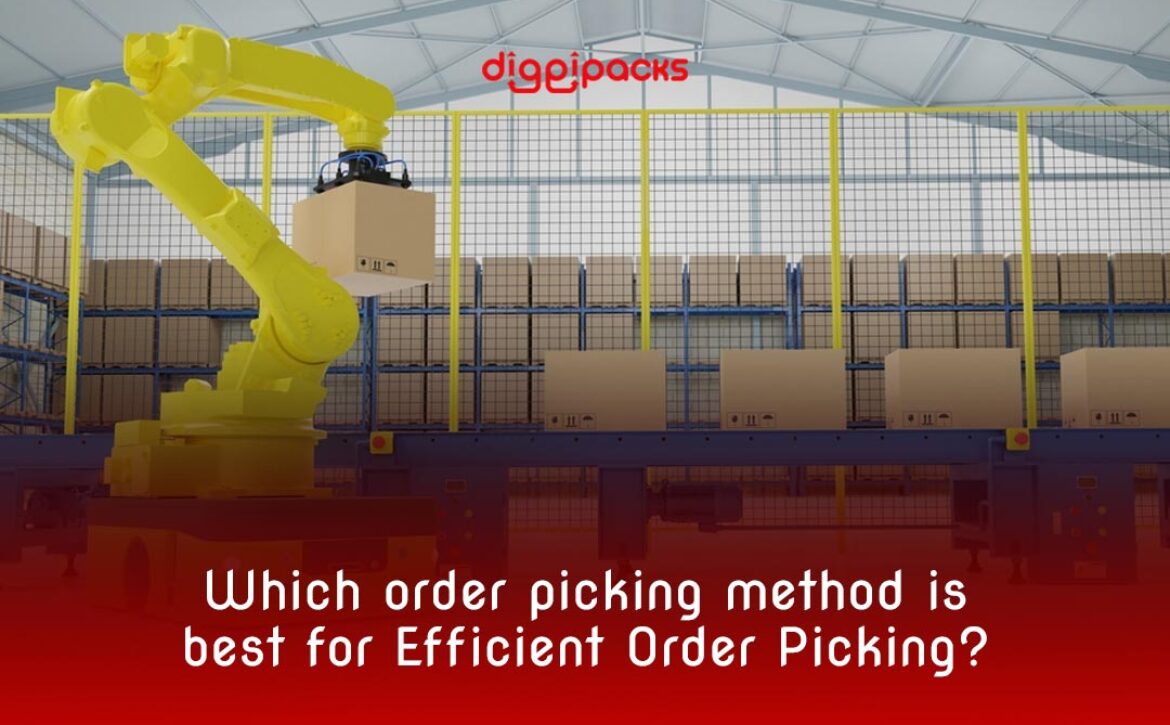
Which order picking method is best for Efficient Order Picking?

[et_pb_section fb_built=”1″ _builder_version=”4.16″ global_colors_info=”{}”][et_pb_row _builder_version=”4.16″ background_size=”initial” background_position=”top_left” background_repeat=”repeat” global_colors_info=”{}”][et_pb_column type=”4_4″ _builder_version=”4.16″ custom_padding=”|||” global_colors_info=”{}” custom_padding__hover=”|||”][et_pb_text _builder_version=”4.17.4″ header_2_text_color=”#E02B20″ header_3_text_color=”#E02B20″ header_3_font_size=”26px” header_4_text_color=”#E02B20″ header_4_font_size=”26px” background_size=”initial” background_position=”top_left” background_repeat=”repeat” hover_enabled=”0″ global_colors_info=”{}” sticky_enabled=”0″]

The order picking process is one of the most important operations in warehouses and stores because it can affect more than half of warehouse operating costs, especially that the rapid execution of orders will affect customer satisfaction and thus increase their retention and avoid losses and additional costs, so it’s method is very important for your organization or Your company, and in this article, we will talk about the concept of order picking as well as the best methods.

What is order picking?

means the process by which products are retrieved from warehouse stock to fulfill customers’ orders, and it is one of the activities that require great accuracy as well as a large number of workers,

Especially since the time is taken in the order picking process will greatly affect the delivery time and thus customer satisfaction.

Order picking in the Warehouse

order picking

Order picking in a warehouse is the process in which the required items are selected from a fulfillment center that meets customer requests, and in fact, it is an activity that requires a lot of costs and requires labor-intensive in warehouses

Also, the costs of picking in a warehouse represent about 55% of the costs of the distribution center, and this process is actually one of the most important operations in any company.

Warehouse picking directly affects the satisfaction of your customers, as well as the reputation of the business and the brand you provide, as well as a direct impact on your profits and revenues as well.

Best Solutions for order picking

Warehouses can improve their systems by enhancing the productivity of their order picking, which will positively affect the efficiency of warehouses and thus customer satisfaction and the efficiency of the entire work.

And the following are the best order picking solutions:

  • Keep your SKUs separately, which will help you reduce costs in searching for the right SKUs, and you can also specify a specific selection site for each SKU.
  • Try to use group strategies when picking orders, which will reduce the time and help you choose more than one order in the same trip and thus increase efficiency, so it is one of the optimal order picking solutions.
  • Enter the horizontal picking system, as it makes it easier to find the necessary items quickly, which will help you to reach the most requested items quickly, and the less requested items use the vertical system with them.
  • Choose the right type of storage for items, thus reducing handling processes so items become fast-moving on the shelves, thus reducing restocking time, and this is one of the best order picking solutions.
  • Collect frequently ordered items in the same area to make it easier to find, thus reducing time and speeding up the delivery process, even more, keeping customers highly satisfied.

you may want to know: Retail stores optimizing Inventory Management, Eases Ecommerce Implementations

diggitrack

Order picking methods

There is more than one method that is used in order picking, and the following are the most important of these methods in some detail:

1. Wave order picking

is one of the most popular methods in which workers are working in specific areas, and after selecting the ordered items they are sorted and then combined into their shipments.

This method helps reduce the time it takes to pick up requests, and it is better than selecting requests from a region and then aggregating at the end.

This method requires a larger number of workers and is more suitable for companies or institutions that have a higher number of picks per order

2. Cluster order picking

The second popular method is Cluster order picking, in which more than one order is picked at the same time so that workers pick a large group of items for multiple orders.

The most common method of this type is the use of a cart loaded with multiple containers, which keeps orders organized and reduces errors.

3. Zone order picking

In this method, the warehouse is divided into zones and each worker is assigned a zone to pull the required items from, then pass an order container into the next zone until the entire order is collected.

This method is the best picking method for large warehouses that suffer from overcrowding.

4. Pick and pass

It is another popular order picking method, in which warehouses are also divided but workers pick SKUs for multiple orders simultaneously within their own district.

Then the containers are passed to the next area, and sometimes the request can be completed without the need for any further passes.

5. Batch order picking

It is a multi-method, in which more than one order is worked on at the same time, which is the best way for companies or institutions that have multiple orders at the same time, and this method will reduce the time for selecting items in each picking cycle.

6. Single order picking

order picking

is the most used order picking method, but it is also the most time-consuming method in warehouses, as each worker in this method works on one order at a time.

will be suitable for those who have smaller warehouses that handle few daily orders.

[/et_pb_text][/et_pb_column][/et_pb_row][/et_pb_section]
Read More
admin January 11, 2026 0 Comments

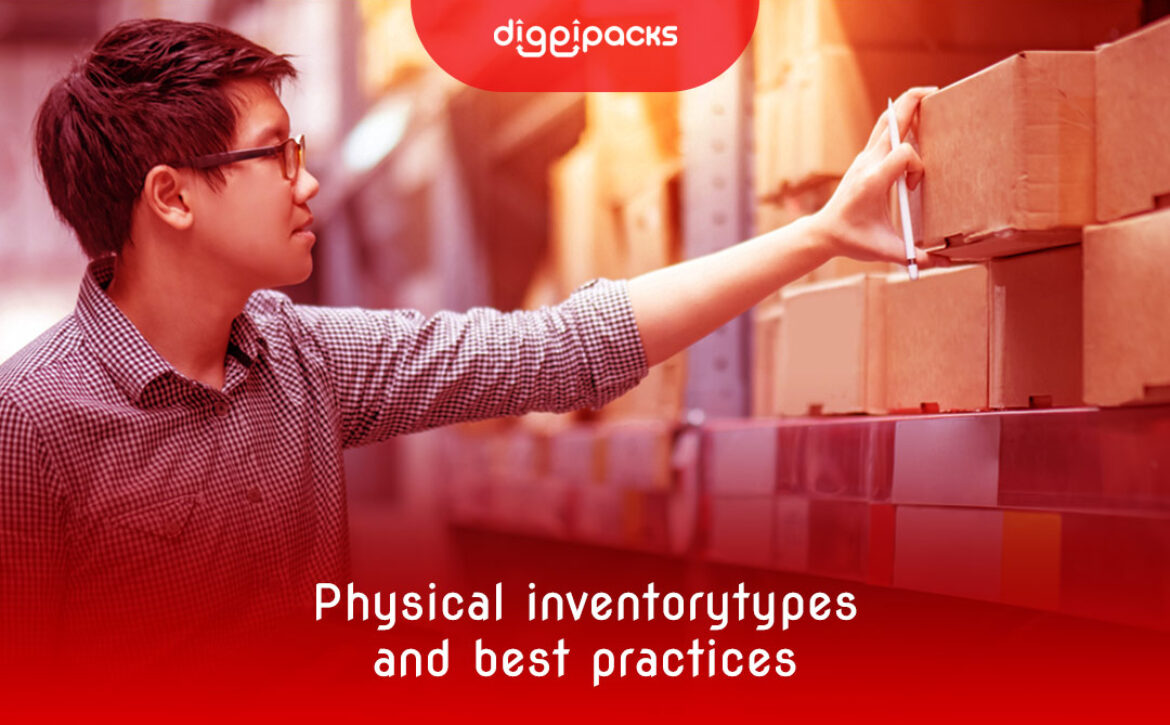
Physical Inventory: types and Best Practices

[et_pb_section fb_built=”1″ _builder_version=”3.22″][et_pb_row _builder_version=”3.25″ background_size=”initial” background_position=”top_left” background_repeat=”repeat”][et_pb_column type=”4_4″ _builder_version=”3.25″ custom_padding=”|||” custom_padding__hover=”|||”][et_pb_text _builder_version=”4.9.4″ background_size=”initial” background_position=”top_left” background_repeat=”repeat” hover_enabled=”0″ sticky_enabled=”0″ header_2_text_color=”#E02B20″ header_2_font_size=”24px” header_3_text_color=”#E02B20″ header_3_font_size=”24px” header_4_text_color=”#E02B20″ header_4_font_size=”24px”]

Physical inventory is one of the most important forms of inventory. After the institution performs the routine work of accounting, which begins with recording in the journal, then posting to the ledger, and finally preparing the trial balance before the inventory, another stage begins, which is the inventory, and there is great importance to the inventory process in general, it is a process An audit of what the institution owns (assets) and all that it is obligated to do towards others (liabilities), and the objective of the physical inventory is to compare what is recorded in the accounting books with what is actually and materially present in the institution, then record the necessary adjustments to match the account balances with what is in reality and Give an honest picture of the organization in the financial statements, and in this article we will show you everything you need to know about physical inventory.

What is Physical Inventory?

Physical inventory is an organized method of calculating a company’s inventory, with employees using a specific method for counting the items and merchandise in managing a warehouse.

Generally, most companies make a physical inventory of their inventory at the end of the reporting period.

Types of Physical Inventory Counts

physical inventory

There is more than one type of physical inventory, and the differences between all of these types lie in the data in the company

There are 4 types of physical-inventory, and the following are those types in some detail:

Manual Completion

It is a type of physical inventory in which paper counts or sheets and pencils are used to record inventory.

The most important feature of Manual Completion is the low cost of the materials used, but it is not without flaws. One of its main drawbacks is its high rate of errors.

Electronic Counting

It is another type of physical inventory in which inventory is recorded through the use of scanners, barcodes or mobile phones.

The most important advantage of Electronic Counting is that it greatly reduces counting errors, and its drawback is that this type requires many materials and additional time to complete.

Cycle Counting

One of the most important types of physical inventory, in which random parts of the inventory are counted at any time, not a specific time, and its most important advantage is that it reduces the additional time for counting as well as the resources used.

Also, through Electronic Counting, the company does not need to stop its operations completely during the counting, but it has a drawback that sometimes it calculates the inventory less than the ideal number required to calculate it.

Full Inventory

The last type of physical inventory, in which an inventory of all inventory is taken at one time, in which case companies bring in temporary employees for the process.

The most important feature of Full Inventory is that it provides reliable and accurate inventory records in the creation of the annual financial document.

As for its drawbacks, it takes a lot of time and labor, and it also requires the operational closure of the company or the entire organization until it is terminated.

Physical Inventory vs. Cycle Counting

There is a difference between Physical Inventory and Cycle Count, physical inventory is a comprehensive annual inventory of most of the company’s assets, while Cycle Counting is on parts of inventory and not the entire inventory.

Physical inventory is not always automated, unlike Cycle Counting, which can always be automated, which saves time and effort, reduces human errors, and provides real-time data.

Therefore, the most effective and accurate inventory processes are those that combine automated systems as well as Cycle Counting.

Benefits Physical Inventory Count

physical inventory

There are a large number of benefits and advantages that physical-inventory provides to its users, and the following are the most important benefits:

  • Maintain accurate and up-to-date inventory records.
  • Provide better forecasts for sales and purchases.
  • Ensure that the right quantity of items is always in stock.
  • Maintaining and satisfying customers.
  • The ability to meet your customers’ requests immediately or tell them when they will be fulfilled.
  • Improving the profits of the company or organization in general.
  • Plan for any losses and avoid depreciation of the items or products you own.
  • Avoid the high cost of storing items.

you may need to know : Retail stores: optimizing Inventory Management, Eases Ecommerce Implementations

What are Issues with Physical Inventory?

Despite the great benefits and advantages provided by the physical-inventory method, it also faces some problems, as it takes a long time and also takes a lot of time to complete.

Also, during the physical inventory process, companies sometimes close their operations, thus not meeting the demands and needs of customers during that time.

Also, the biggest problem that may make a number of companies do not use this method in the inventory is that some

Companies do not have enough staff to perform a complete physical inventory

Sometimes inconsistencies occur, as some internal employees do not record inventory accurately or incorrectly categorize items.

[/et_pb_text][/et_pb_column][/et_pb_row][/et_pb_section]

Read More
admin January 11, 2026 0 Comments

Days outstanding inventory – days sales in inventory

[et_pb_section fb_built=”1″ _builder_version=”3.22″][et_pb_row _builder_version=”3.25″ background_size=”initial” background_position=”top_left” background_repeat=”repeat”][et_pb_column type=”4_4″ _builder_version=”3.25″ custom_padding=”|||” custom_padding__hover=”|||”][et_pb_text _builder_version=”4.9.4″ header_2_text_color=”#E02B20″ header_2_font_size=”24px” header_3_text_color=”#E02B20″ header_3_font_size=”24px” header_4_text_color=”#E02B20″ header_4_font_size=”24px” background_size=”initial” background_position=”top_left” background_repeat=”repeat” hover_enabled=”0″ sticky_enabled=”0″]

Days outstanding inventory is one of the most important concepts that must be well understood, as it measures the average number of days that the company will keep in stock before it is transferred to actual sales, and this greatly affects the cash transfer cycle and shows the company’s ability to transfer its investments to Criticism, and in this article, we will talk about all the details of the days outstanding inventory and its calculation method, especially as it significantly affects the company’s performance.

What are days sales in inventory?

Days sales of inventory (DSI) is a financial ratio that shows the average time it takes a company to convert its inventory into actual sales, and this time is usually measured in days.

The day’s sales of inventory (DSI) take more than stock, and is also defined as the average age of inventory, days outstanding inventory (DIO), days in inventory (DII), days sales in inventory, or days inventory and is interpreted in multiple ways.

It is also one of the most important financial ratios that can be interpreted in more than one way. It can refer to the liquidity ratio in the stock or the number of days that the stock will last in the company.

In general, the fewer the day’s sales of inventory (DSI), the better for the company and the less loss it will have.

you may need to know: Physical Inventory: types and Best Practices

The day’s sales in inventory formula

days outstanding inventory

There is great importance for calculating the day’s sales of inventory (DSI), as it affects the company’s financial position and inventory. There is a specific formula to be able to calculate the day’s sales of inventory (DSI), which is as follows:

  • (Inventory / Cost of Sales)* (No. of Days in the Period)

As we mentioned, the smaller the output, the better for the company and its inventory, so it is able to convert its sales into inventory in the shortest possible time.

Importance of Days Sales Inventory to Businesses and Investors

The Days Sales Inventory to Business and Investors is also very important, as it helps them better:

  • Manage their company’s inventory, and it helps them determine how long their company needs to turn their existing inventory into sales.
  • Knowing the extent of inventory liquidity, the smaller its output, the more positive it is for the company, as it shows it that it is able to convert its inventory to cash quickly.

you may need to know: 5 Strategies to build Supply Chain Resilience in a Connected World

What are days outstanding inventory (DIO)?

As mentioned earlier, the concept of Days outstanding inventory (DIO) is not different from the concept of days sales of inventory (DSI), both of which have the same meaning but no more.

Whereas, Days outstanding inventory (DIO) refers to the average number of days it takes a company to replace its inventory for actual sales.

The Days outstanding inventory (DIO) can be used to optimize a company’s marketing, sales, and pricing strategies, as well as product pricing, based on consumer demand and spending patterns.

How to improve days outstanding inventory

Due to the great importance of days outstanding inventory to any company, companies should try to improve it on an ongoing basis.

The following are a number of ways that can help you in improving the days outstanding inventory:

  • Accurately increase forecasting and planning, in order to address inconsistencies between actual sales and projected sales.
  • Disseminate better, more effective and impactful marketing strategies.
  • Accelerate sales, which will help speed up the monetization of your inventory.
  • Use some techniques, such as on-time delivery, to improve your company’s inventory levels.
  • Provide some offers and discounts that will help you get rid of obsolete inventory quickly.

you may need to know: What is a Bonded Warehouse? Our Guide in logistics

Why should I use the Days Outstanding Inventory formula?

days outstanding inventory

The days outstanding inventory (DIO) can be calculated by the following formula, which will give the same output as the first concept, with only different inputs, where:

  • DIO = average inventory/cost of goods sold x number of days

Thus, the lower the days outstanding inventory (DIO) the better for the company, this means that the company’s inventory liquidity is high, and therefore it can convert its inventory to sales quickly.

[/et_pb_text][/et_pb_column][/et_pb_row][/et_pb_section]

Read More
admin January 11, 2026 0 Comments

Ready for the future of Green Logistics – Leverage technology with diggipacks

[et_pb_section fb_built=”1″ _builder_version=”3.22″][et_pb_row _builder_version=”3.25″ background_size=”initial” background_position=”top_left” background_repeat=”repeat”][et_pb_column type=”4_4″ _builder_version=”3.25″ custom_padding=”|||” custom_padding__hover=”|||”][et_pb_text _builder_version=”4.9.4″ header_2_text_color=”#E02B20″ header_2_font_size=”24px” header_3_text_color=”#E02B20″ header_3_font_size=”24px” header_4_text_color=”#E02B20″ header_4_font_size=”24px” background_size=”initial” background_position=”top_left” background_repeat=”repeat” hover_enabled=”0″ sticky_enabled=”0″]

All countries seek to reduce environmental pollution and preserve the environment in various possible ways, green logistics have emerged, which aims to reduce and reduce the environmental impact of logistics activities, and this includes all activities of forward and reverse flows of digital products, as well as information and services between the point of origin and the point of consumption, while trying to create sustainable values For different organizations or companies, using a balance of economic and environmental efficiency, and in this article we will talk about everything you need to know about green logistics and how to become environmentally friendly in your logistics.

What is the meaning of Green Logistics?

green logistics

Green logistics means all sustainable measures and policies through which the environmental impact of various logistics activities can be reduced.

The concept of green logistics will in turn affect all configurations and operations of fast logistics services. As well as the nature and form of tools and equipment used in the distribution, transportation, and storage of the goods themselves.

And this includes all the activities of the forward and reverse flows of products and services between the point of origin and the point of consumption.

In fact, green logistics can be traced back to the mid-1980s. At the time, it was understandable to characterize logistics systems and approaches that use advanced technology and equipment to minimize environmental damage during logistics operations.

The objectives of green logistics

As for the objectives of green logistics services, they are in fact aimed at trying to find a balance between the environment and the economy, through many methods and tools.

The following are the most important objectives of green logistics services:

  • Measure the carbon footprints of logistics and its operations, in order to establish a point of consideration for sustainability measures as well as manage their outcomes.
  • Reduce soil, water and air pollution.
  • Reducing noise and hustle, by analyzing the impact of logistical areas, specifically those related to transport operations.
  • Guidance in the use of supplies.
  • Reuse containers as well as recycle packaging.
  • Spreading sustainability in supply chains resilience, product design and packaging as well.

How to apply eco-friendly logistics approaches?

There are a number of effective strategies and ways in which you can include eco-friendly logistics approaches to your organization or company, the most important of which are:

  • Base your purchasing policies on eco-friendly standards, such as product characteristics and use of eco-friendly packaging, as well as manufacturing processes that are eco-friendly.
  • Improve the management of your transport fleet, by purchasing vehicles that operate in a way that preserves the environment, as well as relying on systems that help in planning delivery routes and determining the appropriate loads.
  • Owning a warehouse that follows the standards of sustainable construction and management, through the use of logistic buildings whose design includes measures to protect the environment.
  • Reducing the recycling of waste produced in your warehouse, by using sustainable waste management standards, such as trying to sort waste by materials to be recycled.
  • Optimize reverse logistics and inventory management, and utilize quality control processes for returned products.
  • Efficiently pick up your orders.

Green Logistics Strategies for Eco-Friendly Delivery

There are also a number of green logistics strategies, which are in fact environmentally friendly and related to delivery operations, and the following are the most important of those strategies:

Free delivery mode with a longer delivery period

Especially since delivery on the same day of the order is a huge waste, and a large percentage of customers prefer to wait for a longer time for delivery than to get the delivery process free of charge, and this will be more suitable for the environment and for the customer as well.

Combine orders together to reduce the number of vehicles

Reducing the number of operating vehicles means reducing the risk to the environment and pollution as well. You can collect orders in the same area and only one vehicle delivers them, this will reduce the risk to the environment as well as increase energy efficiency.

Intelligent fleet management

The use of smart fleet management, which includes some algorithms and working mechanisms through which it can prioritize sending the green request first.

Using bicycles for local delivery

One of the most environmentally friendly ways of delivering deliveries is to use bicycles to deliver orders locally, so there are no emissions of gases during the delivery process.

Applying Green Logistics to Supply Chains

Due to the great importance of green logistics, a large number of companies have started investing in green logistics and implementing it in their supply chains.

Especially since green logistics contributes significantly to reducing supply chain costs, so its introduction is in fact a win-win for both companies and the environment.

Go green in your logistics

green logistics

So you also need to start introducing green logistics into your business, which will make your company or organization ready for the future in which all businesses will be sustainable.

Diggipacks services can help you transition to green logistics, as it provides many eco-friendly logistics services.

Also it designed a smart and sustainable system to deal with all the problems of customers who were suffering from poor storage and delivery with integrated solutions.

[/et_pb_text][/et_pb_column][/et_pb_row][/et_pb_section]
Read More
admin January 11, 2026 0 Comments

Top 4 Inventory Management Trends to Know in 2022

[et_pb_section fb_built=”1″ _builder_version=”3.22″][et_pb_row _builder_version=”3.25″ background_size=”initial” background_position=”top_left” background_repeat=”repeat”][et_pb_column type=”4_4″ _builder_version=”3.25″ custom_padding=”|||” custom_padding__hover=”|||”][et_pb_text _builder_version=”4.9.4″ header_2_text_color=”#E02B20″ header_2_font_size=”24px” header_3_text_color=”#E02B20″ header_3_font_size=”24px” background_size=”initial” background_position=”top_left” background_repeat=”repeat” hover_enabled=”0″ sticky_enabled=”0″]

There are a number of inventory management trends that all companies and employers must follow, and companies incur the costs of storage, tracking and securing inventory, and poorly managed inventories can create major financial problems for businessmen, whether mismanagement leads to stockpiling or inventory shortage, In this article, we will present the most important inventory management trends, and we will first learn what inventory management and its systems are.

What Is Inventory Management?

Before talking about inventory management trends, we will first need to know what inventory management is, and inventory management is one of the tools business owners use to assess the performance of their organization.

By using the right software, they can keep track of inventory levels at any given moment, ensuring that you are on the right track to profit and success.

Inventory Management Trends

Inventory Management Trends

Inventory management is one of the most important things that can affect the efficiency of the work of any business, and there are a number of inventory management trends that any business owner or business must take into account.

Below are Top 4 Inventory Management Trends to Know in 2022:

1. Sourcing Supply Chain Management

One of the most important inventory management trends is the attempt to manage supply chain sourcing. After the Corona pandemic, there has been a reorganization of manufacturing functions.

Especially since international supply chains have been reduced in prevalence during that period, this has made all companies rethink their supply chain strategies.

Then the companies have realized that it is better for them to diversify their supply chain options.

2. Rethinking Inventory Forecasting

One of inventory management trends to consider in 2022 is a rethink of inventory forecasting. Previously, companies could use inventory management software to forecast inventory trends and plan demand strategies with them.

But now it’s getting more complicated, which of course makes companies need to rethink inventory forecasting.

After the Corona pandemic, companies need to respond to problems differently, you will first need to respond to the problem by taking temporary measures to prevent damage to your company for that period.

And then take other steps to restart the company’s activity, and then make a renewal through learning and developing policies that help the company to stabilize in the long term.

3. Automating Warehouse Processes

The automation of warehouse operations is one of the most important inventory management trends to consider in 2022, which will help in better managing a warehouse, enhances efficiency and customer satisfaction.

And there are a number of methods used in automating warehouse management:

  • Use barcode scanners to scan merchandise, settle orders, and update inventory records.
  • Pick up all items for multiple sales orders in one trip.

4. Inventory Management Software  

The most common inventory management trends is the use of inventory management software, as there is great importance to use inventory management software in companies,

which will help you in managing supply chains, preparing reports to identify various trends, as well as automating warehouse operations.

Fastcoo offers one of the best Inventory Management System with modern technology that distributes shipments automatically with a programmed voice system for each case in your warehouses.

The following are the most important services that the Inventory Management Software provided by Fastcoo to you:

  • Know the destination of the shipment by simply scanning the barcode.
  • Providing a sound system for each case and city.
  • The presence of an intelligent system that refuses to receive duplicate shipments and informs you of the error
  • Automatic update of each shipment once shipments are cleared.
  • Provide alerts on shipments that have not been sent for delivery
  • Extracting data and reports and saving them to this system
  • Automatically print labels for each shipment.
  • Preparing shipments for delivery so you don’t miss any shipment.
  • Provide alerts for duplicate or unregistered shipments

The future of logistics

Inventory Management Trends

The most important thing that you should consider besides the four Inventory Management Trends is to look to the future, they are renewable and development, which will serve as success and the basis for your company to continue in the market.

Fastcoo can provide you with the best inventory management software, as well as Diggipacks, they are able to help you overcome many challenges.

[/et_pb_text][/et_pb_column][/et_pb_row][/et_pb_section]

Read More
admin January 11, 2026 0 Comments

What are the 4 Main Inventory types

[et_pb_section fb_built=”1″ _builder_version=”3.22″][et_pb_row _builder_version=”3.25″ background_size=”initial” background_position=”top_left” background_repeat=”repeat”][et_pb_column type=”4_4″ _builder_version=”3.25″ custom_padding=”|||” custom_padding__hover=”|||”][et_pb_text _builder_version=”4.9.4″ background_size=”initial” background_position=”top_left” background_repeat=”repeat” hover_enabled=”0″ header_2_text_color=”#E02B20″ header_2_font_size=”27px” header_3_text_color=”#E02B20″ header_3_font_size=”27px” sticky_enabled=”0″]

Inventory is one of the most important assets of the company and one of the main sources of revenue and subsequent profits for the shareholders of the company, and there are 4 basic types of inventory types, and therefore there is great importance to inventory management, and in order to control the levels of these types, we rely on managing a warehouse, which is one of the most important methods of enterprise management Which needs strict control so as not to be exposed to any theft, in addition to the need for periodic inventory to ensure that the stock is intact and there is no shortage in the stores, and in this article we will show you what is meant by inventory and what are the most important inventory types as well as the importance of inventory management and its definition.

What Is Inventory?

Before talking about the most important inventory types, we will first need to know what is meant by inventory, which is defined as a group of finished goods, semi-finished goods, or raw goods that are used in production and maintained by the company.

Inventory is placed under a company’s current assets on its balance sheet, and inventory is a barrier between manufacturing and fulfilling orders.

We can define inventory as the goods available for sale, and the raw materials used; to produce goods for sale, which is one of the sources used to generate revenue and profits.

are you know how compute Average Inventory Formula ?

Types of Inventory

Inventory types

There are many inventory types, and each of them is an important and vital component of the company, and the following is an explanation of the most important 4 inventory types:

1. Raw Materials

They are unprocessed materials that are used to produce a specific commodity, such as aluminum and steel that enters an industry, and flour for the production of bread, among other examples.

Raw materials as one of the inventory types include materials that the company uses as a starting point in its production processes.

2. Work-In-Progress (WIP)

Work-In-Progress inventory is one of the inventory types which partly finished goods that are waiting to be completed or resold, like semi-manufactured aircraft.

It includes unfinished products and the volume of inventory in the process depends on the volume of production operations.

3. Finished Goods

The product that the company has finished producing and has become a finished commodity, such as equipment, clothes, and the like.

Finished Goods as one of the inventory types Includes products that have been completed and are ready to be shipped and sold.

4. Maintenance, repair & operations (MRO)

It is the fourth inventory type and includes all consumables and equipment needed for manufacturing or maintenance, but they are not considered part of the inventory of goods

Inventory Management

Inventory Management Trends is one of the most important methods of enterprise management, which needs oversight to ensure that no theft is exposed, as well as ensuring that the stock is sound and that there is no shortage in the stores.

There are a number of modern systems that work on effective inventory management, and they are specialized systems responsible for all operations related to inventory management operations.

Inventory must be managed effectively to ensure that stock quantities are maintained properly and the quality of products is maintained until they reach the consumer.

In inventory management, all processes related to the receipt and delivery of goods, and storage levels are tracked according to the type of inventory.

In addition to tracking and controlling the incoming and outgoing according to the documents and invoices that facilitate the tracking of all daily procedures.

The inventory management system also allows the ability to review the operations that occurred on the stock from selling, importing, or receiving new quantities in the past.

There are also many positive effects that can accrue to all parties in the environment of business operations when using inventory management systems.

[/et_pb_text][/et_pb_column][/et_pb_row][/et_pb_section]

Read More
admin January 11, 2026 0 Comments

Learn how to run a successful ecommerce business

[et_pb_section fb_built=”1″ _builder_version=”3.22″][et_pb_row _builder_version=”3.25″ background_size=”initial” background_position=”top_left” background_repeat=”repeat”][et_pb_column type=”4_4″ _builder_version=”3.25″ custom_padding=”|||” custom_padding__hover=”|||”][et_pb_text _builder_version=”4.9.4″ header_2_text_color=”#E02B20″ header_2_font_size=”27px” header_3_text_color=”#E02B20″ header_3_font_size=”27px” header_4_text_color=”#E02B20″ header_4_font_size=”27px” background_size=”initial” background_position=”top_left” background_repeat=”repeat” hover_enabled=”0″ sticky_enabled=”0″]

In recent times, e-commerce has become a common thing, and electronic stores have gained great importance due to their diversity and ease of access. Consumers do not prefer to go shopping, but rather that the market has become accessible to them through electronic stores, and a large number of electronic merchant managers want to Find out how to run a successful ecommerce business in order to satisfy customers, expand your business, make more profits and make more sales, and in this article we will explain to you how to run a successful ecommerce business.

How to run a successful ecommerce business

At the beginning of ecommerce, there was no demand for it and individuals were afraid of the experience of buying through it, but now the situation is different.

When these electronic stores spread, the demand for them became great, so their owners seek to know how to run a successful ecommerce business.

And how to run a successful ecommerce business is based primarily on many ingredients, the most important of which are the skills acquired by learning and practice.

Especially since managing an online store is one of the tasks that also need special elements and skills in management.

And if you want to know how to run a successful ecommerce business, here are a number of tips that will help you run a successful ecommerce business:

Build a perfect ecommerce store

The first tip on how to run a successful ecommerce business is to build a perfect ecommerce store.

You cannot run your own e-commerce business without having an e-store with a perfect design and convenient to use.

Especially since the store manager should be primarily responsible for managing this store, as he has to make all decisions related to his store, supervise social media accounts, and follow up on advertising campaigns.

He will be primarily responsible for managing this store, as he has to make and supervise all decisions related to his store, in addition to developing strategic plans such as staffing and managing a warehouse.

Also, when building a perfect ecommerce store, it is necessary to take into account the shape and design of the interface.

Because they are the ones that will be presented to the users because they are a great attraction for customers through which they can achieve the best accessible user experience.

Choosing a product

how to run a successful ecommerce business

The second tip on how to run a successful ecommerce business is to choose an appropriate product to offer in your store.

This is one of the most important steps that will make you run your e-commerce correctly and successfully, and you will need to do the appropriate and required research to determine whether this product is the right one or not.

And the owner of the online store should be concerned with following up the demand for the products it offers and developing strategic plans as well as appropriate marketing campaigns to properly promote that product.

Getting customers

After designing an attractive and perfect online store, and then selecting the right product to work with, the third tip on how to run a successful e-commerce service is to find consumers.

You can simply do this through various online promotional campaigns, and social media platforms can help you promote your online store as well as your products effectively.

You can also use Google search engines and SEO to attract more customers to your store and thus increase potential customers.

Also, in order to run a successful ecommerce business, you will need to follow the new developments in the world of e-marketing and apply them to your store to find customers.

Through research and development, you can win new customers by targeting them to achieve the desires they are looking for while continuing to maintain your existing customers.

Offer fast and free shipping

Fourth tip on how to run a successful ecommerce business and perhaps one of the most important tips for your ecommerce success is to try to provide fast and free shipping.

This will greatly help you in getting a permanent client. It is also at the forefront of the important elements for the success of your online store, the presence and possession of a shipping method with distinct specifications, including speed and security.

And if you can offer fast and free shipping, this will help you in the success of your e-commerce and the growth of your store significantly.

Provide excellent customer service

The most important tip about how to run a successful ecommerce business is to provide outstanding customer service that can communicate well, effectively and efficiently with all of the store’s customers.

As it is essential for any online store that seeks to achieve the highest success rates; providing excellent customer service that is able to respond with customer complaints and inquiries.

Customer service must also be able to help solve the obstacles and problems customers face within the store.

This will make it easier for customers to access this customer service at any time of the day and respond to their complaints.

And know that providing good customer service to all customers will help you increase the degree of loyalty to your brand and your online store in general.

Take your sales to the next level

how to run a successful ecommerce business

After you have designed your online store perfectly and you are able to choose the right product for your store and the customer segment that you will use.

After you have succeeded in providing fast and sometimes free shipping services, as well as active and excellent customer service, you can now take your sales to the next step.

This means that it expands its products or services in order to raise the level of sales and achieve more revenue and sales.

Perhaps these are important steps that you should know if you are looking for how to run a successful ecommerce business.

Ecommerce case studies to inspire you

One of the most useful ways to run a successful ecommerce business is with ecommerce case studies.

These studies will motivate and inspire you and your business, as they will show you the state and nature of the market, what are the most important problems that occur and changes in markets and prices, and how you can face it.

Ecommerce case studies will inspire you to provide the best and more, in order to serve your online store in a way that suits customers and keeps pace with the latest developments and events.

And all of this in the end will be in your interest and effectively help you run a successful ecommerce business and thus achieve more profits and sales.

[/et_pb_text][/et_pb_column][/et_pb_row][/et_pb_section]
Read More
admin January 11, 2026 0 Comments

What are 5s in warehouse Management

[et_pb_section fb_built=”1″ _builder_version=”3.22″][et_pb_row _builder_version=”3.25″ background_size=”initial” background_position=”top_left” background_repeat=”repeat”][et_pb_column type=”4_4″ _builder_version=”3.25″ custom_padding=”|||” custom_padding__hover=”|||”][et_pb_text _builder_version=”4.9.4″ background_size=”initial” background_position=”top_left” background_repeat=”repeat” hover_enabled=”0″ header_2_text_color=”#E02B20″ header_2_font_size=”27px” header_3_text_color=”#E02B20″ header_3_font_size=”27px” header_4_text_color=”#E02B20″ header_4_font_size=”27px” sticky_enabled=”0″]

There is more than one way through which you can upgrade and improve the performance of your warehouse, and one of the most important of these methods is 5s in warehouse, which is one of the most common practices in a large number of Japanese companies, and Alts helps effectively and clearly in achieving the main objectives in any warehouse, which provides an organized warehouse with more efficient storage operations, 5s in warehouse also helps to quickly identify problems in warehouses and work to address the root causes to solve those problems in the short term as well as prevent their recurrence, and in this article we will show you in detail all the information about 5s in warehouse and the most important benefits behind its application in your company.

What is 5s in warehouse?

5s in warehouse is a Japanese system for factories, warehouses, and the like, based on the application of five basic principles in any factory.

The goal of 5s in warehouse is to use the places in a proper manner, organize the places and production lines, and take advantage of the narrow spaces in a proper manner.

All users have found that 5s in warehouse leads to an increase in productivity and a noticeable reduction in waste and breakdowns.

5s in warehouse Explained in Detail

5s in warehouse

5s in warehouse is considered one of the successful Japanese systems that contributed to increasing the productivity of factories and warehouses, as well as reducing the waste of resources clearly.

Toyota has applied 5s in warehouse and then spread globally, and in the recent period it has achieved tangible and impressive results.

Perhaps the most prominent characteristic of 5s in warehouse is that it creates the ideal work environment in any factory, which is the beginning of success and vice versa.

No successful factory can be based on a wrong working environment, or have chaos or technical disorganization, and that’s what 5s provides to its users.

So we can define 5S as one of the organized ways in which a suitable and organized work environment can be created according to five criteria.

General Benefit by implementing 5s in warehouse

As we mentioned in the previous paragraphs, 5S is one of the organizational methods through which an organized work environment can be created according to five criteria.

There are a number of benefits that 5S in warehouse can provide when it is properly implemented, and the following are the most important of those benefits:

  • It makes your warehouse organized and neat.
  • It significantly and clearly enhances warehouse productivity.
  • Improving the quality of work in warehouses.
  • Reduce your warehouse operating costs.
  • Enhance the delivery options by improving its performance.
  • Not wasting resources and optimizing them.
  • Raising the morale of employees in warehouses.

WHY 5s in warehouse?

Since the application of 5S began in the seventies of the last century, this method is reaping a lot of success, which has helped a large number of companies achieve efficiency in their warehouses.

This makes 5S so important, especially as it also enhances warehouse operations in the least possible time and through the least wasted resources.

5S also reduces potential wasted time searching for resources in warehouses and enhances the company’s overall bottom line, by improving the products and fast logistics services offered.

5S also helps free up space that can be used more efficiently, by eliminating unnecessary items from production facilities.

Therefore, 5S standards make production environments more flexible and efficient, so they are used by those who want to improve their productivity.

WAREHOUSE SAFETY & STRATEGY WITH THE 5S STANDARD

5s in warehouse

5S Standards can help you with the safety stock and strategy of your warehouse, and create a better and more productive work environment.

Here are the most important 5S Standards that you can benefit from in your warehouse:

1. Sorting

Which aims to reduce materials that do not belong in the workplace, and is an excellent way to free up space consumed by unnecessary materials.

2. Set in order

It works efficiently in reducing the time needed to search for things, by determining the appropriate storage places, as well as defining a logical storage strategy,which is based on the principle of “a place for everything and everything in its place”.

3. Shining

That is, the continuous inspection for the purpose of arranging and cleaning the materials in the warehouses,

through daily follow-up for a clean working environment that makes workers feel proud to work in it.

This criterion also helps to ensure that all the tools used are the tools required for work, in order to get rid of unused tools that hinder the workflow.

4. Standardizing

This standard works to standardize all workplaces in order to make the essential work steps and abnormal processes clear, and helps in applying best practices in the workplace.

5. Sustaining

 In this criterion, the focus is on applying the laws and integrating them into the company’s work so that they become habits,

and we can say that this step is considered the most difficult to implement and reach its desired result.

As human nature resists change, but this criterion focuses on defining the new work environment, standardizing processes and establishing new rules.

[/et_pb_text][/et_pb_column][/et_pb_row][/et_pb_section]

Read More
admin January 11, 2026 0 Comments