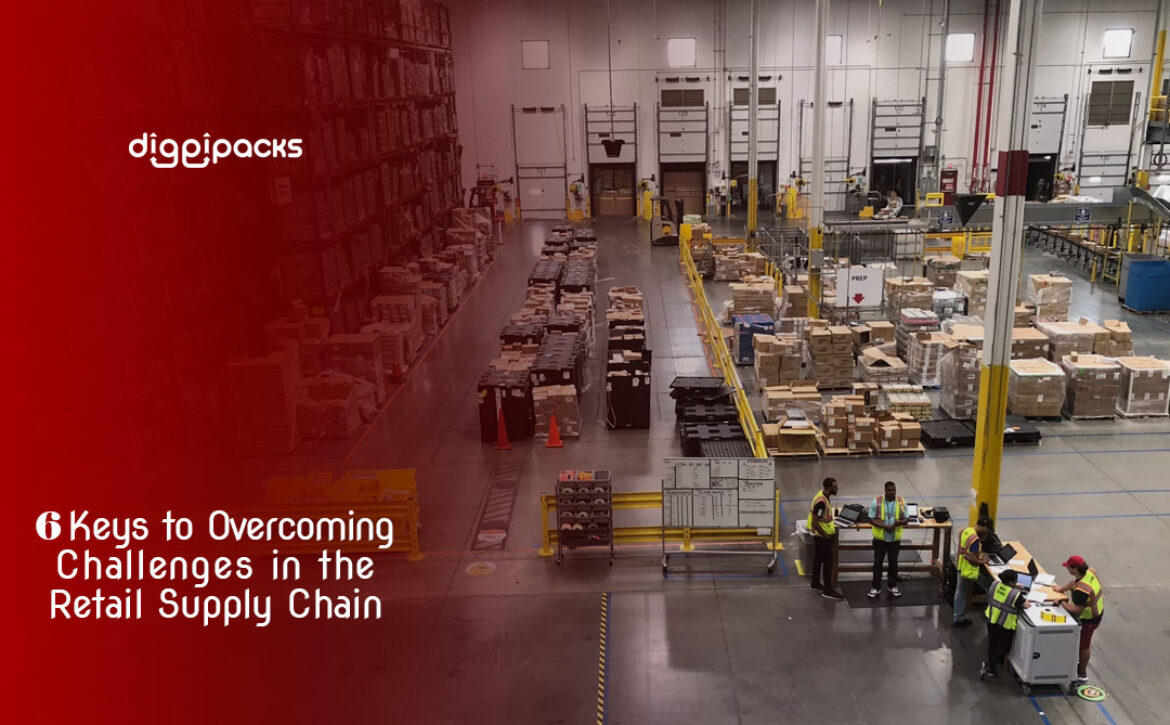
6 Keys to Overcoming Challenges in the Retail Supply Chain

[et_pb_section fb_built=”1″ _builder_version=”3.22″ global_colors_info=”{}”][et_pb_row _builder_version=”3.25″ background_size=”initial” background_position=”top_left” background_repeat=”repeat” global_colors_info=”{}”][et_pb_column type=”4_4″ _builder_version=”3.25″ custom_padding=”|||” global_colors_info=”{}” custom_padding__hover=”|||”][et_pb_text _builder_version=”4.14.8″ background_size=”initial” background_position=”top_left” background_repeat=”repeat” hover_enabled=”0″ global_colors_info=”{}” header_2_text_color=”#E02B20″ header_2_font_size=”27px” header_3_text_color=”#E02B20″ header_3_font_size=”27px” header_4_text_color=”#E02B20″ header_4_font_size=”27px” sticky_enabled=”0″]

The retail Supply Chain faces a lot of challenges that can hinder it and disrupt a lot of business. Especially after the coronavirus pandemic, many retailers are grappling and facing a large number of disruptions. One of the most important of these disturbances is a sudden rise in consumer demand for goods and services. This is in addition to delays in ports and a significant shortage of manpower, and there are a number of methods that can be followed to confront these problems. In this article, we will show you the 6 most important techniques that can be used to overcome the challenges facing the Retail Supply Chain.

What is a Retail Supply Chain?

Retail Supply Chain

A retail supply chain is one that deals directly with consumers or customers and is meant by a network of retailers who are involved in the production, delivery options, and sale of products to the final consumer.

Overcoming Challenges in the Retail Supply Chain

Recently, the difficulties faced by the retail supply chain have increased. This was clearly evident in the huge and unexpected rise in consumer demand management as well as the shortage of labor and the major disruptions at the ports.

But there are a number of approaches we can rely on to tackle the difficulties in the retail supply chain.

The following are the most important 6 basic techniques that help overcome retail supply chain obstacles:

1. Uncover opportunities for greatest impact

Continuous examination of the current supply chain will help you discover more areas that need improvement.

Which will help you to meet the needs of customers and keep up with events quickly, which will improve and maintain customer satisfaction.

2. Partner with a 3PL provider

Partnering with a 3PL provider will help you overcome challenges in the retail supply chain, who will provide you with objective insights into your operations.

And thus analyze the operations that you carry out on a regular basis and also identify the areas of greatest impact in addition to identifying the most important priorities.

3. Gain alignment with your supplier community

It is of great importance to align with your suppliers, to ensure that any changes are implemented successfully without hindrance.

This helps you to overcome any obstacle standing in the retail supply chain, through the information that the suppliers will provide you with, you will be able to:

  • Monitor supplier performance.
  • Make improvements periodically.

4. Understand the current challenges in your retail supply chain

In order to overcome the challenges facing Retail Supply Chain, you need to understand the current challenges in the retail supply chain.

And that is through evaluating the management of requests and having the appropriate vision from the suppliers that you deal with to understand the status of the request.

You will also need to assess how well you manage your inventory and whether or not you have a safe stock. All of this will help you tackle any hurdles that arise in the retail supply chain.

5. Invest in shipping software

Retail Supply Chain

Investing in shipping software will help you improve your delivery process while effectively keeping pace with changes.

The automation of the delivery or shipping method will counter any sudden or unexpected changes, such as a sudden change of weather.

Reliance on shipping software will also enhance the delivery of products to customers, thus improving customer satisfaction and retention.

6. Gain internal alignment

You can’t overcome any of the challenges in the retail supply chain without checking your internal processes.

As you need to renew your supply chain by conducting an effective strategy across the company and its divisions as a whole.

[/et_pb_text][/et_pb_column][/et_pb_row][/et_pb_section]
Read More
admin January 11, 2026 0 Comments

5 Product Content Pitfalls and How to Avoid Them

[et_pb_section fb_built=”1″ _builder_version=”4.15″ global_colors_info=”{}”][et_pb_row _builder_version=”4.15″ background_size=”initial” background_position=”top_left” background_repeat=”repeat” global_colors_info=”{}”][et_pb_column type=”4_4″ _builder_version=”4.15″ custom_padding=”|||” global_colors_info=”{}” custom_padding__hover=”|||”][et_pb_text _builder_version=”4.15.1″ header_2_text_color=”#E02B20″ header_2_font_size=”27px” header_3_text_color=”#E02B20″ header_3_font_size=”27px” header_4_text_color=”#E02B20″ header_4_font_size=”27px” background_size=”initial” background_position=”top_left” background_repeat=”repeat” hover_enabled=”0″ global_colors_info=”{}” sticky_enabled=”0″]

It is very important to prepare accurate and clear product content, especially since any problems with product content will result in huge losses. So product content faces a lot of hurdles for any brand. In the competitive market now, the brands are very competitive among themselves, and the consumer has more than one option to choose between them.

So every company needs to effectively manage its product content in order to stay in the market and maintain its brand and position.

And in this article, we will show you all the details about the most important obstacles that your product content may face in your company and how to face them.

Product content hurdles and how to avoid them:

product content

Here are the 5 most common product content hurdles and how to successfully overcome them.

Thus preserving your brand and your customers while staying in the current competitive market:

1. Disorganized product data lost in spreadsheets

It is very important to manage product content in organized tables so that data is not lost.

Also, putting data in unorganized and multiple tables makes it difficult to update and follow them on a regular basis, and this is one of the problems that hinder business owners.

So always make sure that the data is organized in tables belonging to one central location.

Which will help you keep track of your work and ensure that the workflow is simple and efficient.

2. Tedious data transformation for each retailer’s specifications

The second significant obstacle to product content is the presence of more than boring product descriptions from different Retail stores.

Your job here is to try to harmonize those features and specifications in a perfect way that helps consumers understand it.

Organizing product specifications and attributes helps your team to update the information on each product better and faster.

Especially since if it is not coordinated, it will take them at least 6 hours to prepare a single product.

3. Item data errors

It often happens and there are huge errors in product content, and this is also due to the use of multiple or disorganized spreadsheets.

Also, having errors in product scopewill cost you a lot, especially as it may be the reason for the termination of partnerships with you.

So always make sure to avoid using multiple or disorganized tables, and check item data as you enter it so you don’t waste time fixing it from the start.

4. Lost sales opportunities

Having a problem with the quality of your product content will clearly affect your sales, and in return, having an integrated description of your product will help you attract the audience.

Therefore, you need to provide strong and relevant product scope, in order to avoid sales losses.

Statistics have proven that 35% of incomplete Purchase Orders are due to incomplete or incorrect content of the offered products.

5. Excessive returns

Inaccurate product scope can cause your returns to be increased, and sometimes entire customers lost.

That’s why you need to be accurate and honest in providing product content for your products.

You can provide complete and detailed content for the products you offer, so consumers can understand your product.

This will help you reduce returns and avoid any further losses caused by product content inaccuracies.

[/et_pb_text][/et_pb_column][/et_pb_row][/et_pb_section]
Read More
admin January 11, 2026 0 Comments

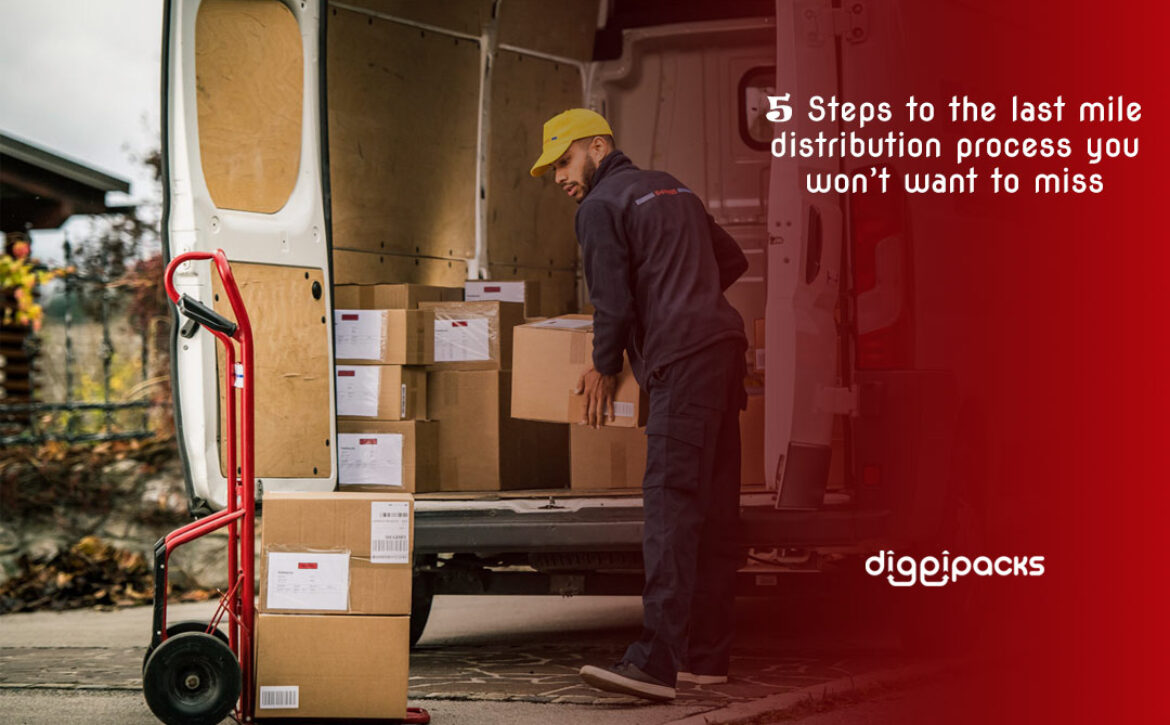
5 Steps to the last mile distribution process You Won’t Want to Miss

[et_pb_section fb_built=”1″ _builder_version=”4.16″ global_colors_info=”{}”][et_pb_row _builder_version=”4.16″ background_size=”initial” background_position=”top_left” background_repeat=”repeat” global_colors_info=”{}”][et_pb_column type=”4_4″ _builder_version=”4.16″ custom_padding=”|||” global_colors_info=”{}” custom_padding__hover=”|||”][et_pb_text _builder_version=”4.17.4″ text_text_color=”#575757″ text_font_size=”18px” header_2_text_color=”#E02B20″ header_2_font_size=”27px” header_3_text_color=”#E02B20″ header_3_font_size=”27px” header_4_text_color=”#E02B20″ header_4_font_size=”27px” background_size=”initial” background_position=”top_left” background_repeat=”repeat” hover_enabled=”0″ global_colors_info=”{}” sticky_enabled=”0″]

Over the last few years, we’ve seen an explosion in last-mile distribution. This expansion could be attributed to the massive rise in same-day logistics and the rise of e-commerce.

With the pandemic, this impact was amplified, and we are now having witnessed a shift in how logistical challenges and our entire community perform.

Last mile distribution meaning

What exactly is last mile distribution? Last mile distribution, also reputed as last-mile logistics, is the movement of goods from a distribution center to the last right destination — the client’s door. Steadily for the past delivery service logistics focused on delivering packages as cheaply, rapidly, and precisely as possible.

Last mile distribution center development

last mile distribution

Last-mile distribution centers have increased in popularity as given the fast delivery has increased. As a result, finding manufacturing characteristics near end consumers has become exceedingly challenging, and development teams, Retail stores chains, and engineers have to develop innovative solutions to fulfill last-mile sent in and overcome obstacles.

  • With an educated and remarkable job on parking issues, you could indeed unlock tight sites, speed up authorizations, and enhance efficiency.
  • Using early restriction assimilation and operations and maintenance design, you can speed up authorizations and cut construction costs.
  • Tactically advantageous, proactive zoning explanations reduce grant risk and expenditures.
  • To reduce fears and speed up permissions, educate acceptance agency workers on the end user’s distinctive processes.
  • Increase approval rates by notifying society about the advantages of last-mile distribution centers.

5 Key Steps in the Last Mile distribution Process

Orders are digitally entered into a centralized system

What exactly is a centralized system?

A centralized system has a central destination or hubs in which peers interact. This system frees peers from several attempts and transfers them to the central body.

diggitrack

The Most Important Advantages

  • improved command
  • Inventory control
  • Cost savings
  • the fewer team is required
  • Storage savings

Orders arrive at the transportation hub and await delivery to their end recipient

Each business has its logistic support monitoring system; for instance, awaiting delivery for E-Commerce implies that the order has been managed to pick up by the distributor and would be supplied as soon as possible once your order appears on the distribution sheet. Overall, awaiting delivery indicates that the order is prepared but has yet to be distributed.

Orders are designated to delivery personnel based on routes and recipient addresses

Routes, as well as recipient addresses, are used to assign commands to delivery personnel.

Sortation and designating portions for delivery smartly is essential to having an optimized, expense delivery last mile distribution system.

Orders are scanned before being loaded onto delivery vehicles

This upgrades the order’s condition for both the communicator and the end recipient trying to track the delivery. It also eliminates the potential of packaged goods becoming misplaced all along with manner.

Orders successfully reach the end recipients, and proof of delivery is obtained

The package has shown up at its end destination at this point.

The delivery personnel after which notify the tracking data to prove and assure that the distribution was successful.

What is the last mile problem?

last mile distribution

Last mile distribution processes are notoriously difficult to organize. On the one hand, parcel quantities are subject to significant seasonal variations; they seem to be incredibly high before Christmas, after shopping days like Black Friday, or even during the existing COVID-19 lockdowns, but significantly lower during the summer, when several individuals are on holiday.

Delivery services cannot locate their facilities to the extreme ends and must depend on external facilities during peak periods.

On the other hand, unpredictable disruptions in the delivery are to be anticipated, particularly in inner-city areas, due to traffic congestion, restricted parking space, or illegible attempts to address.

The reality there is other clients to be delivered to everyday complicate the planning of a perfect standardized route. Eventually, there is a lot more room for unpredictability with the clients themselves. Consumers are not prevalent at the delivery point, the distribution location was incorrectly discussed or shifted at the last minute, or the clients have a very particular time window or specific circumstances (such as “kindly do not call before 10:00”) wherein their packages should be supplied.

Distribution boxes, like those commonly found in apartment blocks, help to alleviate the situation. Numerous distribution enterprises’ practice of simply removing parcels on doorsteps or with neighbors is problematic in terms of responsibility.

What are the costs of last mile distribution?

What Is the Cost of last mile distribution? Last mile distribution is now the most expensive option of the fulfillment chain, averaging $10.1 for every package delivered. Companies charge consumers an estimate of $8.08 to cover the expense, with the remainder deducted from the profitability of items sold.

Technology solutions to improve last mile distribution logistics

DELIVERY OF THE GIG ECONOMY

The sharing economy has crept its path into the last mile distribution as a result of new changes in the workplace, which now relies on new tech to look for another job.

TRAFFIC ORDERS

Another manner that technology helps your distribution is by allowing your users to find their orders, which also increases their trust in your facility.

Another manner that technology helps your distribution is by allowing your users to find their orders, which also increases their trust in your facility.

Implement driver management technology to assist your drivers in staying on schedule

Driver management technology now is considered an industry practice in the transportation sector. Knowing which your drivers are and they handle their routes is an important data origin for enhancing performance.

Improve the efficiency and effectiveness of your packaging

Packaging optimization could have a true and beneficial impact on last mile distribution achievement, both in terms of movement and cargo safeguards.

Custom shipping boxes could indeed help you develop efficiency in shipping crates and service vehicles by providing your goods with the accurate box size they require without squandering any space, as well as elevated methods could indeed enhance breakage safeguards and assist your goods to reach the customer securely.

[/et_pb_text][/et_pb_column][/et_pb_row][/et_pb_section]

Read More
admin January 11, 2026 0 Comments

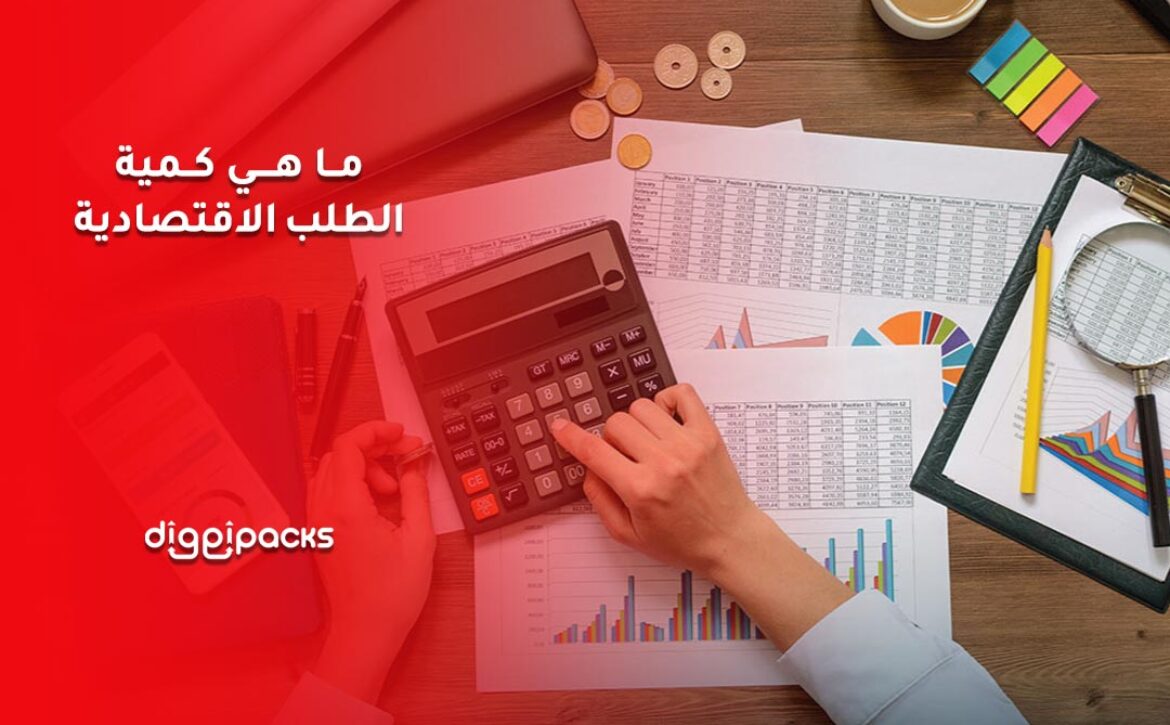
ما هي كمية الطلب الاقتصادية وأبرز عيوبها

[et_pb_section fb_built=”1″ _builder_version=”4.16″ global_colors_info=”{}”][et_pb_row _builder_version=”4.16″ background_size=”initial” background_position=”top_left” background_repeat=”repeat” global_colors_info=”{}”][et_pb_column type=”4_4″ _builder_version=”4.16″ custom_padding=”|||” global_colors_info=”{}” custom_padding__hover=”|||”][et_pb_text _builder_version=”4.19.0″ header_2_text_color=”#E02B20″ header_2_font_size=”27px” header_3_text_color=”#E02B20″ header_3_font_size=”27px” header_4_text_color=”#E02B20″ header_4_font_size=”27px” background_size=”initial” background_position=”top_left” background_repeat=”repeat” hover_enabled=”0″ global_colors_info=”{}” sticky_enabled=”0″]

تحتاج أي شركة تشتري المخزون وتحتفظ به لحين بيعه إلى حساب كمية الطلب الاقتصادية، والتي من خلالها ستتمكن من تقديم الطلبات بالمبالغ التي تناسب احتياجاتها على أفضل وجه ممكن. حيث تساعد كمية الطلب الاقتصادية في تحديد حجم الطلب المثالي، وبالتالي زيادة الأرباح التي تحققها الشركة. خاصة وأن الطلبات الكبيرة جداً تعني المزيد من الأموال المقيدة في نفقات المخزون والتخزين، وكذلك الطلبات القليلة تؤثر على تلبية طلبات العملاء بالسلب وهكذا.. وفي هذه المقالة سوف نتحدث عن كمية الطلب الاقتصادية بشيء من التفصيل، مع توضيح أبرز عيوب تلك الطريقة والمعادلة المستخدمة في حسابها.

‏ما هي كمية الطلب الاقتصادية؟

هي عملية حسابية تقوم بها الشركات لتحديد حجم الطلب المثالي لديها، مما يسمح لها بتلبية الطلب دون زيادة الإنفاق وتلك الطريقة تناسب مختلف الشركات بغض النظر عن نشاطها وحجمها.

أي أنه من خلال تلك الطريقة تتمكن أي شركة من تحديد الكمية المثالية للوحدات التي يجب عليها شراؤها لتلبية الطلب، مع تقليل تكاليف المخزون المختلفة.

لذا يقوم مديرو المخزون بحساب كمية الطلب الاقتصادية (EOQ) لتقليل تكاليف الاحتفاظ بالمخزون وكذلك النفقات المنفقة على المخزون الزائد.

كما أن يؤثر تحديد كمية الطلب من الناحية الاقتصادية (EOQ) بشكل عام على المحصلة النهائية، ومن خلال أتمتة تلك العملية يمكن للشركات الحصول على أفضل القرارات حول الطلبات وإدارة المخزون.

فوائد استخدام كمية الطلب من الناحية الاقتصادية

كمية الطلب الاقتصادية

تتمثل الفائدة الفائدة الرئيسية لاستخدام طريقة كمية الطلب الاقتصادية (EOQ) في تحسين الربحية بشكل واضح في الشركات، الأمر الذي يسهم في تحسين وضع الأعمال التجارية بشكل كبير.

وبجانب تحسين ربحية الشركات، هناك الكثير من الفوائد الأخرى التي يمكن أن تتمتع بها الشركات نظير استخدام تلك الطريقة. وفيما يلي أبرز تلك الفوائد:

1. تلبية الطلبات بشكل مُحسَّن

حيث تتضمن تلك الطريقة توافر المنتجات بالكميات المثلى التي يرغب بها العملاء، وبالتالي إمكانية بإخراج الطلب في الوقت المحدد.

مما يساعد في إبقاء العميل سعيدًا، وبالتالي تحسين تجربة العميل من خلال تلبية طلباته بشكل دقيق وفي الوقت المحدد، مما يساعد في زيادة المبيعات.

2. تقليل المبالغة في الطلب

واحدة من أبرز فوائد كمية الطلب الاقتصادية (EOQ) هو دورها في تقليل الطلب الزائد أو المبالغة في الطلب، وتجنب تقييد الكثير من الأموال في المخزون.

تعرف علي : خطوات إدارة العمليات التجارية بنجاح

3. تقليل تقادم المخزون

تساعد تلك الطريقة أيضاً في  تقليل المخزون المتقادم، لا سيما بالنسبة للشركات التي تحتفظ بمخزونات قابلة للتلف يمكن أن تؤدي إلى مخزون ميت وتحمل المزيد من التكاليف.

4. تحسين الكفاءة العامة للأعمال

وذلك من خلال الإدارة الفعالة للمخزون ومراقبته، وبالتالي امتلاك القدرة على اتخاذ قرارات أكثر ذكاءً ومدعومة بالبيانات حول كمية المخزون التي تحتاج إلى طلبها وتخزينها.

5. خفض تكاليف التخزين

وذلك من خلال تحقيق التوافق بين الطلبات وحجم المخزون لديك، وبالتالي يكون هناك منتجات أقل لتخزينها مما يؤدي إلى خفض التكاليف المتعلقة بعملية التخزين.

6. الاستفادة من خصومات الكميات

حيث تساعدك تلك الطريقة في تحديد نقطة إعادة الطلب وعدد المرات التي تحتاج فيها إلى الطلب، وبالتالي تخطيط الطلبات الخاصة بك بشكل أفضل.

وكذلك امتلاك القدرة على تحديد الأوقات التي تحتاج فيها لإعادة الطلب، وبالتالي إمكانية الاستفادة بشكل أفضل من خصومات الكميات التي يقدمها الموردين

تعرف علي : ادارة الطلبات من ديجيباكس وأفضل برنامج ادارة الطلب

‏عيوب استخدام كمية الطلب الاقتصادية

على الرغم من الفوائد الضخمة التي تحققها استخدام طريقة كمية الطلب من الناحية الاقتصادية (EOQ)، إلا أن هناك بعض العيوب التي تشوب تلك الطريقة. وفيما يلي أبرز تلك العيوب:

    • صعوبة استخدام طريقة كمية الطلب من الناحية الاقتصادية لأصحاب الأعمال الصغيرة الذين يفتقرون إلى مهارات الرياضيات، وذلك لأنه يحتاج بيانات مفصلة لحساب عدة أرقام، وكذلك فهماً شاملاً للجبر.

    • استناد طريقة كمية الطلب من الناحية الاقتصادية على الافتراضات، حيث تفترض الطريقة وجود طلب ثابت على المنتجات.

    • صعوبة استخدام طريقة كمية الطلب من الناحية الاقتصادية في فترات المواسم، لأن كمية الطلب تتغير فيه وتفترض تلك الطريقة ثبات كمية الطلب.

    • عدم القدرة على استخدام طريقة كمية الطلب من الناحية الاقتصادية في حالة استخدام الأنظمة اليدوية، أو وجود المعلومات الضعيفة أو القديمة، حيث ستؤدي إلى حسابات غير دقيقة.

    • لا يمكن استخدام طريقة كمية الطلب من الناحية الاقتصادية بالنسبة للشركات سريعة النمو، لأنها تفترض وجود احتياجات مخزون ثابتة.

‏معادلة وحساب كمية الطلب الاقتصادية

كمية الطلب الاقتصادية

كما أشرنا، إن استخدام طريقة كمية الطلب الاقتصادية قد يكون معقداً بدرجة ما بالنسبة لأولئك الذين يفتقرون إلى مهارات الرياضيات وخاصة الجبر.

فيما عدا ذلك، يمكن بسهولة حسابه من خلال الاعتماد على المعادلة أو الصيغة الرياضية الخاصة بحساب كمية الطلب من الناحية الاقتصادية. وفيما يلي الصيغة الرياضية الخاصة بحسابها:

    • كمية الطلب الاقتصادية = الجذر التربيعي لـ ( 2 * كمية الطلب السنوية * تكلفة الطلب / تكلفة الحيازة لكل وحدة سنوياً).

‏مثال على طريقة استخدام كمية الطلب الاقتصادية

لتوضيح كيفية استخدام ‏معادلة وحساب كمية الطلب من الناحية الاقتصادية بشكل أفضل، سنعرض مثالاً رقمياً توضيحياً لكيفية الحساب وطريقة استخدام النموذج.

إذا كانت كمية الطلب في العام الماضي لشركة العاصمة هي 10 آلاف وحدة، وكانت تكلفة الطلب الخاصة بتلك الكمية هي 5 آلاف دولاراً أمريكياً.

كما بلغت تكلفة الحيازة لكل وحدة من كمية الطلب حوالي 3 دولارات أمريكية في السنة، فما هي كمية الطلب من الناحية الاقتصادية لتلك الشركة؟

الحل: سنقوم أولاً بتحديد المعطيات لدينا، ثم استخدامها للتعويض في المعادلة الخاصة بحساب كمية الطلب من الناحية الاقتصادية. حيث:

    • كمية الطلب الاقتصادية = الجذر التربيعي لـ ( 2 * كمية الطلب السنوية * تكلفة الطلب / تكلفة الحيازة لكل وحدة سنوياً).

    • كمية الطلب السنوية = 10000 وحدة.

    • تكلفة الطلب = 5000$

    • تكلفة الحيازة = 3$

    • كمية الطلب الاقتصادية = الجذر التربيعي لـ ( 2 * 10000 * 5000 / 3) = 5774 وحدة.

وبالتالي فإن كمية الطلب من الناحية الاقتصادية لشركة العاصمة هو 5774 وحدة لكل طلب، وهذا يعادل تقريباً الطلب مرتين في السنة.

[/et_pb_text][/et_pb_column][/et_pb_row][/et_pb_section][et_pb_section fb_built=”1″ _builder_version=”4.19.0″ _module_preset=”default” min_height=”76px” custom_margin=”||0px||false|false” custom_padding=”||0px||false|false” locked=”off” global_colors_info=”{}”][et_pb_row _builder_version=”4.17.4″ _module_preset=”default” global_colors_info=”{}”][et_pb_column type=”4_4″ _builder_version=”4.17.4″ _module_preset=”default” global_colors_info=”{}”][et_pb_button button_url=”http://diggipacks.com/ar/e-commerce/” url_new_window=”on” button_text=”حلول الشحن للمتاجر الإلكترونية” button_alignment=”center” _builder_version=”4.17.4″ _module_preset=”default” custom_button=”on” button_text_size=”24px” button_bg_use_color_gradient=”on” button_bg_color_gradient_direction=”270deg” button_bg_color_gradient_stops=”#e02b20 0%|#000000 100%” button_border_radius=”10px” button_icon=”E||divi||400″ button_icon_color=”#FFFFFF” button_icon_placement=”left” background_layout=”dark” custom_margin=”-80px||-80px||false|false” custom_padding=”||||false|false” global_colors_info=”{}”][/et_pb_button][/et_pb_column][/et_pb_row][/et_pb_section]

Read More
admin January 11, 2026 0 Comments

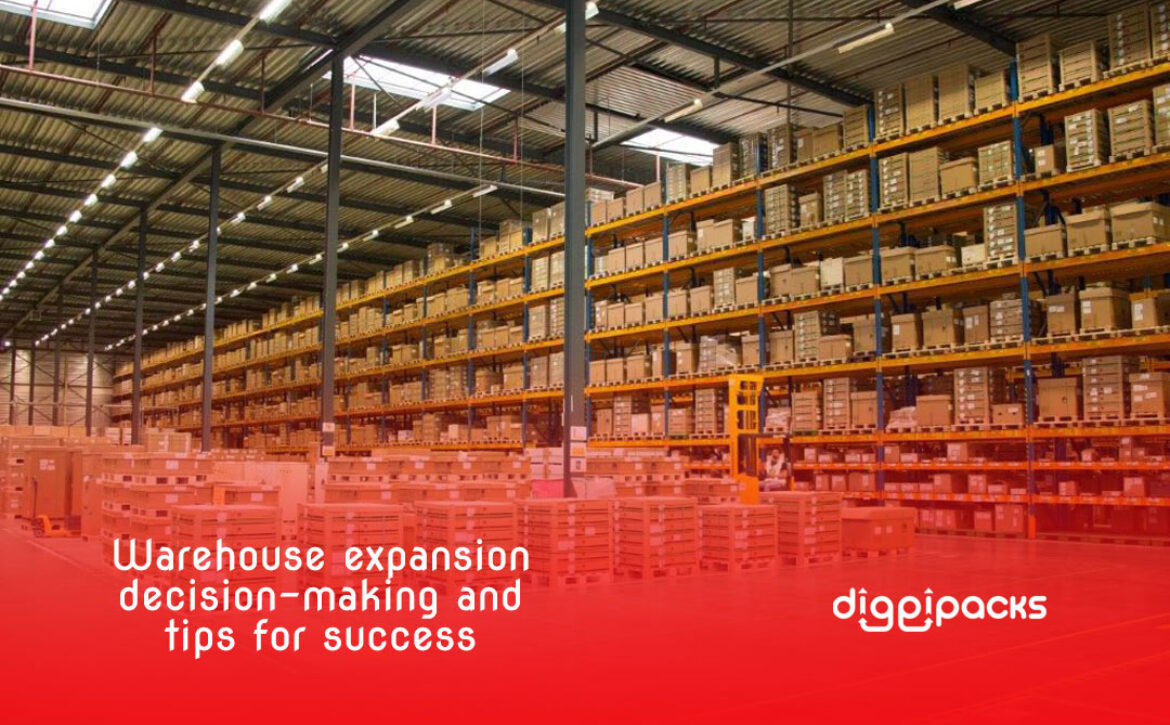
<strong>Warehouse Expansion Decision-Making and Tips for Success </strong>

[et_pb_section fb_built=”1″ _builder_version=”4.16″ global_colors_info=”{}”][et_pb_row _builder_version=”4.16″ background_size=”initial” background_position=”top_left” background_repeat=”repeat” global_colors_info=”{}”][et_pb_column type=”4_4″ _builder_version=”4.16″ custom_padding=”|||” global_colors_info=”{}” custom_padding__hover=”|||”][et_pb_text _builder_version=”4.19.0″ background_size=”initial” background_position=”top_left” background_repeat=”repeat” hover_enabled=”0″ global_colors_info=”{}” header_2_text_color=”#E02B20″ header_2_font_size=”27px” header_3_text_color=”#E02B20″ header_3_font_size=”27px” header_4_text_color=”#E02B20″ header_4_font_size=”27px” sticky_enabled=”0″]

With increasing operational requirements in businesses, it has become important to attempt Warehouse Expansion whenever the opportunity arises. Through which warehouses will be optimized, as well as keeping pace with operational requirements. Especially since warehouses play a major role in the trade process, as they represent the cornerstone of warehousing and shipping activities as well as distribution. In this article, we will talk about the Warehouse Expansion process, as well as its most important negatives and positives.

What is the warehouse expansion process?

Warehouse expansion is meant to increase the space of your warehouse, to keep business running smoothly.

Especially since in light of business growth and increasing operational requirements, companies are in dire need to expand their warehouses to keep pace with these changes.

Through the process of warehouse expansion, you will be able to get more space in your warehouse, and thus store a greater amount of items.

Increasing your warehouse space will help you improve your existing systems, as well as increase the flexibility and ability of your workforce.

Do you know what is inventory tracking?

Warehouse expansion pros and cons

Warehouse Expansion

There are a number of pros and cons to the warehouse expansion process, and here are the most important of those pros and cons to benefit from each of them:

Pros of warehouse expansion

The following are a number of points that explain the most important advantages of the warehouse expansion process:

    • Enjoy a competitive advantage in meeting your needs.

    • Increase the productivity and efficiency of your workers.

    • Improve deficiencies in your existing systems.

    • Reaching optimum standards in your operational processes.

    • Rethink and improve your technology infrastructure.

    • Expand your capabilities to meet customer requests.

What Is on Demand Warehousing?

Cons of warehouse expansion

Despite the huge advantages of the warehouse expansion process, there are a number of drawbacks to it. And the following are the most important of these drawbacks:

    • The need for a large financial investment.

    • Taking a long time to expand the warehouse space.

    • Increasing labor and operating costs.

So be sure to weigh the pros and cons of this process, and choose the decision that brings you and your business the greatest possible benefit.

When to consider warehouse expansion alternatives

Before you consider warehouse expansion and focus on its benefits and take advantage of it, you will first need to check that this is the right option for your business.

Despite the huge benefits that can accrue to your business from the warehouse expansion, you may incur a greater risk in return.

And in the event that you cannot afford the costs related to the warehouse expansion process. Then here you will start to think about the expansion process alternatives.

Here are a number of points that show you when to start thinking about these alternatives:

If your brand can’t handle the expansion process

Then the solution is to cooperate with a third-party logistics company (3PL). Thus, saving a lot of expenses, and enjoying greater discounts on shipping operations.

There is a problem in hiring sufficient manpower for the expansion process

If you are unable to hire a suitable team, you will not benefit from that expansion process. The solution here is to cooperate with a third-party logistics company (3PL).

So the most suitable and least expensive alternative to the expansion process is to outsource it to 3PL, who will take charge of the inventory for you.

get to know : Stock Availability Is a Key to Last Mile Performance

How 3PLs support your warehouse performance

Warehouse Expansion

3PLs play an important role in enhancing the performance of your warehouse, without the need for additional expenses on expanding your warehouse.

As 3PLs help reduce overheads, as well as take responsibility for managing and auditing inventory and other freight logistics.

Also, by cooperating with a suitable 3PL, you will be able to expand your space easily, by contracting only the space that you need and that you will actually use.

This saves you a lot of expenses, and thus saves you money in the short term and helps you to employ it in other businesses that benefit your business.

If you want to cooperate with a suitable logistics partner, Diggipacks is your best choice.

Which offers you various logistics services that you may want, with the highest efficiency and the best prices to maintain the flexibility of your business.

[/et_pb_text][/et_pb_column][/et_pb_row][/et_pb_section][et_pb_section fb_built=”1″ _builder_version=”4.19.0″ _module_preset=”default” custom_margin=”||-100px||false|false” locked=”off” global_colors_info=”{}”][et_pb_row _builder_version=”4.17.4″ _module_preset=”default” global_colors_info=”{}”][et_pb_column type=”4_4″ _builder_version=”4.17.4″ _module_preset=”default” global_colors_info=”{}”][et_pb_button button_url=”http://diggipacks.com/3pl-fulfillment/” url_new_window=”on” button_text=”3PL FULFILLMENT” button_alignment=”center” _builder_version=”4.17.4″ _module_preset=”default” custom_button=”on” button_bg_use_color_gradient=”on” button_bg_color_gradient_direction=”270deg” button_bg_color_gradient_stops=”#e02b20 0%|#000000 100%” button_border_radius=”10px” button_icon_color=”#000000″ background_layout=”dark” custom_margin=”-80px||-80px||false|false” custom_padding=”||||false|false” global_colors_info=”{}”][/et_pb_button][/et_pb_column][/et_pb_row][/et_pb_section]

Read More
admin January 11, 2026 0 Comments

4 Inventory Valuation Methods to Calculate Inventory Value

[et_pb_section fb_built=”1″ _builder_version=”4.16″ global_colors_info=”{}”][et_pb_row _builder_version=”4.16″ background_size=”initial” background_position=”top_left” background_repeat=”repeat” global_colors_info=”{}”][et_pb_column type=”4_4″ _builder_version=”4.16″ custom_padding=”|||” global_colors_info=”{}” custom_padding__hover=”|||”][et_pb_text _builder_version=”4.19.0″ header_2_text_color=”#E02B20″ header_2_font_size=”27px” header_3_text_color=”#E02B20″ header_3_font_size=”27px” background_size=”initial” background_position=”top_left” background_repeat=”repeat” hover_enabled=”0″ global_colors_info=”{}” sticky_enabled=”0″]

Inventory value is one of the important things that every company must consider, especially since that value is generally considered to be the largest current business asset that a company owns. By knowing that value, companies will then be able to evaluate their costs of goods sold, and then determine the profits they make. In this article, we will talk about the importance of inventory value and what it is, as well as the best methods used to determine the value of inventory in companies.

What is inventory value?

Inventory value is the accounting process that companies apply to know the value of their unsold inventory at the time of preparing their financial statements.

That value is essentially the current business assets that the company owns, which must have a specific financial value in order to be recorded on the balance sheet.

are you know what is Scheduled Delivery?

Why is knowing your inventory value important?

Inventory Value

It is very important to determine your inventory value in your company, especially since it plays a key role in determining the inventory turnover ratio.

And then assisting companies in planning appropriately, and making the best decisions regarding the company’s procurement operations.

Determining the inventory value also helps in verifying the financial position of the company.

By clarifying its general financial position by determining the value of the closing inventory.

By knowing the inventory value also, companies will be able to easily determine their total income. by obtaining the total profit by comparing the costs of goods sold with the revenues achieved in the accounting period.

This means that knowing that value greatly affects the financial position of the company.

And in the event that an exaggerated value is provided, this in turn will lead to:

    • Exaggerate current year earnings.

    • Reduce the profits of the next years.

get to know: Vendor Managed Inventory 

4 inventory valuation methods

There are many methods that can be used to know the inventory value, which helps companies in determining that value accurately and knowing their financial position.

The following are the most important methods used to determine the inventory value of companies:

1. Weighted Average Cost (WAC) Method

One common method of determining inventory value is the inventory value and cost of goods sold based on the average cost of all items purchased during a period.

This is the appropriate method for companies that do not have a large variation in their inventory.

And the following mathematical formula is used in the calculations:

    • Weighted average cost per unit = (total cost of goods in stock ÷ total units in stock).

2. Last in, first out (LIFO)

With this method of determining inventory value, it is assumed that the most recent inventory is sold first while the oldest inventory remains in stock.

The only reason to use this method is when companies expect the cost of inventory to increase over time and lead to price inflation.

By moving high-cost inventories to the cost of goods sold, companies’ reported profit levels can be lowered, and this allows companies to pay less taxes.

get to know: All you need to know about mis shipments

3. Specific Identification Method:

Inventory Value

Under this method, every item in your inventory is tracked from the time it is stored until it is sold, and it is usually used for large, easily identifiable items.

A prerequisite for this method is that you must be able to track each individual item using the RFID tag, stamped receipt date, or serial number.

While this method offers a high degree of accuracy in determining inventory value, it is limited to evaluating rare, high-value items that require such discrimination.

4. First in, first out (FIFO) method

This method is based on the premise that the first inventory purchased is the first to be sold.

And the assets remaining in the inventory are matched with assets that were purchased or produced most recently.

It is one of the most popular inventory valuation methods used by companies because it is simple and easy to understand.

During inflation, the FIFO method results in a higher value of ending inventory, a lower cost of goods sold, and a higher gross profit.

[/et_pb_text][/et_pb_column][/et_pb_row][/et_pb_section][et_pb_section fb_built=”1″ _builder_version=”4.19.0″ _module_preset=”default” custom_margin=”||-100px||false|false” locked=”off” global_colors_info=”{}”][et_pb_row _builder_version=”4.17.4″ _module_preset=”default” global_colors_info=”{}”][et_pb_column type=”4_4″ _builder_version=”4.17.4″ _module_preset=”default” global_colors_info=”{}”][et_pb_button button_url=”http://diggipacks.com/3pl-fulfillment/” url_new_window=”on” button_text=”3PL FULFILLMENT” button_alignment=”center” _builder_version=”4.17.4″ _module_preset=”default” custom_button=”on” button_bg_use_color_gradient=”on” button_bg_color_gradient_direction=”270deg” button_bg_color_gradient_stops=”#e02b20 0%|#000000 100%” button_border_radius=”10px” button_icon_color=”#000000″ background_layout=”dark” custom_margin=”-80px||-80px||false|false” custom_padding=”||||false|false” global_colors_info=”{}”][/et_pb_button][/et_pb_column][/et_pb_row][/et_pb_section]
Read More
admin January 11, 2026 0 Comments

Boost Your Sales with Innovative Digital Sales Channels

[et_pb_section fb_built=”1″ _builder_version=”4.16″ global_colors_info=”{}”][et_pb_row _builder_version=”4.16″ background_size=”initial” background_position=”top_left” background_repeat=”repeat” global_colors_info=”{}”][et_pb_column type=”4_4″ _builder_version=”4.16″ custom_padding=”|||” global_colors_info=”{}” custom_padding__hover=”|||”][et_pb_text _builder_version=”4.19.0″ background_size=”initial” background_position=”top_left” background_repeat=”repeat” hover_enabled=”0″ global_colors_info=”{}” header_2_text_color=”#E02B20″ header_2_font_size=”27px” header_3_text_color=”#E02B20″ header_3_font_size=”27px” header_4_font_size=”27px” header_4_text_color=”#E02B20″ sticky_enabled=”0″]

All digital sales channels play a pivotal role in supporting businesses and integrate with each other in order to reach you with the best results. Therefore, choosing the appropriate channels will help you in boosting sales and profits and thus obtaining the return on investment that you aspire to, which will help you in boosting your e-commerce sales. In this article, we will show you what digital sales channels are, as well as the most important channels that help you in promoting online marketing.

What is a digital sales channel?

What is meant by digital sales channels are the methods used in e-marketing to market your products or services.

It is particularly useful for business owners, especially online stores, through which the services or products you provide are promoted electronically.

Through digital sales channels, customers will be able to access and purchase their products online.

5 strategic digital sales channels

digital sales channels

There are many digital sales channels that individuals can use and benefit from in promoting their e-commerce sales.

As well as reaching a larger segment of customers locally and globally, and below we will show you 5 strategic digital sales channels that you can use:

Social Media Marketing

One of the most important and newest digital sales channels is social media, which plays an essential role in digital marketing today.

Therefore, many famous companies and brands rely on it mainly to communicate with the public and enhance their brand image.

These digital channels also help them increase the traffic on their website, thus multiplying sales and customers.

get to know : Scheduled Delivery definition and why is it Important? 

Mobile marketing

Mobile devices have become a major part of all of our lives; Making mobile marketing a key and important factor when selecting and welcoming customers for brands.

More than 80% of shoppers use their smartphones to find a product, as well as know the information and details of that product.

Thus, mobile marketing is considered one of the most important digital sales channels that you can rely on in your e-commerce.

Online marketplaces

Among the influential and important digital sales channels are online marketplaces, on which a large percentage of shoppers have come to rely.

Through which merchants can create an online store and display their products, then start selling and communicating with customers via the online store.

There are many platforms that allow you to easily create an online store, and start displaying and marketing your products through it.

eCommerce

E-commerce in general is one of the most prominent marketing channels on the Internet. So if you own a specific industry, you can start trading in it via the Internet, thus:

    • Expanding your customer segment.

    • Reaching a larger percentage of customers.

And you can do this through more than one method, such as selling through an online store or through social networking sites.

get to know : Stock Availability Is a Key to Last Mile Performance

Pay Per Click (PPC) Ads

One of the newer digital sales channels that many people rely on is Pay Per Click (PPC) advertising.

Through which the audience is targeted through paid advertisements on the Internet, as soon as customers search for anything related to the product or service that you provide.

This channel helps in increasing conversion rates tremendously, helping individuals achieve up to 150% conversion rate compared to organic search results.

Search Engine Optimization (SEO)

It is the way you can target your audience through organic search results, in which you focus on writing content that is compatible with what customers are looking for.

It is similar to pay-per-click advertising, except that it takes more effort and is completely free.

Through which it will target the audience by providing relevant information about what they are looking for.

get to know: Vendor Managed Inventory 

What contributing factors impact your choice of digital sales channels?

digital sales channels

The buyer’s journey has changed dramatically over the past years, especially after the recent Corona crisis, as most customers are searching for different products online.

Which makes retailers consider starting to use digital sales channels mainly to enhance their sales and keep pace with the current era and its requirements.

But there are a set of key factors that you need to take into account before choosing a digital sales channel to deal with. where:

    • Type and nature of the industry in which you operate.

    • Size and nature of the target audience.

    • Purpose of your digital marketing campaign.

    • Budget you have.

Despite the multiplicity of these channels, each channel works differently, and each of them gives different results than the others.

Therefore, what works for a brand and becomes ideal for its target audience may not come with the same result with other brands. So you need to choose the appropriate channel for you and your activity carefully.

Common mistakes when choosing digital tools

As we mentioned, there are many digital tools that can be used to boost sales and digital marketing, but each channel works differently.

Therefore, the results achieved from each digital tool used differ, and this means that the selection of digital tools must be accurate and in accordance with the nature of your activity itself.

What works for one brand and is ideal for its target audience may not work for other brands. The following are the most common mistakes that people make when using digital tools:

    • Using any digital tool without a specific study of its activity and purpose.

    • Not targeting the audience properly.

    • Choose tools with quick results, despite their inappropriateness to the nature of the project.

    • Using more than one digital tool at the same time with different goals.

    • Choosing a digital tool because it was impactful with a different activity than your own.

 So you need to choose the right channel for you and your activity carefully, and avoid these common mistakes when choosing the right digital marketing channel for you.

[/et_pb_text][/et_pb_column][/et_pb_row][/et_pb_section][et_pb_section fb_built=”1″ _builder_version=”4.19.0″ _module_preset=”default” custom_margin=”||-100px||false|false” locked=”off” global_colors_info=”{}”][et_pb_row _builder_version=”4.17.4″ _module_preset=”default” global_colors_info=”{}”][et_pb_column type=”4_4″ _builder_version=”4.17.4″ _module_preset=”default” global_colors_info=”{}”][et_pb_button button_url=”http://diggipacks.com/e-commerce/” url_new_window=”on” button_text=”Get e-commerce services” button_alignment=”center” _builder_version=”4.19.0″ _module_preset=”default” custom_button=”on” button_bg_use_color_gradient=”on” button_bg_color_gradient_direction=”270deg” button_bg_color_gradient_stops=”#e02b20 0%|#000000 100%” button_border_radius=”10px” button_icon_color=”#000000″ background_layout=”dark” custom_margin=”-80px||-80px||false|false” custom_padding=”||||false|false” hover_enabled=”0″ global_colors_info=”{}” sticky_enabled=”0″][/et_pb_button][/et_pb_column][/et_pb_row][/et_pb_section]

Read More
admin January 11, 2026 0 Comments

Order lead time in warehouse operations: Types, formulas, and calculations

[et_pb_section fb_built=”1″ _builder_version=”4.16″ global_colors_info=”{}”][et_pb_row _builder_version=”4.16″ background_size=”initial” background_position=”top_left” background_repeat=”repeat” global_colors_info=”{}”][et_pb_column type=”4_4″ _builder_version=”4.16″ custom_padding=”|||” global_colors_info=”{}” custom_padding__hover=”|||”][et_pb_text _builder_version=”4.17.4″ header_2_text_color=”#E02B20″ header_2_font_size=”27px” header_3_text_color=”#E02B20″ header_3_font_size=”27px” header_4_text_color=”#E02B20″ header_4_font_size=”27px” background_size=”initial” background_position=”top_left” background_repeat=”repeat” hover_enabled=”0″ global_colors_info=”{}” sticky_enabled=”0″]

Online retailers need to use appropriate metrics that help them verify that customers’ orders arrive quickly, and order lead time is one of those important metrics. It is also in the huge development of electronic commerce as well as the boom in retail trade over the Internet, making the practice of commerce and business differ greatly. This was also reflected in the customers’ expectations, as their expectations became clearly high.

Customers always expect their orders to reach them as quickly as possible and without any delays. Therefore, companies operating in online Retail stores are facing many challenges and operating in a more competitive market. In this article, we will provide you with all the details about the order lead time, its types, and how to calculate it as well.

What is the order lead time?

The order-lead-time is one of the primary metrics that helps retailers check that customers’ orders don’t take much time to reach them.

It plays a large role in the planning of re-orders, which is reflected in the overall inventory control.

The term time off itself carries many meanings, which refer in various forms to the period between the start of a process and the completion of that process.

Order lead time types and their calculations

order lead time

There is more than one type of order-lead-time and each type has its own formula and definition for the calculation. We will review all of this in detail below:

1. Actual order lead time

Actual order-lead-time is the first type of metric that specializes in measuring how quickly customers receive orders.

This means the total time it can take to complete the request after the request is submitted

The presence of any abnormal data is an indication that something went wrong during the fulfillment process. Besides that metric, you’ll need additional stats to boost its power.

Here is its mathematical formula:

  • Actual order lead time = Delivery Date – Order Entry Date

diggitrack

2. Requested order lead time

The second type of metric specialized in measuring the speed of customers receiving orders is Requested order-lead-time.

Which refers to the time between the customer placing the order and the date he wants to receive the order.

The Requested order-lead-time indicator gives you a quick and simple idea of ​​how long customers want to wait to receive orders. Here is its arithmetic:

  • Requested order lead time = Requested Delivery Date – Order Entry Date

3. Quote order lead time

order lead time

The third type of metric that specializes in measuring how quickly customers receive orders is Quote order-lead-time.

It indicates the amount of time acceptable to fulfill the demand from the point of view of your customers, and the following is its arithmetic formula:

  • Quote order lead time = Customer’s Agreed – Upon Delivery Date – Order Entry Date

Confirmed order lead time

The last type of metric type that specializes in measuring the speed of customers receiving orders is the Confirmed order-lead-time.

This metric indicates your company’s ability to meet customer-specific demand management. Here is its mathematical formula:

  • Confirmed order lead time = Internally Agreed – Upon Delivery Date – Order Entry Date

[/et_pb_text][/et_pb_column][/et_pb_row][/et_pb_section]

Read More
admin January 11, 2026 0 Comments

Using Multichannel Retailing to unleash the potential of e-commerce

[et_pb_section fb_built=”1″ _builder_version=”4.16″ global_colors_info=”{}”][et_pb_row _builder_version=”4.16″ background_size=”initial” background_position=”top_left” background_repeat=”repeat” global_colors_info=”{}”][et_pb_column type=”4_4″ _builder_version=”4.16″ custom_padding=”|||” global_colors_info=”{}” custom_padding__hover=”|||”][et_pb_text _builder_version=”4.17.4″ header_2_text_color=”#E02B20″ header_2_font_size=”27px” header_3_text_color=”#E02B20″ header_3_font_size=”27px” header_4_text_color=”#E02B20″ header_4_font_size=”27px” background_size=”initial” background_position=”top_left” background_repeat=”repeat” hover_enabled=”0″ global_colors_info=”{}” sticky_enabled=”0″]

One of the most effective sales strategies is multichannel retailing, especially since sales will not work if you rely on a single channel for your retail store. So you need to diversify by finding different ways to present your product or service in front of your target audience. One of the most important of these is multichannel retailing.

Through which you will be able to increase your visibility and presence in the market and thus achieve more sales. It will also give you a comparative advantage in the market and allow you to earn more profits. In this article, we will provide you with all the details about multichannel retailing and how you can benefit from it as well as the most important types.

What is multichannel retailing? 

multichannel retailing

is an approach that gives consumers a unified shopping experience through multiple sales channels.

Apart from the e-commerce store and the physical store, you can make a sale from social media, customer support, mobile apps, and more. Also, all channels work together to make it easier for people to purchase from your store.

And since the multichannel retailing approach requires you to present your business across multiple platforms, you need to better manage your inventory.

That is, you cannot continue to rely solely on lists and schedule sheets that are handwritten by your employee.

How businesses can benefit from multichannel retailing

Companies, e-stores, and businesses in general can now benefit greatly from multichannel retailing. Especially since there are many factors and reasons that contributed to the tendency of a large number of merchants to move to multichannel retailing.

The following are the most important advantages that can accrue to your business from using multichannel retailing:

  • Increasing productivity, and thus obtaining a greater amount of net profit.
  • Increase profits and income for each worker.
  • Improving the customer’s experience with Product Diversification.
  • Increasing the quantity of the product in the market.
  • Increase the number of employment opportunities.
  • Expanding customer base.
  • Improving client expectations, thus gaining his trust and satisfaction.
  • Providing a unified identity for the product through all channels, which helps the customer to access it from anywhere.
  • Standardization of prices and promotions across all sales channels.
  • Collect customer information for use in the marketing process.
  • Strengthen the targeting of each category of customers when marketing the product they need.

diggitrack

Difficulty coordinating inventory across sales channels

Despite the tremendous advantages that multichannel retailing offers, there are a number of primary challenges that it faces.

One of the biggest challenges facing multichannel retailing today is the difficulty of inventory control across all the different sales channels.

The reason for this is that the channels are independent of each other, and therefore if the channels are not manually updated, any change in one of the channels will not be reflected in the other channels.

And the problem of the difficulty of coordinating inventory across sales channels can be solved by automating the update process.

Types of multichannel retailing

multichannel retailing

There are many types of multichannel retailing, and this is because, in fact, it is not a new strategy. But rather it is old and has been updated and developed with the huge technological development.

Also, as we mentioned earlier, the use of multichannel retailing will help you effectively in changing the expectations of consumers and increasing the opportunities available to them.

Here are the main types of multichannel retailing:

  1. Brick-and-mortar, the traditional retail commerce model, which takes place in a physical location with face-to-face contact with customers.
  2. Direct-to-consumer e-commerce, a model that allows companies to sell products online to consumers without using retailers or wholesalers.
  3. Social media channels, this modern commerce model that allows in-app purchases so consumers can easily buy without leaving the platform.
  4. Telephone orders, in which orders are made through phones, that is, when a customer calls and places an order for a product via telephone, and it is one of the important parts of modern multichannel retailing.
  5. Online marketplaces, which is one of the most popular trade routes in those days, which has proven its worth and suitability for a large segment of consumers. Therefore, it is one of the most important types of modern multichannel retailing.

[/et_pb_text][/et_pb_column][/et_pb_row][/et_pb_section]
Read More
admin January 11, 2026 0 Comments

5 Types and tips to reduce the Inventory Costs 

[et_pb_section fb_built=”1″ _builder_version=”4.15″ global_colors_info=”{}”][et_pb_row _builder_version=”4.15″ background_size=”initial” background_position=”top_left” background_repeat=”repeat” global_colors_info=”{}”][et_pb_column type=”4_4″ _builder_version=”4.15″ custom_padding=”|||” global_colors_info=”{}” custom_padding__hover=”|||”][et_pb_text _builder_version=”4.15.1″ background_size=”initial” background_position=”top_left” background_repeat=”repeat” hover_enabled=”0″ global_colors_info=”{}” header_2_text_color=”#E02B20″ header_2_font_size=”27px” header_3_text_color=”#E02B20″ header_3_font_size=”27px” header_4_text_color=”#F07C00″ header_4_font_size=”20px” header_5_font_size=”20px” header_5_text_color=”#E06100″ sticky_enabled=”0″]

Inventory costs are one of the most important costs incurred by any company or organization, which means the value of the inventory. There are many types of inventory costs, and each type has its own importance in arriving at the actual cost of inventory held by the company.

The importance of inventory costs lies in knowing how to take an inventory of your stores or warehouses, in addition to their importance in calculating the expenses incurred by the company for the inventory you own.

In this article, we will provide you with all the details about inventory costs and its most important types, as well as how to reduce inventory costs as much as possible in the most modern and effective way.

What is the Cost of Inventory?

Inventory costs are the costs related to holding and carrying the inventory itself, which includes costs related to the space used including rent, heat, maintenance, etc. This is in addition to the cost of funds associated with inventory, the cost of insurance, and the cost of obsolescence of inventory items.

5 Types of Inventory Costs

inventory costs

There are many types of inventory costs, and as we mentioned earlier, each type has its own importance in arriving at the effective cost incurred by the company for holding inventory.

Each type affects the company’s total profits. The five main types of inventory costs are as follows:

1. Inventory Holding Costs

These are the costs that are paid for the storage space a company uses to keep its inventory. And Inventory Holding Costs can be the rent the company pays for the space it uses in stores or logistics warehouses.

2. Ordering Costs

Arrangement costs are one of the most important types of inventory costs, which include costs for taxes, salaries, wages, and labor costs. These costs are included in a line item called overhead costs.

3. Inventory Carrying Costs

Another inventory cost is Inventory Carrying Costs, which refers to the cost to a company of keeping its inventory. It affects the profit and loss statement significantly.

4. Spoilage Costs

These are the costs incurred by the company in the event of the deterioration of its inventory. This happens if the company is late in selling the inventory it owns.

There is great importance in controlling Spoilage Costs and the companies which are engaged in food or pharmaceutical and cosmetic industries are the most affected type of companies by Spoilage Costs as compared to other inventory costs.

5. Shortage Costs

And shortage costs are important inventory costs that a company incurs if it is out of stock for various reasons. Examples of Shortage Costs are:

  • Costs to maintain customer loyalty and company reputation.
  • The costs of idle production.
  • Emergency shipment costs.

How to calculate inventory costs

There is great importance in calculating inventory costs, as it is an important consideration for any company seeking to make as much profit as possible. Especially since rising inventory costs will directly negatively affect profitability.

There are many ways to calculate inventory costs, but here is a simple and easy way to calculate inventory costs.

This method of calculating inventory costs depends on determining the beginning and ending values ​​of inventory, as well as the value of inventory purchased over a certain period of time.

Here is the step by step to calculate inventory costs:

  1. Determine the period of time you want to calculate your inventory costs.
  2. Determine the beginning inventory, the value of your inventory at the beginning of the month or the beginning of the time period for which you want inventory costs.
  3. To the beginning inventory you determined, add the cost of inventory purchases at the end of the period for which you want to calculate inventory costs.
  4. Calculate the Physical Inventory of the cost of the inventory at the end of the period for which you want to calculate the inventory costs.
  5. Use the following formula to calculate inventory costs to arrive at the final cost in terms of the given information:

  • Inventory costs = Beginning Inventory + Inventory Purchases – Ending Inventory

Tips to reduce carrying costs

inventory costs

It is of great importance to reduce carrying costs in any enterprise, because it affects its profitability significantly.

Here are some effective tips that will help you avoid and reasonably reduce a lot of carrying costs:

1. Determine the minimum stock level

It is one of the most important tips to reduce inventory costs, with which you will be able to determine when you will completely run out of inventory.

Which will affect the fulfillment center of orders and therefore if you reach a level below it, you will need to immediately look for another source to get stock.

Thus avoiding the high costs that will result from running out of your inventory. The most important of which is the loss of customers and the reputation of your company or organization in the market.

2. Determine the reorder level

They are also important for reducing inventory costs, and with them you’ll be able to tell at what level you’ll need to reorder.

Any order to supply inventory, because during the period of arrival of your inventory, you have a stock reserve that can be controlled for a customer or others, which is the minimum level that we explained in the previous paragraph.

3. Determine the highest level of stock

Which you must do after determining both the minimum level of stock and the level of re-order.

The highest level of inventory is the quantity that if you exceed it, you will enter into a state of stockpiling, which will cost you the storage value, expiry date and other huge costs.

4. Try to get rid of your dead stock

And that is by making discounts on it before its expiry date or giving it as gifts to customers, thus gaining their trust instead of losing stock. Especially since the dead stock will cost you a lot, so try to make the best use of it.

5. Decrease supplier lead time

With which you will be able to reduce inventory carrying costs, with which you will be able to reduce the amount of inventory you have due to the new lead time.

6. Use inventory management software

It is one of the best innovative ways that will help you greatly and effectively in reducing inventory carrying costs.

It saves time and effort as well as more costs by doing many tasks completely automated.

Diggipacks’ solutions provide you with the best inventory management software that will help you avoid a large part of inventory carrying costs.

[/et_pb_text][/et_pb_column][/et_pb_row][/et_pb_section]

Read More
admin January 11, 2026 0 Comments