5 last mile delivery challenges and how we Can Solve it?

[et_pb_section fb_built=”1″ _builder_version=”4.16″ global_colors_info=”{}”][et_pb_row _builder_version=”4.16″ background_size=”initial” background_position=”top_left” background_repeat=”repeat” global_colors_info=”{}”][et_pb_column type=”4_4″ _builder_version=”4.16″ custom_padding=”|||” global_colors_info=”{}” custom_padding__hover=”|||”][et_pb_text _builder_version=”4.17.4″ header_2_text_color=”#E02B20″ header_2_font_size=”27px” header_3_text_color=”#E02B20″ header_3_font_size=”27px” background_size=”initial” background_position=”top_left” background_repeat=”repeat” hover_enabled=”0″ global_colors_info=”{}” sticky_enabled=”0″]

The last mile delivery challenges have increased in the recent period, especially with the huge digital revolution that all sectors are witnessing. This made all companies from all countries of the earth try to modernize this digitization through creative solutions and enter into partnerships with the technology sector, which now provides solutions that double the profit and reduce the effort.

Concepts have also changed after the Corona pandemic, and the most affected of these sectors is the delivery sector. Where the delivery companies and e-commerce found themselves experiencing unprecedented prosperity, as a result of which they met a huge demand that they were unable to meet. This compounded the challenges of the last mile. In this article, we will explain to you the most important last mile delivery challenges and how to solve them in the best possible way.

What are last mile delivery challenges?

last mile delivery challenges

The last mile delivery challenges are all the issues that prevent the final products from reaching the end user.

These challenges result in the disruption of the entire supply chain strategies, in addition to wasting time and money and losing trust between the producer and the customer.

This is due to the failure of the delivery process, as the last mile delivery process plays a large role in the delivery process in general.

Which would contribute to achieving customer satisfaction, so facing these challenges is essential to keep pace with logistics technology.

Top 5 last mile delivery challenges

Last mile delivery accounts for approximately 54% of total shipping costs, and this item is the most important and efficient component of the supply chain.

With the Corona pandemic, the demand for e-commerce increased by a large percentage, which made electronic stores in need of speedy processing and meeting customer requests.

Last mile delivery helps online stores deliver customers their orders in a timely manner. But with the increase in last mile delivery challenges, companies are facing difficulty in this matter.

And the following are the most important 5 last mile delivery challenges that can hinder supply chains at the present time:

1. Difficulty meeting delivery deadlines

One of the biggest last mile delivery challenges is having trouble meeting deadlines. This is because fulfilling customer orders and delivery expectations is the most important thing they care about while shopping from online stores.

So different companies need to meet delivery deadlines and meet customer expectations as fully as possible.

This will help gain customer satisfaction as well as improve deliveries and make them more efficient.

2. Treating drivers in a fair way

Another important last mile delivery challenge is not treating drivers in a fair and human way. Perhaps those are the biggest problems as drivers must be treated humanely so that they can work hard and deliver on time.

Many dealers are only interested in making profits and quick delivery, and in return they ignore treating the drivers appropriately and put pressure on them.

In the end, this negatively affects the on time delivery and the fulfillment of customers’ requests on time.

diggitrack

3. Dealing with unpredictable factors

Many companies have trouble dealing with unexpected factors that suddenly arise in the delivery process. This problem is perhaps one of the most important last mile delivery challenges, as unexpected problems hinder last-mile delivery plans.

Especially since most of these problems are out of control, such as changes in the weather or sudden traffic factors.

4. Delivering to the correct location

Failed deliveries cost the company a lot of expenses and losses, and on average there are at least 10% of all deliveries in the other mile fail for a variety of reasons.

One of the main reasons for its failure is a problem in locating the correct customer location, as many drivers deliver orders at incorrect addresses.

Which brings the company a lot of costs, so it is one of the most important last mile delivery challenges, which would damage the company’s reputation and lose its customers.

5. Solving the single-delivery issue

One of the most prominent of the last mile delivery challenges is the single delivery issue, with customers becoming particularly focused on how quickly their individual order management can be delivered.

Most companies have a problem with individual delivery to customers, which makes customers dissatisfied with the service and threatens the reputation of the company itself.

How can you solve your biggest last mile delivery challenges?

last mile delivery challenges

As we have indicated, the last mile delivery costs represent more than 50% of the final shipping costs, so any problems or malfunctions with them will cost the company a lot of losses.

Having addressed the most important challenges, the best solution to address last mile delivery challenges is to rely on technology.

Where delivery services that rely on the latest technologies and modern technology will help in facing various challenges of last mile delivery.

As it will contribute to providing a reliable delivery network, and through Diggipacks, you can overcome the challenges of last mile delivery and provide the right delivery to customers at the required time and thus fulfill customer requests

[/et_pb_text][/et_pb_column][/et_pb_row][/et_pb_section]

Read More
admin January 11, 2026 0 Comments

What is dunnage, the 9 Types, and Why It’s Important?

[et_pb_section fb_built=”1″ _builder_version=”4.15″ global_colors_info=”{}”][et_pb_row _builder_version=”4.15″ background_size=”initial” background_position=”top_left” background_repeat=”repeat” global_colors_info=”{}”][et_pb_column type=”4_4″ _builder_version=”4.15″ custom_padding=”|||” global_colors_info=”{}” custom_padding__hover=”|||”][et_pb_text _builder_version=”4.15.1″ header_2_text_color=”#E02B20″ header_2_font_size=”27px” header_3_text_color=”#E02B20″ header_3_font_size=”27px” background_size=”initial” background_position=”top_left” background_repeat=”repeat” hover_enabled=”0″ global_colors_info=”{}” sticky_enabled=”0″]

The shipping process is a complex process that requires great effort and organization for its success, and dunnage is one of the most important factors for the success of the shipping method. As this substance contributes to the arrival of the shipped goods to their destination safe from any problems.

Dunnage is basically one of the essential materials for safe shipments that all successful shipping companies use to keep their goods in good condition during transportation and handling. In this article, we will provide you with all the details you need to know about dunnage, its types, and its importance.

What is dunnage?

Dunnage is an expression for inner packaging used by shipping logistics companies. In order to protect the goods and parcels from damage during the transportation process, these materials are used as padding around the parcel as stabilizing beams.

This material may be hard plastic, bubble wrap, cork granules, sawdust, and other types. In general, the more fragile the goods being shipped, the quality and quantity of this material used to protect the shipment.

Why do shippers use dunnage?

dunnage

Shippers use dunnage to keep the goods safe during the shipping process. This material helps prevent damage to charged items during loading and unloading operations.

Especially since this material is able to withstand approximately three pounds per square inch of pressure as a limit.

In addition, this material comes with built-in inflation systems and is recyclable. Therefore, it is one of the useful and environmentally friendly materials at the same time compared to other filling materials.

What makes shippers reliant on this material is its effectiveness in protecting the shipment from physical damage as well as moisture and pollution.

All of this allows improving relations between the company and its customers, as their shipments arrive without any problems.

Which enhances the company’s relationship with its customers and increases its reputation in the market and among customers themselves.

This gives it a competitive advantage and greater ability to expand.

The 9 types of dunnage

Goods protection materials are diverse in terms of their nature and composition, and the following are the most important types used:

1. Solid plastics

It is a high-strength plastic that is used to protect high-value goods from damage during the shipping process, knowing that it is one of the expensive dunnage materials.

2. Bubble wrap

This material is used to wrap and protect glass or other materials that may be subject to breakage.

Its use is also very common, as this material can be used more than once as long as the bubbles in it are intact and not damaged.

3. Wood

Wood plans are materials to create barriers between heavy and strong equipment and materials to prevent them from sliding and moving.

4. Air pillows

This method is used to fill voids inside shipping packages and prevent them from sliding and moving, thus protecting them from damage that may occur during shipping operations.

5. Kraft paper

It is a good material for wrapping and protecting goods from damage. It is also inexpensive, environmentally friendly, can be recycled and is commonly used.

6. Foam

One of the most popular materials used in packaging sensitive devices such as electronics, medical equipment and fragile artifacts.

7. Steel

This metal is used as protection for expensive packages, and steel is ideal for holding heavy packages. This is so as not to damage the lighter weight packages.

8. Corrugated paper

It consists of a corrugated layer of cardboard surrounded by two rigid layers, which provides protection for the parcels during transport and handling.

Therefore, it is a popular dunnage material that helps protect against moisture and is a sustainable and environmentally friendly packaging option.

9. Custom dunnage solutions

When none of the above materials fit a package due to its uncommon or multi-piece design, a custom dunnage is designed.

In which a mixture of materials is used that guarantees the safety of the product.

get to know : Reduce losses with the incoming inventory solutions

The importance of dunnage

dunnage

These materials are considered essential to the success of shipping operations because of their benefits in maintaining the integrity of packages and protecting them from damage.

Here are a number of points explaining the importance of dunnage materials:

1. Shock Reduction

This helps preserve cargo during the shipping process from potential vibrations and shocks during transportation, handling and unloading.

This ensures the safety of parcels and prevents shipments from being damaged.

2. Protect items from water

In the case of shipping parcels by sea, a kind of protective material is placed on the floors of the ships to keep the shipments away from the water and thus protect them from damage caused by the water.

3. Protect items from moisture

Moisture is one of the biggest factors that cause shipment damage, so shipping companies seek to wrap parcels and goods with materials that absorb moisture such as paper and cardboard and prevent damage to them.

4. Fill in the blanks

These materials help keep packages firmly in place, such as using battens or airbags. It protects cargo from movement during transportation and thus maintains its integrity.

5. Reduce costs during the shipping process

By knowing the nature of each product and the protection materials surrounding it, the work team can transport and deliver it safely to the customer.

This reduces the chances of returns or damaged goods, all of which speed up and improve shipments as well.

6. Evenly distribute the weight

This is in the case of transporting large parcels, such as home furniture. These materials help keep the elements in balance during the shipping process.

[/et_pb_text][/et_pb_column][/et_pb_row][/et_pb_section]
Read More
admin January 11, 2026 0 Comments

What is Inventory valuation? What is Importance and its Methods 

[et_pb_section fb_built=”1″ _builder_version=”4.15″ global_colors_info=”{}”][et_pb_row _builder_version=”4.15″ background_size=”initial” background_position=”top_left” background_repeat=”repeat” global_colors_info=”{}”][et_pb_column type=”4_4″ _builder_version=”4.15″ custom_padding=”|||” global_colors_info=”{}” custom_padding__hover=”|||”][et_pb_text _builder_version=”4.15.1″ background_size=”initial” background_position=”top_left” background_repeat=”repeat” hover_enabled=”0″ global_colors_info=”{}” header_2_text_color=”#E02B20″ header_2_font_size=”30px” header_3_text_color=”#E02B20″ header_3_font_size=”30px” header_4_text_color=”#E02B20″ header_4_font_size=”30px” sticky_enabled=”0″]

Inventory valuation is one of the ways in which you can find out the cash amount associated with the goods in stock at the end of the accounting period. The process of stock valuation depends on the costs incurred to obtain and prepare the stock for sale Inventories are the largest current business assets, and stock valuation allows you to evaluate the cost of goods sold, and ultimately determine your profitability, and in this article we will show you what is meant by stock valuation, its importance, and the most important ways to calculate it.

What is inventory valuation?

Inventory valuation is an accounting practice that companies follow to find out the value of their unsold inventory at the time they prepare their financial statements.

Inventory is an asset to the organization, and to be recorded on the balance sheet it must have a financial value.

This value can help you determine your inventory turnover ratio, which in turn will help you plan your purchasing decisions.

get to know : Weighted Average Cost wac method

What are the different inventory valuation methods?

inventory valuation

The method for valuing inventory depends on how the business tracks inventory over time, and the business must value inventory at cost.

There are 5 ways to evaluate the company’s inventory, and the following are those methods:

Weighted Average Cost (WAC)

Using the WAC valuation method, inventory and cost of goods sold are based on the average cost of all items purchased during a period.

This method is typically used when a business does not have a significant variance in its inventory.

And the average cost per unit is calculated by dividing the total cost by the total number of units purchased during the year.

  • Weighted average cost per unit = Total cost of goods in inventory / Total units in inventory

This method is also commonly used to determine the cost of units which are indistinguishable from each other and it is difficult to track individual costs.

First in, first out (FIFO)

This method is based on the premise that the first inventory that is purchased is the first that is sold, and the remaining assets in inventory are matched to the assets that were recently purchased or produced.

It is one of the most common inventory valuation methods companies use because it is simple and easy to understand.

During inflation, the FIFO method results in a higher value for final inventory, a lower cost of goods sold, and a higher gross profit.

Unfortunately, the FIFO model fails to provide an accurate depiction of costs when there is a rapid rise in prices, and this method does not offer any tax advantages.

And it is one of the common inventory valuation methods.

get to know: How Do Reverse Logistics Impact Supply Chain Management?

Last in, first out (LIFO)

Under this inventory valuation method, the newest inventory is assumed to be sold first while the oldest inventory remains in stock.

Companies rarely use this method because old inventories are rarely sold and gradually lose value, and this results in significant loss to the business.

The only reason to use LIFO is when companies expect the cost of inventory to increase over time and lead to price inflation.

By moving high-cost inventories to the cost of goods sold, companies’ reported profit levels can be lowered, and this allows companies to pay lower taxes.

First Expired, First Out (FEFO)

The FEFO method is a method in which the goods with the closest expiration period must be removed or sold first, regardless of whether the goods entered the warehouse first or later.

The FEFO method is commonly applied by food retailers and pharmacies, and products containing semi-expired products are usually placed in front shelves or in easily accessible places.

This is so that customers can take it right away, and products with a long shelf life are usually stored in the warehouse first.

Specific Identification

Under this method, every item in your inventory is tracked from the time it is stored until it is sold, and is typically used for large, easily identifiable items.

This method has different advantages and costs, and the prerequisite for this method is that you must be able to track each item individually.

This can be done through the use of an RFID tag, a stamped receipt date, or a serial number.

While this method offers a high degree of accuracy in stock valuation, it is limited to valuing rare, high-value items that require such discrimination.

Is Inventory an Asset?

Yes, inventory is one of the most important assets of the company; in fact, it is one of the largest current assets of companies.

So a monetary value is provided to the components that make up the inventory in what is known as inventory valuation.

Where the inventory must be evaluated correctly in order to ensure the accuracy of the financial statements.

If the inventory is not measured correctly, this will lead to the mismatch of expenses and revenues in the correct way.

This leads to incorrect business decisions, and for inventory accounting, the periodic inventory system and the perpetual inventory system are used.

We find that in the periodic inventory system, sales are recorded when they occur without updating the inventory, while in the perpetual inventory system, accounting records are always provided that show the amount of stock available.

Also, records are kept for each item in stock in the ledger, and the account is updated every time a sale or purchase is made.

Since the perpetual inventory system requires determining the cost of goods sold, multiple inventory valuation methods must be used.

get to know : 5 Types and tips to reduce the Inventory Costs

Importance of inventory valuation

inventory valuation

The inventory valuation process plays an important role in determining the company’s financial position.

The following are the most important benefits of inventory valuation:

  • Determine the company’s financial position. A wrong inventory calculation can affect the correctness of the company’s financial statements such as net income and profit or loss in the current year.
  • Calculate liquidity ratios that help in knowing how easy it is to convert inventory into cash.
  • Take advantage of tax deductions, so inventory costs can be deducted from gross income while reporting to the IRS.
  • Determining the financial value of the stock in case the company is sold or acquired.
  • Follow-up of the overhead costs on inventory, especially the costs of purchasing merchandise.

Inventory Management and Valuing Your Inventory with Diggipacks

Diggipacks gives you the best technology that will help you in managing inventory and valuing your inventory.

This is done by following the latest technological methods that enhance the efficiency of your business and make it more flexible and in line with the challenges of the markets at the present time.

Diggipacks has extensive experience in logistics and provides smart solutions for businesses and online stores. Thus, it can help you with your company’s Inventory valuation.

And that through a team of specialists in the field of logistics. So whatever the size of your business, Diggipacks puts your business first, helping you keep it going.

This will give you a real opportunity to keep track of your inventory, shipping, delivery options rates, and financial reports.

[/et_pb_text][/et_pb_column][/et_pb_row][/et_pb_section]

Read More
admin January 11, 2026 0 Comments

What is Partial truckload shipping and how does it work?

[et_pb_section fb_built=”1″ _builder_version=”4.15″ global_colors_info=”{}”][et_pb_row _builder_version=”4.15″ background_size=”initial” background_position=”top_left” background_repeat=”repeat” global_colors_info=”{}”][et_pb_column type=”4_4″ _builder_version=”4.15″ custom_padding=”|||” global_colors_info=”{}” custom_padding__hover=”|||”][et_pb_text _builder_version=”4.15.1″ background_size=”initial” background_position=”top_left” background_repeat=”repeat” hover_enabled=”0″ global_colors_info=”{}” header_2_text_color=”#E02B20″ header_2_font_size=”30px” header_3_text_color=”#E02B20″ header_3_font_size=”30px” sticky_enabled=”0″]

Partial truckload shipping is one of the most popular shipping methods used by many small merchants when shipping their goods. It is also characterized by its reasonable costs and suitable capacity for small goods, as well as being one of the fastest shipping modes. This is because they do not stop during transit but head towards their final destination, which means that goods are processed through them faster. In this article, we will provide you with all the details about this method of shipping and how it works as well.

Partial truckload definition

partial truckload

It is a shipping mode that does not need to use a full truckload trailer when shipping various items.

The partial truckload, which is between full load and LTL, helps this type of truck pass through the crossing gates faster, because it involves less handling.

Benefits of partial truckload

The partial truckload option is the perfect solution for anyone who wants a more affordable shipping method.

It is located between full and half full cargo load, and it brings users many benefits, the most important of which are:

  • Use of one truck, as it ensures that you collect your cargo in one truck during the shipping process, this means that items are loaded once and unloaded once which will reduce transit times and thus speed up the shipping process.
  • Avoid additional fees associated with reclassification of shipping, which is one of the main benefits of partial truckload shipping that distinguishes it from other shipping methods.
  • Reducing cargo handling time, which helps reduce the chances of errors, so it is the most suitable option for shipments for shipments that are prone to damage during the shipping process.

get to know : 5 last mile delivery challenges and how we Can Solve it?

Disadvantages of partial truckload

partial truckload

Despite the amazing advantages that partial truckload shipping has, this method has a number of disadvantages, and the following are the main disadvantages of partial truckload shipping:

  • Having lower load capacity than other shipping methods, which makes a large number of shipping companies not provide partial truckload shipping methods.
  • The high degree of complexity when using this method of shipping due to the low shipping capacity which makes this method not widely available with shipping companies.
  • Shipping fees are constantly changing, as partial truckload shipping costs are determined by the market itself, based on the route and miles traveled during the shipping process.

get to know : 6 Keys to Overcoming Challenges in the Retail Supply Chain

The difference combination of partial and shared truckload

Many find it difficult to choose between partial truckload shipping and shared truckload shipping. In fact, there is a difference between them. Whereas:

  • Partial truckload is used to transport cargo in one shipment and its load capacity is limited and costs are determined by the market itself and are borne by the individual.
  • In the case of a shared truckload, the person shares with another person or group of people in transporting his goods, that is, he does not consume the load alone, that is, he takes a share of it according to what suits him. Thus, it is less expensive, but in return it is more disruptive and takes a long time to process because it stops at many stations during the transfer process.

So when choosing between them, specify your requirements and choose according to them. And if you want to keep costs down, you can use shared truckload shipping.

[/et_pb_text][/et_pb_column][/et_pb_row][/et_pb_section]

Read More
admin January 11, 2026 0 Comments

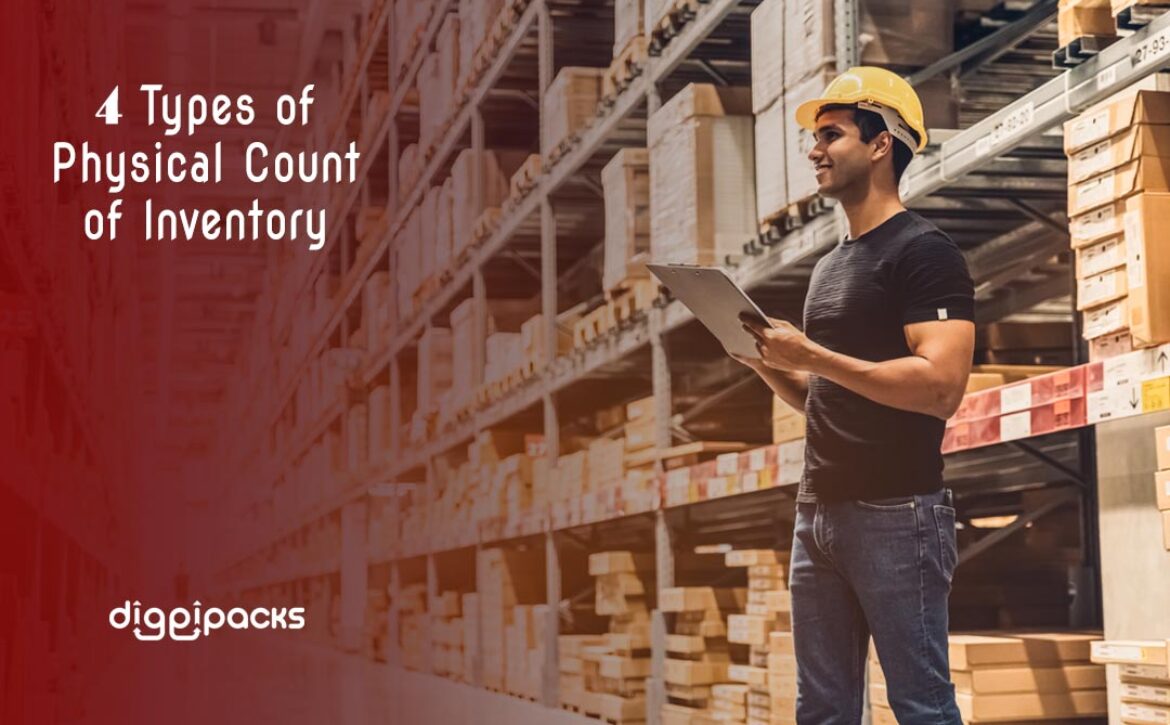
4 Types of Physical Count of Inventory 

[et_pb_section fb_built=”1″ _builder_version=”4.15″ global_colors_info=”{}”][et_pb_row _builder_version=”4.15″ background_size=”initial” background_position=”top_left” background_repeat=”repeat” global_colors_info=”{}”][et_pb_column type=”4_4″ _builder_version=”4.15″ custom_padding=”|||” global_colors_info=”{}” custom_padding__hover=”|||”][et_pb_text _builder_version=”4.15.1″ background_size=”initial” background_position=”top_left” background_repeat=”repeat” hover_enabled=”0″ global_colors_info=”{}” header_2_font_size=”27px” header_2_text_color=”#E02B20″ header_3_text_color=”#E02B20″ header_3_font_size=”27px” header_4_text_color=”#E02B20″ header_4_font_size=”27px” sticky_enabled=”0″]

There are many types of inventory operations, and the Physical Count of Inventory is one of the most important types. In general, the inventory process is one of the most important operations in the financial accounting system.

Whereas, during which all assets and liabilities owned by the institution are counted, and the aim is to compare what is recorded in the accounting books with what is actually and materially present in the institution. Accordingly, the necessary corrections and adjustments are recorded, so that the account balances match what is in reality.

In the end, create an honest picture of the company’s performance and its financial statements, and in this article we will show you all the details about the Physical Count of Inventory.

What Is Physical Inventory Count?

It is the process that takes place at the end of the year in which all liabilities and assets owned by the company are counted.

This is after the trial balance is extracted, after completing all the accounting records for the fiscal year.

The objective of the Physical Count of Inventory is to compare what is recorded in the accounting books with what is physically and physically in the company.

And then the necessary adjustments are recorded. This is until there is a match between the account balances with what is in reality.

Taking a Physical Count of Inventory

Physical Count of Inventory

Physical Count of Inventory is most likely done at the end of the fiscal year, which companies use as one of the organized methods of calculating a company’s inventory.

The company schedules this inventory at the end of the financial period that it specifies in its report.

Types of physical inventory counts

There is more than one type of Physical Count of Inventory process and each type has its own style and technique.

Below we will show you the 4 most important types of Physical Inventory Count:

1. Electronic or POS counting

It is the most modern inventory method within the Physical Count of Inventory, which uses scanners and other technologies to calculate inventory.

What distinguishes this method is that it greatly reduces counting errors, and it saves a lot of time and effort.

But on the other hand, this method requires high costs to use it, so until now there are many companies that do not apply it.

This method is a form of digital transformation in Physical Count of Inventory.

2. Cycle Count

It is also a popular Physical Count of Inventory type in which random parts of a stock are counted at different times.

This method helps reduce the time or resources used in counting, but it often does not give the company an accurate account of its inventory.

It is one of the most widely used types of Physical Count of Inventory

3. Manual inventory counting

Physical Count of Inventory

It is a type of traditional Physical Count of Inventory in which manual recording is used based on counting and writing in paper to record inventory.

The most characteristic of this method of inventorying inventory is its low cost, but in return it is disadvantaged by the high rate of errors as well as the huge effort in writing and recording on paper.

4. Full physical inventory

It is the most accurate type of Physical Count of Inventory, in which the company relies on hiring employees specifically for the entire inventory process.

Through it, the company can obtain accurate inventory records. But one of its main drawbacks is that it consumes a lot of labor and time, as well as requires shutting down the operations of the company.

But it is the most efficient way to take inventory within Physical Count of Inventory types

[/et_pb_text][/et_pb_column][/et_pb_row][/et_pb_section]
Read More
admin January 11, 2026 0 Comments

Scheduled Delivery definition and why is it Important? 

[et_pb_section fb_built=”1″ _builder_version=”4.16″ global_colors_info=”{}”][et_pb_row _builder_version=”4.16″ background_size=”initial” background_position=”top_left” background_repeat=”repeat” global_colors_info=”{}”][et_pb_column type=”4_4″ _builder_version=”4.16″ custom_padding=”|||” global_colors_info=”{}” custom_padding__hover=”|||”][et_pb_text _builder_version=”4.17.4″ header_2_text_color=”#E02B20″ header_2_font_size=”27px” header_3_text_color=”#E02B20″ header_3_font_size=”27px” header_4_text_color=”#E02B20″ header_4_font_size=”27px” background_size=”initial” background_position=”top_left” background_repeat=”repeat” hover_enabled=”0″ global_colors_info=”{}” sticky_enabled=”0″]

No matter what type of business you’re running, on-time parcel delivery is essential, so a scheduled delivery is important. Through which the shipment plan is organized precisely and specifically, thus managing the logistics operations better. This ensures that orders are on time delivery, thus gaining customer satisfaction with the service provided.

Especially since customers are very annoyed when delivery dates are delayed, scheduled deliveries greatly affect customer satisfaction. That’s why the logistics operations manager needs to develop a plan for scheduled delivery while fulfilling orders, and in this article we will show you all the details about this and how it affects the improvement of delivery efficiency and fulfillment of orders.

What is scheduled delivery?

A scheduled delivery is a method of order fulfillment, which is an agreement between the parties involved with a specific date and time in the delivery process.

As well as specifying the time, path and place in which the exchange of products will take place.

Which greatly helps in avoiding delays, as well as making both parties aware of the course of the delivery process.

In general, this method of fulfilling orders helps to avoid the process of losing customer satisfaction or losing products during the delivery process.

How scheduled delivery works

scheduled delivery

As for the mechanism of scheduled delivery, it is as follows, the customer orders his own product, and then sets the date he wants to receive his order.

For example, if the intended online store provides shipping within 3 days from the date of the order, the scheduled delivery option will allow the customer to choose the time at which he prefers to receive his order.

That is, determining the time period in which the customer can receive his order upon the date of receipt scheduled in the online store, and in the event of any problems, the customer is informed of that.

In many cases, something outside the shipping company may occur, such as changes in the weather or sudden decisions from the state, preventing the shipping process at the time specified by the customer.

In that case, the customer is contacted and informed of the matter, and then a new appointment is reached with him that suits him and does not conflict with the available circumstances at the same time.

Why scheduled delivery is still popular

Scheduled deliveries are still very popular today for their role in giving the customer the option to choose the right time to receive their order.

Thus, meeting the requirements of customers better and providing them with convenience.

Which made many electronic stores integrate this option within the options of delivering orders to customers.

diggitrack

Challenges of scheduled delivery

There are a number of challenges standing in the way of scheduled delivery which makes many businesses, especially e-stores, facing difficulty in implementing scheduled delivery in their business.

The following are the most important of those challenges:

1. Need to use many digital tools

The biggest challenge facing the scheduled delivery process is allowing customers to control the date and time of delivery.

Which will require you to do a lot of adjustments in your online store and use a number of smart tools that allow you to process orders on time by customers.

But you can solve that problem and meet this challenge easily by using API integration and connecting it to your online store platform.

2. Delay in delivery leads to loss of customer satisfaction

One of the most important issues facing this method is that if the order is late for the specified date, this will lead to the loss of customer satisfaction and their trust in you.

Especially since this method depends mainly on the speed of delivery, so you always need to allocate additional time during the delivery process to avoid any unexpected changes that affect the delivery date of the order.

3. Last-Minute Cancellations

Many customers, if they do not receive their orders on the time they specified, immediately cancel their order.

Which will cost you the same shipping expenses as well as the customer will lose you and will not deal with you again, so you need to fulfill orders on time as possible.

4. No other delivery options

Relying on scheduled delivery alone as a delivery option is not the best thing, because customers always love choice.

Do not provide this option only and ignore the rest of the other options in delivery, so provide more than one shipping method and at the same time do not exaggerate so that customers do not feel confused and leave your store.

How to improve delivery efficiency

scheduled delivery

Scheduled deliveries will help you to enhance the fulfillment of your orders, thus reducing work disruptions and increasing customer satisfaction with the services provided.

It will also allow your team to focus on other more important tasks, which will positively impact your business.

Using the latest methods and tools, Diggipacks can help you boost your business and make shipping and delivery operations more efficient.

[/et_pb_text][/et_pb_column][/et_pb_row][/et_pb_section]

Read More
admin January 11, 2026 0 Comments

What Is on Demand Warehousing?

[et_pb_section fb_built=”1″ _builder_version=”4.16″ global_colors_info=”{}”][et_pb_row _builder_version=”4.16″ background_size=”initial” background_position=”top_left” background_repeat=”repeat” global_colors_info=”{}”][et_pb_column type=”4_4″ _builder_version=”4.16″ custom_padding=”|||” global_colors_info=”{}” custom_padding__hover=”|||”][et_pb_text _builder_version=”4.17.4″ background_size=”initial” background_position=”top_left” background_repeat=”repeat” hover_enabled=”0″ global_colors_info=”{}” header_2_text_color=”#E02B20″ header_2_font_size=”27px” header_3_text_color=”#E02B20″ header_3_font_size=”27px” sticky_enabled=”0″]

On demand warehousing is a smart in-house execution solution that helps different companies free up working capital. In addition to the role of on demand warehousing in significant business development, it is one of the smart solutions in storage, which will keep pace with today’s requirements and the rapid digital transformation witnessed in all walks of life. In this article, we’ll show you everything you need to know about on demand warehousing, its benefits and why it’s a must in storage.

What Is on Demand Warehousing?

On demand warehousing is the outsourcing of services, by connecting a company to a system in which its inventory is stored and orders are fulfilled.

This method of warehousing is one of the smart storage and fulfillment solutions for external orders.

Through which the company’s inventory is kept with a third party to fulfill orders and fulfillment. through a 3PL fulfillment company

What solutions does On Demand Warehousing offer?

on demand warehousing

On demand warehousing offers real solutions to fulfill orders and meet customer delivery expectations, through which the timely fulfillment of various orders will be enhanced.

On demand warehousing solutions can help reduce shipping costs by relying on a third party that specializes in warehousing and order fulfillment.

All of this will effectively contribute to enhancing competition and expanding companies on a large scale.

Thus getting rid of old fulfillment solutions and creating smarter and more modern fulfillment solutions.

Benefits of On Demand Warehousing

There are many benefits that different business owners can benefit from when using smart storage solutions, and here are the most important benefits on demand warehousing:

1. Make the supply chain more flexible

Currently, with the circumstances that occurred in 2020 and the Corona pandemic, traders are thinking of making their business more resilient, as they try to survive the volatile market conditions.

On demand warehousing will effectively counteract market volatility and make the supply chain more resilient than ever before.

This is by making retailers pay for the space they will use on-demand warehousing, thus reducing additional overheads or potential losses from warehousing.

2. Provide fast shipping options

On demand warehousing solutions help provide fast shipping to various customer orders, thus enabling the company’s inventory to be stored in multiple warehouses across the country.

This makes the owners of these companies closer to their customers, as well as access to foreign markets easily and distribute their inventory better, while greatly reducing shipping and warehousing expenses, as more than one person can share space in warehouses.

Thus, reducing expenses for storage in warehouses, as well as speeding up the process of shipping orders, up to two days to deliver orders to customers.

3. Enhancing fulfillment rates and the level of service provided

You can get reasonable storage rates when dealing with an on-demand warehousing provider, as well as ensuring order fulfillment and on-time delivery.

Which contributes to strengthening your position in the market and reducing additional expenses and directing them to better growth of your business.

4. Get integrated technology

On demand warehousing will help you automate many of the traditional manual processes in warehousing by integrating your sales channels.

Thus, having a complete view of your inventory levels in the various warehouses and sales channels used, as well as the flexibility to move inventory to enhance profitability.

This modern technology will also ensure that you maintain the level of services you provide, as well as better meet customer expectations.

5. Reduce fixed operating costs

On demand warehousing solutions help reduce fixed operating costs dramatically, by converting a large proportion of them into variable costs.

Which helps you reduce the risks that you may be exposed to, thus giving you greater freedom to invest and achieve more profits.

6. Significantly boost revenue

This smart method of warehousing revenue growth increases companies’ revenue growth at the highest level, by significantly increasing transfer rates.

Which is reflected positively on the performance of these companies as well as the profits and returns they achieve, thus giving companies an opportunity to expand and double profits and sales.

7. Simplify the supply chain management process

On demand warehousing simplifies your supply chain management by monitoring and managing all your sales channels from one platform.

This helps you create a seamless and consistent brand, which positively affects your customer experience, your company’s profits, and your sales.

8. Focus better on Business Drivers

This modern method of warehousing provides an opportunity for small and medium-sized companies to develop the products and services they provide, and thus boost their sales.

This is done by outsourcing warehousing and distribution operations, freeing up resources to focus on growing the business.

Why is On-Demand Warehousing essential?

on demand warehousing

At the present time, the importance of on-demand warehousing has emerged, especially in light of the great development that e-commerce has witnessed, in addition to the dependence of many buyers on it.

So the way buyers use shopping has changed, so there is an urgent need to use a reliable and smart storage platform to meet the demands of customers.

This method helps in supporting trade in general, as well as giving owners of different companies the ability to adapt to customer requirements.

[/et_pb_text][/et_pb_column][/et_pb_row][/et_pb_section]

Read More
admin January 11, 2026 0 Comments

Multichannel eCommerce the 14 Key Trends in 2022

[et_pb_section fb_built=”1″ _builder_version=”4.16″ global_colors_info=”{}”][et_pb_row _builder_version=”4.16″ background_size=”initial” background_position=”top_left” background_repeat=”repeat” global_colors_info=”{}”][et_pb_column type=”4_4″ _builder_version=”4.16″ custom_padding=”|||” global_colors_info=”{}” custom_padding__hover=”|||”][et_pb_text _builder_version=”4.17.4″ header_2_text_color=”#E02B20″ header_2_font_size=”27px” header_3_text_color=”#E02B20″ header_3_font_size=”27px” background_size=”initial” background_position=”top_left” background_repeat=”repeat” hover_enabled=”0″ global_colors_info=”{}” sticky_enabled=”0″]

The importance of multichannel ecommerce has emerged greatly in the recent period, due to its great role in providing a better experience for shoppers, and allowing them to access your products more widely. Multichannel ecommerce has also contributed to giving merchants or sellers greater access to customers, by relying on more than one channel to sell their products. There are a bunch of basic trends that have emerged a lot in 2022 around, and in this article we’ll show you the most important of those trends as well as how Diggipacks can help you get your multichannel ecommerce going.

What are the key trends in multichannel eCommerce for 2022?

Multichannel eCommerce

Due to the circumstances, the world has been through during 2020, the coronavirus pandemic, and the huge changes that have affected retail supply chain operations, a huge trend has emerged towards multichannel ecommerce.

Through which different companies began to benefit more from the smart tools and options that multichannel ecommerce provides, and the following are the most important trends for multichannel ecommerce in 2022:

1. Social media commerce

Social media platforms provide a huge and vibrant market that a large percentage of online shoppers depend on, so it is one of the hottest multichannel ecommerce trends for 2022.

Social media commerce refers to the use of different platforms, buying and selling, as well as using them to communicate with others. The most prominent of these channels are:

  • Facebook.
  • Instagram.
  • TikTok.
  • Pinterest.

2. AI in eCommerce

Artificial intelligence techniques and its various innovations effectively help in predicting the market situation as well as the shopping habits of buyers.

Which makes it one of the most important tools for providing predictive analytics and demand forecasting, so it is one of the most important multichannel ecommerce trends for 2022.

3. Augmented reality and eCommerce retail

Augmented reality innovations can be used to effectively enhance e-commerce, providing a better customer experience and giving them insight into the nature of products.

Making them feel like they are in the physical store and see the products and details themselves, these technologies enable shoppers to preview the products through phones or tablets in an enhanced way.

4. Ecommerce voice search

Many are now relying on the voice search option while shopping online, and this technology has clearly affected consumer searches as well as purchase results.

This made it one of the best technological innovations that improved sales in multichannel ecommerce this year.

Hence, online store owners need to improve search engines for mobile voice searches and websites.

5. Authentic content via video

Creating unique video content is one of the best ways in which different brands can be communicated to customers interactively, which reflects negatively on the sales of those brands.

Especially since videos about different brands, if they have strong, relevant and attractive content as well, will provide online audiences with a more personalized and unique experience.

6. Renewed focus on sustainability.

After the Corona pandemic and the huge repercussions and impacts it imposed on trade in general, everyone realized the importance of focusing on sustainability, and this was evident in various fields, not just e-commerce.

Therefore, the focus on sustainability has become one of the most important trends in multichannel ecommerce for the year 2022, which many companies and institutions are pursuing.

7. Ethical and independent business

Consumers in general avoid all actions that practice or support any unethical acts, which has made different brands focus on strong ethical values ​​in their products and services.

8. Speedy distribution and eCommerce order fulfillment

Customers are increasingly expecting quick delivery of their orders in e-commerce, which has made the integration of smart order fulfillment systems into multichannel ecommerce essential and essential.

This results in improved planning for distribution and fulfillment of customer demands, thus enhancing flexibility and customer satisfaction and loyalty to those companies.

9. Multichannel customer support

This is one of the most notable trends this year, which has resulted in an increase in access points for customer support.

Which affected positively and effectively in improving customer satisfaction by answering their various inquiries, and thus doubling sales and increasing customer confidence and satisfaction with the services provided.

diggitrack

10. Growth in subscription models

One of the most important problems faced by e-store owners is the difficulty of retaining customers, but despite this, e-store owners strive to confront this problem.

They did this with subscription models, which would keep customers loyal months or years into the future.

11. Dark stores

Dark stores have appeared in a big way in the recent period, which has helped a lot of e-commerce companies improve their order fulfillment quickly.

So a large number of merchants are converting some of their storage sites to dark stores, in order to stay competitive and boost online order fulfillment.

12. Assorted payment options

Providing diverse payment options is one of the most prominent trends for 2022, through which it will enhance the experience of shoppers and increase conversion rates.

Especially since a lot of shoppers abandon their shopping cart just because the payment options are limited and do not suit them, so it is better to diversify the payment options as much as possible.

13. Live-stream eCommerce

Properly executed and dynamic live broadcasting helps in increasing customer attraction to brands, as well as boosting web traffic, thus retaining existing customers and attracting new ones at the same time.

And all of this is reflected positively on the sales and ecommerce revenues of the companies themselves, which made many different companies rely on live broadcasts to promote their brands.

14. Omnichannel selling

Omnichannel selling is meant to sell various goods and services through more than one shopping channel, whether it is traditional, electronic or through third-party marketplaces.

This is one of the most prominent multichannel ecommerce trends this year, which is favored by many customers and online shoppers.

Multichannel eCommerce with Diggipacks

Multichannel eCommerce

Diggipacks is one of the best companies specialized in providing logistics services, relying on the latest technologies and technological methods.

Collaborating with a logistics partner can help you better manage your products, in a way that enhances your presence in the market and thus increases your sales.

Diggipacks has an expert and specialized team in product management, which will give you the best services at the best prices and give you a comparative advantage in terms of speed and efficiency.

So Diggipacks is your perfect choice if you want to enable multichannel ecommerce in your e-commerce.

This is because it is a specialized logistics partner that helps you manage your products and provide the best shipping and delivery options.

Diggipacks can also provide you with smart storage solutions at the best prices, as it has all the spaces needed by special products, with an economical plan while ensuring the high quality of storage.

As well as full packaging services for its stored products, in addition to the ability to provide you with daily reports of your stock movement through the customer control panel.

[/et_pb_text][/et_pb_column][/et_pb_row][/et_pb_section]
Read More
admin January 11, 2026 0 Comments

Design Thinking: Building a Design System for an Existing Product

Customers love simplicity and view it as a form of good customer service. Customers hate complexity, and it deters them from buying.

Read More
admin January 11, 2026 0 Comments

Order Management System Solve Your Fulfillment Challenges

[et_pb_section fb_built=”1″ _builder_version=”4.16″ global_colors_info=”{}”][et_pb_row _builder_version=”4.16″ background_size=”initial” background_position=”top_left” background_repeat=”repeat” global_colors_info=”{}”][et_pb_column type=”4_4″ _builder_version=”4.16″ custom_padding=”|||” global_colors_info=”{}” custom_padding__hover=”|||”][et_pb_text _builder_version=”4.17.4″ header_2_text_color=”#E02B20″ header_2_font_size=”27px” header_3_text_color=”#E02B20″ header_3_font_size=”27px” background_size=”initial” background_position=”top_left” background_repeat=”repeat” hover_enabled=”0″ global_colors_info=”{}” sticky_enabled=”0″]

An order management system is of great importance for companies, especially online stores, which can effectively help in managing inventory between different sales channels. This is in addition to its role in checking the availability of stock in real time, as well as balancing the stock and forecasting sales. This ultimately results in easier receipt of orders and more accurate inventory management. Therefore, the inventory management system performs a lot of important functions, and in this article we will talk about this system and what it is, and we will explain to you the most important benefits and functions of the order management system.

Order Management System

This system is defined as the process of taking, organizing, tracking and fulfilling purchase orders for the company’s products or services.

An order management system is a computer software system used in a number of industries to place, process and fulfill orders in general.

Functions of an Order Management System

order management system

The order management system performs a lot of important functions that will facilitate the process of receiving orders and checking the physical stock.

Which ultimately results in better processing of customer requests, and the following are the most important functions of this system:

1. Place the order

The first function of an order management system is that it places orders by the customer through your website.

Customers then enter their details and also choose the payment method they prefer.

Through the system, you will be able to manage customer orders and order volumes, as well as customer preferences regarding delivery options and payment methods.

Thus, you have a purchase record with the customer’s information and requirements.

Then the payment is processed by the system, and then the system sends the order to your warehouse after the fees paid are approved.

2. Warehouse processing

The second function of the order management system is to prepare the warehouses after the order arrives at the warehouse directly, through the work team selecting the required items from the stock.

In the event that there are not enough of those required elements, the system will send a notification to the warehouse manager that there will be a delay in the implementation.

Then the customer will also automatically receive another notification that there will be a delay in the execution of his order.

There your customer service team can step in and communicate with the customer to follow up on the order.

3. Order recording

The third function of the warehouse management system is to register the order through the accounting program if you own one, or by sending the request to the accounting department directly.

Then it is recorded in the ledger, so that the sales process is recorded and a receipt is sent to your customer.

That is, your sales ledgers are automated, facilitating audits and reconciliation of taxes and inventory at the end of the accounting period.

4. Order shipping

After the order is registered and a receipt is sent and automated in the system automatically, the next function of the order management system is to ship the order.

By filling out the order after checking it and then shipping it directly, and in that step, your customer receives a notification through the order management system telling you that your order has been shipped.

Then it also sends the customer the tracking number as well as the expected time of delivery of the shipment.

5. After sales follow up

It is one of the important functions of this system, through which the order is followed up after it is sent to the customer, in order to verify their satisfaction with the service and their request.

The system sends an e-mail asking the customer about his evaluation, as well as showing him how to communicate with customer service in case of problems.

6. Flag a special order

One of the most important functions of OMS is to monitor the status of the order by marking the order with a mark, for example a VIP order, so a free thank you gift is included with it.

The system can easily process these requests by marking them, and therefore the work team follows up on the request in particular to verify its accuracy.

Why You Should Use an Order Management System for Your Business

order management system

There are a lot of benefits that your business can benefit from when using OMS. And here are the most important things that may motivate you to use OMS in your business:

1. Effectively automate orders

OMS allows you to effectively automate customer orders and their processing process, which will help you reduce labor costs as well as save time and effort and reduce potential errors.

This will make your hand team focus on growing your business as well as trying to increase customer satisfaction.

And through the order management system you will be able to increase the security of your data as well.

2. Availability around the clock

Through OMS, you will be able to quickly track and process orders anytime and anywhere, in addition to having greater control over the data.

Which will positively affect the processing of your customers’ requests faster and more accurately, and thus enhance their confidence in your brand.

3. Boost your business growth

OMS enables automated cash payment systems as well as the possibility of all customer data and better analysis.

This enables you to improve your store and the services you provide to customers.

All of this will lead to the development of your relationships with customers, as well as improving the process of forecasting your sales ratios more accurately.

4. Accurately manage your inventory

The order management system helps to manage inventory more accurately, and check it in real time easily.

Through it, you will be able to reduce errors as well as facilitate operations and reduce cases of excessive demand or excessive selling.

5. Owning a data center

The best thing about OMS is that it provides you with order and customer data in one place, which helps you get an overview of your business and sales.

This is because OMS helps you keep track of your orders and sales as well, and through this system, your business efficiency can be improved.

6. Get real-time information

One of the most important things for business owners, OMS helps make your information real-time, allowing problems to be addressed as they arise.

Thus, you avoid any delivery delays, or shortages in your inventory, and thus be proactive in addressing problems.

[/et_pb_text][/et_pb_column][/et_pb_row][/et_pb_section]

Read More
admin January 11, 2026 0 Comments