ديجيباكس تغيّرت… وأصبحت Fastcoo Network by Diggipacks — اكتشف النموذج الجديد 🚀 التفاصيل ←

Category: الحلول التقنية

What Online Retailers need to know about 5PL

[et_pb_section fb_built=”1″ _builder_version=”4.16″ global_colors_info=”{}”][et_pb_row _builder_version=”4.16″ background_size=”initial” background_position=”top_left” background_repeat=”repeat” global_colors_info=”{}”][et_pb_column type=”4_4″ _builder_version=”4.16″ custom_padding=”|||” global_colors_info=”{}” custom_padding__hover=”|||”][et_pb_text _builder_version=”4.17.4″ header_2_text_color=”#E02B20″ header_2_font_size=”24px” header_3_text_color=”#E02B20″ header_3_font_size=”24px” header_4_text_color=”#E02B20″ header_4_font_size=”24px” background_size=”initial” background_position=”top_left” background_repeat=”repeat” hover_enabled=”0″ global_colors_info=”{}” sticky_enabled=”0″]

5PL The modern logistics and supply chain industry is constantly evolving, and this is due to the increasing expectations of customers, as well as the rapid growth in e-commerce, all of this makes the logistics and supply chain more complex, and from here appeared the logistics service providers, which are specialized in logistics management which It saves merchants a lot of time and effort.

And the most prominent types of logistics services are third-party logistics (3PL), fourth-party logistics (4PL), and access to fifth-party logistics (5PL), which is a new innovation that will increase dramatically in the market in the coming period, as a result of the rapid growth in E-commerce, and in this article we will talk about Fifth Party Logistics (5PL) with some examples of it, its importance for online retailers and the difference between it and Fourth Party Logistics (4PL).

5pl logistics: What Is Fifth-Party Logistics

Fifth Party Logistics is one of the systems through which you outsource all of your supply chains, which will help you plan, organize and efficiently implement logistics solutions.

5PL manages all of your supply chain networks and can set prices for you and negotiate on your behalf as well. In general, 5PL is closely related to e-commerce.

5pl logistics example

Simply, 5PL is an upgrade from 4PL and thus 5th party logistics ensures that the customer can get 3PL Fulfillment and 4PL services as well, this means that 5PL caters to the freight needs including using other logistics.

For example, some companies use 5PL for the purpose of powering every aspect of the supply chain, with the service provider making the appropriate contracts on your behalf and negotiating for you.

diggitrack

Difference between 4pl and 5pl

If you are looking for the best logistics service provider, you will find a number of terms such as 4PL and 5PL and many more, but here we will focus on the difference between 5PL and 4PL.

And in general all of these terms are used to describe the wide range of logistics services that can be provided to you by an external service provider, Here are the main differences:

As mentioned earlier, 5PL is an upgrade from 4PL and the difference between them is that 5th party logistics providers mainly focus on solutions for e-business, especially e-commerce, so 5PL tries to achieve the lowest possible costs for the customer consequently, they group orders in large volumes to maximize customer benefit.

But 4PL does not focus on e-business solutions, but rather it is the best choice for companies with more complex supply chains, as it enhances the business of those companies, and 4PL works more flexibly because it always tries to find the most suitable resources for customer needs.

5pl logistics solutions

5pl

The solutions that 5PL possesses are numerous. There are many that 5th-party logistics providers can offer you from solutions, as:

1. Understand your logistics requirements

Fifth Party Logistic can help you understand your desired logistics requirements, as 5th party service providers collect all requirements across the supply chain, which may be directly from the company or about the company’s future goals.

Then Fifth Party Logistic analyzes the company’s current operations and then optimizes the requirements you want, with the goal of optimizing the entire logistics process

2. Planning your logistics operation

By using your company’s specific requirements and goals, third-party service providers can plan the entire logistics process, by collaborating with the company to optimally segment its requirements.

Especially since Fifth Party Logistic has a wealth of experience and repeat experience in managing the most complex supply chains, giving your company and operations amazing additional value.

you may like:

How to optimize your e-commerce Warehouse layout

3. Manage and fully implement your logistics solutions

After collecting your requirements, defining them, and then planning them well, Fifth Party Logistic starts implementing all those plans, by managing many operations such as warehouses, drivers, etc., so Fifth Party Logistic acts as an intermediary between the customer and other service providers.

If any problems arise, the Fifth Party Logistic is responsible and is also the one to solve them quickly, and it will also search for the best deals for the customer and determine the terms of the contract with other service providers.

[/et_pb_text][/et_pb_column][/et_pb_row][/et_pb_section]

Read More
admin يناير 11, 2026 0 Comments

Dropshipping and link it to warehouses and shipping

[et_pb_section fb_built=”1″ _builder_version=”4.16″ global_colors_info=”{}”][et_pb_row _builder_version=”4.16″ background_size=”initial” background_position=”top_left” background_repeat=”repeat” global_colors_info=”{}”][et_pb_column type=”4_4″ _builder_version=”4.16″ custom_padding=”|||” global_colors_info=”{}” custom_padding__hover=”|||”][et_pb_text _builder_version=”4.17.4″ header_2_text_color=”#E02B20″ header_2_font_size=”24px” header_3_text_color=”#E02B20″ header_3_font_size=”24px” header_4_text_color=”#E02B20″ header_4_font_size=”24px” background_size=”initial” background_position=”top_left” background_repeat=”repeat” hover_enabled=”0″ global_colors_info=”{}” sticky_enabled=”0″]

Recently, the term drop shipping has become very popular, and it has become one of the important types of business on the Internet, and there are many who have achieved great success through it, especially the Arab countries, If you are an entrepreneur and are thinking of establishing your own business and achieving financial freedom and financial stability in the long run, you can start working in drop shipping, which is one of the types of online business that belongs to the world of e-commerce services, and in this article we will show you everything you need to know about dropshipping and how to link it to warehouses and shipping.

What Is Dropshipping?

Dropshipping is the processes of marketing the products you want without actually owning them, by agreeing with a third party to market its products,

And in turn it ships the products that your customers purchase through you, and your profit is the selling price that you set for your customers minus the selling price set by the product owner.

Drop Shipping Is One of the Easiest Online Businesses

Dropshipping

Drop shipping is a type of the easiest online business that belongs to the world of e-commerce, in which the online store does not keep stock.

But as soon as the buyer makes a purchase order from one of the products displayed in the online store, the store makes a purchase order from a third party,

And the third party (wholesaler or other large store or factory) ships the product directly to the buyer.

How Drop Shipping Works

You may now be wondering how drop shipping works, and here is a detailed explanation of how drop shipping works:

1. Create an online store

Where the dropshipper creates a dropshipping store which is an integrated online store to complete the dropshipping operations (just like the usual e-shops).

This may be a website or an online store on social media platforms (Instagram store, Facebook store and others).

2. Choose the supplier you will deal with

The dropshipper chooses the seller or third party he wants to work with and sell his products, and he joins his dropshipping program after accepting its terms and conditions.

diggitrack

3. Sell products

The dropshipper sells the products he chooses to sell on his store at special prices, setting himself the optimum profit margin from each successful dropshipping sale.

4. Customer order

A customer or online shopper visits a dropshipper store and then decides to purchase certain products, places an entire order and also completes the payment process.

Note that the customer has no idea that he is shopping online from the Dropshipping store anyway.

5. Transfer the order to the supplier

Customer data and order details are transferred automatically (through an automation system) or manually to the third party to prepare the order.

6. Preparing the order and shipping method it to the customer

The third party prepares the order, ships it and delivers it directly to the customer. Noting that you do not necessarily have to own an online store to start dropshipping,

There are many marketers who use popular online stores as an alternative platform to display products,

Advantages of Drop shipping

Dropshipping

After dropshipping has become at the forefront of ways to profit online and freelancing activities from home,

It’s necessary to know its advantages that made it a successful business for many novice entrepreneurs. And the following are the advantages of dropshipping:

1. Ease of getting started

At the fore in the dropshipping system is the ease of getting started. There is no need for a lot of experience or knowledge in the field of entrepreneurship or e-commerce.

All you need only in order to get started is to know some of the basics related to the work and the rest of the things you will learn easily as you progress in the work day by day.

2. No need for a warehouse

As one of the most important features that make commission selling a popular business for many and an easy business to engage in quickly and easily,

is that you do not need to provide a storage warehouse in order to store or package products and you have nothing to do with storage matters from the ground up, not even any of the details or tasks related By shipping products to customers.

3. Provide quick and easy growth opportunities

The basis of commercial projects is expansion and growth, which are goals that project owners seek over time to achieve in the fastest time and in the best way.

And when we talk about business growth opportunities, we will not find better than dropshipping as a model for the ability to grow and expand business easily and quickly and without additional costs to the business budget.

4. No need for a lot of capital

Capital has always been the most difficult obstacle for many aspirants to start their own business; consequently, they were backing off their plans to launch their own business until the capital was available to them.

This is no longer prevalent with the emergence of ways to profit that do not need a lot of capital,

Especially dropshipping, which has brought about a change in the concept of self-employment and capital requirements.

One of the most important advantages of commission selling is that getting started does not require high costs; you can start your own business with very little.

5. Flexibility at work

One of the most important reasons that prompted many entrepreneurs today to launch their own projects is the desire to get rid of the controls of traditional work and the routine of government and private work.

One of the biggest advantages of working with a dropshipping system is flexibility at work; you are the boss of yourself out of anyone’s control and away from sterile business rules that kill a lot of your creativity.

In Dropshipping, you are the one who sets your work rules, and you are the one who determines the working hours, where and when without any interference from anyone.

The flexibility of dropshipping is also the ability to work from home, whether on your mobile phone or your laptop, as well as working at the times most convenient for you.

6. Ease of management

Dropshipping does not require much effort from you in management at all; simply because it basically doesn’t require you to make many commitments.

All you have to do, as we mentioned earlier, is to find the right suppliers for the nature of your business and prepare everything after setting up a suitable store or website to sell your products.

Linking with shipping companies

Dropshipping

And you can link with shipping logistics companies, and this is what Diggipacks can provide you with, which provides you with all delivery solutions,

So that your customers are aware of everything that is happening in a timely manner, such as the delivery rate for each shipping company and the latest updates.

[/et_pb_text][/et_pb_column][/et_pb_row][/et_pb_section]

Read More
admin يناير 11, 2026 0 Comments

Advantages of Cargo Tracking

[et_pb_section fb_built=”1″ _builder_version=”3.22″][et_pb_row _builder_version=”3.25″ background_size=”initial” background_position=”top_left” background_repeat=”repeat”][et_pb_column type=”4_4″ _builder_version=”3.25″ custom_padding=”|||” custom_padding__hover=”|||”][et_pb_text _builder_version=”4.9.4″ background_size=”initial” background_position=”top_left” background_repeat=”repeat” hover_enabled=”0″ sticky_enabled=”0″ header_2_text_color=”#E02B20″ header_2_font_size=”24px” header_3_text_color=”#E02B20″ header_3_font_size=”24px” header_4_text_color=”#E02B20″ header_4_font_size=”24px”]

In an age where everything is connected to the internet, and with the huge rise in online purchases, there is a growing demand for accurate and consistent delivery system, and the delivery of Cargo without tracking may cause concern in buyers until the time they receive their shipments, so a Cargo Tracking system appeared, and Cargo Tracking is essential to achieve maximum customer satisfaction, it is necessary to have a proper delivery tracking system to improve the overall delivery system in the market Competitive, and the right tracking system will ensure proper shipment management and customer satisfaction, and in this article we will show you everything you need to know about Cargo Tracking.

What is Cargo Tracking?

Cargo Tracking

It is a system that allows customers to follow the movement of their shipments and know their path from the beginning to their arrival, and Cargo Tracking provides better customer service, by allowing them to know the status of their Cargo during the transportation process.

Why you need it for your business

Cargo Tracking is essential for your business, as:

  • For the customer, he can gradually check where his Cargo is in the world at any time.
  • For the company, Cargo Tracking enables it to make better connections with customers because it enhances the trust you have with them.
  • View the status and routing information of shipments and parts.
  • Maintain or edit a table of shipment reference numbers.

Therefore, Cargo Tracking is very important for your business and will facilitate many tasks for you.

you may like:

All you need to know about smart lockers

Why you need Cargo Tracking in the first place?

As we mentioned in the previous part, tracking is very important in your business. The emergence of tracking systems in general was an amazing invention.

And the start of its use in many useful forms, starting with helping to identify ways and directions, up to tracking property in all its forms.

The following are a number of points that clarify you why you might need a tracking system:

1. Maintain Control Over Your Assets:

Cargo Tracking

The first advantage that the tracking system can offer you is to control your assets and property in a great way, which you can benefit from in tracking the locations of your assets step by step and thus controlling them. It can give them tracking systems.

2. Eliminate Anxiety

Worry can destroy everything, many transactions are not done just because one of the parties is concerned about it, providing trust and eliminating anxiety is one of the most important factors in completing any transaction or transaction, and this is what the tracking system provides to users.

The tracking system helps business owners keep track of employees and know their compliance with their responsibilities, and it can also help them track the shipments they send or receive easily.

3. Easy to Use

There are many who believe that the vehicle tracking system is complex and difficult to use, and this is a completely wrong belief.

Tracking systems currently enjoy great ease in use, and perhaps this is one of the reasons for their common use,

Especially since all modern tracking systems have been designed based on modern technology and artificial intelligence, which provides ease in the use.

4. for security purposes

One of the advantages of tracking systems and perhaps the most prominent feature that most users seek is security purposes, where users seek to secure their property against theft,

As well as owners of goods, want their goods to reach them on time as well as without any problems, the tracking system helps you integrate security features together to avoid any unexpected bad events.

The Benefits of Cargo Tracking

The first goal of Cargo Tracking is to provide all the convenience to the customer, by keeping him informed of everything that is happening,

Which makes him feel more confident in the organization or store that deals with him; the following are the most prominent benefits of Cargo Tracking:

Cargo Tracking

  • Reduces operational costs by planning faster routes save time, as it reduces the risk of delivery delays.
  • Eliminates the risk of lost and lost goods Providing comfort and security to the organization’s customers. A seamless system that everyone can handle.
  • Notify the client of any emergency that may occur.
  • Keeping the customer aware of the complete shipping map.
  • Reducing the costs resulting from hiring an employee to do this task.
  • Reducing losses resulting from the customer not knowing when the product will arrive or not being in the agreed place for delivery.

[/et_pb_text][/et_pb_column][/et_pb_row][/et_pb_section]

Read More
admin يناير 11, 2026 0 Comments

All you need to know about digital products

[et_pb_section fb_built=”1″ _builder_version=”4.16″ global_colors_info=”{}”][et_pb_row _builder_version=”4.16″ background_size=”initial” background_position=”top_left” background_repeat=”repeat” global_colors_info=”{}”][et_pb_column type=”4_4″ _builder_version=”4.16″ custom_padding=”|||” global_colors_info=”{}” custom_padding__hover=”|||”][et_pb_text _builder_version=”4.17.4″ header_2_text_color=”#E02B20″ header_2_font_size=”24px” header_3_text_color=”#E02B20″ header_3_font_size=”24px” header_4_text_color=”#E02B20″ header_4_font_size=”24px” background_size=”initial” background_position=”top_left” background_repeat=”repeat” hover_enabled=”0″ global_colors_info=”{}” sticky_enabled=”0″]

Entrepreneurs nowadays focus more on digital products than on other physical products, In fact, we live in an increasingly diverse market, where people make money from a variety of endeavors. In fact, digital products offer the easiest entry point for any aspiring entrepreneur in the commerce world. In this article, we will talk about what digital products are, how to sell them online, as well as some examples.

What are digital products?

Digital products are any products sold online that have no physical form, and digital products can be turned into physical products.

Sell digital products online

digital products

You may be wondering why sell digital products? In fact, selling digital products has a large number of advantages that make them uniquely attractive to sell, as:

  • Low costs, as you don’t have to keep inventory or incur any shipping charges.
  • High profit margins, as there is no recurring cost of goods, so you keep most of your sales in profits.
  • The possibility of automation, where you can deliver orders on the spot.
  • A flexible and scalable product, as there is a huge opportunity to expand your business, the digital products industry is expected to be around $374 billion by 2026.

you may like:

What are Cross-Docking, Types, Advantages and Disadvantages

diggitrack

How to sell digital products online

Digital product selling platforms are where you can display your digital products for sale. They are like third-party marketplaces, which can help you sell your digital products by displaying them on their platform, which includes a large number of shoppers daily.

The types of platforms for selling digital products vary based on the type of digital product you want to sell to the public, and in general, to start selling digital products online, you will first have to create your digital product. Once you have a product to sell, you have to find a place to sell it.

And that place depends on the nature of the digital product you want to sell, for example, you may want to sell a digital book, so the place to sell it is one of the platforms specialized in selling this type of digital product, such as: Amazon.

But in fact, a large number of e-marketing experts recommend that it is necessary to have your own website to sell your digital products along with third-party marketplaces.

This way, you will have more direct control over the relationship with your customers. You can also often avoid the exorbitant service fees that many platforms solve.

you may like:

Why is Cycle Count better than Physical Inventory? Difference Explained

Digital products to sell

digital products

After you know what digital product are, it’s time to know the most profitable digital product, and here are some Digital products to sell:

1. Educational courses

Educational courses are the most popular and widely used digital product among people because they cover almost all fields, and anyone can easily create them.

The educational courses are explanations using videos, images, written texts and interactive materials such as exercises and tests.

2. E-books

One of the most accessible digital product in the industry, all you need is a writing talent, an idea to write about, an audience to promote, and that’s it.

Writing is a creative skill that needs some training, but you can go beyond that by hiring a professional writer from different freelancing platforms to craft your ideas.

Then you devote yourself to the marketing agent, this is called Ghost Writing, and it is a common method among entrepreneurs in the e-book industry and even writing articles.

3. Software and web applications

Software and web applications are the most lucrative digital product ever because they are in great demand and because they solve endemic problems for an interested audience.

This type of digital product requires experience and knowledge of programming and web development other than finding a good product or service idea that has a market demand.

The competition there is a bit less, but just as this type of digital product is the most lucrative, it is also the most difficult in terms of industry.

4. Mobile apps

The phone is a very large part of our lives, we cannot do without it and the applications and games that are on it, which we rely on and use constantly.

Mobile applications have many forms and can also be developed in more than one way, there is more than one programming language for developing applications for IOS and Android systems.

you may like:

All you need to know about smart lockers

Digital products examples

There are more and more examples of digital product, the list is updated daily, and these are some to help you put together an idea of ​​your digital product that you want to start selling:

1. Writing:

  • Electronic books (E-books).
  • Products Description.
  • Publishing Templates.
  • Report/Analytics Templates.
  • Creative Brief Templates.
  • Academic research.
  • Writing cover letters.

2. Acoustics

  • Songs.
  • Beats.
  • Presets.
  • Sound effects.
  • Sheet music.
  • Instrumental tracks.

3. Video

  • Short films.
  • Video animation intros.
  • Video tutorials.
  • Short videos professionally edited.
  • Documentary.

4. Design

  • Wallpapers.
  • Posters.
  • Emojis.
  • Fonts.
  • Photoshop/illustrator templates.
  • Infographic design.
  • Turn images into vector files.
  • 3D models.
  • Icon sets.
  • Animations.
  • Comics.

[/et_pb_text][/et_pb_column][/et_pb_row][/et_pb_section]

Read More
admin يناير 11, 2026 0 Comments

What is Freight Shipping & Benefits of Shipping Freight

[et_pb_section fb_built=”1″ _builder_version=”4.16″ global_colors_info=”{}”][et_pb_row _builder_version=”4.16″ background_size=”initial” background_position=”top_left” background_repeat=”repeat” global_colors_info=”{}”][et_pb_column type=”4_4″ _builder_version=”4.16″ custom_padding=”|||” global_colors_info=”{}” custom_padding__hover=”|||”][et_pb_text _builder_version=”4.17.4″ header_2_text_color=”#E02B20″ header_2_font_size=”24px” header_3_text_color=”#E02B20″ header_3_font_size=”24px” header_4_font_size=”24px” background_size=”initial” background_position=”top_left” background_repeat=”repeat” hover_enabled=”0″ global_colors_info=”{}” sticky_enabled=”0″]

Whether you want to ship personal belongings or commercial products, it may seem confusing; if you are new to shipping goods, the wide variety of terms related to the process of shipping goods through the supply chain, you may have difficulty dealing with it for the first time, but understanding the most important types and methods of shipping goods, related terminology is critical; To ensure that the goods are shipped on time and in good condition, in this article we will show you everything you need to know about freight shipping as well as the benefits of shipping freight.

What is freight shipping?

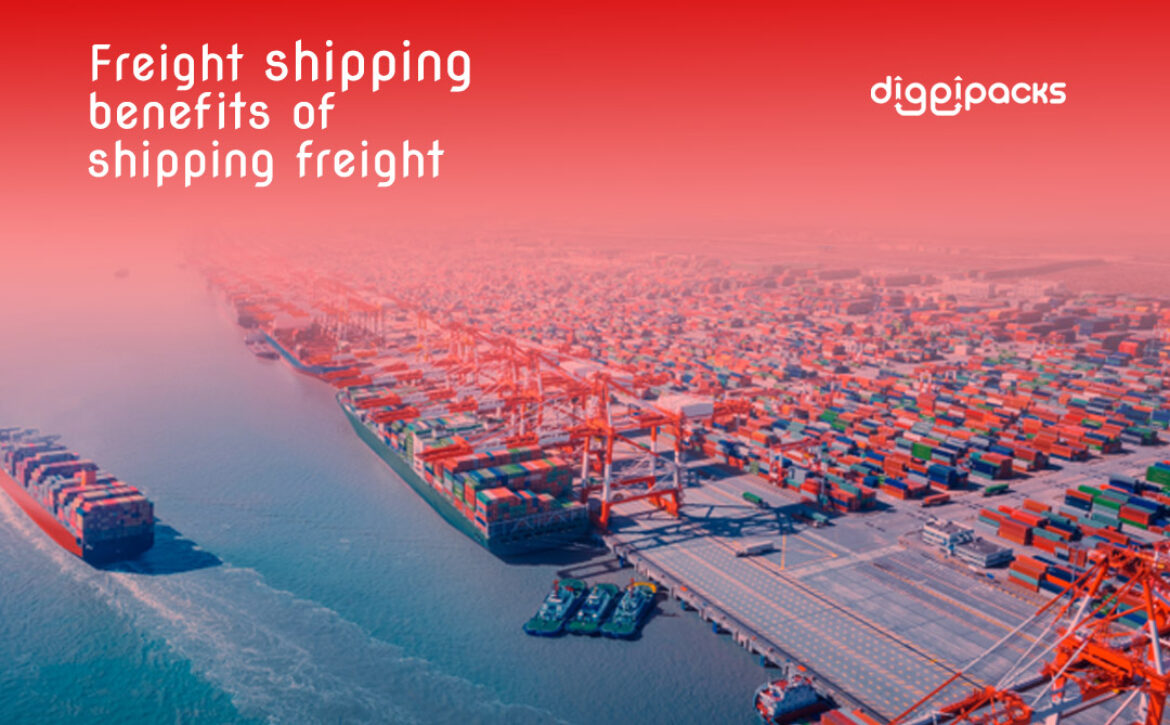
Freight shipping means transporting a number of cargo shipments, whether large or small, locally or internationally, through a number of ways, such as land, air or sea freight.

During freight shipping, they are loaded on large and sturdy containers; they also can be transported by relying on a single mode of transport or using a multimodal transport system.

diggitrack

What classifies as a freight shipment?

We can say Freight Shipping on any shipment that will exceed 30″ by 30″, or exceed 150lbs, and these dimensions are the most cost-effective for freight and transportation.

As for standard trucks, they can accommodate a maximum of 26 pallets, a typical pallet dimension is 48 inches wide, along with a length of about 40 inches, and the maximum possible height is 80 inches.

Speaking of truck containers, we find that their height is 4 feet from the ground, so there are warehouses equipped with elevated berths for loading and unloading trucks.

In the absence of warehouses or storage facilities with a raised berth, the only solution to loading or unloading the truck is the use of forklifts, and a truck with lift gate service can be booked for an additional cost.

Freight Shipping methods

Freight Shipping

There are 5 types of fright shipping that the shipper can choose from, and the following are those types and their explanation:

1. Full truckload (FTL)

It is a complete container for transporting the inventory you want, meaning that your goods will consume all the truckload and this type of shipments can be transported by road or by rail.

FTL can transport from 24 to 26 pallets, and all FTL shipments are direct, i.e. from the shipment pick-up location directly to the requested destination

2. Less-than-truckload (LTL)

It is not a full container but less than a truckload, and it can take from 1 to 6 pallets, and the LTL method is the most used method by shippers and traders.

And e-commerce stock is often transferred on various trucks until it reaches its destination

3. Partial truckload (PTL)

They can accommodate 6 to 12 pallets, and once stock or goods are loaded onto that truck using the PTL method, often no more than one truck is used during the transportation process.

4. Intermodal

It is one of the ways of fright shipping, in which more than one means is used to transport goods. It can be shipped by rail, then sea, then trucks, for example.

One of the advantages of this method is that it is sometimes very economical, especially since the use of railways as part of the method of shipping goods reduces the use of fuel and also reduces shipping costs

5. Expedited

It is a fast shipping method, and it is used with shipments that are important to deliver on a specific date that cannot be delayed, and in a more precise sense, urgent shipments, and this method is the most expensive method, and air freight is often used during it.

How to prepare a freight shipment

The preparation of the freight shipment is one of the most important things that you should care about, because it will affect the safety of the transported goods as well as the cost itself.

In general, the preparation of Freight Shipping varies from one package to another, but here are a number of tips that will help you ship the ordered goods safely as accurately as possible:

1. Choose the right size for the pallet

The first thing to consider while preparing a Freight Shipping is choosing the right pallet size for transported items.

Pallets are used for the purpose of unifying shipments and facilitating their movement and transportation.

In general, when you choose a pallet, check that it is sufficiently robust and large enough to accommodate goods without stacking or accumulating, so as not to damage the goods or movables.

2. Design the appropriate non-palletized shipment

If you are not going to use a pallet to ship the goods, choose suitable shipping containers, and you can use corrugated boxes.

Try to avoid reusing the boxes to ship the goods, but if you do, check that there are no holes before use to keep the shipment safe.

3. Put clear labels on the pallet

Each pallet must include visible labeling with a phone number and shipper’s address written on all sides of the pallet.

4. Follow all instructions of the freight carrier

Finally, and the most important thing that you should also take into account is to follow the instructions of the shipping company, as each shipping company has a number of important instructions on how to prepare for receipt,

So check that you have read all the instructions of the shipping company that you will deal with, in order to avoid any transportation problems.

Benefits of shipping freight

There is more than one benefit that Freight Shipping can provide for you, as it is one of the most common ways that saves you a lot of effort, in addition to the possibility of transporting goods in large quantities safely and at reasonable cost, and here are some points that explain the benefits of shipping freight:

1. Deliver your goods on time

Choosing a good carrier will help you deliver your goods on time safely and easily, thus eliminating any worry about how the goods will be delivered and transported from one place to another.

2. Ship your goods safely

Shipping your goods through pallets helps you ship those goods safely, protecting them from the risk of damage or theft.

Also, Freight Shipping services will give you all the details of your Cargo Tracking, thus identifying the movements of goods until reaching the desired destination.

3. Shipping your goods at lower cost

Freight Shipping provides you with more than one way to ship goods, and there are a number of ways that can save you a lot of costs,

Especially the LTL and PTL methods, they help you pay for the space that your goods will consume and not the whole load of the truck.

In most cases, the cost of goods is determined by the cost of the dimensional weight, and these methods help you to divide the cost of using the truck with other shippers, thus significantly reducing costs.

How does freight apply to ecommerce order fulfillment?

Freight Shipping

E-commerce companies use Freight Shipping to send inventory to 3PL fulfillment centers. Many Delivery logistics providers help customers book Freight Shipping with outside suppliers.

They also advise on shipping and receiving processes, and provide you with acceptable shipping rates for goods and how to ensure that they reach the delivery destination safely and efficiently.

[/et_pb_text][/et_pb_column][/et_pb_row][/et_pb_section]

Read More
admin يناير 11, 2026 0 Comments

5 Strategies to build Supply Chain Resilience in a Connected World

[et_pb_section fb_built=”1″ _builder_version=”3.22″][et_pb_row _builder_version=”3.25″ background_size=”initial” background_position=”top_left” background_repeat=”repeat”][et_pb_column type=”4_4″ _builder_version=”3.25″ custom_padding=”|||” custom_padding__hover=”|||”][et_pb_text _builder_version=”4.9.4″ background_size=”initial” background_position=”top_left” background_repeat=”repeat” hover_enabled=”0″ header_2_text_color=”#E02B20″ header_2_font_size=”24px” header_3_text_color=”#E02B20″ header_3_font_size=”24px” header_4_font_size=”24px” header_4_text_color=”#E02B20″ sticky_enabled=”0″]

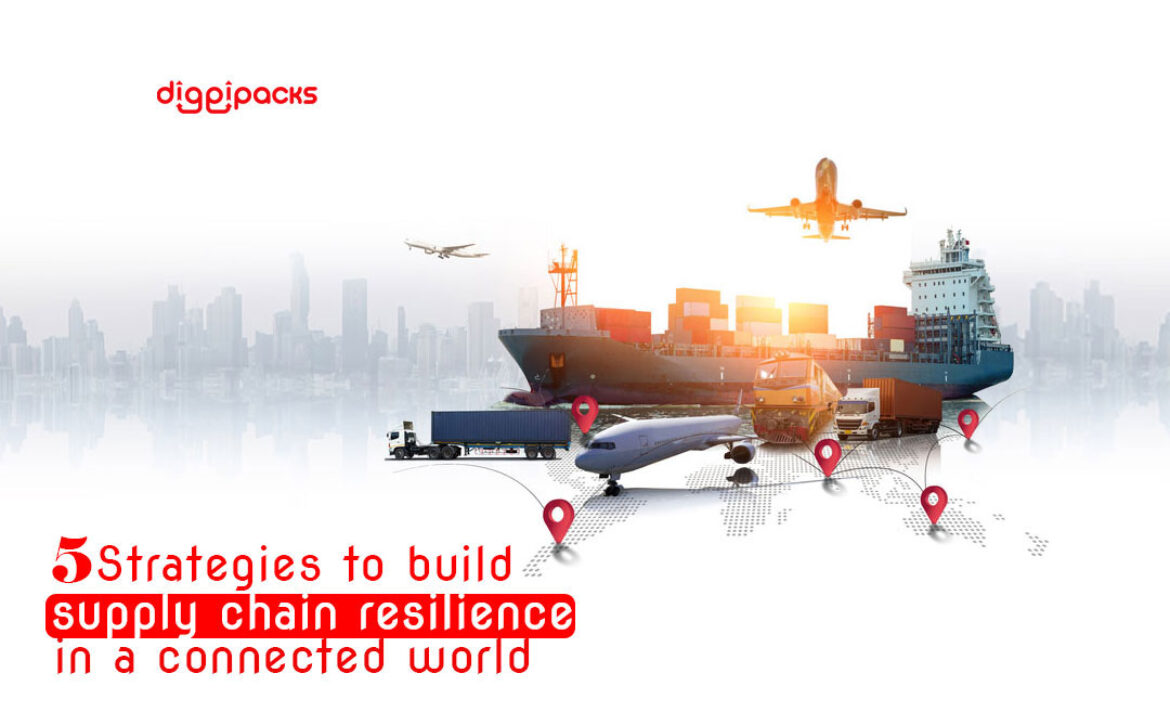
Supply chain resilience is a key component of business success. It refers to more than just an efficient supply chain network. The term also refers to a company’s ability to outperform anticipated threats and disruptions, besides the ability to recover quickly and efficiently, in this article we will show you 5 strategies to build Supply Chain Resilience in a Connected World.

What is supply chain resilience?

Before we start talking about the five strategies for building supply chain resilience in a connected world, we will first need to know what supply chain resilience is.

Supply chain resilience is the ability of the supply chain to anticipate and resist the unforeseen events, which result in supply chain disruption.

This is very important for e-commerce solutions ​companies, which need to establish a strong supply chain along with other plans and processes,

With the aim of satisfying customers, this ensures business continuity in light of unexpected disruptions.

5 strategies to build more resilient supply chains

Supply Chain Resilience

Now after we know what supply chain resilience is, we can talk about the five strategies for building supply chain resilience:

1. Distribute your inventory across multiple locations

The first strategy is to distribute your inventory to more than one warehouse, in order to face the possibility of any natural disaster or emergency event that prompts you to close your warehouse.

The main advantage of this is the ability to reach customers faster and thus expand customer reach, as well as speed up shipping time and reduce shipping costs.

If anything unexpected happens that prompts you to close your warehouse, you will fail to fulfill customer orders with more delays and delays that customers hate so much, which will affect your reliability and subsequently your revenue and profits.

2. Understand your data

The second strategy is related to understanding the data of your facility. Gaining a real-time view of your supply chain will help you build resilience in several ways, the most important of which are:

  • Better inventory control.
  • Enhanced ability to track supply chain performance.
  • Speed ​​up access to historical inventory and demand data.

By understanding the data well, you will be able to improve your inventory levels, by determining the amount of safety stock that you will be able to store, and this is very important if you know, especially that the buffer stock or safety stock can lead to a significant increase in costs.

So, you need to accurately plan the temporary stock levels, and in this case you can use the warehouse management system, which is one of the forms of modern technology, and you can also synchronize it with your inventory management software.

3. Partner with multiple suppliers

The third strategy is to partner with a number of suppliers, which will make you immune to risk, especially when the primary supplier cannot be delivered due to shortages or trade restrictions.

Therefore, the process of partnering with a different group of suppliers will help you greatly in reducing the risks resulting from lack of inventory, and thus avoid the problem of disrupting your supply chain.

This, in turn, will fulfill customer demand at any time, even if there is a shortage of e-commerce stock for example.

4. Leverage different carriers

The fourth strategy is to try to take advantage of different carriers, thus avoiding shipping delays, as by using multiple carriers, you have more flexibility in shipping.

You can turn to a third party to help you improve your shipping strategy without having to manage multiple partners yourself, which also saves you time, effort and money.

5. Rely on logistics experts

Fifth and final strategy, relying on logistic experts can help you build your supply chain’s resilience in an excellent way.

It is not just about providing a strong supply chain infrastructure, but also having a number of logistic experts will make a big difference.

These logistical experts will anticipate any potential disruptions, and thus the possibility of avoiding them before they occur, or plan ahead for them.

So you notice that there are a large number of companies, especially e-commerce companies cooperating with third party logistics (3PL).

Outsourcing your logistics has never been easier

Supply Chain Resilience

The process of outsourcing logistics has become easier than ever, due to the great advances in technology and the adoption of the highest level of technology by a large number of parties.

Diggipacks can provide you with the latest technology and technology that you will need for your online store, from syncing your store to being able to track and manage inventory and orders from your dashboard

[/et_pb_text][/et_pb_column][/et_pb_row][/et_pb_section]

Read More
admin يناير 11, 2026 0 Comments

Buffer Inventory: How it can make or break a Business

[et_pb_section fb_built=”1″ _builder_version=”3.22″][et_pb_row _builder_version=”3.25″ background_size=”initial” background_position=”top_left” background_repeat=”repeat”][et_pb_column type=”4_4″ _builder_version=”3.25″ custom_padding=”|||” custom_padding__hover=”|||”][et_pb_text _builder_version=”4.9.4″ background_size=”initial” background_position=”top_left” background_repeat=”repeat” hover_enabled=”0″ header_2_text_color=”#E02B20″ header_2_font_size=”24px” header_3_text_color=”#E02B20″ header_3_font_size=”24px” header_4_text_color=”#E02B20″ header_4_font_size=”24px” sticky_enabled=”0″]

Buffer inventory is one of the important things that helps you in maintaining high levels of customer service, as it is one of the essentials to face fluctuations in demand or future fluctuations in general, especially since delaying customer requests on time negatively affects customer satisfaction, and stock runs out suddenly or not. The ability to discharge inventory may incur more costs, and in this article we will talk about Buffer Inventory and how it can make or break a business.

What is buffer inventory?

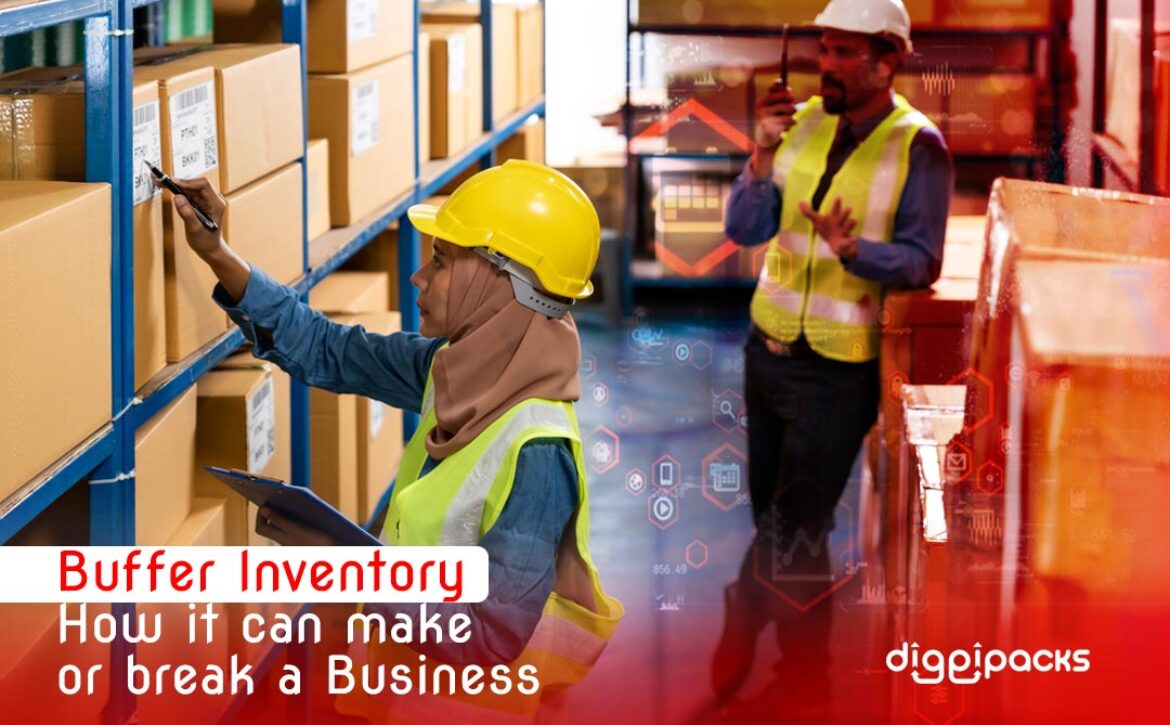
It is your surplus inventory, which is stored in warehouses for use in the event of an unexpected emergency, such as a supply chain failure, transportation delays, or a sudden increase in demand.

It can also be defined as the limit within which the inventory of any item must not be less than this level, thus avoiding any other costs, such as the costs of running out of stock and the opportunity cost and other costs that the institution can control by providing the necessary solution from the inventory.

*Noting that this does not negate that “the quantity of safety stock should be reduced to the least possible because in reality it represents idle capital.

Buffer inventory vs. safety stock

Buffer inventory

In fact, the two terms are used interchangeably, both of which refer to the additional stock that resides in the warehouses of a facility, as a reserve in case of unexpected changes in supply or demand.

There are some who believe that ‘buffer inventory’ refers to the stock that is provided specifically for cases of unexpected increase in demand for a particular product, while the term ‘safety stock’ refers to the amount of inventory held in the event of any delays from the supplier itself.

But in general, both terms Buffer inventory & safety stock serve almost the same purpose, as their objective is to ensure business continuity with sufficient inventory to meet and fulfill orders in the agreed time.

Why you need to keep buffer inventory

You may be wondering why you might need to keep a buffer inventory. Quite simply, buffer inventory is very important, especially since inventory forecasting is never 100% accurate.

Therefore, buffer inventory helps you reduce inventory costs while also avoiding any delays in fulfilling customer orders and shipping.

Therefore, a buffer inventory is a contingency plan that helps you prepare for any unexpected events on the job.

How to calculate buffer inventory levels

After we have defined what is meant by buffer inventory, we will now need to know how to calculate buffer inventory levels. In general, your buffer inventory depends on a number of factors. There is no one buffer inventory size that fits all, and this means that you will need to do some calculations in order to arrive at the amount or your appropriate buffer inventory.

There is more than one way to calculate the right buffer inventory levels for you, and getting the right buffer inventory level is essential so that you can improve storage and ensure orders are executed on time, and thus customer satisfaction.

In order to calculate the appropriate buffer inventory level, you need to determine a number of things first and then use the appropriate mathematical formula. These things are:

  • Average daily usage.
  • Average lead time.
  • Maximum daily usage.
  • Maximum lead time.

After accessing the data that we mentioned in the previous points, you can now use this formula to find the optimal buffer inventory level:

  • (Maximum daily sales*Maximum lead time) – (Average daily usage * average lead time)

Simplifying your inventory management

Buffer inventory

Warehouse management is not an easy task, but rather it requires a great deal of work and effort in order to manage the stores efficiently and effectively.

And when your business begins to grow and expand, you will start thinking about how you can simplify your inventory management, and here are some ways that can help you in simplifying inventory management.

1. Use of inventory management software

You can actually simplify your inventory management through the use of technology thus saving a lot of time and effort as well as money as well.

Inventory management software can help you track and manage inventory from multiple channels in real time, and there are a variety of inventory management software to help you analyze trends in your past orders.

It can also show you the entire inventory data, thus helping you to make the best decisions, and ultimately, all orders will be fulfilled on time and costs will be reduced.

2. Hire logistic experts

Partnerships with logistics experts can also help you simplify your inventory management, especially as they are experienced in the field and thus help you improve inventory levels while spending less time on logistics.

3. Outsource to a 3PL

Also, instead of using inventory management software or hiring logistics experts, you can also outsource a 3PL especially since supply chain management is a time consuming process.

This can help you improve inventory management as well as warehousing; order 3pl fulfillment and shipping on time, and this will save you a lot of effort, time and money as well.

[/et_pb_text][/et_pb_column][/et_pb_row][/et_pb_section]

Read More
admin يناير 11, 2026 0 Comments

Distribution Center Benefits and Key Processes Explained

[et_pb_section fb_built=”1″ _builder_version=”3.22″][et_pb_row _builder_version=”3.25″ background_size=”initial” background_position=”top_left” background_repeat=”repeat”][et_pb_column type=”4_4″ _builder_version=”3.25″ custom_padding=”|||” custom_padding__hover=”|||”][et_pb_text _builder_version=”4.9.4″ background_size=”initial” background_position=”top_left” background_repeat=”repeat” hover_enabled=”0″ header_2_text_color=”#E02B20″ header_2_font_size=”24px” header_3_text_color=”#E02B20″ header_3_font_size=”24px” header_4_font_size=”24px” header_4_text_color=”#E02B20″ sticky_enabled=”0″]

E-commerce depends on distribution centers, and in fact, businesses of all kinds need more than storage warehouses. In order for companies to compete with other brands in the market, they will also need a number of other ingredients and advantages, on top of which is experience as well as technology, hence the need for centers Distribution, which will be the alternative to traditional warehouses, especially since distribution centers provide their users with a strong infrastructure to fulfill all orders, which e-stores are looking for, where speed and accuracy in shipping orders as well as trying to reduce costs as much as possible, and in this article we will show you everything You want to know about distribution centers and their most important benefits and operations that you can benefit from.

What is a distribution center?

Before we start talking about the huge advantages that distribution centers can provide to you, we will first need to know what distribution centers are, and distribution centers are defined as:

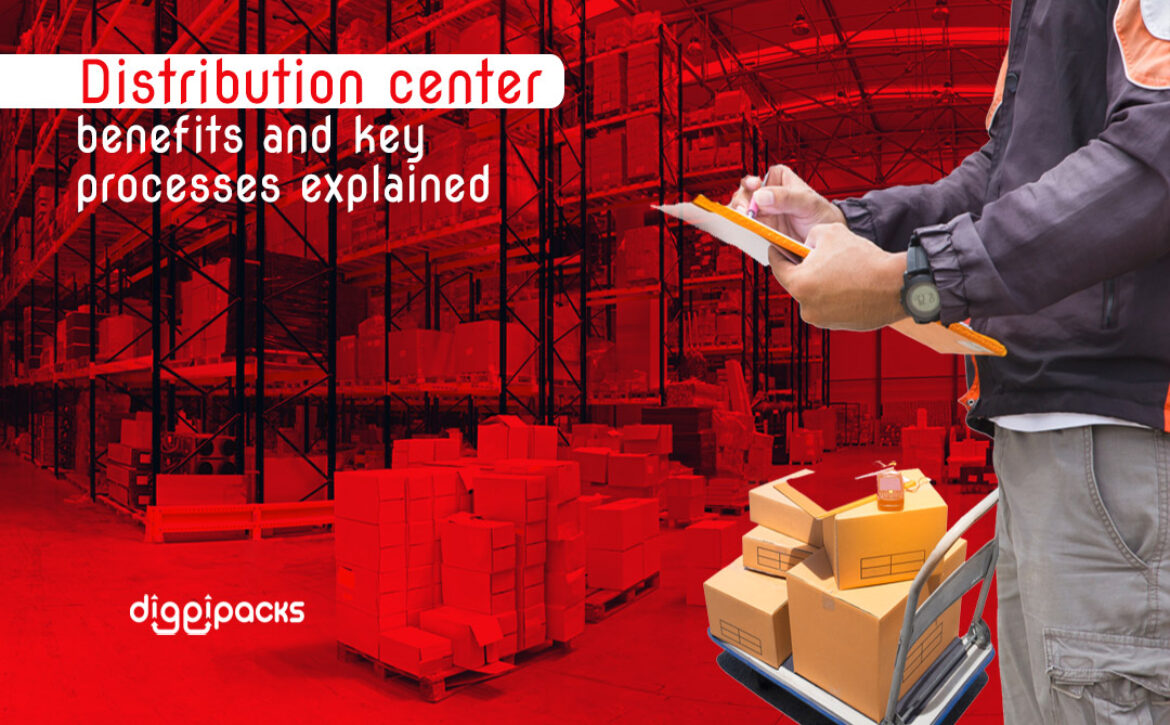
The warehouses specialized in storing ready-made items in a simplified strategy, starting from facilitating the picking and packing processes, all the way to shipping items to the destination final.

The term distribution center is often used interchangeably with the term 3pl fulfillment center. Distribution centers also carry out the task of executing orders and other services that result in added value.

What are the differences between a distribution center and a warehouse?

distribution centers

There is a common mistake where a large number of people confuse the concepts of “distribution center” and “warehouses”,

But in fact there are differences between them, and the following are 4 differences between distribution center and warehouses:

1. Storage management

Warehouses are limited to storing items inside; as they are like a huge building with a number of shelves to store items in.

Distribution centers have a greater degree of flexibility, as they are operated by third-party logistics companies (3PL), which specialize in providing a number of innovative warehousing solutions that can reduce many of the non-essential costs,

It will also help you in optimizing the use of space, in addition to the fact that distribution centers simplify the process of shipping orders to customers, executing orders more efficiently.

2. Customer-centric processes

The second and also important difference is that warehouses in fact only provide customers with storage space, and make you pay for that space, so they do not provide any value-added services.

But distribution centers give you more, as they not only provide you with a warehousing service, but also help you improve your supply chain, in addition to providing a number of other services, such as direct shipping orders to customers.

Distribution centers provide their users with superior infrastructure and technology that provides you with best practices, helping you reduce costs and time, by taking care of logistical tasks that can make you take longer.

3. Shipping workflows

The third difference is that warehouses often cannot provide you with shipping solutions or services, that is, the warehouse is only to store your items or inventory, but if you want shipping services to customers, you must arrange the matter yourself.

This is in contrast to distribution centers that can take over the task of shipping operations to customers as well, in addition to the storage service,

Especially since distribution centers can integrate directly with e-commerce platforms, automatically sending orders to the nearest distribution center and then automatically picking and filling.

4. In-house processes

As for the fourth and final difference, warehouses lack in-house processes, as they are contained only for storing items in them.

This means that warehouses cannot help you save on storage costs or suggest, for example, some ways that you can improve your supply chain.

However, distribution centers address this point, as they focus on the accuracy and speed of orders as well as efficiency in execution by relying on modern technology, and thus providing the best ways to improve implementation processes continuously.

What are the essential distribution center processes?

After we got acquainted with the concept of distribution centers and the most prominent differences between them and traditional warehouses, we will now show you the most important basic distribution center operations,

Distribution centers in general are designed to process orders very quickly and accurately, and then ship them efficiently. The basic distribution center operations are described in some detail:

1. Receiving and storing stock

Distribution centers receive inventory and store it, after unloading and checking it well. Distribution centers provide you with easier, more effective and efficient inventory management, in addition to saving costs as much as possible.

2. Picking and Packing

Centers of Distribution improve picking and packing processes, because they are technology-enabled as technologies such as warehouse management systems are used, thus achieving more efficient workflow through improved speed and order accuracy.

3. Restocking

One of the major Center of Distribution operations is restocking, which helps you verify that you have sufficient inventory and are ready to run through.

Centers of Distribution offer you to avoid excess or shortage stock, through modern technologies such as inventory management software and various automation tools.

4. Returns Management

One of the most important operations of the major Centers of Distribution is return management.

Centers of Distribution provides you with excellent returns management, which helps in achieving customer satisfaction as well as significantly reducing logistics costs.

How diggipacks Centers of Distribution benefit ecommerce stores

distribution centers

Diggipacks technology is designed with the highest standards to serve customers better, through the modern technology that it follows, in addition to designing special applications for each customer as well as the customer control panel,

Giving customers the ability to follow up on the latest updates and reports anywhere or anytime, Diggipacks can also help you improve fulfillment and shipping. Below are a number of other services that Diggipacks can provide you with.

you may like:

What Online Retailers need to know about 5PL

Process returns quickly 

Returns to Inventory are a key feature of Diggipacks technology. As Diggipacks converts your online store revenue into a positive experience for you or your customer by quickly processing returned shipments to ensure customers get their refund as quickly as possible.

Same day processing of orders

All orders are processed and sent to shipping companies on the same day of the order, maximum at 1:00 pm of each working day,

Which means even if your order has been entered on Diggipacks systems at 12:58 pm Diggipacks will prepare it and send it to the shipping companies without any delay.

Automated API Integration

Diggipacks systems are connected directly with your website using one of your linking tools to be able to send requests to us automatically.

Once the order is made through your customers, you are not required to write to us or send your requests in excel.

Diggipacks systems are designed to send requests directly to our partners and prepare them as quickly as possible and Deliver it to your customers

Integration with other platforms

You can now integrate using our system with any e-commerce platform within 15 minutes using:

  • Magento.
  • OpenCart.
  • Shopify.
  • WordPress.

[/et_pb_text][/et_pb_column][/et_pb_row][/et_pb_section]

Read More
admin يناير 11, 2026 0 Comments

Order Management and Order Processing: Why they’re so important for Business

[et_pb_section fb_built=”1″ _builder_version=”4.16″ global_colors_info=”{}”][et_pb_row _builder_version=”4.16″ background_size=”initial” background_position=”top_left” background_repeat=”repeat” global_colors_info=”{}”][et_pb_column type=”4_4″ _builder_version=”4.16″ custom_padding=”|||” global_colors_info=”{}” custom_padding__hover=”|||”][et_pb_text _builder_version=”4.17.4″ header_2_text_color=”#E02B20″ header_2_font_size=”24px” header_3_text_color=”#E02B20″ header_3_font_size=”24px” header_4_text_color=”#E02B20″ header_4_font_size=”24px” background_size=”initial” background_position=”top_left” background_repeat=”repeat” hover_enabled=”0″ global_colors_info=”{}” sticky_enabled=”0″]

Advances in technology have helped create effective solutions to deal with inventory and therefore limited opportunities for error, there is great importance to an order management system, as an order management system provides an overview of your inventory and helps you keep track of what is consumed, providing you with the information you will need to create insights on how to deal efficiently with Your money by highlighting the loopholes in your system and where you are losing money, and in this article we will show you Order Management and Order Processing, and why they are important to your business.

What is order management?

Order management is the process that organizes the delivery of orders to customers as well as the process of implementing and cargo tracking those orders.

Order management begins from the placement of the order until the customer receives his order successfully.

This process is large, so if you have a large business, you need to simplify the order management process by automating it, and thus save more effort resulting from the large number of incoming orders.

What is an order management system?

order management

It is the system that provides you with an integrated store, where the ability to view and manage all customer orders in the same place, and some order management systems are equipped with bi-directional synchronization.

This two-way synchronization will assist you in ordering between your order management system and your e-commerce system, thus providing a complete view of the order passing process.

Order management systems have helped to automate the flow of sales order information to every part of the retail supply chain.

Thus, you can now track the customer’s order process from the beginning until the customer receives his order, even if there is a retrieval process that you will be able to follow.

What is order processing?

After we know what an order management system is, you will also need to know what order processing is, quite simply, the process by which the work flow is from placement of order to delivery.

In fact, order processing is one of the key elements in retail order fulfillment, which entails accuracy and reliability, and thus increases customer confidence.

The order processing can take one of two forms:

  • Manual processes
  • Highly technological and data-driven processes

The order processing goes through a number of basic steps, namely:

  • Picking up.
  • Sorting.
  • Tracking.
  • Shipping

Why your business needs accurate order management

In a small business, you may not need to strictly manage your orders, but when your business expands,

And the orders start to grow exponentially; you will need accurate order management in your business.

Here are a number of advantages that order management can provide to you in your business:

1. Reduce errors fulfilling orders

Order fulfillment errors occur when orders increase dramatically, as you find that you are bombarded with messages from customers inquiring about the status of their orders,

Along with a large number of complaints about delays in delivery times, these customers can even request a refund and cancel the order.

But with an order management system, you avoid that problem from the beginning, as automated systems help you completely reduce human errors,

Thus avoiding the problems of wrong delivery or delayed shipments.

diggitrack

2. Avoid under and over stocking situations

When the stock is less than what is required or more than what is required, this can cause you a lot of problems, on top of which is an increase in costs,

As well as problems in meeting customers’ orders and thus losing a percentage of customers.

But an order management system can help you avoid these issues from the start, as it provides you with an accurate view of seasonal trends in stock levels.

3. Reduce wasted time

Perhaps one of the most important advantages of order management systems is that they save time greatly, as these systems perform many tasks with great accuracy,

That saves your time and allows you to use it in other businesses to expand your business or develop your brand.

4. Providing the necessary information to make the right decisions

Unstructured data is difficult to understand and therefore difficult to benefit from, and data is the most important element for decision makers,

So it must be reliable and organized to make appropriate decisions.

This is what order management systems allow you to do, as you provide all your data and sales orders in one place,

Thus making it easier to analyze the available information and make appropriate decisions.

This will eventually lead to supply chain improvements, along with reduced shipping costs and faster delivery, thus positively impacting profits.

The order management cycle

order management

Now it’s time to introduce the order management cycle, which is an integrated process, starting with the customer’s purchase of a product, and continuing through to delivery and sometimes returns.

Operations management goes through a number of stages, which can be controlled by more than one party, in order to provide an integrated experience for customers, and the following is the order management cycle:

1. Order placed

Customers’ requests are from different places and at different times as well, and therefore you need a specific tool to implement that process for you,

It collects the order and shipping details for you as well as the delivery address, and then puts it into the order management system.

2. Order received

The second stage is receiving requests, and then all information related to those requests is passed to the 3pl fulfillment centers to process the request, which helps reduce delivery time as well as costs.

3. Order is picked

The third stage is to pick up orders from the available stock and then deliver them to the packing moment, and here the role of warehouse management appears, which can greatly affect the way the inventory is arranged to be delivered in time.

4. Order is packaged

After selecting the customers’ requests, those requests are now packaged, and the packaging department fills those requests in a way that reduces the weight of the dimensions, in addition to choosing the packaging method that provides the greatest protection for customers’ requests as well.

5. Order ships

Here comes the stage of shipping orders to customers. After the orders are properly packaged, they are prepared for shipment, with a tracking number assigned to the orders and shared with the customer so that he can follow up on the status of their orders during the trip. This provides them with a measure of confidence and comfort.

6. Item delivered

Finally, the orders are delivered to the end customers, noting that effective order management will help you deliver the correct orders on time without any errors.

[/et_pb_text][/et_pb_column][/et_pb_row][/et_pb_section]

Read More
admin يناير 11, 2026 0 Comments

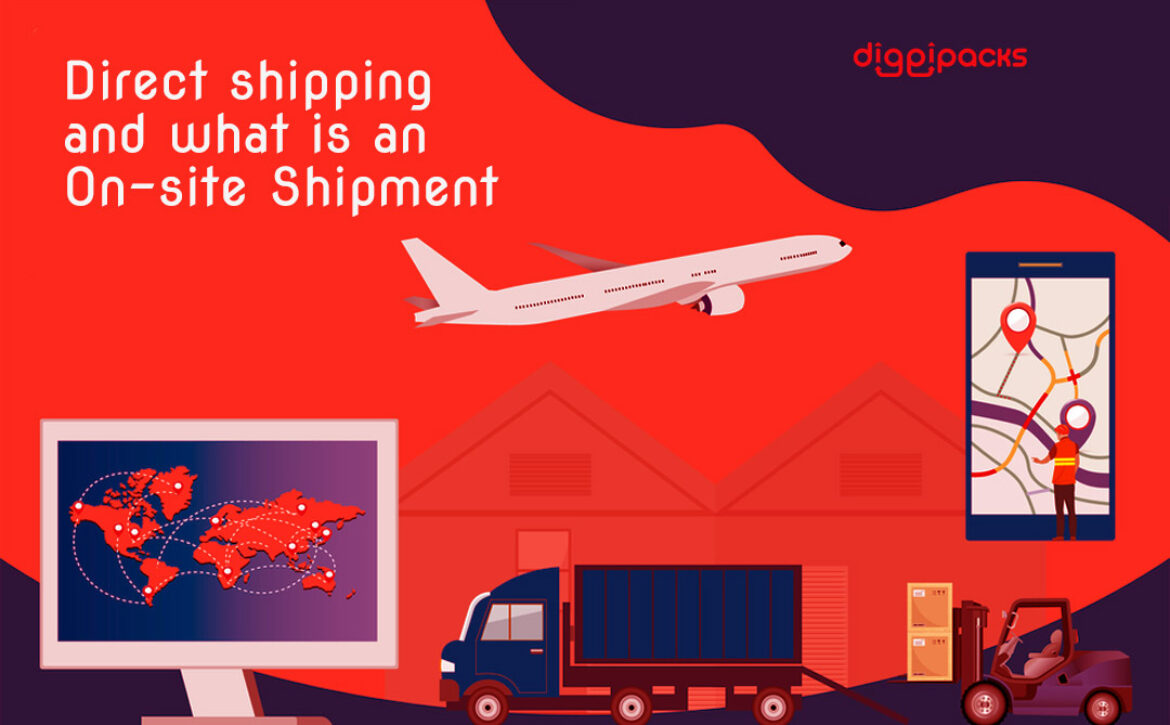
Direct Shipping and what is an On-site Shipment?

[et_pb_section fb_built=”1″ _builder_version=”4.16″ global_colors_info=”{}”][et_pb_row _builder_version=”4.16″ background_size=”initial” background_position=”top_left” background_repeat=”repeat” global_colors_info=”{}”][et_pb_column type=”4_4″ _builder_version=”4.16″ custom_padding=”|||” global_colors_info=”{}” custom_padding__hover=”|||”][et_pb_text _builder_version=”4.17.4″ header_2_text_color=”#E02B20″ header_2_font_size=”24px” header_3_text_color=”#E02B20″ header_3_font_size=”24px” header_4_text_color=”#E02B20″ header_4_font_size=”24px” background_size=”initial” background_position=”top_left” background_repeat=”repeat” hover_enabled=”0″ global_colors_info=”{}” sticky_enabled=”0″]

Shipping different items or goods is full of different methods and terms, and one of the most important terms related to shipping is direct shipping and transshipment, and there is a big difference between each of them, and each method has a number of advantages that the other method does not provide, along with a number of disadvantages as well, and in This article will show you everything you need to know about direct shipping and transshipment, as well as what is the most appropriate shipping method between them and what are the factors for choosing the appropriate method.

What is Direct Shipment?

It means that the ordered items are shipped from start to finish through a direct route, which means that those items are transported directly from the port of origin to the port of destination.

Or in other words, direct freight means that the ship transporting the goods does not need to stop at any intermediate ports to unload its cargo, but rather moves directly to the final destination. Have you heard about Cargo Tracking ?

What is Transshipment?

It is not the same as Direct Shipment; it is a shipping method, in which items are shipped to an intermediate destination first before being shipped to the final destination,

Meaning that the ship that transports the items can unload those items or goods they are carrying through an intermediate port.

Usually, this method is used when the first method, direct shipment, is not available

Direct Shipment vs. Transshipment

Direct shipping

There are a number of differences between direct shipping and transshipment, and here are the main differences between them:

  • Direct shipping does not use any intermediate ports, but rather transports the required items directly to the final destination,
  • As for the transshipment, it uses the intermediate ports before transporting the items to the final destination, and the following are the most prominent differences:
  • Direct shipping reduces the time taken in transit, because there is no need to unload the cargo in an intermediate port, while Transhipment takes longer in transit due to the unloading and loading operations that take place while using an intermediate port.
  • By using the direct shipping method, the risk of delay is avoided, as the shipment moves from the starting point to its final destination without using intermediate ports,
  • Unlike transshipment, where this method is more prone to the risk of delay due to the additional time it takes to unload the cargo at an intermediate port. Diggipacks provides you with track shipment.

diggitrack

Which Shipping Method Should I Use?

After we got to know both direct shipping and Transhipment and the most prominent differences between them, you may now be wondering, what is the appropriate method that I can choose while shipping goods?

In fact, the answer to this question depends on the nature of the shipment, as well as your capabilities, as:

  • Direct shipping method is most suitable if you want to ship the goods urgently i.e. you don’t want any delays, and also if you can afford direct shipping cost, because usually direct shipping is more expensive than transshipment.
  • If you want a less expensive option, Transhipment is the most suitable for you, and it will also be suitable if you do not want to ship the goods urgently, or there is no other shipping method available other than transshipment, of course you will use it.

What are the benefits of direct shipping over transshipments?

Direct shipping

There are a number of benefits offered by the direct shipping logistics, as:

1. Avoid any potential delays

As we talked about, the direct shipping method transports items from the starting point to the final destination without using any intermediate ports,

And therefore there is no time lost in the event of crowding of intermediate ports or during unloading and loading operations.

2. Save time

The direct shipping method also has the advantage of reducing transit time, because there is no need to use intermediate ports to unload the cargo in the middle of the shipping journey.

When should I use Transhipment to transport my cargo?

Here are a number of factors that indicate that you should use Transhipment method to transport goods:

1. If you want an affordable option

The direct shipping method is more expensive, so if you want an affordable and budget-friendly shipping method, then of course Transhipment is right for you.

2. If there is no direct path available

Sometimes you will need to use the Transhipment method if there are no other direct routes available, in many cases there are no direct routes especially if the desired destinations are far apart.

3. If you want to avoid customs duties and import duties

One of the most important advantages of the Transhipment method is that it is less expensive and helps avoid paying some tariffs and import duties.

What different documents are required if the shipment is not direct but transshipment?

Direct shipping

As for the documents required in the case of transshipments, they are exactly the same as those required in the case of direct shipments.

There is no difference between them; you only need to submit the documents you need at the destination. The following are the most important documents required:

  • Commercial Invoice.
  • Packing List.
  • Packing Declaration.
  • Certificate of Origin.
  • General Declarations.

[/et_pb_text][/et_pb_column][/et_pb_row][/et_pb_section]

Read More
admin يناير 11, 2026 0 Comments