ديجيباكس تغيّرت… وأصبحت Fastcoo Network by Diggipacks — اكتشف النموذج الجديد 🚀 التفاصيل ←

Category: الحلول التقنية

Tips to empowering suppliers and Reap the Rewards

[et_pb_section fb_built=”1″ _builder_version=”3.22″][et_pb_row _builder_version=”3.25″ background_size=”initial” background_position=”top_left” background_repeat=”repeat”][et_pb_column type=”4_4″ _builder_version=”3.25″ custom_padding=”|||” custom_padding__hover=”|||”][et_pb_text _builder_version=”4.9.4″ background_size=”initial” background_position=”top_left” background_repeat=”repeat” hover_enabled=”0″ sticky_enabled=”0″ header_2_text_color=”#E02B20″ header_2_font_size=”27px” header_3_text_color=”#E02B20″ header_3_font_size=”27px”]

There is great importance for empowering suppliers as empowering suppliers can help in overcoming many problems and achieve a huge number of benefits, and empowering suppliers improves efficiency significantly. This is due to their great understanding of the business processes and the needs of the buyer, thus helping to improve the integration of financial operations in the company, and this will lead to the continuous improvement of the company, and in this article, we will show you all the details about empowering suppliers.

Empowering Suppliers definition

Empowering suppliers is to make a B-BBEE compliant entity that is required to meet three key criteria including recognition of B-BBEE’s purchases as a percentage of total purchases.

Therefore, we can say that empowering suppliers are BBBEE compliant entities or institutions that must meet all the regulatory requirements of the country which we will present next.

How to improve empowering suppliers in your organization?

Empowering Suppliers

As we mentioned in the introduction, empowering suppliers achieves many advantages and benefits.

Here are a number of tips that will help you empower your suppliers and reap a lot of benefits:

1. Extend Payments

One tip that will help you empower your suppliers is to be responsible when extending digital payments, as this will help you avoid putting pressure on the supplier’s working capital.

Thus, not forcing them to obtain loans with high interest rates and avoiding the problem of the cash flow gap, and this will help the supplier to connect to cash faster with the payment of a percentage of the transaction.

And thus reduce the daily sales of the supplier while extending the payment days due to the buyer; this is convenient for all parties.

2. Take advantage of discount opportunities

It is one of the most important tips in empowering suppliers, as buyers who have sufficient working capital can make great returns on their money by taking advantage of early payment discounts.

This will increase the liquidity of the supplier, thus strengthening the supply chain resilience, and there are two common models of discount opportunities, namely:

  • Early payment discounts.
  • Dynamic discounting.

3. Take advantage of supplier portal

Empowering suppliers in your organization can be improved through the supplier portal, which helps create more efficient flows of communication between the supplier and the buyer.

The supplier portal also allows access to real-time data and thus greater visibility into billing and payment processes, and thus greater management of their cash.

What Qualifies an Entity as an “Empowering Supplier”?

Empowering Suppliers

There are a number of matters that indicate that an entity or a particular institution is considered as empowering suppliers.

The following are the most important requirements that indicate that the entity fulfills the empowering suppliers:

  • Availability of 1, 4, 8 or more on the BEE scorecard.
  • That the entity be a valid corporate citizen, i.e. in compliance with all South African laws and related regulatory requirements, which include taxation, occupational health and safety, employment equity and skills development.
  • The entity fulfills one or 3 of the following criteria, and this requirement is one of the most difficult demand management of empowering suppliers, and the following are those requirements:
    • Entity expenditure of at least 25% of cost of sales, excluding labor and depreciation costs, in South Africa.
    • Create at least 50% of jobs for blacks.
    • There is at least 25% local transfer of raw materials.
    • Allocate at least 12 days annually to help improve the operational and financial capabilities of beneficiaries from black and emerging markets.
    • Pay 85% of South African labor costs, and this is for the service industry only.
[/et_pb_text][/et_pb_column][/et_pb_row][/et_pb_section]

Read More
admin يناير 11, 2026 0 Comments

Reduce losses with the incoming inventory solutions

[et_pb_section fb_built=”1″ _builder_version=”3.22″ global_colors_info=”{}”][et_pb_row _builder_version=”3.25″ background_size=”initial” background_position=”top_left” background_repeat=”repeat” global_colors_info=”{}”][et_pb_column type=”4_4″ _builder_version=”3.25″ custom_padding=”|||” global_colors_info=”{}” custom_padding__hover=”|||”][et_pb_text _builder_version=”4.14.8″ background_size=”initial” background_position=”top_left” background_repeat=”repeat” hover_enabled=”0″ global_colors_info=”{}” header_2_text_color=”#E02B20″ header_2_font_size=”27px” header_3_text_color=”#E02B20″ header_3_font_size=”27px” header_4_text_color=”#E02B20″ header_4_font_size=”27px” sticky_enabled=”0″]

Incoming inventory effectively helps you reduce your costs, because it is one of the best ways to manage inventory and improve incoming receipts as well. It helps you check the availability of required materials and thus reduce your inventory costs while enhancing and simplifying the production process. In this article, we will show you all the details about the incoming inventory as well as your inventory and how you can benefit from it in your online store.

What is Incoming inventory?

Before we start rolling out smart incoming inventory control solutions and how you can take advantage of them in your business to reduce your losses, we will first need to know what it is.

Incoming inventory is the purchase orders you have obtained that will be withdrawn from your inventory, it can help reduce inventory costs and simplify production.

Incoming inventory report 

is an important form of reporting in an online store or store, the purpose of which is to show what active purchase orders have been received for your online store or company during a certain period of time.

There are also a number of smart programs responsible for preparing the Incoming inventory report efficiently and accurately, so that it is ready to be viewed directly, which helps you in making better decisions.

It also consists of a number of columns, and each column has its own significance that you must be familiar with to understand the report, as:

  • Product variant.
  • Date and time (in UTC).
  • Received on (when the order line was received).
  • Purchase Order.
  • Quantity ordered.
  • Price (in your base currency).
  • Discount level for this order line item (%).
  • Supplier (for which the purchase order is issued to).

Incoming Inventory Transfers

incoming inventory

is the stock that another store in your organization sends to you to fulfill your orders in the event that this stock is not currently available to you.

In order management to avoid wasting inventory as well as reduce costs for your organization, always try not to receive Incoming Inventory Transfers from any institution until you verify that you do not have this inventory.

Thus, you need to know the orders you need and whether they are available to you or not by following the actual stock level in your organization, and if it is not enough to meet your request, then you can start receiving Incoming Inventory Transfers without any problems.

The incoming inventory solution

In general, smart solutions play a major role in improving and simplifying operations further, and they have an effective role in reducing errors, and all of this in turn leads to a significant reduction in costs.

There are many smart incoming inventory solutions that streamline processes, eliminate manufacturing issues and better fulfill orders.

Also, through this solution, it is possible to improve the quality of these processes, which positively affects the reduction of costs and simplifies the production processes, through the available tools that allow full control.

[/et_pb_text][/et_pb_column][/et_pb_row][/et_pb_section]

Read More
admin يناير 11, 2026 0 Comments

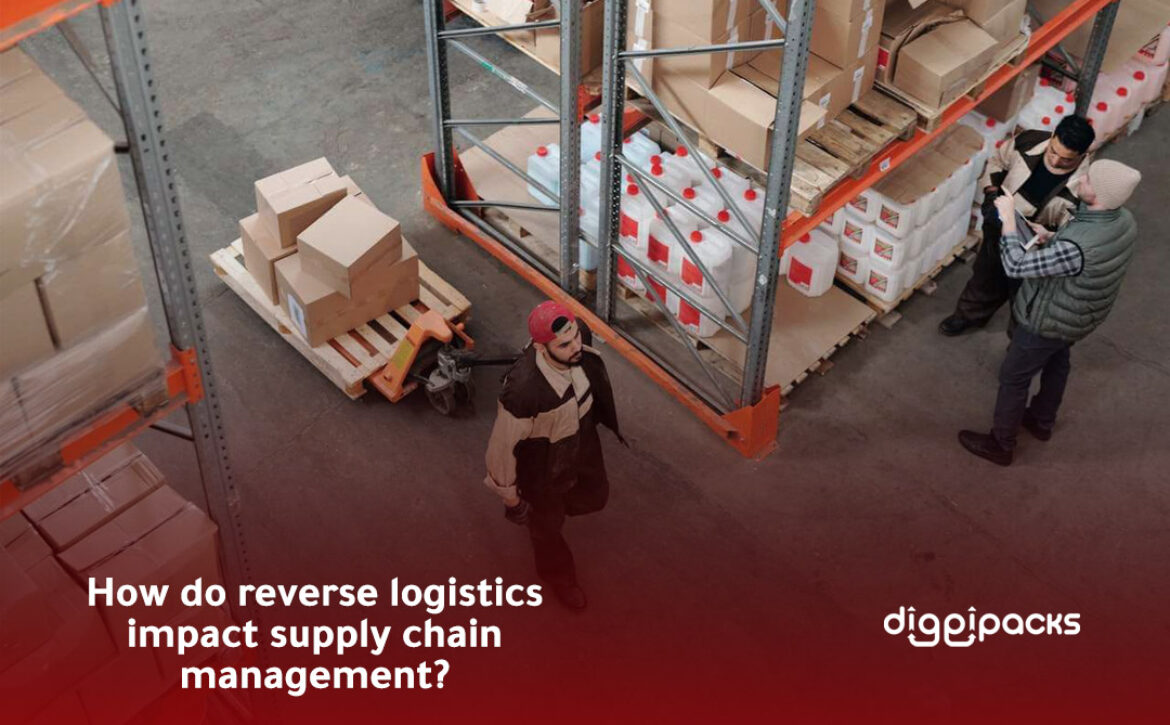
How Do Reverse Logistics Impact Supply Chain Management? 

[et_pb_section fb_built=”1″ _builder_version=”3.22″ global_colors_info=”{}”][et_pb_row _builder_version=”3.25″ background_size=”initial” background_position=”top_left” background_repeat=”repeat” global_colors_info=”{}”][et_pb_column type=”4_4″ _builder_version=”3.25″ custom_padding=”|||” global_colors_info=”{}” custom_padding__hover=”|||”][et_pb_text _builder_version=”4.14.8″ background_size=”initial” background_position=”top_left” background_repeat=”repeat” hover_enabled=”0″ global_colors_info=”{}” header_2_text_color=”#E02B20″ header_2_font_size=”27px” header_3_text_color=”#E02B20″ header_3_font_size=”27px” header_4_text_color=”#E02B20″ header_4_font_size=”27px” sticky_enabled=”0″]

Reverse logistics is one of the most important operations, which involves moving products back through the supply chain, it specializes in taking back products from customers and reformulating those products or parts of them to create a new product that can be sold, and it  has many advantages that may positively affect the There are two main aspects to that process, returns management and refurbishment or remanufacturing, and in this article we will show you all the details about reverse logistics and how it affects your business.

What Is Reverse Logistics?

Before we get to know the nature of the work of reverse logistics, we will first need to define it to know what it is intended for.

We can define it as the value-added process that deals with how the company receives items from customers.

How Reverse Logistics Works

Reverse Logistics

As for how it works, the most common scenario in which reverse logistics plays out is when a customer wants to return an item.

The process of how a company handles this product is an example of reverse logistics. it can operate in many different ways depending on the specifics of the business.

However, in almost all cases the process can be largely divided into two parts:

  • Return management includes the process of actually managing the products that are returned to the company.
  • Recycling is an aspect that makes a returned or recycled product ready to hit shelves again and be sold again.

Importance of Reverse Logistics to Your Business

Reverse logistics effectively helps in maintaining the flow of your goods more effectively, and this will pay off greatly in many important aspects of your business, the most important of which are:

  • Reduce your costs.
  • Risk reduction.
  • Complete the product life cycle appropriately.

And it effectively helps in maintaining the flow of your goods more effectively, and this will pay off greatly in many important aspects of your business, the most important of which are:

  • Reduce your costs.
  • Risk reduction.
  • Complete the product life cycle appropriately.
  • Strengthen the revenue stream in your business.
  • Facilitate the customer experience process.
  • Improve the customer experience with your company.

Reverse logistics is also linked to some degree to the sustainable economy, in which companies find other ways to create new uses for products through recycling.

Benefits of Optimized Reverse Logistics

There is great importance to improving reverse logistics, as it gives the product a lot of financial benefits, which helps you save a lot of money as well as retain customers.

With the data that you get from your customers after the delivery options, you will be able to gain insight into your organization’s supply chain, which will improve products and your customers’ experience.

In addition to providing a better view of the supply chain, there are other advantages offered, the most important of which are:

  • Increase in customer satisfaction with the services provided.
  • Providing better and faster services.
  • Enhance customers’ sense of your brand.
  • Significantly increase sustainability.
  • Maintaining clients.
  • Significantly reduce costs.
  • Reduce your losses by increasing your returns.

How Do Reverse Logistics Impact Supply Chain Management?

Reverse logistics greatly affects the management of the supply chain. Although it can help improve the supply chain, at the same time it can contribute to increasing its costs.

This will obviously hurt your profitability, as you will direct the additional revenue to cover higher supply chain costs.

Therefore the influence between it and supply chain management is very sensitive.

Monitoring Reverse Logistics in Your Supply Chain

Reverse Logistics

Due to the great influence between reverse logistics and the supply chain, there is great importance to monitor it in the supply chain.

This is in order to find the best way to process the products, so that the company can eventually achieve the desired delivery targets.

This is due to the huge amount of information available on the ways that goods move back and forth through the supply chain.

All companies aim to deliver orders on time to provide the utmost perfection in the delivery process, in terms of time, place, condition, etc.

The only way to achieve this is to monitor the data properly, and it helps you optimize your ordering process.

Manage Reverse Logistics with Warehouse Management Software

Warehouse management software helps you manage incoming and outgoing logistics services, including reverse,

And because reverse logistics is essential to maintaining the reputation of your business, it is very important to use a warehouse management system (WMS).

In addition, a warehouse management system (WMS) will help you provide many advantages:

  • Managing incoming and outgoing logistics.
  • Deliver real-time analytics.
  • Providing insights across transportation and logistics providers.
  • Integrate the obtained information with the financial statements in the Enterprise Resource Planning (ERP) system.
  • Easily track returns.
  • Availability to monitor the movement of goods.
  • Issuing credits through the accounting system and updating everything in the client’s record.

Therefore, we find that all companies are particularly interested in their logistics services, because they know that these revenues are one of the main sources of expenses.

Also, assessing the reverse logistics processes in your business will give you the ability to identify deficiencies, as well as help you address them.

Which will ultimately pay off to enhance the bottom line, visibly reducing your costs as well as increasing customer loyalty and raising your brand reputation.

[/et_pb_text][/et_pb_column][/et_pb_row][/et_pb_section]

Read More
admin يناير 11, 2026 0 Comments

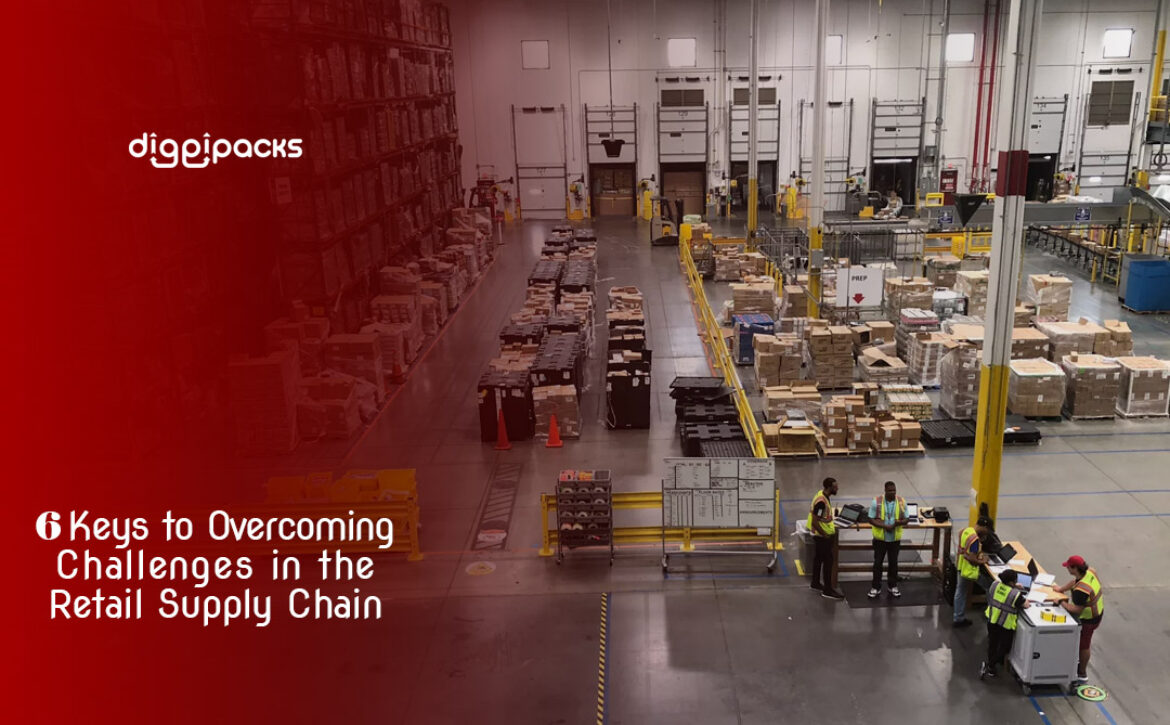
6 Keys to Overcoming Challenges in the Retail Supply Chain

[et_pb_section fb_built=”1″ _builder_version=”3.22″ global_colors_info=”{}”][et_pb_row _builder_version=”3.25″ background_size=”initial” background_position=”top_left” background_repeat=”repeat” global_colors_info=”{}”][et_pb_column type=”4_4″ _builder_version=”3.25″ custom_padding=”|||” global_colors_info=”{}” custom_padding__hover=”|||”][et_pb_text _builder_version=”4.14.8″ background_size=”initial” background_position=”top_left” background_repeat=”repeat” hover_enabled=”0″ global_colors_info=”{}” header_2_text_color=”#E02B20″ header_2_font_size=”27px” header_3_text_color=”#E02B20″ header_3_font_size=”27px” header_4_text_color=”#E02B20″ header_4_font_size=”27px” sticky_enabled=”0″]

The retail Supply Chain faces a lot of challenges that can hinder it and disrupt a lot of business. Especially after the coronavirus pandemic, many retailers are grappling and facing a large number of disruptions. One of the most important of these disturbances is a sudden rise in consumer demand for goods and services. This is in addition to delays in ports and a significant shortage of manpower, and there are a number of methods that can be followed to confront these problems. In this article, we will show you the 6 most important techniques that can be used to overcome the challenges facing the Retail Supply Chain.

What is a Retail Supply Chain?

Retail Supply Chain

A retail supply chain is one that deals directly with consumers or customers and is meant by a network of retailers who are involved in the production, delivery options, and sale of products to the final consumer.

Overcoming Challenges in the Retail Supply Chain

Recently, the difficulties faced by the retail supply chain have increased. This was clearly evident in the huge and unexpected rise in consumer demand management as well as the shortage of labor and the major disruptions at the ports.

But there are a number of approaches we can rely on to tackle the difficulties in the retail supply chain.

The following are the most important 6 basic techniques that help overcome retail supply chain obstacles:

1. Uncover opportunities for greatest impact

Continuous examination of the current supply chain will help you discover more areas that need improvement.

Which will help you to meet the needs of customers and keep up with events quickly, which will improve and maintain customer satisfaction.

2. Partner with a 3PL provider

Partnering with a 3PL provider will help you overcome challenges in the retail supply chain, who will provide you with objective insights into your operations.

And thus analyze the operations that you carry out on a regular basis and also identify the areas of greatest impact in addition to identifying the most important priorities.

3. Gain alignment with your supplier community

It is of great importance to align with your suppliers, to ensure that any changes are implemented successfully without hindrance.

This helps you to overcome any obstacle standing in the retail supply chain, through the information that the suppliers will provide you with, you will be able to:

  • Monitor supplier performance.
  • Make improvements periodically.

4. Understand the current challenges in your retail supply chain

In order to overcome the challenges facing Retail Supply Chain, you need to understand the current challenges in the retail supply chain.

And that is through evaluating the management of requests and having the appropriate vision from the suppliers that you deal with to understand the status of the request.

You will also need to assess how well you manage your inventory and whether or not you have a safe stock. All of this will help you tackle any hurdles that arise in the retail supply chain.

5. Invest in shipping software

Retail Supply Chain

Investing in shipping software will help you improve your delivery process while effectively keeping pace with changes.

The automation of the delivery or shipping method will counter any sudden or unexpected changes, such as a sudden change of weather.

Reliance on shipping software will also enhance the delivery of products to customers, thus improving customer satisfaction and retention.

6. Gain internal alignment

You can’t overcome any of the challenges in the retail supply chain without checking your internal processes.

As you need to renew your supply chain by conducting an effective strategy across the company and its divisions as a whole.

[/et_pb_text][/et_pb_column][/et_pb_row][/et_pb_section]

Read More
admin يناير 11, 2026 0 Comments

4 Inventory Valuation Methods to Calculate Inventory Value

[et_pb_section fb_built=”1″ _builder_version=”4.16″ global_colors_info=”{}”][et_pb_row _builder_version=”4.16″ background_size=”initial” background_position=”top_left” background_repeat=”repeat” global_colors_info=”{}”][et_pb_column type=”4_4″ _builder_version=”4.16″ custom_padding=”|||” global_colors_info=”{}” custom_padding__hover=”|||”][et_pb_text _builder_version=”4.19.0″ header_2_text_color=”#E02B20″ header_2_font_size=”27px” header_3_text_color=”#E02B20″ header_3_font_size=”27px” background_size=”initial” background_position=”top_left” background_repeat=”repeat” hover_enabled=”0″ global_colors_info=”{}” sticky_enabled=”0″]

Inventory value is one of the important things that every company must consider, especially since that value is generally considered to be the largest current business asset that a company owns. By knowing that value, companies will then be able to evaluate their costs of goods sold, and then determine the profits they make. In this article, we will talk about the importance of inventory value and what it is, as well as the best methods used to determine the value of inventory in companies.

What is inventory value?

Inventory value is the accounting process that companies apply to know the value of their unsold inventory at the time of preparing their financial statements.

That value is essentially the current business assets that the company owns, which must have a specific financial value in order to be recorded on the balance sheet.

are you know what is Scheduled Delivery?

Why is knowing your inventory value important?

Inventory Value

It is very important to determine your inventory value in your company, especially since it plays a key role in determining the inventory turnover ratio.

And then assisting companies in planning appropriately, and making the best decisions regarding the company’s procurement operations.

Determining the inventory value also helps in verifying the financial position of the company.

By clarifying its general financial position by determining the value of the closing inventory.

By knowing the inventory value also, companies will be able to easily determine their total income. by obtaining the total profit by comparing the costs of goods sold with the revenues achieved in the accounting period.

This means that knowing that value greatly affects the financial position of the company.

And in the event that an exaggerated value is provided, this in turn will lead to:

    • Exaggerate current year earnings.

    • Reduce the profits of the next years.

get to know: Vendor Managed Inventory 

4 inventory valuation methods

There are many methods that can be used to know the inventory value, which helps companies in determining that value accurately and knowing their financial position.

The following are the most important methods used to determine the inventory value of companies:

1. Weighted Average Cost (WAC) Method

One common method of determining inventory value is the inventory value and cost of goods sold based on the average cost of all items purchased during a period.

This is the appropriate method for companies that do not have a large variation in their inventory.

And the following mathematical formula is used in the calculations:

    • Weighted average cost per unit = (total cost of goods in stock ÷ total units in stock).

2. Last in, first out (LIFO)

With this method of determining inventory value, it is assumed that the most recent inventory is sold first while the oldest inventory remains in stock.

The only reason to use this method is when companies expect the cost of inventory to increase over time and lead to price inflation.

By moving high-cost inventories to the cost of goods sold, companies’ reported profit levels can be lowered, and this allows companies to pay less taxes.

get to know: All you need to know about mis shipments

3. Specific Identification Method:

Inventory Value

Under this method, every item in your inventory is tracked from the time it is stored until it is sold, and it is usually used for large, easily identifiable items.

A prerequisite for this method is that you must be able to track each individual item using the RFID tag, stamped receipt date, or serial number.

While this method offers a high degree of accuracy in determining inventory value, it is limited to evaluating rare, high-value items that require such discrimination.

4. First in, first out (FIFO) method

This method is based on the premise that the first inventory purchased is the first to be sold.

And the assets remaining in the inventory are matched with assets that were purchased or produced most recently.

It is one of the most popular inventory valuation methods used by companies because it is simple and easy to understand.

During inflation, the FIFO method results in a higher value of ending inventory, a lower cost of goods sold, and a higher gross profit.

[/et_pb_text][/et_pb_column][/et_pb_row][/et_pb_section][et_pb_section fb_built=”1″ _builder_version=”4.19.0″ _module_preset=”default” custom_margin=”||-100px||false|false” locked=”off” global_colors_info=”{}”][et_pb_row _builder_version=”4.17.4″ _module_preset=”default” global_colors_info=”{}”][et_pb_column type=”4_4″ _builder_version=”4.17.4″ _module_preset=”default” global_colors_info=”{}”][et_pb_button button_url=”http://diggipacks.com/3pl-fulfillment/” url_new_window=”on” button_text=”3PL FULFILLMENT” button_alignment=”center” _builder_version=”4.17.4″ _module_preset=”default” custom_button=”on” button_bg_use_color_gradient=”on” button_bg_color_gradient_direction=”270deg” button_bg_color_gradient_stops=”#e02b20 0%|#000000 100%” button_border_radius=”10px” button_icon_color=”#000000″ background_layout=”dark” custom_margin=”-80px||-80px||false|false” custom_padding=”||||false|false” global_colors_info=”{}”][/et_pb_button][/et_pb_column][/et_pb_row][/et_pb_section]

Read More
admin يناير 11, 2026 0 Comments

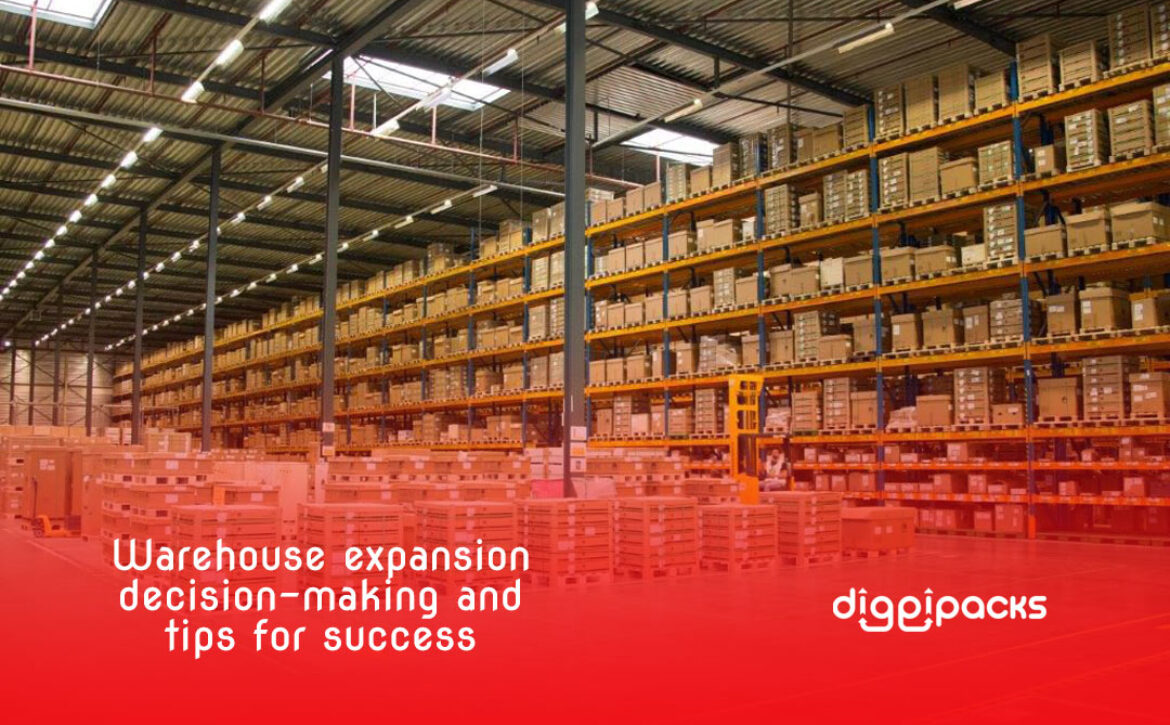
<strong>Warehouse Expansion Decision-Making and Tips for Success </strong>

[et_pb_section fb_built=”1″ _builder_version=”4.16″ global_colors_info=”{}”][et_pb_row _builder_version=”4.16″ background_size=”initial” background_position=”top_left” background_repeat=”repeat” global_colors_info=”{}”][et_pb_column type=”4_4″ _builder_version=”4.16″ custom_padding=”|||” global_colors_info=”{}” custom_padding__hover=”|||”][et_pb_text _builder_version=”4.19.0″ background_size=”initial” background_position=”top_left” background_repeat=”repeat” hover_enabled=”0″ global_colors_info=”{}” header_2_text_color=”#E02B20″ header_2_font_size=”27px” header_3_text_color=”#E02B20″ header_3_font_size=”27px” header_4_text_color=”#E02B20″ header_4_font_size=”27px” sticky_enabled=”0″]

With increasing operational requirements in businesses, it has become important to attempt Warehouse Expansion whenever the opportunity arises. Through which warehouses will be optimized, as well as keeping pace with operational requirements. Especially since warehouses play a major role in the trade process, as they represent the cornerstone of warehousing and shipping activities as well as distribution. In this article, we will talk about the Warehouse Expansion process, as well as its most important negatives and positives.

What is the warehouse expansion process?

Warehouse expansion is meant to increase the space of your warehouse, to keep business running smoothly.

Especially since in light of business growth and increasing operational requirements, companies are in dire need to expand their warehouses to keep pace with these changes.

Through the process of warehouse expansion, you will be able to get more space in your warehouse, and thus store a greater amount of items.

Increasing your warehouse space will help you improve your existing systems, as well as increase the flexibility and ability of your workforce.

Do you know what is inventory tracking?

Warehouse expansion pros and cons

Warehouse Expansion

There are a number of pros and cons to the warehouse expansion process, and here are the most important of those pros and cons to benefit from each of them:

Pros of warehouse expansion

The following are a number of points that explain the most important advantages of the warehouse expansion process:

    • Enjoy a competitive advantage in meeting your needs.

    • Increase the productivity and efficiency of your workers.

    • Improve deficiencies in your existing systems.

    • Reaching optimum standards in your operational processes.

    • Rethink and improve your technology infrastructure.

    • Expand your capabilities to meet customer requests.

What Is on Demand Warehousing?

Cons of warehouse expansion

Despite the huge advantages of the warehouse expansion process, there are a number of drawbacks to it. And the following are the most important of these drawbacks:

    • The need for a large financial investment.

    • Taking a long time to expand the warehouse space.

    • Increasing labor and operating costs.

So be sure to weigh the pros and cons of this process, and choose the decision that brings you and your business the greatest possible benefit.

When to consider warehouse expansion alternatives

Before you consider warehouse expansion and focus on its benefits and take advantage of it, you will first need to check that this is the right option for your business.

Despite the huge benefits that can accrue to your business from the warehouse expansion, you may incur a greater risk in return.

And in the event that you cannot afford the costs related to the warehouse expansion process. Then here you will start to think about the expansion process alternatives.

Here are a number of points that show you when to start thinking about these alternatives:

If your brand can’t handle the expansion process

Then the solution is to cooperate with a third-party logistics company (3PL). Thus, saving a lot of expenses, and enjoying greater discounts on shipping operations.

There is a problem in hiring sufficient manpower for the expansion process

If you are unable to hire a suitable team, you will not benefit from that expansion process. The solution here is to cooperate with a third-party logistics company (3PL).

So the most suitable and least expensive alternative to the expansion process is to outsource it to 3PL, who will take charge of the inventory for you.

get to know : Stock Availability Is a Key to Last Mile Performance

How 3PLs support your warehouse performance

Warehouse Expansion

3PLs play an important role in enhancing the performance of your warehouse, without the need for additional expenses on expanding your warehouse.

As 3PLs help reduce overheads, as well as take responsibility for managing and auditing inventory and other freight logistics.

Also, by cooperating with a suitable 3PL, you will be able to expand your space easily, by contracting only the space that you need and that you will actually use.

This saves you a lot of expenses, and thus saves you money in the short term and helps you to employ it in other businesses that benefit your business.

If you want to cooperate with a suitable logistics partner, Diggipacks is your best choice.

Which offers you various logistics services that you may want, with the highest efficiency and the best prices to maintain the flexibility of your business.

[/et_pb_text][/et_pb_column][/et_pb_row][/et_pb_section][et_pb_section fb_built=”1″ _builder_version=”4.19.0″ _module_preset=”default” custom_margin=”||-100px||false|false” locked=”off” global_colors_info=”{}”][et_pb_row _builder_version=”4.17.4″ _module_preset=”default” global_colors_info=”{}”][et_pb_column type=”4_4″ _builder_version=”4.17.4″ _module_preset=”default” global_colors_info=”{}”][et_pb_button button_url=”http://diggipacks.com/3pl-fulfillment/” url_new_window=”on” button_text=”3PL FULFILLMENT” button_alignment=”center” _builder_version=”4.17.4″ _module_preset=”default” custom_button=”on” button_bg_use_color_gradient=”on” button_bg_color_gradient_direction=”270deg” button_bg_color_gradient_stops=”#e02b20 0%|#000000 100%” button_border_radius=”10px” button_icon_color=”#000000″ background_layout=”dark” custom_margin=”-80px||-80px||false|false” custom_padding=”||||false|false” global_colors_info=”{}”][/et_pb_button][/et_pb_column][/et_pb_row][/et_pb_section]

Read More
admin يناير 11, 2026 0 Comments

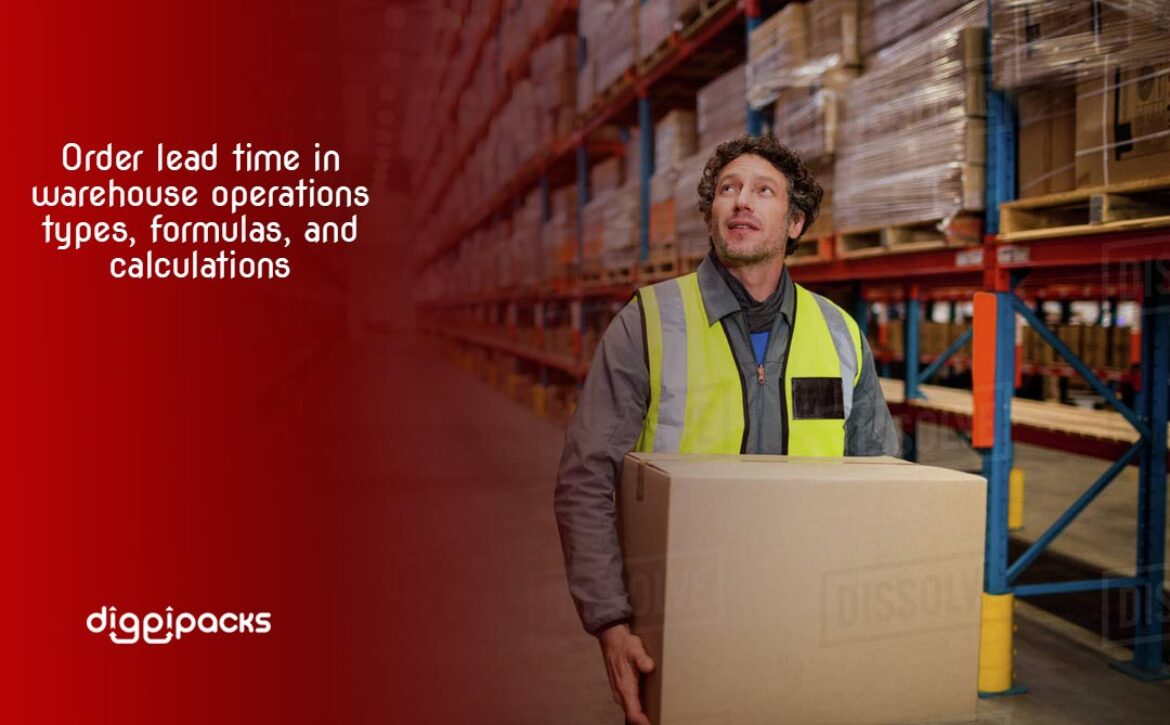
Order lead time in warehouse operations: Types, formulas, and calculations

[et_pb_section fb_built=”1″ _builder_version=”4.16″ global_colors_info=”{}”][et_pb_row _builder_version=”4.16″ background_size=”initial” background_position=”top_left” background_repeat=”repeat” global_colors_info=”{}”][et_pb_column type=”4_4″ _builder_version=”4.16″ custom_padding=”|||” global_colors_info=”{}” custom_padding__hover=”|||”][et_pb_text _builder_version=”4.17.4″ header_2_text_color=”#E02B20″ header_2_font_size=”27px” header_3_text_color=”#E02B20″ header_3_font_size=”27px” header_4_text_color=”#E02B20″ header_4_font_size=”27px” background_size=”initial” background_position=”top_left” background_repeat=”repeat” hover_enabled=”0″ global_colors_info=”{}” sticky_enabled=”0″]

Online retailers need to use appropriate metrics that help them verify that customers’ orders arrive quickly, and order lead time is one of those important metrics. It is also in the huge development of electronic commerce as well as the boom in retail trade over the Internet, making the practice of commerce and business differ greatly. This was also reflected in the customers’ expectations, as their expectations became clearly high.

Customers always expect their orders to reach them as quickly as possible and without any delays. Therefore, companies operating in online Retail stores are facing many challenges and operating in a more competitive market. In this article, we will provide you with all the details about the order lead time, its types, and how to calculate it as well.

What is the order lead time?

The order-lead-time is one of the primary metrics that helps retailers check that customers’ orders don’t take much time to reach them.

It plays a large role in the planning of re-orders, which is reflected in the overall inventory control.

The term time off itself carries many meanings, which refer in various forms to the period between the start of a process and the completion of that process.

Order lead time types and their calculations

order lead time

There is more than one type of order-lead-time and each type has its own formula and definition for the calculation. We will review all of this in detail below:

1. Actual order lead time

Actual order-lead-time is the first type of metric that specializes in measuring how quickly customers receive orders.

This means the total time it can take to complete the request after the request is submitted

The presence of any abnormal data is an indication that something went wrong during the fulfillment process. Besides that metric, you’ll need additional stats to boost its power.

Here is its mathematical formula:

  • Actual order lead time = Delivery Date – Order Entry Date

diggitrack

2. Requested order lead time

The second type of metric specialized in measuring the speed of customers receiving orders is Requested order-lead-time.

Which refers to the time between the customer placing the order and the date he wants to receive the order.

The Requested order-lead-time indicator gives you a quick and simple idea of ​​how long customers want to wait to receive orders. Here is its arithmetic:

  • Requested order lead time = Requested Delivery Date – Order Entry Date

3. Quote order lead time

order lead time

The third type of metric that specializes in measuring how quickly customers receive orders is Quote order-lead-time.

It indicates the amount of time acceptable to fulfill the demand from the point of view of your customers, and the following is its arithmetic formula:

  • Quote order lead time = Customer’s Agreed – Upon Delivery Date – Order Entry Date

Confirmed order lead time

The last type of metric type that specializes in measuring the speed of customers receiving orders is the Confirmed order-lead-time.

This metric indicates your company’s ability to meet customer-specific demand management. Here is its mathematical formula:

  • Confirmed order lead time = Internally Agreed – Upon Delivery Date – Order Entry Date

[/et_pb_text][/et_pb_column][/et_pb_row][/et_pb_section]

Read More
admin يناير 11, 2026 0 Comments

5 Types and tips to reduce the Inventory Costs 

[et_pb_section fb_built=”1″ _builder_version=”4.15″ global_colors_info=”{}”][et_pb_row _builder_version=”4.15″ background_size=”initial” background_position=”top_left” background_repeat=”repeat” global_colors_info=”{}”][et_pb_column type=”4_4″ _builder_version=”4.15″ custom_padding=”|||” global_colors_info=”{}” custom_padding__hover=”|||”][et_pb_text _builder_version=”4.15.1″ background_size=”initial” background_position=”top_left” background_repeat=”repeat” hover_enabled=”0″ global_colors_info=”{}” header_2_text_color=”#E02B20″ header_2_font_size=”27px” header_3_text_color=”#E02B20″ header_3_font_size=”27px” header_4_text_color=”#F07C00″ header_4_font_size=”20px” header_5_font_size=”20px” header_5_text_color=”#E06100″ sticky_enabled=”0″]

Inventory costs are one of the most important costs incurred by any company or organization, which means the value of the inventory. There are many types of inventory costs, and each type has its own importance in arriving at the actual cost of inventory held by the company.

The importance of inventory costs lies in knowing how to take an inventory of your stores or warehouses, in addition to their importance in calculating the expenses incurred by the company for the inventory you own.

In this article, we will provide you with all the details about inventory costs and its most important types, as well as how to reduce inventory costs as much as possible in the most modern and effective way.

What is the Cost of Inventory?

Inventory costs are the costs related to holding and carrying the inventory itself, which includes costs related to the space used including rent, heat, maintenance, etc. This is in addition to the cost of funds associated with inventory, the cost of insurance, and the cost of obsolescence of inventory items.

5 Types of Inventory Costs

inventory costs

There are many types of inventory costs, and as we mentioned earlier, each type has its own importance in arriving at the effective cost incurred by the company for holding inventory.

Each type affects the company’s total profits. The five main types of inventory costs are as follows:

1. Inventory Holding Costs

These are the costs that are paid for the storage space a company uses to keep its inventory. And Inventory Holding Costs can be the rent the company pays for the space it uses in stores or logistics warehouses.

2. Ordering Costs

Arrangement costs are one of the most important types of inventory costs, which include costs for taxes, salaries, wages, and labor costs. These costs are included in a line item called overhead costs.

3. Inventory Carrying Costs

Another inventory cost is Inventory Carrying Costs, which refers to the cost to a company of keeping its inventory. It affects the profit and loss statement significantly.

4. Spoilage Costs

These are the costs incurred by the company in the event of the deterioration of its inventory. This happens if the company is late in selling the inventory it owns.

There is great importance in controlling Spoilage Costs and the companies which are engaged in food or pharmaceutical and cosmetic industries are the most affected type of companies by Spoilage Costs as compared to other inventory costs.

5. Shortage Costs

And shortage costs are important inventory costs that a company incurs if it is out of stock for various reasons. Examples of Shortage Costs are:

  • Costs to maintain customer loyalty and company reputation.
  • The costs of idle production.
  • Emergency shipment costs.

How to calculate inventory costs

There is great importance in calculating inventory costs, as it is an important consideration for any company seeking to make as much profit as possible. Especially since rising inventory costs will directly negatively affect profitability.

There are many ways to calculate inventory costs, but here is a simple and easy way to calculate inventory costs.

This method of calculating inventory costs depends on determining the beginning and ending values ​​of inventory, as well as the value of inventory purchased over a certain period of time.

Here is the step by step to calculate inventory costs:

  1. Determine the period of time you want to calculate your inventory costs.
  2. Determine the beginning inventory, the value of your inventory at the beginning of the month or the beginning of the time period for which you want inventory costs.
  3. To the beginning inventory you determined, add the cost of inventory purchases at the end of the period for which you want to calculate inventory costs.
  4. Calculate the Physical Inventory of the cost of the inventory at the end of the period for which you want to calculate the inventory costs.
  5. Use the following formula to calculate inventory costs to arrive at the final cost in terms of the given information:

  • Inventory costs = Beginning Inventory + Inventory Purchases – Ending Inventory

Tips to reduce carrying costs

inventory costs

It is of great importance to reduce carrying costs in any enterprise, because it affects its profitability significantly.

Here are some effective tips that will help you avoid and reasonably reduce a lot of carrying costs:

1. Determine the minimum stock level

It is one of the most important tips to reduce inventory costs, with which you will be able to determine when you will completely run out of inventory.

Which will affect the fulfillment center of orders and therefore if you reach a level below it, you will need to immediately look for another source to get stock.

Thus avoiding the high costs that will result from running out of your inventory. The most important of which is the loss of customers and the reputation of your company or organization in the market.

2. Determine the reorder level

They are also important for reducing inventory costs, and with them you’ll be able to tell at what level you’ll need to reorder.

Any order to supply inventory, because during the period of arrival of your inventory, you have a stock reserve that can be controlled for a customer or others, which is the minimum level that we explained in the previous paragraph.

3. Determine the highest level of stock

Which you must do after determining both the minimum level of stock and the level of re-order.

The highest level of inventory is the quantity that if you exceed it, you will enter into a state of stockpiling, which will cost you the storage value, expiry date and other huge costs.

4. Try to get rid of your dead stock

And that is by making discounts on it before its expiry date or giving it as gifts to customers, thus gaining their trust instead of losing stock. Especially since the dead stock will cost you a lot, so try to make the best use of it.

5. Decrease supplier lead time

With which you will be able to reduce inventory carrying costs, with which you will be able to reduce the amount of inventory you have due to the new lead time.

6. Use inventory management software

It is one of the best innovative ways that will help you greatly and effectively in reducing inventory carrying costs.

It saves time and effort as well as more costs by doing many tasks completely automated.

Diggipacks’ solutions provide you with the best inventory management software that will help you avoid a large part of inventory carrying costs.

[/et_pb_text][/et_pb_column][/et_pb_row][/et_pb_section]

Read More
admin يناير 11, 2026 0 Comments

5 last mile delivery challenges and how we Can Solve it?

[et_pb_section fb_built=”1″ _builder_version=”4.16″ global_colors_info=”{}”][et_pb_row _builder_version=”4.16″ background_size=”initial” background_position=”top_left” background_repeat=”repeat” global_colors_info=”{}”][et_pb_column type=”4_4″ _builder_version=”4.16″ custom_padding=”|||” global_colors_info=”{}” custom_padding__hover=”|||”][et_pb_text _builder_version=”4.17.4″ header_2_text_color=”#E02B20″ header_2_font_size=”27px” header_3_text_color=”#E02B20″ header_3_font_size=”27px” background_size=”initial” background_position=”top_left” background_repeat=”repeat” hover_enabled=”0″ global_colors_info=”{}” sticky_enabled=”0″]

The last mile delivery challenges have increased in the recent period, especially with the huge digital revolution that all sectors are witnessing. This made all companies from all countries of the earth try to modernize this digitization through creative solutions and enter into partnerships with the technology sector, which now provides solutions that double the profit and reduce the effort.

Concepts have also changed after the Corona pandemic, and the most affected of these sectors is the delivery sector. Where the delivery companies and e-commerce found themselves experiencing unprecedented prosperity, as a result of which they met a huge demand that they were unable to meet. This compounded the challenges of the last mile. In this article, we will explain to you the most important last mile delivery challenges and how to solve them in the best possible way.

What are last mile delivery challenges?

last mile delivery challenges

The last mile delivery challenges are all the issues that prevent the final products from reaching the end user.

These challenges result in the disruption of the entire supply chain strategies, in addition to wasting time and money and losing trust between the producer and the customer.

This is due to the failure of the delivery process, as the last mile delivery process plays a large role in the delivery process in general.

Which would contribute to achieving customer satisfaction, so facing these challenges is essential to keep pace with logistics technology.

Top 5 last mile delivery challenges

Last mile delivery accounts for approximately 54% of total shipping costs, and this item is the most important and efficient component of the supply chain.

With the Corona pandemic, the demand for e-commerce increased by a large percentage, which made electronic stores in need of speedy processing and meeting customer requests.

Last mile delivery helps online stores deliver customers their orders in a timely manner. But with the increase in last mile delivery challenges, companies are facing difficulty in this matter.

And the following are the most important 5 last mile delivery challenges that can hinder supply chains at the present time:

1. Difficulty meeting delivery deadlines

One of the biggest last mile delivery challenges is having trouble meeting deadlines. This is because fulfilling customer orders and delivery expectations is the most important thing they care about while shopping from online stores.

So different companies need to meet delivery deadlines and meet customer expectations as fully as possible.

This will help gain customer satisfaction as well as improve deliveries and make them more efficient.

2. Treating drivers in a fair way

Another important last mile delivery challenge is not treating drivers in a fair and human way. Perhaps those are the biggest problems as drivers must be treated humanely so that they can work hard and deliver on time.

Many dealers are only interested in making profits and quick delivery, and in return they ignore treating the drivers appropriately and put pressure on them.

In the end, this negatively affects the on time delivery and the fulfillment of customers’ requests on time.

diggitrack

3. Dealing with unpredictable factors

Many companies have trouble dealing with unexpected factors that suddenly arise in the delivery process. This problem is perhaps one of the most important last mile delivery challenges, as unexpected problems hinder last-mile delivery plans.

Especially since most of these problems are out of control, such as changes in the weather or sudden traffic factors.

4. Delivering to the correct location

Failed deliveries cost the company a lot of expenses and losses, and on average there are at least 10% of all deliveries in the other mile fail for a variety of reasons.

One of the main reasons for its failure is a problem in locating the correct customer location, as many drivers deliver orders at incorrect addresses.

Which brings the company a lot of costs, so it is one of the most important last mile delivery challenges, which would damage the company’s reputation and lose its customers.

5. Solving the single-delivery issue

One of the most prominent of the last mile delivery challenges is the single delivery issue, with customers becoming particularly focused on how quickly their individual order management can be delivered.

Most companies have a problem with individual delivery to customers, which makes customers dissatisfied with the service and threatens the reputation of the company itself.

How can you solve your biggest last mile delivery challenges?

last mile delivery challenges

As we have indicated, the last mile delivery costs represent more than 50% of the final shipping costs, so any problems or malfunctions with them will cost the company a lot of losses.

Having addressed the most important challenges, the best solution to address last mile delivery challenges is to rely on technology.

Where delivery services that rely on the latest technologies and modern technology will help in facing various challenges of last mile delivery.

As it will contribute to providing a reliable delivery network, and through Diggipacks, you can overcome the challenges of last mile delivery and provide the right delivery to customers at the required time and thus fulfill customer requests

[/et_pb_text][/et_pb_column][/et_pb_row][/et_pb_section]

Read More
admin يناير 11, 2026 0 Comments

What is dunnage, the 9 Types, and Why It’s Important?

[et_pb_section fb_built=”1″ _builder_version=”4.15″ global_colors_info=”{}”][et_pb_row _builder_version=”4.15″ background_size=”initial” background_position=”top_left” background_repeat=”repeat” global_colors_info=”{}”][et_pb_column type=”4_4″ _builder_version=”4.15″ custom_padding=”|||” global_colors_info=”{}” custom_padding__hover=”|||”][et_pb_text _builder_version=”4.15.1″ header_2_text_color=”#E02B20″ header_2_font_size=”27px” header_3_text_color=”#E02B20″ header_3_font_size=”27px” background_size=”initial” background_position=”top_left” background_repeat=”repeat” hover_enabled=”0″ global_colors_info=”{}” sticky_enabled=”0″]

The shipping process is a complex process that requires great effort and organization for its success, and dunnage is one of the most important factors for the success of the shipping method. As this substance contributes to the arrival of the shipped goods to their destination safe from any problems.

Dunnage is basically one of the essential materials for safe shipments that all successful shipping companies use to keep their goods in good condition during transportation and handling. In this article, we will provide you with all the details you need to know about dunnage, its types, and its importance.

What is dunnage?

Dunnage is an expression for inner packaging used by shipping logistics companies. In order to protect the goods and parcels from damage during the transportation process, these materials are used as padding around the parcel as stabilizing beams.

This material may be hard plastic, bubble wrap, cork granules, sawdust, and other types. In general, the more fragile the goods being shipped, the quality and quantity of this material used to protect the shipment.

Why do shippers use dunnage?

dunnage

Shippers use dunnage to keep the goods safe during the shipping process. This material helps prevent damage to charged items during loading and unloading operations.

Especially since this material is able to withstand approximately three pounds per square inch of pressure as a limit.

In addition, this material comes with built-in inflation systems and is recyclable. Therefore, it is one of the useful and environmentally friendly materials at the same time compared to other filling materials.

What makes shippers reliant on this material is its effectiveness in protecting the shipment from physical damage as well as moisture and pollution.

All of this allows improving relations between the company and its customers, as their shipments arrive without any problems.

Which enhances the company’s relationship with its customers and increases its reputation in the market and among customers themselves.

This gives it a competitive advantage and greater ability to expand.

The 9 types of dunnage

Goods protection materials are diverse in terms of their nature and composition, and the following are the most important types used:

1. Solid plastics

It is a high-strength plastic that is used to protect high-value goods from damage during the shipping process, knowing that it is one of the expensive dunnage materials.

2. Bubble wrap

This material is used to wrap and protect glass or other materials that may be subject to breakage.

Its use is also very common, as this material can be used more than once as long as the bubbles in it are intact and not damaged.

3. Wood

Wood plans are materials to create barriers between heavy and strong equipment and materials to prevent them from sliding and moving.

4. Air pillows

This method is used to fill voids inside shipping packages and prevent them from sliding and moving, thus protecting them from damage that may occur during shipping operations.

5. Kraft paper

It is a good material for wrapping and protecting goods from damage. It is also inexpensive, environmentally friendly, can be recycled and is commonly used.

6. Foam

One of the most popular materials used in packaging sensitive devices such as electronics, medical equipment and fragile artifacts.

7. Steel

This metal is used as protection for expensive packages, and steel is ideal for holding heavy packages. This is so as not to damage the lighter weight packages.

8. Corrugated paper

It consists of a corrugated layer of cardboard surrounded by two rigid layers, which provides protection for the parcels during transport and handling.

Therefore, it is a popular dunnage material that helps protect against moisture and is a sustainable and environmentally friendly packaging option.

9. Custom dunnage solutions

When none of the above materials fit a package due to its uncommon or multi-piece design, a custom dunnage is designed.

In which a mixture of materials is used that guarantees the safety of the product.

get to know : Reduce losses with the incoming inventory solutions

The importance of dunnage

dunnage

These materials are considered essential to the success of shipping operations because of their benefits in maintaining the integrity of packages and protecting them from damage.

Here are a number of points explaining the importance of dunnage materials:

1. Shock Reduction

This helps preserve cargo during the shipping process from potential vibrations and shocks during transportation, handling and unloading.

This ensures the safety of parcels and prevents shipments from being damaged.

2. Protect items from water

In the case of shipping parcels by sea, a kind of protective material is placed on the floors of the ships to keep the shipments away from the water and thus protect them from damage caused by the water.

3. Protect items from moisture

Moisture is one of the biggest factors that cause shipment damage, so shipping companies seek to wrap parcels and goods with materials that absorb moisture such as paper and cardboard and prevent damage to them.

4. Fill in the blanks

These materials help keep packages firmly in place, such as using battens or airbags. It protects cargo from movement during transportation and thus maintains its integrity.

5. Reduce costs during the shipping process

By knowing the nature of each product and the protection materials surrounding it, the work team can transport and deliver it safely to the customer.

This reduces the chances of returns or damaged goods, all of which speed up and improve shipments as well.

6. Evenly distribute the weight

This is in the case of transporting large parcels, such as home furniture. These materials help keep the elements in balance during the shipping process.

[/et_pb_text][/et_pb_column][/et_pb_row][/et_pb_section]

Read More
admin يناير 11, 2026 0 Comments