ديجيباكس تغيّرت… وأصبحت Fastcoo Network by Diggipacks — اكتشف النموذج الجديد 🚀 التفاصيل ←

Category: الحلول التقنية

Demand management as a critical success factor in your E-commerce

[et_pb_section fb_built=”1″ _builder_version=”4.16″ global_colors_info=”{}”][et_pb_row _builder_version=”4.16″ background_size=”initial” background_position=”top_left” background_repeat=”repeat” global_colors_info=”{}”][et_pb_column type=”4_4″ _builder_version=”4.16″ custom_padding=”|||” global_colors_info=”{}” custom_padding__hover=”|||”][et_pb_text _builder_version=”4.17.4″ header_2_text_color=”#E02B20″ header_2_font_size=”24px” header_3_text_color=”#E02B20″ header_3_font_size=”24px” header_4_text_color=”#E02B20″ header_4_font_size=”24px” background_size=”initial” background_position=”top_left” background_repeat=”repeat” hover_enabled=”0″ global_colors_info=”{}” sticky_enabled=”0″]

Demand management is an essential component of any business plan, it helps in adequate planning of future events, including investment analysis of any business operation, accurate forecasting of the demands of the products it offers, and thus the ability of any organization to deal with customers effectively, as well as using its assets more efficiently, demand management is essential that enables the organization to use its resources properly, as well as plan the demand for products well, and in this article we will show you demand management and its role in the success of your e-commerce

What Does Demand Management Mean?

Demand management is the process within the organization through which the organization designs its own ability to meet demands and its differences, as well as manage its levels based on strategies for supply chains or marketing management.

How we help with Demand Management

Demand management

Diggipacks services can help you effectively manage the demands of your organization, as it gives you all the technology needed to succeed, whatever the size of your business.

All necessary tools and technology and all shipping method are available for electronic stores to prepare your products and deliver them in a timely manner.

It also has a highly experienced team to manage all tasks; they are able to process more than 150,000 orders per month as a minimum.

It can also manage your order effectively, as within less than 48 hours of receiving your stock and in Diggipacks warehouses updates will be displayed in the customer control panel,

The storage and the customer will be informed online of the storage status, increase or decrease with the feature of printing the SKU for each product in case you do not have it.

diggitrack

Value of Demand Management

The process of demand management is of great importance and value, especially in light of the highly competitive market and the tremendous technological progress witnessed by the current era,

As most companies compete to apply the best modern technologies that make their supply chains the most efficient.

inventory control Helps your organization reduce inventory, improve customer satisfaction as well as increase profitability, all of which will be achieved with an effective order management currency.

Here is the value behind demand management:

  • Helping organizations gather useful insights while improving their ability to plan and forecast customer demands.
  • Improve stock levels as well as enhance customer service.
  • Enhance inventory planning and improve ecommerce Revenue planning and promotion.
  • Proper forecasting of demand, thus reducing supply chain costs and increasing profit margins.

Basic components of demand management

Demand management

There are 4 basic components in the demand management process, and they are:

1. Forecasting

Forecasting is based on the current trend and expected sales of the customer’s behavior, as well as analytical data, which helps in preparing for any unexpected event.

2. Supply planning

Supply planning helps in planning supply operations more efficiently and effectively.

3. Demand analysis

Demand analysis mainly helps in managing demand effectively by relying on the analysis of sales data.

4. Sales and Operations Planning

Sales and Operations Planning helps in knowing the roles of stakeholders in the supply chain system,

And preparing reports that help in the effective planning of sales and operations and thus more efficient demand management.

HOW TO PROPERLY MANAGE DEMAND MANAGEMENT

Demand management

There are a number of tips that will help you manage the application correctly and more efficiently:

1. Create a database to manage your order

This is done by identifying the data available to you and creating a system specialized in collecting information and storing it in a database.

Note that this data should include shipping dates, current orders, and what previous demand forecasts were.

2. Get the data from the sales department

Collecting data from the sales department is important in properly managing demand, as their data is different from most supply chain data, and this step helps in reviewing and entering their demand forecast.

3. Data analysis and processing

After you collect the data and put it in the right place, you should start analyzing and processing that information by reviewing the changes that occurred over the different time periods.

Dedicated order management software that generates reports through real-time data analytics can be used.

4. Continuous evaluation and improvement

Effective demand management always needs a good system for evaluation and improvement, and this is what can be done by order management programs where reports and alerts are prepared automatically and periodically.

[/et_pb_text][/et_pb_column][/et_pb_row][/et_pb_section]
Read More
admin يناير 11, 2026 0 Comments

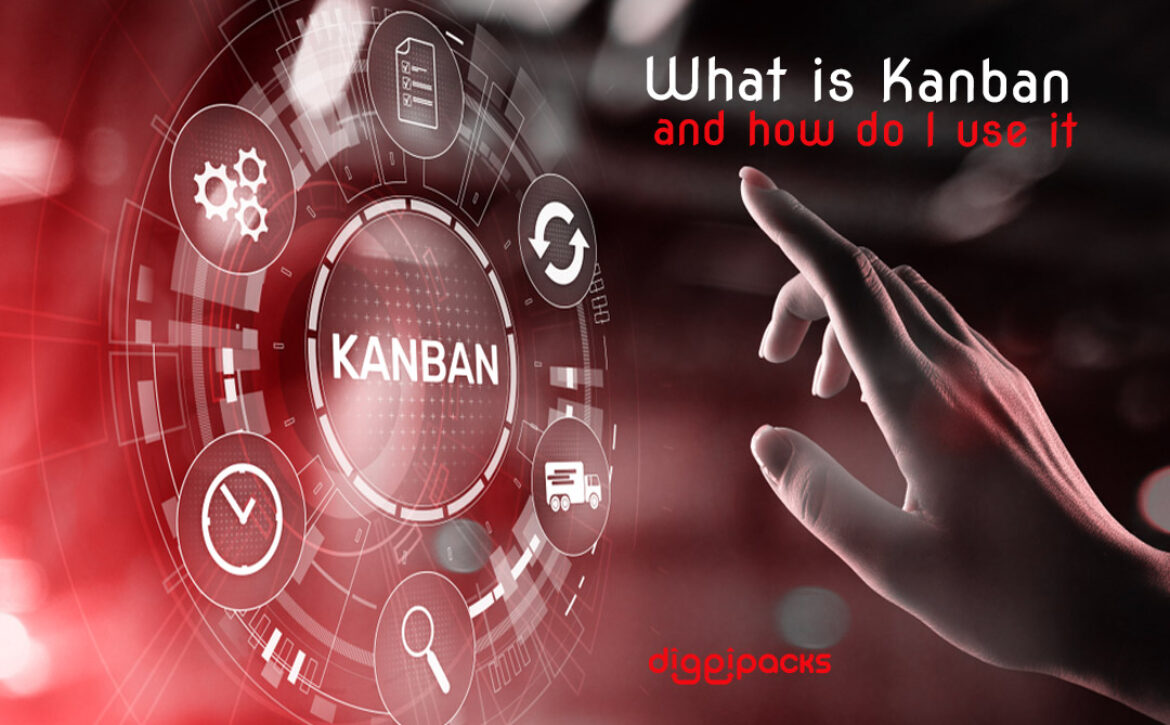
What is Kanban and how do I use it?

[et_pb_section fb_built=”1″ _builder_version=”3.22″][et_pb_row _builder_version=”3.25″ background_size=”initial” background_position=”top_left” background_repeat=”repeat”][et_pb_column type=”4_4″ _builder_version=”3.25″ custom_padding=”|||” custom_padding__hover=”|||”][et_pb_text _builder_version=”4.9.4″ background_size=”initial” background_position=”top_left” background_repeat=”repeat” hover_enabled=”0″ header_2_text_color=”#E02B20″ header_2_font_size=”24px” header_3_text_color=”#E02B20″ header_3_font_size=”24px” header_4_text_color=”#E02B20″ header_4_font_size=”24px” sticky_enabled=”0″]

Kanban is a Japanese word meaning “board”, invented by an engineer working for Toyota in the late 1940s. was adopted as an agile framework for product development by improving transparency and communication between one team and raising efficiency by reducing Waste of time and material, framework was used by many software and marketing companies in early 2007, then framework spread as a way to increase performance among major companies in various industries, and in this article we will show you everything you need to know about Kanban.

What is Kanban?

is a method of workflow management that allows you to better visualize your business, in order to improve your efficiency. Kanban means nameplate or sign in Japanese and was originally used in the industry, having been first implemented at Toyota in the 1950s.

 Since then, this method has invaded many sectors and has been adopted by many companies that want to improve task management among team members.

 How Kanban works

We can show how works through the following. The simple board consists of parallel columns, where each column includes the tasks to be performed, and most likely the columns are divided as follows:

  • Required tasks.
  • Tasks in progress.
  • Tasks under test
  • Completed tasks.

If there is a process that consists of 4 tasks, the first column can be dedicated to the tasks to be accomplished, which are often requested by the management, the customer or the team leader.

The second column contains the tasks in progress, work or development, and the third column includes the tasks that have been completed and are waiting to be tested and to know their readiness for release as a working part of the final product.

While the last column contains tasks that have already been completed, the board can be customized and used differently, for example, we may include a column under review, a feasibility study column and so on.

you may like:

Demand management as a critical success factor in your E-commerce

Kanban system

Kanban

A kanban system is defined as a work management system, where tasks on a kanban board are divided into three or more columns depending on the nature of the work, and a kanban board enables teams working on the same product, project, or department to communicate in a collaborative visual platform over the Internet and thus reduces the use of Contact email.

And since all team members can see and follow up on tasks through this platform, individuals will be able to follow up on the work and know where the problems are and what are the causes of delays and delays, etc. This reduces the wasted time, and completes the work quickly, easily and highly and efficiently.

Types of Kanban

There are 5 types of kanban, and each type has a specific use. The following are the most important types :

1. Production Kanban

It consists of a list of all the things that the part needs to be completed or finished, thus bringing those parts or materials required, along with the information contained in the withdrawal .

This clarifies what production system is required for the production process to begin, and what will be produced.

2. Withdrawal Kanban

This type has another name, conveyance kanbans, and this type is used when a component has to be transferred from one production part to another.

3. Emergency Kanban

This type is used in the event of defective parts that need to be replaced, or in the event of a sudden change in the required production quantity and thus the need to modify the plan.

4. Through Kanban

This type helps to speed up the production process and save time, as it pulls the parts required in production when they are needed and operates them.

5. Express Kanban

This type is used when a sudden shortage of production parts appears, and it is intended to speed up the manufacturing or production process as well.

you may like:

Distribution Center Benefits and Key Processes Explained

A recipe for Kanban

is a magic recipe for success, through a number of steps that will inevitably lead you to success if you apply them correctly. Workflow:

  • Focus on quality
  • Reduce Work In Progress
  • Deliver often
  • Balance demand against throughput
  • Prioritize
  • Attack sources of variability to improve predictability

you may like:

All you need to know about smart lockers

What is a Kanban board and how to start using it?

Kanban

Kanban is a pull system, where tasks cannot be pushed or imposed on a team or person if they are still working on many other tasks. Conversely, a team or individual can pull out new tasks after completing one of the tasks in a particular column.

The draw system limits the number of tasks in progress (Work in Progress – WIP) by setting a threshold, and the threshold is the maximum number of tasks in progress, for example there can be no more than three tasks ahead of completion,

In this way, no one can add any column task in progress before one of the three tasks moves to a column under test, and in this way we reduce the pressure on the development or manufacturing team so that this team focuses on specific tasks in progress instead of accumulating tasks that cannot be accomplished.

[/et_pb_text][/et_pb_column][/et_pb_row][/et_pb_section]

Read More
admin يناير 11, 2026 0 Comments

Purchase Orders is Important to SMBs

[et_pb_section fb_built=”1″ _builder_version=”3.22″][et_pb_row _builder_version=”3.25″ background_size=”initial” background_position=”top_left” background_repeat=”repeat”][et_pb_column type=”4_4″ _builder_version=”3.25″ custom_padding=”|||” custom_padding__hover=”|||”][et_pb_text _builder_version=”4.9.4″ background_size=”initial” background_position=”top_left” background_repeat=”repeat” hover_enabled=”0″ sticky_enabled=”0″ header_2_text_color=”#E02B20″ header_3_text_color=”#E02B20″ header_4_text_color=”#E02B20″ header_2_font_size=”24px” header_3_font_size=”24px” header_4_font_size=”24px”]

The purchase order is the company’s approval to purchase products from a supplier, and it also precedes the supplier’s invoice and contains the names of the goods, their required quantities, unit price and all other purchase terms. By the company, after confirming the purchase order and receiving the purchases from the supplier, it can be converted directly into a purchase invoice, and in this article, we will talk about purchase orders and why they are important for small and medium businesses.

What are purchase orders?

A purchase order is a document that is an agreement with a supplier for the purchase of goods or services, and this document also helps to track product receipts that have been posted against the purchase order and, later, to calculate the invoices that the supplier prepares against the order.

Reasons why Purchase Orders are important

Purchase Orders

The purchase order is an essential process when conducting large, two-way transactions, and it helps in clearing business expenses,

This is essential when sticking to budgeting, generating inventory expense reports, and avoiding supply chain errors. Below we’ll show you why purchase orders are important:

1. Understand the company’s financial condition and prevent inconsistencies

Where purchase orders help provide clear information for auditors to consider historical data of transactions.

When a company is clear in issuing, processing and recording purchase orders, this prevents inconsistencies in financial information and allows auditors to clearly understand the company’s financial condition.

2. Easily track expenses

The company’s expenses can be clearly tracked through the use of purchase orders, it not only helps the company know how much it is spending, but also shows the details of what is being purchased.

This gives companies key information about ordering data to improve this process in the future, a simple look at past purchase orders and sales statistics for the company can show.

3. Billing accuracy

An invoice is basically the opposite of a purchase order, this is a document issued by the supplier to the buyer to request payment. get to know digital payments

However, it is still necessary to use the purchase order with invoices, as it provides more clarity and accountability during the transaction process for both parties.

4. Smooth execution of orders

When a company’s finance and inventory departments have access to purchase orders, it creates a seamless and transparent process for restocking and order fulfillment. Via fulfillment center

5. Providing legal protection

Purchase orders provide legal protection for both parties. If the supplier of goods or services does not fulfill the agreements stipulated in the purchase order, such as price – quantity – delivery date… This document can be used as evidence of breach of contract.

How purchase orders (POs) are different from invoices

Many people confuse the purchase order and the invoice, but in fact there are clear differences between each, so we find that:

A purchase order is a document passed from a buyer to a seller that specifies the quantity, quality, number of different products needed by the party and the expected rates.

It is a legal defense for the seller if the buyer refuses to accept the goods and services once the seller has produced them and the buyer refuses to pay for them.

An invoice is a document that is passed on from the seller to the buyer and indicates that the seller wishes to receive payment for goods or services that he previously provided.

The buyer also needs to pay when the invoice is presented, and the invoice is usually sent with the goods or services supplied but the seller can issue it when payment is due and the buyer is obligated to pay when it is presented to him.

The following is briefly the main differences between purchase order and invoice:

  • Invoice is a document from seller to buyer, while purchase requisition is a document from buyer to seller.
  • Invoice is a payment reminder and the buyer needs to pay for the goods and services he has already acquired,
  • While a purchase order is an offer document from the buyer to the seller in which he specifies the quantity and quality of materials required along with prices.

you may like: Order Management and Order Processing: Why they’re so important for Business

All large businesses use a purchase order

Purchase Orders

All large companies use purchase orders primarily in their business, which helps them avoid the risk of wasting time and money,

As many parties may order goods and services informally, so purchase orders protect the company from any potential risks.

It also helps purchase orders in improving the company’s profitability as well as enhancing its future vision as well,

Especially since all companies realize that the greater their size and growth, the greater their need to track their financial operations, especially purchases.

Also, in large companies, purchase orders play a vital role in managing the company’s spending, thus improving purchasing processes, as well as assisting the company in receiving and accounts payable.

[/et_pb_text][/et_pb_column][/et_pb_row][/et_pb_section]

Read More
admin يناير 11, 2026 0 Comments

Average Inventory Formula, Use & Challenges

[et_pb_section fb_built=”1″ _builder_version=”3.22″][et_pb_row _builder_version=”3.25″ background_size=”initial” background_position=”top_left” background_repeat=”repeat”][et_pb_column type=”4_4″ _builder_version=”3.25″ custom_padding=”|||” custom_padding__hover=”|||”][et_pb_text _builder_version=”4.9.4″ background_size=”initial” background_position=”top_left” background_repeat=”repeat” hover_enabled=”0″ header_2_text_color=”#E02B20″ header_2_font_size=”24px” header_3_text_color=”#E02B20″ header_3_font_size=”24px” header_4_text_color=”#E02B20″ header_4_font_size=”24px” sticky_enabled=”0″]

Inventory management is one of the most important things that can affect the efficiency of the work of any business, especially since inventory is one of the most important assets owned by the facility, so care must be taken to manage it well, and We will know the average inventory formula to manage it well, and it is necessary to have an appropriate amount of inventory, which will push the company forward. It reflects its strength in managing costs, sales, and then labor relations, calculating average inventory, as well as inventory turnover, can help maintain the right amount of inventory. In this article, we will talk about the average inventory formula, its use, and what are the main challenges for average inventory.

What is average inventory? 

average inventory formula

The average inventory formula is one of the accounting metrics useful in tracking changes in inventory over time, and it is a tool that helps show the state of inventory during the current time or accounting period.

The average inventory can be defined as an estimate of the value of the inventory owned by the company during a specific period of time.

The calculation of the average inventory helps in the face of the rises or drops that can occur suddenly in inventory balances.

you may like:

Demand management as a critical success factor in your E-commerce

Average inventory formula

There is average inventory formula for calculating the average inventory, which is by adding the current and previous inventory and dividing their sum by the number of periods, and the following is the average Inventory Formula:

  • Average Inventory = (current inventory + previous inventory) / number of periods

Average inventory calculator

As we mentioned in the previous part, average inventory is an estimate of the amount of inventory owned by the company during a certain period.

And there are a number of accounting tools that can help you easily calculate average inventory without the need to manually use the average inventory formula.

What Is Inventory Turnover Ratio?

Turnover is an accounting term that calculates how quickly a company collects money from accounts receivable or how quickly a company sells its inventory.

The inventory turnover ratio is a ratio that shows the number of times a company has sold and replaced inventory during a given period.

The company can then divide the days in the period by the inventory turnover formula to calculate the days it takes to sell inventory on hand.

Calculating inventory turnover can help companies make better decisions about pricing, manufacturing, marketing, and purchasing new inventory.

you may like:

Terms and conditions of sales, delivery, and payment

Calculate Inventory Turnover

Companies calculate inventory turnover by calculating average inventory, which is done by dividing the sum of beginning and ending inventory by two, and then dividing sales by average inventory.

Inventory turnover can be calculated by the following formula:

  • Inventory turnover = Sales / Average inventory.

Uses of average inventory

You may now be wondering when to use the average inventory formula, and in general, you will need to calculate average inventory to calculate the inventory turnover ratio, which will help you get a sense of how much your inventory is moving, and thus how much inventory you will need to have at any one time.

You will also need the average inventory in order to calculate the Average Inventory Period, which will help you figure out how long it takes to convert your inventory into actual sales.

you may like:

Retail stores: optimizing Inventory Management, Eases Ecommerce Implementations

Challenges with Average Inventory

average inventory formula

There are a number of challenges facing average inventory. Despite the average inventory and its importance in inventory management, there are a number of flaws in it.

The following are the most important challenges facing average inventory:

  • Inaccuracy, due to seasonal cycles, average inventory may be inaccurate.
  • The occurrence of errors resulting from the presence of estimated balances, the average inventory is estimated accounts that are not accurate as physical counts of inventory.
  • There are variances between monthly and daily sales, so using average inventory you will encounter a large discrepancy between today’s inventory and inventory calculated for longer periods.

[/et_pb_text][/et_pb_column][/et_pb_row][/et_pb_section]
Read More
admin يناير 11, 2026 0 Comments

The difference between supply chain and logistics explained

[et_pb_section fb_built=”1″ _builder_version=”3.22″][et_pb_row _builder_version=”3.25″ background_size=”initial” background_position=”top_left” background_repeat=”repeat”][et_pb_column type=”4_4″ _builder_version=”3.25″ custom_padding=”|||” custom_padding__hover=”|||”][et_pb_text _builder_version=”4.9.4″ background_size=”initial” background_position=”top_left” background_repeat=”repeat” hover_enabled=”0″ header_2_text_color=”#E02B20″ header_2_font_size=”24px” header_3_text_color=”#E02B20″ header_3_font_size=”24px” header_4_font_size=”24px” header_4_text_color=”#E02B20″ sticky_enabled=”0″]

Many people do not know the difference between supply chain management and logistics, and the terms “supply chain” and “logistics” are often used interchangeably in the transport and trade sector, but there are differences between them, as each has specific operations, duties, and responsibilities Which differs from the other extreme, and it is believed that the confusion in the distinction between supply chain and logistics is caused by many people considering that logistics is a subcategory in supply chain management, but the main difference between supply chain and logistics is that the latter is just a dedicated part in the operations of The entire supply chain, and in this article we will detail the difference between supply chain and logistics.

What is the supply chain?

In order to be able to differentiate between supply chain and logistics, we will first need to learn about the concept of each; the supply chain is a broad and integrated process that entails many other aspects besides logistics,

Such as finding and selling goods, negotiating prices, manufacturing, warehousing, packaging, and inventory control.

Supply chain management also includes distribution, cost allocation, control, negotiation and collaboration with third party companies as well as supply and demand management.

What is logistics?

difference between supply chain and logistics

After we know the definition of supply chains, we will need to know what is meant by logistics and will know The difference between supply chain and logistics, and in general logistics services focus on the transportation and physical storage of goods, and deal with things such as shipping method like internal and external shipping, reverse shipping, communications in transit, and warehouse warehousing.

Logistics also deals with the delivery of goods, freight shipping, coordination between external third party carriers, fleet management and other activities directly related to the actual transportation of goods from one point to another.

Depending on the company’s needs, logistics management may also include manufacturing, packaging, price negotiation for various aspects of transportation, integration with third party companies, procurement, technology and communications, and customer service.

The difference between supply chain and logistics

When learning about the difference between supply chain and logistics, you should know that supply chain is the bigger picture between the two.

As supply chain management is the umbrella that covers all aspects of sourcing and purchasing goods, basically supply chain management forms and manages business links between companies that allow goods to be sold to consumers in the end.

Logistics—essentially shipping logistics from one place to another—is a function that falls under the broad umbrella of supply management, and is just one part of the entire process.

Examining KPIs: Supply chain vs. logistics

The KPIs are similar in both Supply Chain Management and Logistics, they both track inventory movements and warehousing, and the following are the KPIs for each and what difference between supply chain and logistics:

I. Supply Chain Management KPIs

1. Cash-to-cash cycle

The difference between supply chain and logistics at the Cash-to-cash cycle is an indicator related to supply chain management that measures the time taken for the cash you paid for materials to be converted into cash that customers pay you for your work or service.

The fast cash-to-cash cycle is a good indicator and means better and faster cash flow, and the opposite means that there is restricted and unusable cash.

2. Inventory days of supply

An indicator of how many days it takes to run out of supply if you don’t replenish your inventory, the higher this metric is, the better for your organization and means your organization is able to generate more cash.

3. Perfect order rate

The difference between supply chain and logistics at the Perfect order rate ​It is also one of the important indicators of supply chain management, which measures error rates taking into account the multiple aspects of the supply chain, and the higher this indicator, the more it indicates that the stages of the supply chain are good, which increases customer satisfaction.

II. logistics KPIs

1. Freight bill accuracy

It is a performance metric for logistics that measures the accuracy of shipping invoices. It is a useful metric in monitoring the efficiency of your business.

And helps you in estimating customer satisfaction levels with the service you provide to them. The higher the percentage, the higher the level of customer satisfaction and the lower the costs.

2. Transportation costs

It is a measure of checking the percentage cost of moving inventory based on sales revenue,

And the higher this number, the not a good sign, it means more your company is spending on shipping its merchandise compared to what it will recover.

3. Inventory turnover

It is one of the most important and also common performance metrics for logistics services. It is a measure that shows you how many times you have sold through your inventory during a given period of time.

The higher this indicator is, this is a good indication that your company has a strong customer demand for your products, and this is a good thing.

Should Small and medium-sized companies outsource their supply chain management or logistics functions?

difference between supply chain and logistics

Outsourcing refers to the process of hiring another individual or company to handle some of your business activities. It is not a new concept, but it gained a lot of importance in the early 1990s.

Companies can outsource some tasks and easily get skilled and experienced assistants, thus saving time, money and effort as well.

As for the basic question, should small and medium-sized businesses outsource supply chain management or logistics functions?

In fact, the answer to this question depends on the nature and size of your business and your business.

If you own a small business it is better for you and your business not to outsource your supply chain management, if you are a medium business it is better to hire them, when you can do it all on your own without outsourcing.

Outsourcing helps you make your supply chain easier by controlling the many errors that occur, such as missing shipment tracking or suddenly running out of stock.

In general, in logistics services, especially transportation operations, it is recommended that outsourcing is done, in order to reduce costs and reduce errors that may lead to the loss of customer satisfaction and consequently their loss. and this is The difference between supply chain and logistics in this point.

Advantages of outsourcing logistics

There are a number of advantages that outsourcing fast logistics services can provide to you, and the following are the most important ones:

  • Reduce focus on freight, outsourcing logistics helps you get your employees to focus on important value-added activities related to other parts of the business, and leave the freight operations on those outside sources.
  • Access to better technology, outsourcing logistics helps you to access more advanced technology, which will save a lot of time, effort and money as well.
  • Improve Flexibility Outsourcing significantly improves the flexibility of your business, helping your company to expand and grow bigger and faster.
  • Better resource allocation, outsourcing helps you save costs on additional overheads and focus on better allocating your resources.

[/et_pb_text][/et_pb_column][/et_pb_row][/et_pb_section]

Read More
admin يناير 11, 2026 0 Comments

Six Top the Supply Chain strategies on our list to increase the productivity of your business

[et_pb_section fb_built=”1″ _builder_version=”3.22″][et_pb_row _builder_version=”3.25″ background_size=”initial” background_position=”top_left” background_repeat=”repeat”][et_pb_column type=”4_4″ _builder_version=”3.25″ custom_padding=”|||” custom_padding__hover=”|||”][et_pb_text _builder_version=”4.9.4″ header_text_color=”#E02B20″ header_2_text_color=”#E02B20″ header_2_font_size=”24px” header_3_text_color=”#E02B20″ header_3_font_size=”24px” header_4_text_color=”#E02B20″ header_4_font_size=”24px” background_size=”initial” background_position=”top_left” background_repeat=”repeat” hover_enabled=”0″ sticky_enabled=”0″]

Supply chain strategy effectively helps in achieving company goals, and although the processes of creating or developing Supply Chain Resilience strategy may be difficult and cumbersome, it is a process that pays off and is worth it, especially since at the present time there are a large number of new variables that are on the scene. Businesses must deal with it in order to survive in the market and work, and in this article, we will present the top 6 supply chain strategies, which are specifically designed to help different companies thrive and survive in a complex business environment.

Supply chain strategy definition

The supply chain strategy is defined as a set of priority objectives for supply chain management and ways to measure them, with the aim of building and financing potential logistical success by entering new markets. are you know the Importance of warehousing in supply chain?

Six Top Supply Chain Strategies

Supply Chain strategies

The success of a supply chain strategy is measured by how well it meets customer requirements, and it includes a response strategy and an efficiency strategy.

These divisions are based on the nature of the business environment and changing customer needs, so it is worth understanding these two variables.

There are a number of supply chain strategies, and below we will show you the top 6 supply chain strategies:

1. Demand-driven planning and business operating model

The first supply chain strategy you can rely on is to adopt a demand-driven planning system, which will significantly help increase the predictability of demand, through the use of a number of powerful digital tools.

This allows for faster action, as well as the ability to automatically adjust supply chains based on real-time insights that match projected demand.

In addition to the use of cloud systems in new supply chains, allowing for the creation of standardized data models and augmented through data and other external sources.

And all this will eventually pay off and enhance the ability to predict and therefore accuracy in planning.

2. Create an adaptive supply chain with rapid planning and integrated production

The second best supply chain strategy, as agility is the most important thing in supply chains, as it helps align planning with manufacturing, resulting in increased agility and flexibility.

Cloud systems have helped handle the huge volume of information, linking financial and planning tasks through a common online interface.

This supply chain strategy will give the organization a faster ability to act and adapt smoothly to market changes.

3. Design and manage the product appropriately for its supply and sustainability

For you is one of the effective ways that will help you increase product revenues by up to 25% and will reduce operating expenses by up to 20%,

Due to the integration of design teams with supply chain planners on one platform, which is the cloud, and thus companies product development and planning supply chain.

4. Align supply chains with business objectives by integrating sales planning with corporate business planning

These days most companies and organizations face issues with market uncertainty, and this can be addressed by integrating tactical sales and operations planning programs with strategic budgeting and forecasting efforts.

All of this will increase the ability to plan, thus translating tasks and priorities into a set of operational tasks, which are constantly updated to reflect changing market conditions.

The integration of business planning and supply and demand planning significantly improves business agility by creating a cycle of planning, execution and performance management.

5. Integrate sustainability with supply chain operations

Our fifth supply chain strategy, sustainability should be a major priority for companies, as it contributes greatly to achieving profits for shareholders, and it has become one of the basics that also contribute to increasing the company’s growth and profitability.

Especially since sustainability places great emphasis on supply chain practices, which effectively affect environmental health, primarily reducing carbon emissions as well as pollution and industrial waste.

6. Using emerging technologies to ensure reliable and predictable supply chains

It is the last supply chain strategy on our list; most companies are currently facing a problem with unexpected shifts in demand, and therefore need a buffer.

But it may raise costs, but by improving order accuracy, new technology will help reduce inventory requirements and increase the speed of reaction time.

This will eventually lead to a more reliable and faster supply network, thus making the right decisions, manufacturing products, and delivering them in the right way and at the right time,  sell products online and this will ensure cost reduction and business speed while clearly simplifying supply chains.

What is the strategic importance of Supply Chain Management?

Supply chains are now more complex than ever before, as emphasized by market dynamics, as different institutions and companies need to respond to the changes in the external world based on demand.

But there are many new events and variables on the scene that companies and organizations must pay special attention to, as they must try to adopt new strategies for sourcing.

There is strategic importance to supply chain management, as it effectively simplifies the entire process dramatically, from product flow to unexpected events.

By managing the supply chain effectively, companies will be able to diagnose problems and deal with disruptions more efficiently.

Supply chain management also has a significant impact on business, as it helps in improving customer service by delivering the right product at the right time and location, thus affecting the company’s bottom line, making companies take care of supply chain management.

It directly improves business efficiency, from factories and warehouses to vehicles and transportation operations, thereby increasing cash flow.

How Do You Develop a Supply Chain Strategy?

Supply Chain strategies

Supply chain strategy effectively helps you achieve your company goals faster and more effectively, and although creating and developing a supply chain management strategy is often difficult and complex, it is worth it and trying, and here are the most important steps that can help you develop Easily your supply chain strategy:

  • Understand how each of your supply chain strategy relates to your business plans, as supply chain and supply chain management are the two main components that deal with your business plan, shipping and tracking products.
  • Analyze your current supply chain as well as your supply chain management strategy, so you can see what problem exists and how to deal with it and make adjustments.
  • Work closely with your business team as well as external suppliers, which will help you increase the flow of information and exchange between strategy planners, third-party vendors and the main company more effectively, and all of this will reflect positively on your business.
  • Choose the right and appropriate solutions, which will facilitate your work greatly and effectively, and there are a lot of supply chain management solutions, on top of which are inventory management solutions, warehouse automation solutions, and others.

Thus achieving a significant improvement in the flow of goods in and out of your warehouses.

[/et_pb_text][/et_pb_column][/et_pb_row][/et_pb_section]

Read More
admin يناير 11, 2026 0 Comments

Ready for the future of Green Logistics – Leverage technology with diggipacks

[et_pb_section fb_built=”1″ _builder_version=”3.22″][et_pb_row _builder_version=”3.25″ background_size=”initial” background_position=”top_left” background_repeat=”repeat”][et_pb_column type=”4_4″ _builder_version=”3.25″ custom_padding=”|||” custom_padding__hover=”|||”][et_pb_text _builder_version=”4.9.4″ header_2_text_color=”#E02B20″ header_2_font_size=”24px” header_3_text_color=”#E02B20″ header_3_font_size=”24px” header_4_text_color=”#E02B20″ header_4_font_size=”24px” background_size=”initial” background_position=”top_left” background_repeat=”repeat” hover_enabled=”0″ sticky_enabled=”0″]

All countries seek to reduce environmental pollution and preserve the environment in various possible ways, green logistics have emerged, which aims to reduce and reduce the environmental impact of logistics activities, and this includes all activities of forward and reverse flows of digital products, as well as information and services between the point of origin and the point of consumption, while trying to create sustainable values For different organizations or companies, using a balance of economic and environmental efficiency, and in this article we will talk about everything you need to know about green logistics and how to become environmentally friendly in your logistics.

What is the meaning of Green Logistics?

green logistics

Green logistics means all sustainable measures and policies through which the environmental impact of various logistics activities can be reduced.

The concept of green logistics will in turn affect all configurations and operations of fast logistics services. As well as the nature and form of tools and equipment used in the distribution, transportation, and storage of the goods themselves.

And this includes all the activities of the forward and reverse flows of products and services between the point of origin and the point of consumption.

In fact, green logistics can be traced back to the mid-1980s. At the time, it was understandable to characterize logistics systems and approaches that use advanced technology and equipment to minimize environmental damage during logistics operations.

The objectives of green logistics

As for the objectives of green logistics services, they are in fact aimed at trying to find a balance between the environment and the economy, through many methods and tools.

The following are the most important objectives of green logistics services:

  • Measure the carbon footprints of logistics and its operations, in order to establish a point of consideration for sustainability measures as well as manage their outcomes.
  • Reduce soil, water and air pollution.
  • Reducing noise and hustle, by analyzing the impact of logistical areas, specifically those related to transport operations.
  • Guidance in the use of supplies.
  • Reuse containers as well as recycle packaging.
  • Spreading sustainability in supply chains resilience, product design and packaging as well.

How to apply eco-friendly logistics approaches?

There are a number of effective strategies and ways in which you can include eco-friendly logistics approaches to your organization or company, the most important of which are:

  • Base your purchasing policies on eco-friendly standards, such as product characteristics and use of eco-friendly packaging, as well as manufacturing processes that are eco-friendly.
  • Improve the management of your transport fleet, by purchasing vehicles that operate in a way that preserves the environment, as well as relying on systems that help in planning delivery routes and determining the appropriate loads.
  • Owning a warehouse that follows the standards of sustainable construction and management, through the use of logistic buildings whose design includes measures to protect the environment.
  • Reducing the recycling of waste produced in your warehouse, by using sustainable waste management standards, such as trying to sort waste by materials to be recycled.
  • Optimize reverse logistics and inventory management, and utilize quality control processes for returned products.
  • Efficiently pick up your orders.

Green Logistics Strategies for Eco-Friendly Delivery

There are also a number of green logistics strategies, which are in fact environmentally friendly and related to delivery operations, and the following are the most important of those strategies:

Free delivery mode with a longer delivery period

Especially since delivery on the same day of the order is a huge waste, and a large percentage of customers prefer to wait for a longer time for delivery than to get the delivery process free of charge, and this will be more suitable for the environment and for the customer as well.

Combine orders together to reduce the number of vehicles

Reducing the number of operating vehicles means reducing the risk to the environment and pollution as well. You can collect orders in the same area and only one vehicle delivers them, this will reduce the risk to the environment as well as increase energy efficiency.

Intelligent fleet management

The use of smart fleet management, which includes some algorithms and working mechanisms through which it can prioritize sending the green request first.

Using bicycles for local delivery

One of the most environmentally friendly ways of delivering deliveries is to use bicycles to deliver orders locally, so there are no emissions of gases during the delivery process.

Applying Green Logistics to Supply Chains

Due to the great importance of green logistics, a large number of companies have started investing in green logistics and implementing it in their supply chains.

Especially since green logistics contributes significantly to reducing supply chain costs, so its introduction is in fact a win-win for both companies and the environment.

Go green in your logistics

green logistics

So you also need to start introducing green logistics into your business, which will make your company or organization ready for the future in which all businesses will be sustainable.

Diggipacks services can help you transition to green logistics, as it provides many eco-friendly logistics services.

Also it designed a smart and sustainable system to deal with all the problems of customers who were suffering from poor storage and delivery with integrated solutions.

[/et_pb_text][/et_pb_column][/et_pb_row][/et_pb_section]
Read More
admin يناير 11, 2026 0 Comments

Top 4 Inventory Management Trends to Know in 2022

[et_pb_section fb_built=”1″ _builder_version=”3.22″][et_pb_row _builder_version=”3.25″ background_size=”initial” background_position=”top_left” background_repeat=”repeat”][et_pb_column type=”4_4″ _builder_version=”3.25″ custom_padding=”|||” custom_padding__hover=”|||”][et_pb_text _builder_version=”4.9.4″ header_2_text_color=”#E02B20″ header_2_font_size=”24px” header_3_text_color=”#E02B20″ header_3_font_size=”24px” background_size=”initial” background_position=”top_left” background_repeat=”repeat” hover_enabled=”0″ sticky_enabled=”0″]

There are a number of inventory management trends that all companies and employers must follow, and companies incur the costs of storage, tracking and securing inventory, and poorly managed inventories can create major financial problems for businessmen, whether mismanagement leads to stockpiling or inventory shortage, In this article, we will present the most important inventory management trends, and we will first learn what inventory management and its systems are.

What Is Inventory Management?

Before talking about inventory management trends, we will first need to know what inventory management is, and inventory management is one of the tools business owners use to assess the performance of their organization.

By using the right software, they can keep track of inventory levels at any given moment, ensuring that you are on the right track to profit and success.

Inventory Management Trends

Inventory Management Trends

Inventory management is one of the most important things that can affect the efficiency of the work of any business, and there are a number of inventory management trends that any business owner or business must take into account.

Below are Top 4 Inventory Management Trends to Know in 2022:

1. Sourcing Supply Chain Management

One of the most important inventory management trends is the attempt to manage supply chain sourcing. After the Corona pandemic, there has been a reorganization of manufacturing functions.

Especially since international supply chains have been reduced in prevalence during that period, this has made all companies rethink their supply chain strategies.

Then the companies have realized that it is better for them to diversify their supply chain options.

2. Rethinking Inventory Forecasting

One of inventory management trends to consider in 2022 is a rethink of inventory forecasting. Previously, companies could use inventory management software to forecast inventory trends and plan demand strategies with them.

But now it’s getting more complicated, which of course makes companies need to rethink inventory forecasting.

After the Corona pandemic, companies need to respond to problems differently, you will first need to respond to the problem by taking temporary measures to prevent damage to your company for that period.

And then take other steps to restart the company’s activity, and then make a renewal through learning and developing policies that help the company to stabilize in the long term.

3. Automating Warehouse Processes

The automation of warehouse operations is one of the most important inventory management trends to consider in 2022, which will help in better managing a warehouse, enhances efficiency and customer satisfaction.

And there are a number of methods used in automating warehouse management:

  • Use barcode scanners to scan merchandise, settle orders, and update inventory records.
  • Pick up all items for multiple sales orders in one trip.

4. Inventory Management Software  

The most common inventory management trends is the use of inventory management software, as there is great importance to use inventory management software in companies,

which will help you in managing supply chains, preparing reports to identify various trends, as well as automating warehouse operations.

Fastcoo offers one of the best Inventory Management System with modern technology that distributes shipments automatically with a programmed voice system for each case in your warehouses.

The following are the most important services that the Inventory Management Software provided by Fastcoo to you:

  • Know the destination of the shipment by simply scanning the barcode.
  • Providing a sound system for each case and city.
  • The presence of an intelligent system that refuses to receive duplicate shipments and informs you of the error
  • Automatic update of each shipment once shipments are cleared.
  • Provide alerts on shipments that have not been sent for delivery
  • Extracting data and reports and saving them to this system
  • Automatically print labels for each shipment.
  • Preparing shipments for delivery so you don’t miss any shipment.
  • Provide alerts for duplicate or unregistered shipments

The future of logistics

Inventory Management Trends

The most important thing that you should consider besides the four Inventory Management Trends is to look to the future, they are renewable and development, which will serve as success and the basis for your company to continue in the market.

Fastcoo can provide you with the best inventory management software, as well as Diggipacks, they are able to help you overcome many challenges.

[/et_pb_text][/et_pb_column][/et_pb_row][/et_pb_section]

Read More
admin يناير 11, 2026 0 Comments

What are the 4 Main Inventory types

[et_pb_section fb_built=”1″ _builder_version=”3.22″][et_pb_row _builder_version=”3.25″ background_size=”initial” background_position=”top_left” background_repeat=”repeat”][et_pb_column type=”4_4″ _builder_version=”3.25″ custom_padding=”|||” custom_padding__hover=”|||”][et_pb_text _builder_version=”4.9.4″ background_size=”initial” background_position=”top_left” background_repeat=”repeat” hover_enabled=”0″ header_2_text_color=”#E02B20″ header_2_font_size=”27px” header_3_text_color=”#E02B20″ header_3_font_size=”27px” sticky_enabled=”0″]

Inventory is one of the most important assets of the company and one of the main sources of revenue and subsequent profits for the shareholders of the company, and there are 4 basic types of inventory types, and therefore there is great importance to inventory management, and in order to control the levels of these types, we rely on managing a warehouse, which is one of the most important methods of enterprise management Which needs strict control so as not to be exposed to any theft, in addition to the need for periodic inventory to ensure that the stock is intact and there is no shortage in the stores, and in this article we will show you what is meant by inventory and what are the most important inventory types as well as the importance of inventory management and its definition.

What Is Inventory?

Before talking about the most important inventory types, we will first need to know what is meant by inventory, which is defined as a group of finished goods, semi-finished goods, or raw goods that are used in production and maintained by the company.

Inventory is placed under a company’s current assets on its balance sheet, and inventory is a barrier between manufacturing and fulfilling orders.

We can define inventory as the goods available for sale, and the raw materials used; to produce goods for sale, which is one of the sources used to generate revenue and profits.

are you know how compute Average Inventory Formula ?

Types of Inventory

Inventory types

There are many inventory types, and each of them is an important and vital component of the company, and the following is an explanation of the most important 4 inventory types:

1. Raw Materials

They are unprocessed materials that are used to produce a specific commodity, such as aluminum and steel that enters an industry, and flour for the production of bread, among other examples.

Raw materials as one of the inventory types include materials that the company uses as a starting point in its production processes.

2. Work-In-Progress (WIP)

Work-In-Progress inventory is one of the inventory types which partly finished goods that are waiting to be completed or resold, like semi-manufactured aircraft.

It includes unfinished products and the volume of inventory in the process depends on the volume of production operations.

3. Finished Goods

The product that the company has finished producing and has become a finished commodity, such as equipment, clothes, and the like.

Finished Goods as one of the inventory types Includes products that have been completed and are ready to be shipped and sold.

4. Maintenance, repair & operations (MRO)

It is the fourth inventory type and includes all consumables and equipment needed for manufacturing or maintenance, but they are not considered part of the inventory of goods

Inventory Management

Inventory Management Trends is one of the most important methods of enterprise management, which needs oversight to ensure that no theft is exposed, as well as ensuring that the stock is sound and that there is no shortage in the stores.

There are a number of modern systems that work on effective inventory management, and they are specialized systems responsible for all operations related to inventory management operations.

Inventory must be managed effectively to ensure that stock quantities are maintained properly and the quality of products is maintained until they reach the consumer.

In inventory management, all processes related to the receipt and delivery of goods, and storage levels are tracked according to the type of inventory.

In addition to tracking and controlling the incoming and outgoing according to the documents and invoices that facilitate the tracking of all daily procedures.

The inventory management system also allows the ability to review the operations that occurred on the stock from selling, importing, or receiving new quantities in the past.

There are also many positive effects that can accrue to all parties in the environment of business operations when using inventory management systems.

[/et_pb_text][/et_pb_column][/et_pb_row][/et_pb_section]

Read More
admin يناير 11, 2026 0 Comments

Inventory vs warehouse what’s the Difference Between them?

[et_pb_section fb_built=”1″ _builder_version=”3.22″][et_pb_row _builder_version=”3.25″ background_size=”initial” background_position=”top_left” background_repeat=”repeat”][et_pb_column type=”4_4″ _builder_version=”3.25″ custom_padding=”|||” custom_padding__hover=”|||”][et_pb_text _builder_version=”4.9.4″ background_size=”initial” background_position=”top_left” background_repeat=”repeat” hover_enabled=”0″ header_2_text_color=”#E02B20″ header_2_font_size=”27px” header_3_text_color=”#E02B20″ header_3_font_size=”27px” header_4_font_size=”27px” header_4_text_color=”#E02B20″ sticky_enabled=”0″]

Inventory vs warehouse many people do not know the most important differences between them, and some believe that Inventory and warehouse have the same form and carry out the same purposes in one style, but in fact this is not true, there are clear differences between Inventory and warehouse, and importantly, there is great importance for the operations of Warehousing and it must be accurate to meet customer demands in the best possible way, and in this article we will talk about Inventory vs warehouse in some detail, as well as we will show you the importance of integrating inventory management systems and warehouse management together and their impact on the development of your business.

What Is Inventory?

Inventory vs warehouse

Before we talk about Inventory vs warehouse we will first need to know what a warehouse is, which is any building in which we store goods.

Which is used by suppliers and wholesalers, and they are usually large buildings located near the producing factories and equipped with lifting and transporting facilities to load the goods and transport them to the distribution trucks then Distribution Center.

With warehouses, a system called warehouse management is used, which means the management that is mainly concerned with the buildings designated for warehouses.

And their development and the provision of floor spaces for inventory, As well as the methods of arranging items and their validity.

It is also concerned with the work of delivery, transportation, preservation, safety, damage, and safety stock, and is also responsible for appointing the working staff assigned to these works.

What Is Warehouse?

In the context of our conversation about Inventory vs warehouse, and after we have learned what warehouses are, we will now move to define what is meant by Inventory.

Whereas, the Inventory is the place in which the goods and quantities of items are stored and provided on demand, and the storekeeper is responsible for it, and its purpose is to store the goods there for the purpose of selling them.

With Inventory, a system called managing a warehouse is used, a system that aims to touch the provision of items and materials when needed and at the right time.

And that with the greatest possible efficiency and control the inventory budget compared to the quantities of stored items.

Inventory vs warehouse 

Some believe that the comparison between Inventory vs warehouse is incorrect and that both are of the same content and for storage of goods at the same way.

But in fact this is not true, as Inventory vs warehouse is of great importance, there is a big difference between each.

As the difference between Inventory vs warehouse stands out in the size of each place and the nature of use as well as the technology used in each of them.

Differences between Inventory and Warehouse

And if you want to know the most important differences between each of them, the following points will show you Inventory vs warehouse in some detail to clarify the differences between them:

  • Warehouse is very large places and different goods are placed in these places, but Inventory is smaller in size and space, it is a place dedicated to storing goods in order to achieve the purpose of selling them.
  • Who enter the warehouses are the wholesalers who distribute these goods to a group of different stores, while the Inventory is the regular sellers and not the big dealers.
  • The locations of these warehouses are close to the factories that carry out the production process, while Inventory does not have to be near the factory, it is sufficient to be close to the outlet directly.
  • Warehouses are equipped with many distinct machines, due to the large number of works and goods that are inside, but the warehouse uses fewer technologies and machines.
  • In warehouses there is complete and best insurance, while in Inventory there is general storekeeper with a lower level of security.
  • Inventory management differs from warehouse management, where in warehouse management, you provide the goods when you need them, and this is at the right time when they are requested.

Integrating Inventory Management and Warehouse Management Systems to Grow Your Operations

Inventory vs warehouse

The integration of inventory management and warehouse management systems together is of great importance, as it clearly helps in business growth.

Nowadays, with the great development that the world is witnessing as well as customers looking for better level of services.

All companies need to have real-time access to stock and demand status and this can be achieved by relying on automated systems.

As automating your inventory and warehouse operations will enhance your business and make it easier for you to expand and grow.

This is what Diggipacks Systems can offer you, which is one of the best companies that provide the latest logistics solutions based on modern technology.

Diggipacks provides you with the best storage and delivery methods as it relies on advanced technology that suits the local markets.

Which in the end achieve customer satisfaction and help in providing storage methods and delivery solutions so that orders are processed as quickly, accurately and efficiently as possible.

[/et_pb_text][/et_pb_column][/et_pb_row][/et_pb_section]
Read More
admin يناير 11, 2026 0 Comments